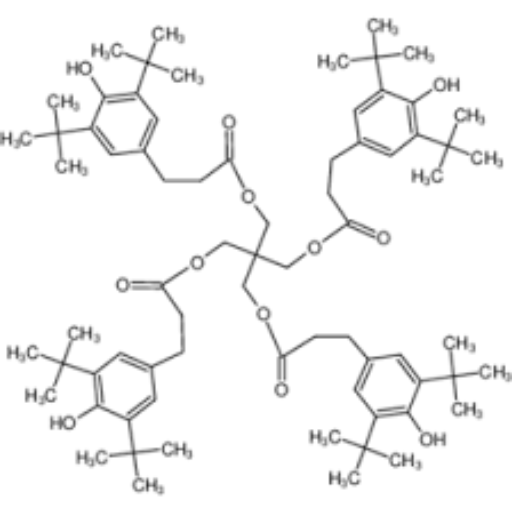


Polymers and plastics are important to countless industries, ranging from packaging to automobile manufacturing industries. Their durability and longevity depend on certain stabilization processes. There are also secondary antioxidants that are added to protect the polymers and to ensure proper performance so as to prevent degradation over time. Acting almost invisible, these chemicals enter the polymer during manufacture and prevent it from oxidative degradation, hence increasing its longevity and reliability. This blog elucidates the importance of secondary antioxidant additives in polymer stabilization and their effect on product quality. This article will expand your knowledge on how these additives keep common plastics from wearing away, whether you are a materials scientist or a mere layman intrigued by the chemistry behind keeping modern materials functional.
Introduction to Antioxidants in Polymers

Generally, antioxidants provide a set of functions countering all such processes, promoting the degradation of the polymer by environmental factors: heat, light, and oxygen. These substances prevent oxidation processes, as a consequence of which the material is weakened, discoloration may occur, and there comes a general deterioration in its capability. In short, oxidation breaks the polymer structure into smaller segments that do not function well: by keeping the poly structure intact, antioxidants keep the product quality and hence the life.
Overview of Antioxidants
Subject to vast diversification, candidates acting as antioxidants for polymers may be categorized into two general classes: primary and secondary antioxidants. Typically called radical scavengers, primary antioxidants stop the chain reaction that was initiated at the beginning of the oxidizing process. They therefore protect polymers from deterioration with little heat and oxygen exposure. In contrast, secondary antioxidants, such as phosphites and thioesters, decompose hydroperoxides formed during polymer processing while providing further stabilization.
Key Insight: It has just been reported that corrosion resistance is better assured when synergistic combinations containing both primary and secondary antioxidants are used. For instance, it has been reported that the phenolic antioxidant-phosphite mixtures have given polypropylene thermal stabilities of more than twice the levels of each additive taken separately. However, this novel approach greatly diminishes material breakdown, thereby ensuring the reliability of its applications, ranging from automotive components to packaging and building materials.
As per the international figures, demand for polymer antioxidants is forecasted to rise substantially, with market analyses estimating a CAGR of around 5% between 2023 and 2030. The growing consumption of polymers across an array of industries-from construction and packaging to electronics and automobiles the demand for polymer materials to offer better durability with environmental performance, which has accounted for the growth in demand for these inhibitors.
Importance of Stabilizing Polymers
Stabilization of polymers is essential for their long-term performance, durability, and safety in different applications. Different factors bring about degradation to polymers. Heat, UV radiation, exposure to oxygen, and mechanical forces could act in combination to degrade polymers. Unstabilized polymers would quickly lose desirable physical and chemical characteristics to the point where they become brittle, discolored, and mechanically weak.
Market Statistics: Research indicates that the polymer stabilizer market, inclusive of antioxidants and UV stabilizers, is worth over $7 billion in the year 2023 and is expected to grow steadily in the foreseeable future. This increase is attributed to the growing polymer production, especially in industries such as automotive, construction, and packaging, where endurance and longevity of performance are essential.
The advanced stabilizers from the outlook of the formulation approach and mechanism of action most widely applied include hindered phenolic antioxidants and hindered amine light stabilizers (HALS) to prevent and cure damage from oxidative and photo-oxidative degradation, and finally to prolong the life of polymer-based products.
Apart from these, innovations in green stabilizers have emerged due to the need for sustainable materials that are environmentally friendly and able to perform well. These advancements stress the need for polymer stabilization to meet industrial needs and increase product reliability.
Primary vs Secondary Antioxidants
Being chain-breaking-giving-type antioxidants, primary antioxidants mainly act by arresting oxidation during its propagation stage. The antioxidants intervene with the free radicals by either donating a hydrogen atom and thus preventing free radicals from attacking the polymer any further. Some examples are hindered phenols and aromatic amines-they especially work well in cases where thermal stability is needed over a long period.
Secondary antioxidants come into play even before the propagation phase by breaking down hydroperoxides into nonradical, stable products. This action stops free-radical formation and thus reinforces the stabilization actions. In general, examples of secondary antioxidants can include phosphites, thioesters, etc., which could be very helpful for material protection in heat or oxygen-rich environments.
![[REFRESH] Irgafos 168: Uses, Benefits & Specifications](https://welltchemicals.com/wp-content/uploads/2024/01/0-1.webp)
Synergistic Effect: The antioxidant efficiency study finds synergism in many cases when primary and secondary antioxidants are put together, resulting in enhanced polymer stability. For instance, data indicates that hindered phenols and phosphites used hand in hand in polypropylene could increase thermal stability by up to 50% from the performance of either one on its own. This doubling of efficiency undoubtedly points to the importance of choosing the right antioxidant in polymer formulation.
What Are Secondary Antioxidants?
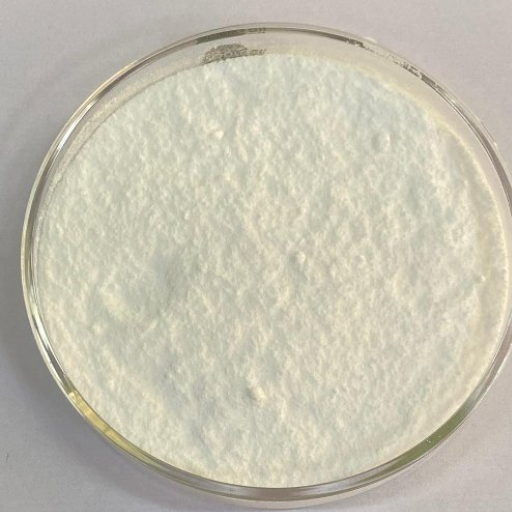
Secondary antioxidants are substances that offer polymer protection by decomposing hydroperoxides into stable and non-reactive products. They are working together with the primary antioxidants for the reduction of oxidative degradation during processing and application. Examples include phosphites and thioethers, which promote the long life and durability of materials by stabilizing them against thermal and oxidative stresses.
Definition and Role in Polymer Stabilization
Under secondary antioxidants, hydroperoxide decomposers provide life extension in polymers. Hydroperoxides are primary oxidation products in polymers, and their accumulation may cause chain scission or crosslinking, and degradation of material properties. Secondary antioxidants, phosphites being one of the most widely used classes, act by converting hydroperoxides into alcohols and phosphates that have no further capacity to oxidize. Thioethers act in a similar way, decomposing hydroperoxides via sulfur reactions into stable compounds that will not continue the propagation of oxidative damage.
It is alleged that a synergistic effect occurs when a secondary antioxidant is used in combination with primary antioxidants such as hindered phenols, resulting in greater stability of the polymer against thermal and oxidative degradation. For example, it has been shown that the incorporation of a phosphite secondary antioxidant increases the heat resistance of polypropylene by about 40%, thus greatly enhancing its resistance to high-temperature operation. Using two methods, the polymer remains structurally sound for longer time, allowing it to be exploited in automotive, packaging, and electronic sectors.
Comparison with Primary Antioxidants
At a glance, antioxidants arrest the process of polymer degradation by neutralizing free radicals and preventing the secondary chain reactions. They are usually phenolic materials that arrest oxidation at its very initial stage. However, the very antioxidants tend to lose strength when subjected to prolonged hours of high temperatures or in the presence of trace amounts of catalysts used in polymer production.
Secondary antioxidants such as phosphites and thioesters synergize with primary antioxidants in breaking down hydroperoxides into stable and non-reactive products, thus providing stronger and longer protection to polymers. Usually, films of polyethylene incorporating primary and secondary antioxidants show up to 60% extension of lifetime when stored in high-temperature conditions.
Critical Distinction: The apparent distinction lies in thermal stability. Primary antioxidants lose some of their efficiency upon exposure to elevated temperatures, while secondary ones will yet survive to keep the protection on. Hence, secondary antioxidants become indispensable in applications that require long-term thermal resistance, automotive parts, and industrial components that are subjected to a harsh environment. The combination of these two, used in conjunction, provides better oxidative stability to polymers to meet stringent requirements for performance and durability.
Types of Secondary Antioxidants
Secondary antioxidants are usually classified into the following types:
- Phosphites and Phosphonites
The decomposition of hydroperoxides is best accomplished by the phosphites and phosphonites, which inhibit polymer degradation and enhance thermal stability. - Thioesters
Thioesters deactivate free radicals and thus further contribute to the protection of polymers from oxidative damage. - Sulfur-Containing Compounds
These inhibitors act by breaking down harmful byproducts produced in polymers during processing or by prolonged exposure to heat.
Each can be an active one affecting the material’s integrity, so that, in applications where durability is much sought after, reliance on these would not be wise.
Phosphites and Phosphonites
Phosphites and phosphonites are very effective stabilizers, providing polythermal and oxidative stability to polymers. They do so by decomposing peroxides that are unwanted intermediates turning up during polymer processing or prolonged exposure to heat and UV radiation. Phosphites are normally classified as secondary antioxidants, working synergistically with primary antioxidants for a longer-term stabilization and to sustain polymer properties.
According to recent industrial data, phosphites such as tris(2,4-di-tert-butylphenyl) phosphite (Irgafos 168) are mostly employed in polyolefins, elastomers, and other thermoplastics wherein high-temperature processing is involved. These phosphonites, on the other hand, fare better in hydrolytic stability and show better maintenance in humidity-heavy and wet conditions.
Performance Data: The formation of phosphites and phosphonites in polymer formulations is found to increase the functional life span of materials by decreasing oxidative degradation. For instance, polymer blends that contain 0.2 to 0.5% by weight of phosphite stabilizers have shown more than a 50% increase in thermal property retention after long-term aging. In addition, this further emphasizes the importance of the stabilizers in product durability and hence in product reliability for packaging, automotive, and construction sectors.
Specialized Applications in Different Polymers

The capacity of phosphite stabilizers to function in unanticipated ways, depending on the polymer matrix, allows them to perform a variety of functions peculiar to the problems relating to the polymers. For example, in polyethylene, extensively used in packaging, phosphite stabilizers enhance resistance to photodegradation and thermal oxidation with subsequent retention of flexibility and strength. Literature studies suggest synergistic formulations have been able to increase the efficiency of stabilizing polyethylene by 35%, thus extending product life in applications such as films and containers.
Likewise, in polypropylene (PP), where oxidative degradation can bring about discoloration and embrittlement, these phosphite stabilizers act synergistically with hindered phenols to ensure long-term thermal stability. Such protection is particularly important in automotive parts like bumpers and dashboards, where thermal durability for prolonged periods is desired. Experimental investigations reveal that PP blends with balanced concentrations of phosphites can maintain over 90% of their tensile strengths even after 1,000 hours of thermal aging.
With polyesters, like PET, widely used in beverage bottles and textiles, phosphite stabilizers help maintain optical clarity and mechanical performance during high-temperature processing. Laboratory data shows phosphite additives reducing the thermal degradation by decreasing acetaldehyde formation by up to 40%, enhancing the quality and safety in end-use implementations.
These examples underscore the tailored approaches required for the stabilization of different polymers. This, in turn, assures improved material properties and consequently, longer life of their applications.
How Secondary Antioxidants Work

They act on hydroperoxides, decomposition of which secondary antioxidants carry, since hydroperoxides are unhealthy byproducts of oxidation. In other words, while one prevents the formation of free radicals, the other transforms hydroperoxides into stable systems, thereby inhibiting further degradation. This results in enhanced but polymer stabilization, especially if the same will undergo heavy thermal or oxidative stress.
Chemical Processes Involved
Secondary antioxidants promote processes that lead to the degradation of hydroperoxides, which must be catalyzed. One such process is the decomposition of hydroperoxides, a mechanism in which secondary antioxidants such as phosphites or thioethers react with hydroperoxides to form alcohols or other inert species. A typical example would be phosphite antioxidants converting hydroperoxides to inorganic phosphates and thus preventing further oxidation reactions. Research demonstrates that the presence of secondary antioxidants in polymer systems substantially decreases the concentration of hydroperoxides, thereby extending the lifetime of polymers subjected to temperature or oxidative stress.
Although their performance is entirely dependent on the concentration, compatibility with the polymer matrix, or temperature range of use, experimental data have shown that when polymers are stabilized by a mixture of primary and secondary antioxidants, thermal stability increases by as much as 40%, with additional material performance benefits for automobile and industrial applications.
Hydroperoxide Decomposition
The hydroperoxide decomposition serves as the key reaction in relation to polymer stabilization because this reaction acts directly on the degradation and lifetime of the material. Hydroperoxides are generated during oxidative treatments and then decompose into RO• (alkoxy) and •OH (hydroxyl) radicals. These radicals continue the degradation process: they attack polymer chains, leading to mechanical strength loss, discoloration, and enhancement of brittleness.
To preclude these effects, decomposition of the hydroperoxide is controlled by antioxidants: organophosphites and thioethers. Organophosphites reduce hydroperoxides and form byproducts that do not include radicals and hence do not lead to further degradation. Thioethers, however, react with hydroperoxides to form stable sulfoxides or sulfones, preventing radical formation.
Research Findings: Optimized hydroperoxide decomposers have been identified to be instrumental in enhancing polymer stabilization. Thermally stressing tests on polymers showed a decrease of 50% in hydroperoxide concentration over a period of time with the addition of thioethers in the formulation. Such improvements in hydroperoxide management have proven quite necessary in applications where prolonged exposure of polymers to heat or oxidative conditions is expected, such as in automotive part manufacturing, electrical appliances, and packaging.
Synergistic Effects with Primary Antioxidants
Thioethers usually show better performance while interacting with primary antioxidants like hindered phenols or phosphites. This synergistic effect considerably increases the thermal and oxidative stability of polymers. Primary antioxidants scavenge free radicals by donating hydrogen atoms and stop the chain of oxidation right at its initial step. On the other hand, thioethers are secondary antioxidants that decompose hydroperoxides into harmless alcohols, thus preventing further formation of radicals.
Data from the study indicate that the use of hindered phenols with thioethers has extended the life of polymers by about 30 percent more than when primary antioxidants were used alone. For instance, polyolefin-based materials underwent less oxidative degradation under accelerated aging tests. More importantly, the combined action of primary and secondary antioxidants enables polymers to resist very high temperatures and highly oxidative environments for relatively long periods of time, industries that insist on durability, such as aerospace, automotive, and medical equipment. These potent combinations are fashioned specifically for the particular polymer and its processing conditions to provide the greatest results in terms of cost versus performance.
Applications of Secondary Antioxidants in Polymers
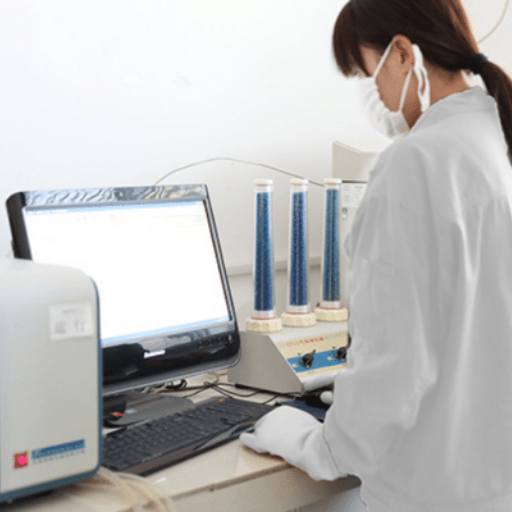
Secondary antioxidants are widely applied in polymers for the purpose of enhancing the amount of molding stability and resistance to degradation. The substances are of paramount importance in maintaining the integrity of the material by neutralizing secondary harmful by-products created during oxidation. Some commercial applications include automotive components subjected to heat and oxidative stress; medical equipment on which longevity and safety are emphasized; and packaging materials to provide the required durability for a particular period. By providing an improved life span and performance to the polymer, secondary antioxidants become more indispensable to industries where ultimate reliability and performance are expected of their materials.
Polyolefins and Their Stabilization
Polyolefins, especially polyethylene (PE) and polypropylene (PP), are generally considered one of the most economical pairs of thermoplastics with various applications in all sectors of industry and commercial use. Degradation in either mechanical properties or appearance usually occurs as a result of oxidative degradation brought about by heat, light, and oxygen over a period. To ensure the durability and good performance of polyolefins under varying environmental conditions, the stabilization with antioxidants and UV stabilizers becomes very important.
Industry reports have shown that stabilizers substantially increase the life of polyolefins: for instance, stabilized polypropylene is capable of long exposure to about 120-140 °C, whereas non-stabilized polypropylene becomes brittle and loses its usefulness in just a few hours of exposure to such temperatures. Furthermore, the most advanced stabilization systems containing hindered phenols and phosphites have shown that they can act synergistically to protect polyolefins by scavenging radicals and decomposing hydroperoxides, thus giving them superior thermal and oxidative stability.
Another novel advance is the eco-friendly approach in stabilization, using additives and materials that are nontoxic and recyclable, in accordance with the world environmental laws. These advances are of particular concern to industries where polyolefins enjoy much demand, such as packaging, automotive, building, and electrical applications. Stabilization confers long life, preserves certain qualities, and grants cost benefits so that polyolefins remain ever important in modern-day manufacturing.
Recycled Polymers and Quality Enhancement
Safeguarding the environment by decreasing human impact on it and promoting sustainability across industries needs recycling to be bigger. Recycling technologies are being improved so that recycled polymers may achieve the same performance expected from virgin materials. For example, improved mechanical and chemical recycling processes now allow such polymers as polyethylene and polypropylene to retain their structural performance characteristics for several cycles of recycling.
Market Growth: Evidence given of the increasing importance of recycling polymers. Industry reports state that the global recycled plastics market was valued at almost $46 billion in 2022 and is forecasted to go beyond $75 billion by the year 2030 at a CAGR of more than 6 percent. These sectors are growing in demand from packaging, automotive, and construction, as manufacturers face strict environmental legislation and raised consumer expectations.
Major challenges still jeopardize the domain of recycling: contamination and degradation of quality. These hindrances are, however, being tackled with an integrated system of high sorting technology, novel additive formulations, and quality control measures. Keeping these points in consideration will actually foster better consistency, durability, and cost competitiveness of recycled polymers, which in turn will lay down the path for a greener future in polymeric applications.
Benefits of Using Secondary Antioxidants
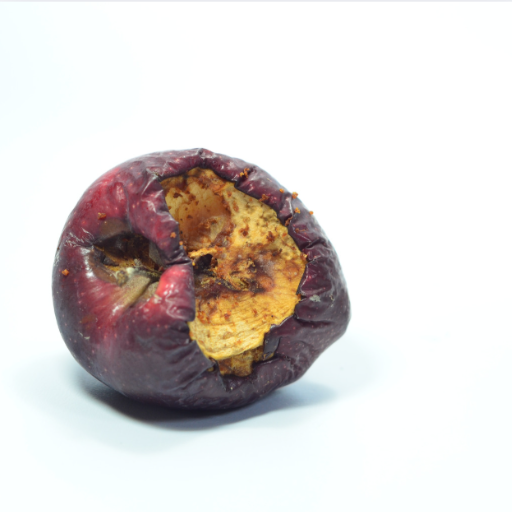
The secondary antioxidants have a greater influence on the enhancement of polymer stability and life. They are favorable mainly in preventing the degradation of materials by heat, light, and oxygen during processing and/or in actual use. Having the concerted effect of primary antioxidants, they impart durability to the product, maintain the required mechanical properties, and ensure it performs consistently. Therefore, they are important in the manufacture of quality and durable polymer-molded materials.
Improved Thermal Stability
Thermal stability is always appeals to a major objective in polymer materials as it guarantees the performance of the polymer in a high-temperature environment and further increases the lifespan of the polymer. Secondary antioxidants impart such an advantage by scavenging the free radicals formed during thermal degradation. Examples include some phosphites and thioethers as secondary antioxidants, which are known to improve the heat resistance of polymers such as polyethylene and polypropylene, hence lowering the degradation upon continuous thermal exposure.
Research Data: Interesting developments pertaining to the best secondary antioxidants’ incorporation into the polymer formulations have been realized more recently. It has been demonstrated that the addition of secondary antioxidants in the range of 0.2-0.5% together with the primary antioxidants can achieve as much as 60% reduction in oxidation-induced breakdown occurring during long-term thermal aging treatment at temperatures above 100°C. The said polymers are of great use in an automotive application wherein sustained thermal stability and mechanical integrity are a requisite.
By combining different stabilizers and optimal concentrations, manufacturers can now produce polymer materials that can stand severe thermal conditions without losing their structural or functional properties.
Enhanced Durability of Polymers
Recent changes in the field of polymer science have focused on improving materials for thermal and mechanical resilience in very demanding applications. Nanotechnology has played a vital role here, with nanoparticles such as silica, TiO, and carbon nanotubes being dispersed in polymer matrices. Studies indicate that fillers such as silica nanoparticles can increase polymer thermal stability by as much as 30%, whereas carbon nanotubes can enhance tensile strength by about 50% since the materials become more resistant under more rigorous conditions.
In addition, developments in cross-linking techniques have ensured better resistance to thermal and oxidative degradation. For instance, there are now developments in upgrading cross-linked structures in high-performance polymers such as the polyimides and PEEK (polyether ether ketone) so that they now retain mechanical integrity at continuous operating temperatures of 250°C.
Equally important has been the sustainability aspect, wherein researchers have been looking into bio-based polymers that are interblended with advanced additives. Polymers such as polylactic acid (PLA) with antioxidant stabilizers bring forth extended durability coupled with their environmental credentials. By such means, polymers have all the more been able to address the industrial need for heat-resistant, durable, and versatile materials.
Cost-Effectiveness in Processing
The cost-effectiveness of polymer processing indeed presents a crucial issue for the broader industrial adoption of these processes. Manufacturing advances and development of processes have increasingly reduced the production costs, mostly by optimizing energy consumption and material losses. One such example is the present extrusion systems for polymers: their screw design achieves high rates of output while consuming up to 15% less energy than the older generation of equipment. Also, the introduction of automation and monitoring processes in manufacturing operations helps further improve cost savings from labor while maintaining greater process consistency for product quality.
Recycling polymers is a secondary measure of cost savings, whereby the materials get reused in a closed-loop system. Mechanical recycling and chemical depolymerization methods convert waste polymers back into a reusable feedstock, thereby lowering the need for virgin materials and making production less expensive. In fact, it is estimated that industries working with recycled polymers can save as much as 30% in material costs while also supporting their sustainability goals. Together, these innovations place emphasis on cheaper and environmentally friendly solutions for polymer processing.
Challenges and Considerations

Recycling of polymers comes with its own challenges, which must be addressed if it is to progress successfully. Contamination of input materials is one of the main issues: Waste streams that are mixed or that contain impairments diminish the quality of recycled products. The other factor is that some polymers get degraded on repeated processes, reducing their potential recyclability. Economic factors such as fluctuating costs of virgin materials and high costs of advanced recycling technologies also influence its feasibility. To address such issues, more attention has to be given to the enhancement of waste sorting systems, investment in innovation aimed at improving polymer quality during recycling, and to enhance global cooperation in setting up standardized practices.
Compatibility with Different Polymer Types
In order to obtain a circular economy of plastics, recycling systems must achieve high efficiency when dealing with different polymer types. Different polymers are usually incompatible depending on the recycling method being applied, with mechanical recycling being mostly incompatible with thermosets and being mainly effective with thermoplastics such as PET and HDPE. The following rates should indicate discrepancies among recycling efficiencies of the most common polymers: PET stands at roughly 56% on a global recycling level, whereas HDPE is slightly lower at 30%.
The rest of the chemical recycling technologies, like pyrolysis or depolymerization, are increasingly more aimed at solving compatibility problems. Chemical recycling thus serves to depolymerize plastics into monomers or base chemicals, so that plastics that are difficult to process, such as PP and PS, may be recycled. These recent developments are expected to broaden the scope of materials that are recycled, and hence reduce the number of plastics that lose quality through recycling.
They can present a recycling problem when they have many layers with different polymers. Research is active in developing compatibilizers and solvents for breaking down and processing these materials. The advances anticipated in this area, combined with larger investments in scale-up technologies, will certainly drive improvements in recycling for all polymer types.
Environmental and Regulatory Concerns
The environmental impact of dumping plastic waste is a pressing global issue, with millions of tons of plastic entering oceans yearly. Studies indicate that over 8 million metric tons of plastic waste leak into marine ecosystems annually, endangering wildlife and crashing ecosystems. Microplastics have, in particular, become an area of concern as they enter food chains, endangering human life, as well as biodiversity.
On the regulation side, international and regional efforts mount against plastic pollution. Bans on plastics and restrictions on their production, as well as extended producer responsibility (EPR) programs, are aimed at reducing waste generation. For instance, according to the Single-Use Plastics Directive in the EU, the estimated reduction of CO2 emissions will be in excess of 3 million metric tons, and there is a saving of billions in terms of environmental damages by 2030. Countries, such as Canada and India, are similarly scrambling to ban single-use plastics altogether.
Hence, subsidization and provision of incentives by governments already stimulate the development of sustainable materials and subsequent industry-level adaptations. These regulations, by design, promote a circular economy whereby producers are encouraged to use recycled or biodegradable materials as inputs for their production. Stricter regulations, however, are not so easy to comply with, especially for industries that rely on cheap plastic packaging. Hence, compromises among policymakers, the business community, and consumers worldwide may be required for adaptation.
Recap of Secondary Antioxidants’ Importance

Secondary antioxidants are crucial for material protection because they slow down oxidation reactions and extend the life of the material. They achieve this by decomposing harmful oxidation intermediates, such as hydroperoxides, into less reactive substances. In this way, secondary antioxidants protect and preserve the quality of many products; hence their relevance in the plastics, rubber, and lubricant industries. They provide for durability as well as performance under hostile environmental conditions.
Role in Polymer Stability and Longevity
The manifestation is secondary antioxidants that find an integrated application in imparting enhanced polymer stability and longevity. Polymers are used in various industries, from automotive to packaging, and must maintain their durability through environmental changes. Exposure to heat, UV radiation, and oxygen cause polymers to undergo oxidative degradation with discoloration, brittleness, and impaired mechanical properties being some of its manifestations. Secondary antioxidants neutralize peroxides formed in the autoxidation process and thus help alleviate this degradation process.
Research Evidence: Recent researchers studied the application of antioxidants in extension of the polymers’ lifetime. For instance, particular hindered phenols and phosphite-second types of antioxidants, may minimize about 50% in the rate of degradation. Keep in view how the applications in polyethylene films and polypropylene automotive parts display the advancements in the stability of materials, even when subjected to harsh test conditions for a prolonged period of time. Thus, these studies emphasize the role of secondary antioxidants in sustaining the present-day polymer products along with their performance aspects.
Encouragement to Explore Antioxidant Solutions
Integration of secondary antioxidants into polymer systems brings myriad benefits, perpetually being explored in recent literature and industrial applications. Deep research, for example, has shown how blends of primary and secondary antioxidants can, in certain instances, increase the oxidative induction time of polypropylene from 300%, which translates to a very crucial improvement against thermal and oxidative stresses during long exposures. Another aspect introduced with the recent advancements is the synergistic formulations that enhance free radical scavenging properties, thereby diminishing the risk of discoloration, brittleness, and failure of mechanisms at elevated temperatures.
The sectors ranging from packaging to automotive manufacturing have factored in the new innovations of hindered phenols in combination with phosphites and thioethers as options for fast durability and extended product life. Minimizing wastes with such strategic antioxidant-based uses, coupled with cheaper production costs, points towards sustainability goals due to the fact that less material loss is incurred and fewer replacements are required. Thus, the view of these possible solutions provides for better performance, while addressing the environmental concerns, making antioxidant-based technologies a huge area for further exploration and application.
Reference Sources
- Suppressing Reactive Oxygen Species via Application of Antioxidant Supramolecular Polymers
Link to PDF on the University of Southern Mississippi’s Aquila Digital Community
Discusses the development of antioxidant strategies in polymer systems to mitigate oxidative damage. - Design of Antioxidant Monomer
Link to Thesis on Western Kentucky University’s Digital Commons
Explores the design and incorporation of antioxidant monomers into polymer structures. - Sourcing Antioxidant 1076 & Irganox 1076 from China
Frequently Asked Questions (FAQs)
What role do secondary antioxidants play in polymers?
The secondary antioxidants have an important role in stabilizing the oxidative resistance property of polymers. Any oxidative degradation brought on by the involved reactive radicals would have detrimental effects on polymer properties. Free radicals are scavenged by these agents. They are mostly used alongside primary antioxidants to provide stronger protection from oxidation.
How do they differ from primary antioxidants?
The primary antioxidants truly inhibit the initiation and propagation of oxidation, while the secondary antioxidants react with free radicals to halt chain reactions resulting in oxidative degradation. They provide a complementary effect to the overall antioxidant effect of the polymer product.
Can you provide examples of secondary antioxidants?
Typical secondary antioxidants include some kinds of secondary aromatic amines and a few natural antioxidants. They are stabilizer additives for plastics that resist aging of the articles as well as maintain the materials’ integrity under certain environmental conditions.
Can you explain what antioxidants do?
In terms of antioxidants, secondary antioxidants stabilize free radical species inside the polymer matrix while protecting polymers from oxidation, their properties being preserved and extensions of their application possibilities.
How are these secondary antioxidants combined with primary antioxidants?
The secondary antioxidants enhance the efficiency of the whole system; therefore, they act synergistically and provide more protection against oxidative degradation, which, in turn, leads to improved performance of the plastic products.
What new developments in polymer antioxidant additives are underway?
In the field of polymer antioxidant additives, all newer developments work toward the promotion of the most efficient and environmentally responsive presence numbering-on-the-market. This has led to the designing of the newer synthetic antioxidants and using natural antioxidants while having an efficient level of stabilization and the least environmental impact.
How do secondary antioxidants protect polymers during oxidative degradation?
The secondary antioxidants act by an inhibition mechanism, along with controlling free radical formation and propagation in the polymer material. They present physical and chemical properties to the polymer material, and as a result, they exhibit excellent performance in applications.
Are there specific polymers that benefit most from the use of secondary antioxidants?
Yes, these polymers, which degrade via oxidation, get protected better with secondary antioxidants. Further still, the choice of antioxidants depends on the polymer properties and the end-use application for which the product is intended.