

Understanding the Differences, Sources, and Health Benefits
The primary sense of antioxidants is to shield our bodies from free radicals that damage the molecules inside. A free radical is an unstable molecule that can accelerate aging and many health concerns. Certain types of antioxidants can only be produced in the laboratory, whereas others can be obtained from fruits, vegetables, and other plants. Having a perfect understanding of the differences between a natural and a synthetic antioxidant, as well as what benefits they bring along, would empower you to make better choices about your health and well-being. This article delves into the world of antioxidants, putting forth various types, sources, and health benefits so that you can get a grasp on the idea of nourishing your life through these.
Introduction to Antioxidants
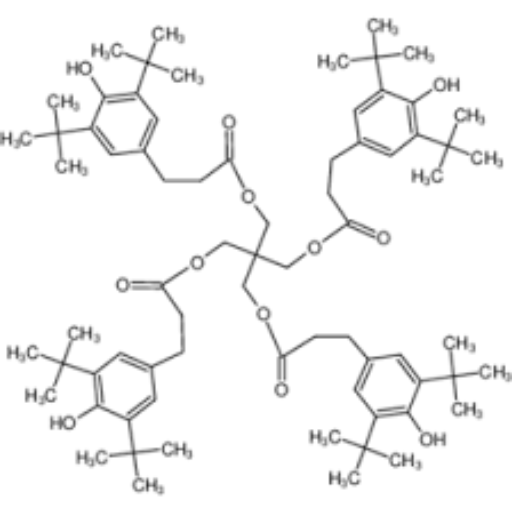
Free radicals are molecules that cause damage to the body, while antioxidants offer protection against such forces. Antioxidants are free-radical scavengers; they reduce the ability of free radicals to harm cells and bring about aging and diseases. Some common antioxidants are vitamins C and E, beta-carotene, and selenium; they are found in fruits, vegetables, nuts, and whole grains. Eating a variety of antioxidant-packed foods is excellent for your general health and well-being.
Overview of Antioxidants and Their Role
Antioxidants are believed to be very important for cell preservation so as to prevent oxidative stress, which occurs from an imbalance between free radicals and the body’s ability to react and neutralize their effects. On the other hand, when oxidative stress is chronic, it could be the reason behind chronic diseases that include cardiovascular diseases, diabetes, neurodegenerative disorders, Alzheimer’s disease, and so on. It has been speculated by various studies that an antioxidant-rich diet will decrease the capacity of oxidative stress to cause inflammation and issues with cholesterol, thereby limiting any hazard of heart disease.
Examples of some foods containing antioxidants are berries like blueberries, strawberries, and raspberries that have high levels of anthocyanins; dark leafy greens such as spinach and kale, which contain lots of beta-carotene and lutein; and nuts, including almonds and walnuts, which are good sources of vitamin E. According to nutritional data, just an addition of one or two servings of antioxidant-rich food to the daily diet should go a long way in boosting the body’s defense mechanisms against oxidative damage. For instance, scientific evidence indicates that polyphenols in green tea and dark chocolate help in enhancing brain functions and maintaining a healthy metabolism.
Key Takeaway: A diet rich in antioxidant foods essentially sustains human life through time and helps to prevent oxidative stress-related diseases.
The Importance of Synthetic Antioxidants
Synthetic antioxidants preserve food quality and extend shelf life by preventing oxidation and subsequent spoilage or nutrient degradation. Common examples of synthetic antioxidants include butylated hydroxyanisole (BHA) and butylated hydroxytoluene (BHT), which occur in processed snacks, oils, and cereals. Modern research has indeed shown synthetic antioxidants to be highly efficient for the inhibition of lipid oxidation, thus reducing waste, while maintaining the organoleptic properties of foods for an extended period.
These synthetic antioxidants were also employed within the pharmaceutical as well as the very own cosmetic industries. They are inserted into the formulations to stabilize the active ingredients so that they remain potent and exert their intended effect. For instance, several studies have demonstrated their potential to protect sensitive vitamins such as A and E from degradation during storage.
Nonetheless, the use of synthetic antioxidants often sparks a continuing debate on their long-term safety. Some studies have suggested that in excessive amounts, these substances may pose health risks, emphasizing the need for stronger regulation and further testing. Synthetic antioxidants will continue to be an important tool in many industries once their benefits can be weighed carefully against their safety issues.
Debate: Synthetic vs. Natural Antioxidants
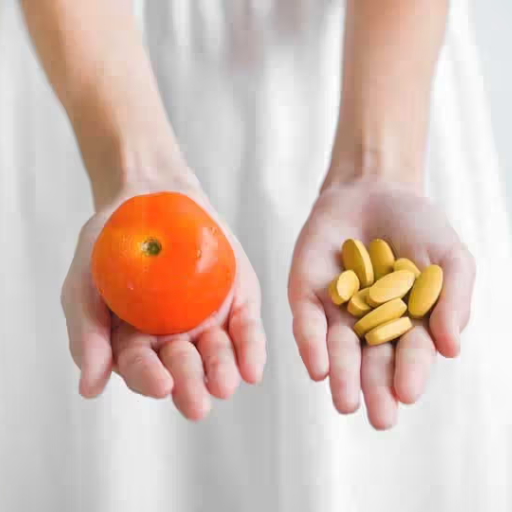
The debate between synthetic and natural antioxidants often centers around efficacy, cost, and health implications. Natural antioxidants, such as vitamin C, vitamin E, and polyphenols, are derived from fruits, vegetables, and other plant-based sources. They are widely regarded for their health benefits and minimal risks when consumed in appropriate quantities. According to recent findings, natural antioxidants have been shown to reduce oxidative stress and may even decrease the risk of chronic conditions like cardiovascular diseases and certain cancers. However, their effectiveness in industrial applications, especially for extending shelf life, can vary due to their sensitivity to environmental factors like heat and light.
On the other hand, synthetic antioxidants, such as butylated hydroxytoluene (BHT) and butylated hydroxyanisole (BHA), are prized for their consistency, stability, and cost-effectiveness. These compounds are commonly used in food preservation to minimize spoilage and maintain nutritional quality. Data indicate that synthetic antioxidants are particularly advantageous in high-temperature processes due to their resilient properties. Despite these benefits, concerns have been raised about their potential health risks, with some studies suggesting possible links to carcinogenicity when consumed in large amounts. Regulatory agencies like the FDA and EFSA have set safety limits to mitigate these risks, yet public perception remains divided.
Ultimately, the choice between synthetic and natural antioxidants often depends on the specific application, the desired balance between cost and health considerations, and evolving consumer preferences. While natural antioxidants align with the growing demand for clean-label products, synthetic options continue to play a crucial role in large-scale industrial processes due to their efficiency and availability.
What Are Synthetic Antioxidants?
![[REFRESH] Irgafos 168: Uses, Benefits & Specifications](https://welltchemicals.com/wp-content/uploads/2024/01/0-1.webp)
Synthetic antioxidants are man-made compounds developed to prevent or slow down the oxidation process in various products, such as foods, cosmetics, and pharmaceuticals. They are commonly used to extend shelf life and maintain quality by protecting against spoilage caused by oxygen exposure. Examples of synthetic antioxidants include butylated hydroxytoluene (BHT), butylated hydroxyanisole (BHA), and propyl gallate, which are widely used due to their effectiveness and cost-efficiency in industrial applications.
Definition and Differences from Natural Antioxidants
Antioxidants, in general, are compounds that inhibit oxidation, a chemical reaction that can produce free radicals, leading to cell damage. While synthetic antioxidants are artificially produced and widely used in industrial applications, natural antioxidants are derived from plant-based sources such as fruits, vegetables, herbs, and spices.
Natural antioxidants include compounds like flavonoids, carotenoids, and vitamins such as Vitamin C (ascorbic acid) and Vitamin E (tocopherols). For example, berries, green leafy vegetables, and nuts are rich sources of these naturally occurring antioxidants. One key difference is that natural antioxidants often provide additional health benefits, such as anti-inflammatory or immune-boosting properties, due to their phytochemical content.
A notable distinction between synthetic and natural antioxidants lies in their application and long-term safety profiles. Synthetic antioxidants, though highly effective and cost-friendly for large-scale manufacturing, have raised concerns regarding potential health risks upon prolonged consumption. Some studies have suggested a possible link between high doses of synthetic antioxidants and toxicity or adverse health effects. Conversely, natural antioxidants, when consumed as part of a balanced diet, are generally regarded as safer and beneficial for overall health.
Emerging data reveal that global consumer trends are shifting toward natural antioxidants, driven by growing demand for clean-label products and health-conscious living. For instance, the market for natural antioxidants has been estimated to grow significantly, with compounds like rosemary extract and green tea being increasingly incorporated into food and cosmetic formulations. While natural antioxidants sometimes lack the same shelf-life stability as their synthetic counterparts, innovations in extraction methods and preservation techniques continue to close this gap.
Chemical Composition and Functionality
The chemical composition of natural antioxidants is diverse, consisting of compounds such as polyphenols, flavonoids, carotenoids, and vitamins like vitamin C and E. These compounds exhibit strong free radical scavenging abilities, making them effective in preventing oxidative stress and prolonging the shelf life of products. For instance, polyphenols, commonly found in green tea and rosemary extract, are known for their potent antioxidant properties due to their hydroxyl groups, which neutralize free radicals. Similarly, carotenoids, like beta-carotene, play a dual role by not only combating oxidation but also providing nutritional benefits.
Regarding functionality, recent studies indicate that the antioxidant activity of natural compounds is influenced by factors such as concentration, pH levels, and interaction with other ingredients in formulations. For example, rosemary extract has shown significant potential in stabilizing lipid-rich foods by delaying rancidity. Additionally, advancements in microencapsulation techniques have enhanced the stability and bioavailability of natural antioxidants, ensuring their efficacy in diverse applications. Data suggests that the global natural antioxidants market is expected to grow at a compound annual growth rate (CAGR) of approximately 6–8% over the next five years, driven by increasing consumer demand for clean-label and health-focused products.
Industries Utilizing Synthetic Antioxidants

Their composite nature lends them various uses in many industries: cheap, stable, and reliable. Among the biggest markets that leverage these antioxidants are the food and beverage, cosmetic, and pharmaceutical.
Food and Beverage Industry
BHT and BHA are synthetic antioxidants considered general preservatives in the food industry, keeping foods from oxidation and thus extending shelf life. They are considered especially important for fatty and oily foods such as snacks, baked goods, and margarine. Estimates place the demand for food preservatives at just under $3 billion in recent years and are still on steady growth due to the increased consumption of convenience foods.
Cosmetics Industry
In cosmetics, they preserve the oils and active ingredients from oxidation, offering stability and thus associating with the manufacture of superior-grade skincare and makeup products. Propyl gallate and tocopheryl acetate are some of the common compounds. This sector, with a forecasted CAGR of about 5 to 6 percent in light of the heightened consciousness of skin health and anti-aging products, is blooming.
Pharmaceutical Industry
In the pharmaceutical field, synthetic antioxidants are used to maintain the chemical stability of active compounds in drugs so that they retain their efficacy over time. Antioxidants are also used as stabilizers for various medications, especially lipid-type formulations. Since the advancement of biologicals and complex drugs, antioxidants have become even more pertinent to this field.
Given the free case scenario with regard to the longevity and consistency of the products, synthetic antioxidants have consequently become inseparably associated with the process of industrial growth. Depending on advances in technical areas as well as an increase in safety regulations, the very near future may therefore find good formulations or their partial replacement with natural alternatives on consumer request.
Types of Synthetic Antioxidants

Since they are used to inhibit oxidation and thereby increase the shelf life of their product, synthetic antioxidants are in fairly extensive application in life. Some kinds you will come across more frequently are:
- BHT: It is utilized to prevent foods, cosmetics, and drugs from oxidizing.
- BHA: It is employed in food packaging and processed foods to maintain freshness.
- TBHQ: This is used mainly for vegetable oils and fats because of its high stabilizing ability.
- Propyl Gallate: Mostly combined with BHT or BHA to stop the oxidation of oils and fats.
These antioxidants are very much necessary in different industries for maintaining the quality and shelf life of a product.
BHA (Butylated Hydroxyanisole)
BHA is a synthetic antioxidant commonly used to prevent oxidation in various foods, which would otherwise lead to their spoilage and rancidity. It is mostly incorporated into cereals, snack foods, baked goods, and margarine. The BHA prevents the appearance of oxidation by neutralizing free radicals in feedstuffs containing fats and oils.
Recent research has considered the use of BHA within specified concentrations as GRAS by the U. S. FDA. However, the matter of safety is still a subject of controversy. The EFSA has considered an intake ADI of 1 mg of BHA per kg of body weight per day. Some studies apparently suggest some health concerns at high doses in animal testing, such as a possible carcinogenic effect in some rodent models. However, agencies said that at the low level at which BHA is used as a food additive, human health is unlikely to be at risk.
Other than in food, BHA is an antioxidant and stabilizer that is used in cosmetics, pharmaceuticals, and packaging materials. Because of its antioxidant strength, it is useful in preventing spoilage or degradation in many other applications. Consumers still have to watch their BHA intake and should be aware of BHA ingredient labels on products in general.
BHT (Butylated Hydroxytoluene)
BHT, which is a synthetic antioxidant, is the chemical name that is used in the food industry to enhance the longevity of products and prevent the discoloration of oils due to rancidity. BHT’s major application is in food processing, and it is known to be a very effective antioxidant when it comes to keeping fats and oils from going rancid. As a matter of fact, BHT is considered safe for human consumption (GRAS) by some regulatory agencies like the FDA; however, only in very low concentrations. For instance, when it comes to food products, the limit of concentration is usually 0.02% related to fat or oil content.
The possible BHT risks to health, on the other hand, have always been up for discussion when it comes to various viewpoints. Inconsistency in the results of animal experiments has been seen, and some even lead to the conclusion of toxicity at massive doses, along with liver and kidney damage. However, in certain circumstances, BHT has been shown to have protective action, being capable of eliminating free radicals and possibly lessening oxidative stress. These findings take into account that there is a very limited number of human trials in this area and thus advocate a watchful approach towards the consumption of antioxidants. In fact, it is suggested that consumers keep track of BHT in the list of ingredients of products and look for the most recent safety assessments made by health organizations.
TBHQ (Tert-Butylhydroquinone)
TBHQ is a chemical made by humans that acts as an antioxidant, and the main purpose of its use is in the food industry. It is a food additive that helps to maintain the quality of processed foods for longer and thus increases the total time that the products can be stored. TBHQ is a synthetic antioxidant and so it is used, for example, in snack foods, frozen dinners, and vegetable oils too, because of its property of antioxidatio,n which prevents freezer and cooking oil smell and taste. The FDA and EFSA are among the regulators that categorize TBHQ as safe for human consumption under certain conditions, with an ADI of 0.7 mg/kg body weight established. Thus, the risk to the majority of people due to small quantities of the additive present in food products is very low.
Lately, some research has raised the issue of TBHQ being a health hazard. In vitro studies indicate that very high doses of the compound might cause oxidative damage and alter immune system function. Moreover, some in vitro findings suggest that TBHQ might interfere with cell activity even at very high levels of exposure. On the other hand, it is crucial to keep in mind that the above-mentioned adverse effects are generally seen at concentrations that are much greater than those that the law allows in food products.
Consumers are encouraged to keep themselves updated and include fresh or less processed foods in their diet to minimize the total consumption of additives like TBHQ. Ongoing scientific research will be necessary to determine the long-term safety of TBHQ and to answer the new questions raised regarding its health effects on humans.
Propyl Gallate
Being a synthetic antioxidant, propyl gallate prevents the spoilage of foods due to oxidation. Hence, it extends the shelf life of processed foods, fats, oils, and cosmetics. This is chemically an ester of gallic acid and propanol. It is a widely permitted ingredient in many countries, but with certain set limits, and is marketed under the E-number E310.
The propyl gallate has been tested and shown to be effective in preventing the oxidation of fats and hence would preserve flavor and anti-rancidity properties. Recent safety concerns over its use in large quantities have thus become the subject of regulatory bodies restricting its use within a certain intake, the accepted ADI. The EFSA has established an acceptable daily intake of propyl gallate of 0.5 mg per kilogram body weight.
On the other side, a recent evaluation suggests that eating larger amounts could carry a health threat, for instance, allergic reactions and possibility of disruption of cellular processes. When animal models were used to conduct toxicity testing with higher doses, a suspicion arose regarding carcinogenicity; however, these were cases where amounts administered considerably exceeded daily amounts in a human diet. A further scientific analysis undertaking, therefore, is required to eventually ascertain whatever long-term impact upon health and safety propyl gallate has with respect to everyday consumption.
Applications of Synthetic Antioxidants

Synthetic antioxidants mostly find their way into the food industry for maintaining product quality and extending shelf life. They are added to processed foods such as chips, bakery items, and cereals to prevent oxidation and keep the taste, color, and nutrient content intact. Oils and fats are also treated with antioxidants to postpone rancidity, allowing the products to remain safe and suitable for human consumption over longer periods. The cosmetic, pharmaceutical, and industrial-section firms also rely on synthetic antioxidants to counteract the degradation caused by oxygen and light. Due to their efficacy and cost-effectiveness, they couple to preserve the product integrity in several industries.
Benefits of Synthetic Antioxidants
Synthetic Antioxidants Have A Lot Of Uses And Advantages. These chemicals prolong the longevity of food products by stopping the process of oxidation, which leads to spoilage and lower quality. Naturally, the nutritional value of the food is preserved because of these antioxidants by lessening the degradation of the nutrients. Synthetic antioxidants also find their applications in keeping the stability and life of cosmetics, drugs, and industrial materials, thus ensuring their potency and safety. They are cost-effective solutions for the whole industry because of their low price and easy access.
Cost-effectiveness Compared to Natural Alternatives
A synthetic antioxidant costs less than the natural type primarily because it can be manufactured at a lower cost and offers a longer shelf-life. That means large-scale and commercial manufacturing of common synthetic antioxidants such as butylated hydroxytoluene (BHT) and butylated hydroxyanisole (BHA) makes them significantly cheaper than natural antioxidants like tocopherols or rosemary extract. It has been shown in studies that these antioxidants may be manufactured at half the price for a set of industries with a tight budget.
Besides being chemically stable and very efficient at low concentrations, they are thus cheaper. Natural antioxidants, with the “clean-label” approach, are usually used at higher doses to attain an equal extent of preservation, and so are more expensive. One instance would be that the price of a natural extract such as alpha-tocopherol paid in varying degrees of being many times pricier than its synthetic counterparts, bringing virtually all applications into impractical zones for large-scale production. Such a price difference has given an edge to synthetics for antioxidant purposes in food, cosmetics, and industrial materials.
Efficiency in Small Concentrations
Synthetic antioxidants are said to maintain a strong preservative effect even in very low concentrations. In food products, BHA and BHT widely prevent oxidative rancidity in oils at concentrations of about 0.01–0.02% This high efficiency means that consumers will tolerate fewer additives in their products, giving more attraction to consumer product formulations, which in turn will offer excellent quality and longer shelf life. A natural antioxidant such as rosemary extract, on the other hand, needs to be used in double or even triple concentrations for stabilization, attesting to the less-effective and expensive nature of natural ones. This unique efficacy grants synthetic antioxidants a near monopoly in industries where product integrity must be upheld with very small quantities of additives.
Stability Under Processing Conditions
Antioxidant stability under processing conditions is an important consideration regarding their efficacy. Synthesized antioxidants such as butylated hydroxytoluene (BHT) and butylated hydroxyanisole (BHA) are naturally very resistant to thermal degradation; thus, they can be used in high-temperature treatments like frying, baking, or extrusion. Research has indicated that BHT’s antioxidant activity is more than 90% at temperatures exceeding 150°C, which is much better than most natural antioxidants.
Those natural antioxidants are considered more healthful but tend to break down rapidly under such conditions. By way of illustration, among others, tocopherols, which fall under the category of natural antioxidants, are known to break down when subjected to high temperatures and thus lose their potency as protectors.. Such limitations render it difficult for high-heat processing industries to maintain product stability.
In addition to the feature itself, the pH environment during processing affects oxidative performance. Synthetic antioxidants mostly have their maximum efficacy within certain limits of pH ranges. On the other hand, the antioxidant performance of natural antioxidant values, for instance, ascorbic acid, may lessen in highly acidic or highly alkaline situations. This shows the implication of synthetic antioxidants in laying down a defense against price variations and quality deterioration under harsh processing circumstances.
Concerns and Controversies

Synthetic antioxidants’ application has made people suspicious about the health hazards caused by their ingestion in large quantities, the allergic reactions, and the associated toxic effects, as well as carcinogenesis. Consumers are more and more doubtful about the environment’s getting polluted by the production of synthetic additives. On the other hand, the natural antioxidants are declared to be both safer and environmentally friendly, but at the same time, they lack the appropriate stability or effectiveness when used in the food industry. Meeting these calls for stringent testing, regulatory oversight, and clear labeling to ensure consumer confidence in safety.
Potential Health Risks
Synthetic-type preservatives have been a matter of concern regarding toxicity and carcinogenicity, particularly when considered in terms of their long-term consumption over high quantities. The greater any synthetic antioxidant agents, the greater they become a matter of concern with adverse health effects. An International Agency for Research on Cancer (IARC) study, for example, labeled BHA as “possibly carcinogenic to humans” primarily due to the evidence, albeit inconclusive, that animal exposure carried an increased risk of cancer.
In addition to this, metabolic disturbance, obesity, and insulin resistance were discussed concerning adulterated processed foods. With the confusion being created among consumers, synthetic antioxidants might have created havoc on the body’s natural oxidative system, particularly in those vulnerable to such an imbalance. Recently released data have also thrown light on the concern of allergic reaction in a segment of the population, especially children, to some additive chemicals that have kept regulatory scrutiny and review alive.
To reduce the effects, some governments and regulatory bodies have recommended designer treatments in accordance with limits for allowable concentration in different synthetic additives to be used in food products. Transparency in such a setting through detailed labeling allows consumers to assess synthetic additive consumption with ease, but their final choice always goes with them. Health professionals encourage moderation in the consumption of processed foods and recommend fresh or less processed foods as the safest alternative, both for dietary benefits and to reduce exposure to these chemical additives.
Regulatory Restrictions
Different regulatory measures or laws have been applied, depending on the areas, to ensure consumer safety and health from synthetic additives. For example, in Europe, stricter laws concerning some food colors and food preservatives may produce some exceptions from food additives, as provided by such regulations as EC 1333/2008. Additives permitted in the United States are also categorized by the U. S. FDA into the list of generally recognized as safe (GRAS), for which revisions may occur from time to time as new evidence emerges. In 2022, the study did identify that more than 1,300 chemicals are forbidden in the EU to be present in food products and food packaging, while the U. S. banned fewer than 20 of these same chemicals, highlighting a difference in safety standards.
Health professionals in a number of countries, notably Canada and Australia, will subject the additive to an extensive evaluation by scientific panels before allowing its use. According to the data released by global health organizations, artificial sweeteners such as aspartame will have their acceptable daily intake (ADI) limits set, for example, 50 mg/kg body weight in the U. S. versus 40 mg/kg in Europe, such that these limits will be respected.
These regulations that are so different from each other highlight the necessity for knowledgeable and skilled policy makers and compel the ongoing development of rules according to the latest scientific proof. The consumers will not have the same protection until the differences are eliminated through worldwide cooperation.
Shifting Consumer Preferences
The very gradual change of the consumer’s sweetener preference is more or less the result of the increasing health consciousness and the concern for sustainability. People are, by and large, choosing natural sweeteners like stevia, monk fruit, and erythritol as they are usually considered to be healthier and made from plants. The CAGR of 8% from 2023 to 2030 for the global stevia market is one of many pieces of evidence pointing to the large-scale acceptance of sweeteners from natural sources.
Meanwhile, artificial sweeteners such as aspartame and sucralose are not only doubted but are also not consumed by some customers who are worried about possible negative health consequences, despite the fact that the authorities have authorized their use. Moreover, the increasing need for “clean label” products has caused manufacturers to reformulate their products to come up with fewer artificial ingredients and more recognizable components. These developments point to the necessity of the food and beverage industry to gear up for the change in consumer priorities by providing creative, clear, and healthy product options that marry the consumers’ values and the industry.
Synthetic vs. Natural Antioxidants
Both synthetic and natural antimicrobials share the objective of hindering the action of oxygen upon food products, thereby prolonging shelf life and maintaining quality. Synthesized chemically, synthetic antioxidants such as BHA and BHT are widely used because they are highly efficient and economical. Some consumers, however, resist the use of synthetic additives because of health concerns. Natural antioxidants like vitamin E (tocopherols) or rosemary extract come from plant or natural sources and are considered safer and more “clean label” friendly. Though natural is mostly preferred by health-conscious consumers, these options often require a higher price and sometimes impart lower stability within certain applications. The choice between synthetic and natural antioxidants generally is one in which effectiveness, price, and consumer preferences have to be weighed.
Key Differences in Composition and Effectiveness
There are certain basic distinctions between synthetic and natural antioxidants regarding their composition and activity. The synthetic antioxidants include BHA (butylated hydroxyanisole), BHT (butylated hydroxytoluene), and propyl gallate, which are all synthetic compounds intended to provide a consistent and prolonged defense against the oxidation-induced deterioration. Such substances are very stable and react with different types of food, even under very high temperatures, quite actively.
Natural antioxidants differ from synthetic ones as they come from sources like fruits, vegetables, herbs, and spices: for instance, the phenolic compounds present in green tea extract or the flavonoids in citrus fruits are natural preservatives. Reports indicate that natural antioxidants such as tocopherols (a form of vitamin E) and rosemary extract not only reduce oxidation but also appeal to consumers who demand clean, green, and sustainable ingredient lists. However, this characteristic of natural antioxidants makes them less heat-stable and more application-specific, hence the formulation choices become a critical factor for getting the best performance.
According to a recent analysis, natural antioxidants entry into the product markets that along with the health-conscious buyers, with a growth of approximately 6.4% expected for the natural antioxidant segment between the years 2021 and 2028. In case a formulation requires high stability in the processed foods and cosmetics industry, synthetic antioxidants still remain significant. Hence, the manufacturers select the antioxidants according to the product specifications, regulations, and the latest consumer trends.
Trends Favoring Natural Antioxidants
Natural antioxidants are generally in demand because of the current global emphasis on health and wellness. Today’s consumers show a strong preference towards clean labels and naturally sourced ingredients, which is the reason for industries slowly going from synthetic to plant-based alternatives. When it comes to natural antioxidants, vitamins such as vitamin E (tocopherols), vitamin C, flavonoids, and carotenoids are mainly appreciated for their health benefits, which consist of reducing oxidative stress and improving immune health.
Market data has shed light on this trend, as plant-based antioxidants such as rosemary extract take center stage due to their food preservation effects sans synthetic chemicals. The food and beverage industries constitute a large share of demand due to mounting awareness of consumers about the ill effects of artificial additives. In the cosmetics sector, natural antioxidants are currently being utilized, mainly in anti-aging products, which are in line with eco-friendly and sustainable formulation choices.
Tocopherols are among those products that will experience a fast market rise, the estimates being nearly USD 2.7 billion by 2026, with major applications in food preservation, animal feed, and personal care. One of the key regions witnessing such change is the Asia-Pacific with its increasing population and health consciousness, thus confirming the inevitable global trend towards the use of natural antioxidant solutions.
Challenges of Replacing Synthetic Antioxidants
The trend towards natural antioxidants has gained strength, but still, the manufacturers and the industries are facing enormous problems. A primary issue is the difference in price between synthetic and natural antioxidants. Synthetic antioxidants are normally less expensive to produce, thus offering better scaling up for industrial usage. Conversely, natural antioxidants frequently need more complicated extraction methods; consequently, higher production costs are incurred. Recent reports suggest that it is almost 50 percent higher in cost for the production of natural antioxidants compared to synthetic ones, hence making it difficult for them to be competitively priced and accepted in the mass market.
In addition to stability and efficacy issues, another challenge facing natural antioxidants is the perfection of their activity. In any environmental condition, synthetic antioxidants are the most suitable ones because they are very effective and have a long shelf life, with BHA and BHT being the typical ones. Natural antioxidants such as tocopherols or rosemary extracts may not be as stable and may quickly lose their effectiveness, sometimes due to light, heat, or oxygen exposure. This situation threatens to create difficulties in food preservation and product formulation, especially when foods travel through a long distribution chain. The industries are investing a lot of money in research to improve the stability of natural antioxidants, and advanced encapsulation technologies seem to be the answer.
Logistical barriers preclude the establishment of a stable and sustainable supply of natural antioxidants. The production of natural antioxidants is basically based on agricultural crops, which are subject to the vicissitudes of weather, pests, and variable yields. In a similar vein, rosemary extracts must be manufactured principally in regions suitable for their growth, such that any variance in conditions can disrupt the supply chain. Agritech innovations, as well as sustainable farming, are being studied to mitigate supply chain risks.
Despite these threats, demand for clean-label products from the consuming public keeps the industries on their toes. Companies that find the way past these barriers will be rewarded with competition in the flourishing natural antioxidant sector.
Future of Synthetic Antioxidants
Synthetic antioxidants may still have their day with the twin suns of continued usage and increased scrutiny. Being cost-effective and cheap, there are no other reasons for acceptance to be increased due to adverse effects on health and the environment. The restrictions on synthetic antioxidants and the search for natural alternatives possibly instigate research on the synthesis of safer and sustainable alternatives. In order to stay in the running, antioxidants should be marketed transparently, should be safe to use, and must adhere to new laws as set down.
Innovations in Synthetic Antioxidants
The recent century marks further evolution of synthetic antioxidants that propose better efficacy and safer use profiles with an environmental and health twist. Researchers are considering nanotech approaches for antioxidants to be more targeted and efficient so that a lower dose may be required and, therefore, minimize side effects. The nano-antioxidants, for example, are being engineered to bind with free radicals to offer greater performance in a number of applications in food, cosmetics, and pharmaceuticals.
Sustainable production is yet another way being eyed to lessen the environmental load from synthetic antioxidants. Chemical modification methods are being considered for converting compounds derived from wastes, such as lignin from paper mills, into potent antioxidants win-win, cheap antioxidant resource that doubles as a green solution.
The statistical insight mentions that the global market of synthetic antioxidants was at visibility at around $1.5 billion in 2022, with an expected compound annual growth rate (CAGR) of 4.7% from 2023 onward through 2030. Nonetheless, it is essential to recognize that the ongoing demand for these substances in different industries is, due the innovations, an issue of regulatory and consumer concern that is important. The industry has a great chance to expand significantly, but at the same time, in a sustainable manner by putting emphasis on openness and incorporating modern technology into the picture.
Regulatory Changes Impacting the Industry
The synthetic antioxidants market is one of the markets that are directly affected by the recent regulatory changes that occurred all over the world. The stricter regulations, mainly in Europe and North America, are motivating the manufacturers to change their products and to use safer and more sustainable raw materials. For example, the European Union has set strict limits on the use of synthetic antioxidants such as butylated hydroxytoluene (BHT) and butylated hydroxyanisole (BHA), which has resulted in more natural products being sought after. Likewise, the U. S. FDA has been reassessing some synthetic additives based on new health impact studies.
Moreover, the clean-label trend has been forcing the industry to communicate what they do in terms of transparency of sourcing and production. Reports from the industry make it known that as much as 45% of the global population is continuously searching for cosmetic products containing natural or clean-label antioxidants, thereby increasing the need for quick adaptation of companies. The firms have responded to this situation by increasing their research activities and making use of state-of-the-art technologies, including advanced methods of extracting natural antioxidants, to ensure they meet the very high compliance requirements and still remain competitive. The regulatory developments in the future are going to depend very much on the use of eco-friendly and sustainable practices in the synthetic antioxidants industry.
Balancing Consumer Demand and Industrial Needs
Natural and clean-label products have become more sought after, which has led the industry to move away from synthetic and towards natural antioxidants. The predictions for the global antioxidants market show that the CAGR of about 6% will be maintained during the period from 2023 up to 2030, as consumer awareness is rising on the advantages for health and the cleaner formulations. However, there is an increasing pressure on industries nowadays, balancing between the rising demand and the price to achieve effectiveness and shelf life of the final product.
Aesthetic antioxidant deterrents may be various types present in the big world of plants: rosemary, green tea, and some fruits. Such options seem attractive but suffer from a price premium and stability issues in industrial conditions. However, BHA and BHT, two synthetic antioxidants set to remain even when cheap synthetics are out of fashion, enjoy an unparalleled position as the utmost preservatives in food and cosmetics, though their cheaper synthetic status is questionable. Hence, the manufacturers will have to innovatively come up with new formulations and new production processes that make natural alternatives more stable and efficient without compromising price or performance.
These factors have begun to force a regime change in industrial thinking, with bigger investments pouring into research and development to optimize production without giving up the sustainability agenda. Collaboration between manufacturers, researchers, and regulatory agencies is entirely needed to make sure that consumer demand resonates with what can be delivered through industrial realities, thus hitting a middle ground between the more balanced, healthier, and cheaper alternatives.
Reference Sources
PubMed Central (PMC)
Type: Digital archive of biomedical and life sciences journal literature.
Why it’s authoritative: PMC is a free full-text archive of biomedical and life sciences journal literature at the U.S. National Institutes of Health’s National Library of Medicine (NIH/NLM). It contains peer-reviewed research articles, reviews, and clinical trials, making it an excellent source for scientific information on synthetic antioxidants, their mechanisms, and their effects. Many of the citations in your provided contexts are already from PMC, demonstrating its relevance and authority ( Antioxidants: A Comprehensive Review – PMC, n.d.; Cytotoxic and Genotoxic Effects of Tert‐butylhydroquinone, Butylated Hydroxyanisole and Propyl Gallate as Synthetic Food Antioxidants – PMC, n.d.).
How to use: Search for terms like “synthetic food antioxidants,” “TBHQ,” “BHA,” “BHT,” “propyl gallate,” or “types of food additives” to find relevant scientific papers.
Website: https://www.ncbi.nlm.nih.gov/pmc/
U.S. Food and Drug Administration (FDA)
Type: Government regulatory agency.
Why it’s authoritative: The FDA is responsible for protecting public health by ensuring the safety, efficacy, and security of human and veterinary drugs, biological products, medical devices, our nation’s food supply, cosmetics, and products that emit radiation. Their website provides official regulations, approved lists of food additives (including synthetic antioxidants), safety assessments, and guidance documents. This is crucial for understanding the legal and safety status of these compounds in the United States.
How to use: Look for sections on “Food Additives & GRAS Substances” or use their search function for specific synthetic antioxidants like “butylated hydroxyanisole” or “tert-butylhydroquinone” to find regulatory information and safety evaluations.
Website: https://www.fda.gov/
Discover the Best Tinuvin 770 & HALS 770 & Light Stabilizer 770 Manufacturers from China
Frequently Asked Questions (FAQs)
What are synthetic antioxidants?
Synthetic antioxidants are man-made agents designed to inhibit the oxidation process in a variety of products, specifically in food. They are aimed at controlling the production of free radicals responsible for the deterioration and lessening of the quality of food. BHT, BHA, and TBHQ are the most common synthetic antioxidants, which these substances are, in fact, added to food in the form of food additives continuously to stabilize and prolong the life of the products.
What are the different types of antioxidants?
Though synthetic and natural antioxidants exhibit similar traits, their potency might vary in certain situations. In the main, natural antioxidants occurring in fruits and vegetables are thought to be less harmful than they are in getting rid of oxidation. Meanwhile, synthetic antioxidants are extensively employed in the food sector due to their cost and stability advantages, while the use of natural antioxidants is gradually increasing due to the safety issues and the consumers’ preference for clean-label products.
How do synthetic antioxidants compare to natural antioxidants?
Antioxidants from both synthetic and natural sources share common properties, but their effectiveness may differ in some cases. Generally, natural antioxidants present in fruits and vegetables are considered to be less damaging than they are in performing the duty of quenching the oxidation. On the other hand, synthetic antioxidants are widely utilized in the food industry for their economic and stability advantages, whereas the use of natural antioxidants is gaining ground due to the issues regarding safety and the consumers’ preference for clean label products.
What is the effectiveness of antioxidants in food?
The power of antioxidants in food is measured by their ability to fight oxidation and maintain the quality of food. If the correct amount is used, both synthetic and natural antioxidants can greatly influence the oxidation process; however, their mechanisms of action are different. Understanding these mechanisms can aid food technologists in developing better preservation techniques, and thus, the safety of food will also be assured.
What are phenolic antioxidants?
Phenolic antioxidants are a group of compounds that can be naturally found in very different sources, such as fruits, vegetables, and cereals. They strongly repel oxidative damage and grab radicals so that they will not be able to harm the cells anymore. These compounds are getting more and more attention in research regarding the possible health benefits and are, thus, sought-after in functional food applications over synthetic antioxidants.
How are antioxidants used in food processing and preservation?
In food processing and preservation, antioxidants are of utmost importance, as they are the key to maintaining the quality of food and the prolongation of its lifespan of the latter. They are incorporated as food additives with the objective of causing no odor and no discoloration in the case of processed food. Generally, the use of antioxidants in the food sector is mainly to offer safe and stable food products during oxidative stress in storage situations, which is an unavoidable problem that is partially caused by the production process.
What is the role of endogenous antioxidants?
The endogenous antioxidants are produced by the body and are critical during the course of free radical neutralization and cell protection against the oxidation process. These antioxidants are working together with the dietary ones (obtained from food sources), which also come from food sources. They are all sources of health and perhaps reduce the risk of chronic diseases that are associated with oxidative stress.
Can synthetic antioxidants be replaced with natural ones?
The food sector is increasingly changing its stance and gradually moving to natural antioxidants while at the same time discontinuing the use of synthetic ones. This trend is mainly driven by consumer demand for natural products and their doubts regarding the safety of synthetic additives. However, effectiveness is not always a guarantee for natural antioxidants, as they may sometimes be less powerful than synthetic ones. Therefore, it will be the responsibility of food scientists to prevent the decline of food quality and safety during this transition by operating through these standards.
What are the mechanisms of antioxidants?
The term “mechanisms of antioxidants” denotes a series of biochemical processes through which free radicals are neutralized, and consequently, oxidative stress is prevented. The antioxidants can sometimes give za electron to free radicals, which can lead to the stabilization of the latter and the resultant stopping of the oxidation chain reaction. It is through understanding these mechanisms that effective antioxidant strategies can be developed for both food and pharmaceutical applications.