

Protecting Plastics and Polymers from UV Degradation for Enhanced Durability and Longevity
Plastics and polymers are our day-to-day materials that find applications in packaging, in the automotive sector, in construction, and also in consumer products. These are materials that, when exposed to UV radiation for long periods and under extreme environmental conditions, will fade, discolor, or verge into structural degradation. Hence, UV absorbers and light stabilizers become the center-stage agents in protecting the products of plastics and polymers for their quality and longevity. Indeed, this article claims the scientific backdrop of such agents, how these chemicals mitigate UV-degradation, and in what ways their application translates toward an enhancement in the efficiency of materials in different fields, as well as their longevity. Whether you’re a manufacturer, an engineer, or simply somebody curious about the cutting-edge technology of durable materials, this guide will impart insightful knowledge regarding one component or factor that often goes unnoticed in all of plastic and polymer engineering today.
Introduction to UV Stabilizers for Polymers

UV stabilizers refer to chemical additives that provide protection to polymers and plastics from degradation via UV radiation. Sunlight exposure makes polymers lose weight, change color, or, in due time, lose structural integrity. A UV stabilizer absorbs or deflects undesirable UV rays so that the polymer loses its molecular structure. Keeping materials for a longer time in outdoor or high-UV conditions also keeps their look and performance. Some common UV stabilizers are UV absorbers, hindered amine light stabilizers (HALS), and quenchers, with their own set of particular protective functions depending on the material and application.
Overview of UV Absorbers and Their Role
The UV absorbers play a big role in the realm of considering protecting materials from damage done by ultraviolet radiation. These stabilizers function actively absorbing the UV light into harmless heat energy with which is dispersed and thus prevents damage to the polymer structure. Generally used UV absorbers will include benzotriazoles, benzophenones, and compounds derived from triazine. Ranking very highly in terms of effectiveness are benzotriazoles for their superior thermal stability and absorption in the UV range.
Key Performance Data: From available literature, it has been shown that the presence of UV absorbents renders plastics and coatings highly resistant to sun exposure and, therefore, extends their utility for years. It is like that UV-absorbing materials can withstand high UV exposure conditions, for instance, up to 80 kJ/m² being subjected to thousands of hours without any considerable degradation.
UV absorbers are indispensable in automobile paints, outdoor furniture, and packaging materials. Developments in nanotechnology have enhanced the performance of UV absorbers, minimizing the inputs for high yield outputs, affirming cost-effectiveness and sustainability.
Importance of UV Protection in the Plastic Industry
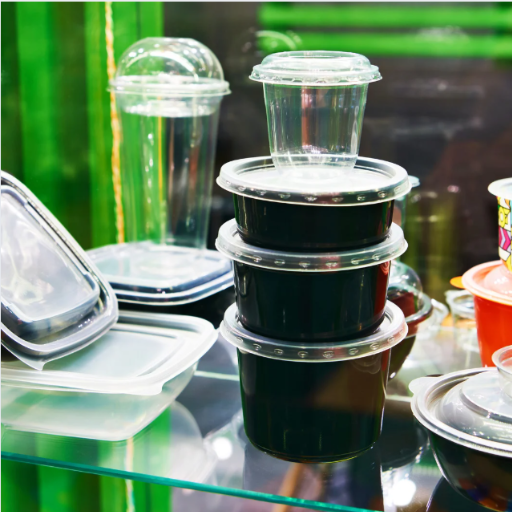
It is the UV protection that stands in an important position in the plastic market, since in the rude scenario of any long exposure to ultraviolet radiation, substantial degradation of the plasticaceous material may take place. UV rays can help destroy the very molecular structure of plastics, discoloration of the surface, and mechanical strength, ultimately leading to cracking and becoming very brittle. Generally, UV stabilizers and absorbers are added to the plastic formulation to counteract such drawbacks.
💡 Research Findings
Recent studies suggest that UV stabilizers prolong many plastic products by several years. Depending on the outdoor application, advanced UV absorbers can reduce around 60% degradation rates. This emphasis is on casting alumina-based materials as outdoor furniture, pipes, and construction materials that maintain their structural integrity even in the very harsh conditions of nature. Some polymer combinations, with advanced UV protection additives, can resist UV energy levels of 100 kJ/m² or higher. So these polymer combinations will outlast and perform better in harsh environmental conditions.
Another important innovation has been the development of nanoparticle-based UV stabilizers. These advanced materials provide enhanced UV resistance while being used in lower concentrations, thus reducing polymerization cost and environmental impact. Further, the UV blockers for use in transparent or translucent plastics, including those for greenhouses and packaging materials, assist in maintaining the efficacy of the contents within, such as food or plants, with respect to the minimization of UV-induced deterioration. These advances highlight the importance of UV protection for the life, performance, and sustainability of plastic products.
What Are UV Absorbers?
UV absorbers are chemical substances added to materials to protect them from the damaging effects of ultraviolet (UV) radiation. In other words, they absorb UV rays; the energy is then dissipated as heat, going against staining, brittleness, or whatever form of deterioration one might think of. From becoming part of plastics, coatings, and textiles, UV absorbers serve as a shield to increase the life and maintain the good quality of these materials under sunlight.
Definition and Mechanism of Action
UV absorbers stand between UV attenuation and damage to materials. These substances absorb intense ultraviolet rays and channel them into lower energy forms, usually dissipated as heat. This essentially serves as a set of shields against UV damage to the materials. As a matter of example, benzotriazole-based UV absorbers are perhaps the most widely recognized for their efficient absorption of UV radiation between 290 and 400 nm wavelengths, which coincides with the damaging radiation wavelength in polymers.
Performance Impact: A 50 percent reduction in degradation rate in test plastics such as polycarbonate or polypropylene exposed to sunlight for an extended period with the addition of UV absorbers has been proven. Furthermore, coatings fortified with UV absorbers protect the surfaces from color fading and crack formation, or warping. By acting as a protective barrier, they offer longevity and performance of materials in several industries, including construction, automotive, and outdoor applications.
Comparison with Other Light Stabilizers
![[REFRESH] Irgafos 168: Uses, Benefits & Specifications](https://welltchemicals.com/wp-content/uploads/2024/01/0-1.webp)
While comparing UV absorbers and other photostabilizers, such as hindered amine light stabilizers, we see clear distinctions with regard to their function and effectiveness. The UV absorbers focus on material protection by absorbing unwanted UV radiation and dissipating it in heat; thus polymers are not degraded. HALS do not perform direct UV absorption; instead, they behave as free radical scavengers, deactivating free radicals generated during the photooxidation processes.
In the studies performed, HALS is found to protect well in the long term for materials that are continuously exposed to light and oxygen, such as automotive coatings and high-performance plastics. For instance, the number of hours of accelerated weathering of high-performance HALS-treated materials can reach up to 5,000 hours, with UV absorbers being more often used when short-term surface protection is required, such as transparent films or coatings for outdoor furniture.
Usually, manufacturers combine the use of an ultraviolet absorber and HALS to stabilize materials altogether. The synergistic effect enables superior surface protection by reducing degradation within the layers to ensure a material is manufactured with longevity, and hence is commonly used by industries where it’s paramount.
Types of UV Absorbers for Plastics
1. Benzotriazole-Based UV Absorbers
Benzotriazole-based UV absorbers are considered to be among the best. These absorbers transmit UV light within the range of 280-400 nm to degrade polymers, coatings, and sensitive substrates. Thanks to their excellent thermal stability and compatibility with various materials, they are widely used in automotive, construction, and packaging industries.
Performance Data: Recent advances show the ability to maximize weathering performance. Verification studies have been done to determine that benzotriazole UV absorbers can extend the life of outdoor applications for discrepancy given intense UV environments by 50%. They are also used in clear and transparent materials so that the optical properties retain clarity and gloss through long periods of exposure. Thus, evidence also supports the idea that cooperation of benzotriazole UV absorbers with other stabilizers, such as HALS, will provide the highest durability level; therefore, material conservation actions are pursued for long-term UV protection.
2. Benzophenone-Based UV Absorbers
Benzophenone-type UV absorbents are used extensively because of their strong absorption in the UVB and UVA wavelength areas and the consequent security they grant over a large spectrum of materials. These absorbers dissipate the UV radiation by converting it into heat, thereby protecting polymers, coatings, and plastics from degradation caused by prolonged exposure to sunlight.
Effectiveness: It has been indicated that there is a reduction of photo-oxidation when benzophenone UV absorbers are introduced. When formulated properly, there is an improvement in material stability under intense ultraviolet conditions of above 40%-60% during the test.
These absorbers are especially useful in outdoor applications, including automotive coatings, building materials, and consumer goods, where sustained exposure to sunlight invariably means a hazard to durability. Further, benzophenone compounds are compatible with various types of materials, ensuring that protective properties exist without impacting other physical properties such as color or surface finishing. Changes in their chemical formulation have led to increased efficiency, offering industries requiring long-term UV protection robust and reliable solutions.
3. Triazine-Based UV Absorbers
Triazine UV absorbers, with their eminent efficiency and stability, have entered the list of modern UV stabilization technologies. These are considered to absorb UV radiation primarily between 280 and 400 nm, where degradation reactions in some polymers, coatings, and other materials are known to be triggered. Their improved thermal stability and photostability by further innovations, make them best suited for use under the most extreme environmental conditions.
For example, triazines have higher values of molar absorptivity, so better protection can be provided at lower concentrations. It has been shown that these absorbers also appreciably protect plastic- and polymer-based materials; some studies even go as far as claiming that an incorporation of triazines in plastic matrices results in up to a 50% increase in durability. Moreover, compatibility with other additives-warned amine light stabilizers (HALS), for instance-leads to synergistic effects, the performance of UV protection systems being thus enhanced both at an industrial and at a consumer level.
Their primary applications today include automotive paint and packaging materials, as well as building materials-where the ultimate aim is to ensure long life and superior performance under prolonged exposure to sunlight. Their versatility and efficiency make triazine-based UV absorbers an important solution to counter the problems associated with UV material degradation.
Benefits of Using UV Stabilizers in Plastics
There are some essential functions fulfilled by UV stabilizers in plastics:
⏱️ Longevity

The stabilizers ensure the plastics pay no heed to sunlight for long without undergoing degradation.
✨ Maintaining Appearance
In the course of time, UV stabilizers will stop discoloration, fading, and the degradation of the plastic’s surface.
💪 Increased Performance
By preventing materials from UV cracking and becoming brittle, UV stabilizers positively affect the mechanical strength and the intended use of plastic materials.
💰 Cost Efficiency
With the higher life span of the products comes fewer replacements. So, saving money in the long run is achieved.
For these reasons, UV stabilizers find applications in all those products ranging from outdoor furniture, automotive materials to packaging materials.
Enhanced Durability and Lifespan
UV stabilizers work behind the scenes to protect and preserve plastics and plastics-related products that are exposed daily to sunlight and harsh environmental conditions. Studies show that in the presence of UV radiation without any protection, considerable polymer degradation can reduce the expected life of plastics for as much as 50%, especially in areas of high UV radiation intensity. Untreated plastics used for automotive parts could become brittle and non-functional within just two to three years under continuous exposure to sunlight. This means that through the use of high-level stabilizer technology, manufacturers can considerably extend the working life of these products, perhaps even doubling it.
Real-World Example: Moreover, durability is not merely about looks; UV stabilizers ensure materials maintain their very structure over time, even under extraordinary circumstances. A case worth citing is outdoor furniture; it stays stronger and colored for about 5-7 years longer than its untreated counterparts if it carries UV treatment. These advancements emphasize the importance of UV stabilizers in facilitating high-performance and sustainable plastic applications in a host of different industries.
Prevention of UV Degradation
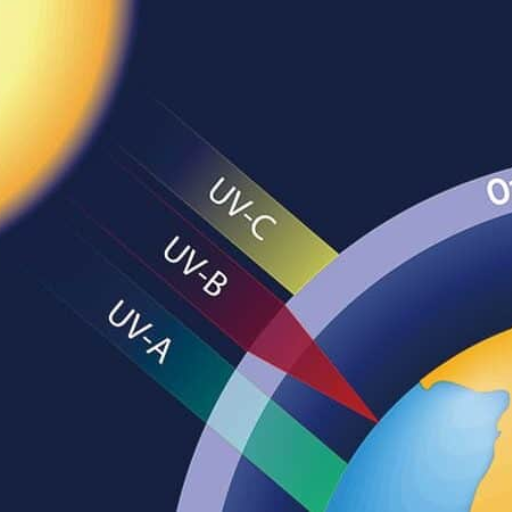
UV degradation occurs when a material, which could be plastic, coatings, or polymers, is subjected to ultraviolet radiation for a long time: it discolors, loses its strength, or cracks on the surface. Hence, modern UV stabilizers are manufactured so that they can provide maximum inhibition to this degradation. Research shows that some high-grade UV stabilizers, mainly HALS, can enhance material life by 50 to 100 percent in direct sunlight. For example, automotive parts treated by modern UV blockers stay in use and retain their appearance for well in excess of 10 years of mature outdoor use.
Also, the choice of the stabilizer depends on the application and the conditions. UV Absorbers (UVA) have been found effective in transparent articles such as windows and films, allowing minimal light passage through while maintaining transparency. In agriculture, greenhouse films with UV stabilizers are reported to increase durability by 20-30%, which is an important aspect of ensuring crop productivity and minimizing waste of the material.
Key Insight: The incorporation of customized UV protection technologies can result in products that are more durable, safer, and more environmentally friendly for use in multiple trying environments.
Cost Savings and Improved Aesthetic Properties
UV stabilizers in materials guarantee enhanced durability and therefore good money saved in the long run. Further, industries can incur less operational cost by reducing the need for replacement or maintenance through an extended product life. For instance, studies have revealed that a UV stabilizer coating maximizes usability up to an additional 40% on outdoor furniture or automotive parts, thereby delaying the wear resulting from long-duration sun radiation.
UV protection technology helps paint materials in an aesthetic way, with preservation of hues, gloss, or general looks. Varying high-performance UV additives incorporated into paints and coatings prevent fading by as much as 60% in five years, allowing bright looks to remain fresh when exposed to harsh environmental conditions. It is these industries that find the value in such UV protection, namely construction, automotive, and consumer goods, wherein aesthetics greatly affect the satisfaction of the customer and the price of the product.
Applications of UV Absorbers in the Plastic Industry
UV absorbers play a crucial role in waterproofing and ensuring the utmost durability of plastic products. By absorbing hazardous UV radiation, the additives prevent degradation in the form of discoloration, cracking, and the erosion of mechanical properties. They find use in packaging, outdoor hollow furniture, components for automobiles, and construction materials. UV absorbers, in some manner, maintain the integrity of plastic products and their aesthetics under sunlight exposure and hence serve as one of the long-term embedders of outdoor hardness ability.
📦 Packaging Industry
This industry, which involves packaging, is heavily dependent on UV absorbers to increase the longevity and effectiveness of its products. Recent data suggests that roughly 40% of plastic packaging, especially in the food, beverage, and cosmetic sectors, contains UV stabilizers to protect against sun-induced degradation. It becomes imperative when the packaging needs to protect sensitive contents from destructive UV rays that can speed up the process of spoilage or downgrade in terms of quality.
For one set of studies, it was found that the products being packaged in UV-stabilizer-containing plastics had their shelf lives extended by 30 percent over those without such additives. Furthermore, UV absorbers are crucial for keeping the colors of packaging materials aqua-vibrant and clear-transparent, indispensable qualities for branding and consumer appeal. So, the other two benefits make them highly needed in modern packaging solutions.
🚗 Automotive Industry
Being an important area of research in the automotive industry, UV absorbers have provided a solution to the problems due to extended exposure to sunlight. Automotive components are constantly exposed to UV radiation fading of components like dashboards, interior trim, or exterior surfaces, which discolors any degradation of a finish or material with time. With the use of such UV absorbers, an item can further maintain its life and, respectively, ly usefulness, with respect to the aesthetic property of that application; lately, UV stabilizers are said to allow plastics meant for automotive applications to stay in service for as long as 50% more, thus substantially preventing their frequent replacement and maintenance.
Most of these UV blocking technologies are incorporated into glass for windshields and windows, wherein harmful UV rays are screened out by as much as 99%, thereby increasing the comfort of the passengers and protecting the materials inside from sun damage. This assures the vehicles’ visual appeal and structural strength against the worst climatic conditions.
🏗️ Construction Materials
Allowing durability, sustainability, and efficiency to be afforded by these ever-innovative materials is an opportunity never been grasped by the construction sector before. One primary example is self-healing concrete, which would heal its cracks via microcapsules embedded in it that carry healing agents such as bacteria and epoxy. Research shows that institutions can durably exist with self-healing concrete for up to 50% longer, hence reducing repair and maintenance costs.
Another trendy material is cross-laminated timber (CLT), a sustainable replacement for steel and concrete. CLT is very powerful, lightweight, and nature-friendly. It has been revealed that emissions may be cut by nearly 26% using CLT construction compared with conventional construction. Also, from the perspective of opportunity, developments occurring in 3D printing technology may allow one to print custom bricks or walls on site, thus cutting construction waste by about 60% and also shortening the time of construction drastically.
Today, the very materials that are deemed contemporary assure eco-friendliness; in fact, they solve problems created by climate change and urbanization, thereby generating a more sustainable future for the construction industry.
Agricultural films are specialist kinds of plastics that are used in modern agricultural production for improving crop yields or resource efficiencies. Such films are mulching films, greenhouse films, silage films, each being different from the other and sometimes patented for some specific purposes. Mulching films, for instance, contribute to temperature regulation of the soil, suppression of weed growth, and conservation of moisture, all of which guarantee an elevation of as much as 30% in crop output. Likewise, greenhouse films guard plants from unfavorable weather conditions while providing an optimum micro-climate for them to grow, thereby extending the growing season.
Eco-Friendly Innovation: Eco-friendliness has been a prime focus of recent innovations regarding agricultural films. For example, biodegradable mulching films were created aiming to eliminate plastic waste, as these films eventually decompose naturally in the soil. Studies found that with the usage of these biodegradable products, residue pollution is lowered by nearly 40% when compared with the traditional poly-films.
In addition, with the advanced state of UV blocking technology, greenhouse films are the best ones to block unwanted UV rays and allow enough light to facilitate plant growth, enhancing growth by 15% of the plants. Hence, sustainable options are much more accepted as the worldwide agricultural films market grows at a CAGR of nearly 6.5% expected from the period 2022 to 2030, thus satisfying both environmental and production requirements.
Factors to Consider When Choosing UV Stabilizers
When choosing UV stabilizers for agricultural films, consider the following factors:
-
1. Type of Crop and Weather Conditions
Stabilizer selection shall depend on the sunlight intensity and climate prevailing in the area, ensuring maximum protection and longevity of the stabilizers.
-
2. Film Life Expectancy
Decide upon the duration for which the agricultural film should last. Since UV stabilizers extend durability for specific periods, this may affect the choice of stabilizer used.
-
3. Compatibility With Chemicals
Make sure that the stabilizers are compatible with the materials in the film and other chemicals used in the agriculture process.
-
4. Cost-Effectiveness
Consider balancing the cost of UV stabilizers against the benefits of performance gains and the lesser frequency of replacements of the film, considering the costs of immediate benefits.
-
5. Environmental Impact
Consider the stabilizers in line with one’s environmental standards that cause minimum harm to nature and simultaneously score big in the utilization.
If you want to maximize film performance and promote sustainable agricultural practices, concentrate on these factors.
Type of Polymer Material
The polymer materials play an important role in the durability, efficiency, and sustainability of agricultural films. The common types of polymers include polyethylene (PE), polypropylene (PP), and ethylene-vinyl acetate (EVA).
Polyethylene (PE)
It is the most commonly used material for agricultural films due to its inexpensive nature, flexibility, and durability. The generic term comprises variations such as LDPE and LLDPE. LDPE films have good puncture resistance and transparency, whereas LLDPE films come with high tensile strength and flexibility.
Polypropylene (PP)
It works well in applications where resistance to UV rays and temperatures is needed because the sun’s rays can be very harsh. Agricultural application possibilities for it may face limitations due to its lower flexibility than polyethylene.
Ethylene Vinyl Acetate (EVA)
They exhibit greater thermostability and keep their flexibility at low temperatures. Its highly transparent nature allows cameras to pass much more light for photosynthesis to take place, thereby aiding crop growth.
Depending on polymer combinations or additives like UV stabilizers and anti-fog agents, the performance of these materials may be further improved. Taking these figures into consideration, it is clear that the different types of polyethylene have enjoyed the favour of the markets for more than seventy-five percent of the agricultural film. Choosing polymer materials best suited to local climatic conditions allows the manufacturers to offer tailor-made solutions according to specific farm requirements.
Environmental Exposure and Conditions
Agricultural films have to cope with a rather harsher side of Mother Nature: UV radiation, temperature variations, humidity, and potentiating interactions with pesticides or fertilizers. Long exposure to UV radiation is one of the two most probable disasters, with polymer degradation being one, for which the films may turn brittle and compromise their functionality. Now in use for today’s agricultural films are UV stabilizers that contribute to greater durability; in fact, research has indicated the addition of UV stabilizers could extend the life of the films by almost 50%.
Another aspect that can impact the performance of agriculturally important plastics is temperature extremes-especially heat or cold. It has been shown by research that high-quality polyethylene films could well exist between temperatures of −40°F to 176°F (-40°C to 80°C), rendering them useful for conditions of a wide array of climates.
Anti-Fogging Technology: The anti-fogging agents are used on agricultural films basically as a treatment to prevent condensation, the formation of which can otherwise obstruct light transmission and hinder crop development. According to the data, anti-fog films confer 15% more light transmission than the regular ones, thereby ensuring good and uniform plant growth.
If these environmental challenges are taken into consideration and next-generation additives are incorporated, then we can guarantee that agricultural films will perform well for long durations, ultimately aiding in sustainable agriculture and greater crop yields.
Compatibility with Other Additives
For agricultural films, though, multiple additives ought to be incorporated for differently posed challenges such as UV stability, pest resistance, or controlled light diffusion. Anti-fogging solutions must be compatible with other functional additives, such as UV stabilizers or IR blockers, to ensure proper functioning of the film. Research indicates that anti-fogging and UV anti-aging treatment can maintain 90% of UV protection efficiency and keep condensation from forming, ever so slightly. Improving anti-fog and light-diffusing quality would permit an additional 12% of light through, thus helping photosynthesis and the growth of crops. Manufacturers require an optimized trade-off in additive concentration and type of formulation that neither degrading nor losing efficiency under environmental conditions making the films less durable or less suitable for the properties. Taking this approach ensures that the agricultural films meet several requirements without compromising one for the other.
Innovations in UV Absorber Technology
UV absorber innovations have concentrated on the enhancement of longevity and efficiency of agricultural films. Newer applications include advanced stabilizers that give UV protection for longer periods while they keep the films transparent. These stabilizers inhibit the degradation of the material and provide for an extension of the working life of films under intense daylight. Also, the new formulations employ additives to lessen environmental impacts, thereby giving a greater degree of environmental friendliness to the films. These new technologies go a long way in protecting the crop yield by assuring that the films stay useful for longer periods.
Development of Eco-Friendly UV Additives
In recent years, the eco-friendly UV additives have witnessed great advances, keeping performance and environmental considerations in tandem. For instance, biodegradable UV stabilizers are being developed, which break down into benign constituents, thereby averting soil and water pollution instigated by conventional additives. Research indicates that the new stabilizers can protect against UV stresses for as long as the typical growing season, about 95%, thus about the same capacity as, or possibly better than, conventional stabilizers. In addition, manufacturers are beginning to use plant-based or renewable raw materials in their formulations, thus lessening the carbon footprint of the production stage.
The phenomenons of market trends have levied a demand for sustainable agricultural plastics, with projected growth at a CAGR of around 6.5% in the sector for the period 2023-2030. This drift is making way due to stringent environmental regulations coupled with rising awareness among farmers about the long-term benefits of eco-friendly solutions. With these additives, agricultural films are afforded not just improved crop protection but a stake in making these drops in the bucket of sustainable criteria worldwide.
Advances in High-Performance UV Stabilizers
The past few years have observed greater advancement in high-performance UV stabilizers due to enhanced demand for featuring hard materials in agricultural and industrial applications. Being acted upon by degradation from long-term exposure to ultraviolet radiation, these stabilizers work to enhance the shelf lives of items such as agricultural films, coatings, and plastics, and subsequently their efficiency.
Considered to be the newest Hispanic UV stabilizers are now supposed to impart even more thermal stability, weather resistance, and compatibility with various polymers such as polyethylene and polypropylene. For instance, modern HALS stabilize materials for a while by the scavenging of free radicals formed during UV exposure, which would otherwise go on to break down the material. Moreover, the growing adoption of UV stabilizers across industries is also evidenced by the global market analysis of these materials, which states that the UV stabilizer market is expected to reach at a CAGR of around 7.0% between 2023 and 2030.
These improvements enhance plastic and film products on functional terms while for sustainability; they reduce replacement frequency and associated generation of wastes.
Global Market Trends for UV Stabilizers
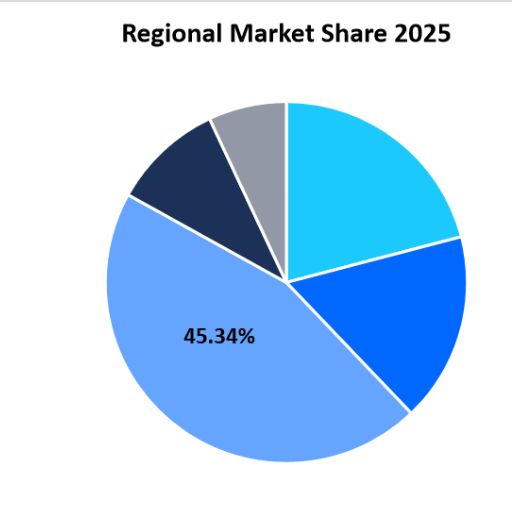
The demands in packaging, automotive, agriculture, and construction are inversely propelling the growth in the UV stabilizer market. Flexible packaging materials’ use has increased in food preservation and shelf-life processes, which has significantly worked towards increasing the usage of UV stabilizers. Likewise, UV stabilizers have become further indispensable in the automotive industry, which seeks durability and improved aesthetics for interiors and exteriors.
🌏 Regional Market Insights
Market insights say that Asia-Pacific accounts for the largest share in the global UV stabilizer market because of fast industrialization and urbanization in China and India. Huge growth of the market has been witnessed because plastics that are UV-stabilized are produced and exported in this region. Moreover, as the agricultural sector is increasingly depending on UV-stabilized films for greenhouses and mulching, this demand is set to offer a good fillip to the market.
Among types of products, HALS have the greatest market share, due to their high performance and long-term fixing efficiency. Investments are also going into sustainable and bio-based UV stabilizers as regulations and consumers ask for green solutions.
Market Projection: It is estimated that with the worldwide emphasis on sustainability and product life, the UV stabilizer’s integration into various matrices sees steady growth. Market reports, for instance, forecast that the UV stabilizer market will be above $2 billion by 2030, reflecting the industry’s continuous interests and consequent development.
Reference Sources
📚 ScienceDirect (Elsevier)
Website: https://www.sciencedirect.com/
Why it’s authoritative: ScienceDirect is a leading platform for scientific, technical, and medical research, hosting over 18 million articles from more than 4,000 journals and 30,000 books published by Elsevier. It is an indispensable resource for finding peer-reviewed articles on polymer science, materials engineering, and chemical additives, including extensive research on UV absorbers and light stabilizers for plastics. Many of the citations in your provided context are already from ScienceDirect, highlighting its relevance and authority (Bisphenol A Sorption on Commercial Polyvinyl Chloride Microplastics: Effects of UV-Aging, Biofilm Colonization and Additives on Plastic Behaviour in the Environment. – ScienceDirect, n.d.; Preparation and Application Study of Multifunctional UV Absorption OA-CDs@SiO2 Composite Materials in Coatings – ScienceDirect, n.d.).
🔬 ACS Publications (American Chemical Society)
Website: https://pubs.acs.org/
Why it’s authoritative: The American Chemical Society (ACS) is one of the world’s largest scientific organizations and a premier publisher of peer-reviewed research journals in chemistry and related fields. Their publications cover a vast array of topics, including polymer chemistry, materials science, and industrial applications, making it an excellent source for in-depth, high-quality research on the synthesis, mechanisms, and applications of UV absorbers in plastics.
Frequently Asked Questions (FAQs)
❓ What are UV stabilizers for plastics?
In all their varieties, UV stabilizers are additives added to plastics in their manufacturing process to confer durability against UV radiation from the sun. The three major types of UV stabilizers are UV absorbers, HALS, and reflective materials. Depending on the type, the UV stabilizer can absorb or reflect the UV light and avert plastic degradation.
❓ How do UV absorbers protect plastic?
UV absorber-exhibiting substances absorb high-energy UV light-rays and convert them to another, alternatively harmless-energy-heat. In doing so, they delay the degradation of plastic molecules caused by UV light and thus + protect the plastic for an extended service life, as well as maintain selected plastic surfaces to resist dirt.
❓ What effect does UV light have on plastic?
It indeed brings in and entails the enormous possibility of the plastic degrading due to UV exposure, which is called UV degradation. The phenomena affecting these pieces involve the decrease of physical properties such as strength and loss of flexibility due to a chain of chemical reactions. Flawless UV stabilization is a must.
❓ So, what exact benefits do UV stabilizers bring to polymers?
UV stabilizer treatment of polymers provides resistance to UV radiation to lengthen their service lives while maintaining their aesthetic qualities. These additives degrade UV radiation, preventing the processes from being initiated by the old exposure to light, thus maintaining the functionality and appearance of the plastic.
❓ What is the difference between HALS and UV absorbers?
The main difference between UV absorbers and HALS is the fact that ultraviolet absorbers absorb UV radiation, while HALS fight free radicals created by UV exposure. NIVIs can thus offer additional protection in preventing further degradation once the UV light has emerged. When both are combined, a complete UV stabilization of the plastic is achieved.
❓ What do UV stabilizers do in the plastic industry?
UV stabilizers for plastics provide products with durability and are supposed to retain their pleasing appearance when placed under the Sun or artificial light. These UV stabilizers get into products from outdoor furniture to automotive parts.
❓ Are UV absorbers good for PVC?
Yes, UV absorbers can be effectively employed with PVC to increase UV resistance. On being incorporated as additives at the time of manufacturing, such PVC compositions become more light-stable and therefore serviceable for longer periods, thus proving to be good for outdoor applications.
❓ What are the applications of UV stabilizers in plastic manufacture?
In plastic forgings, UV stabilizers have been employed for automotive parts, outdoor furniture, packaging, and construction materials, among others. Protecting against UV degradation, they ensure the longevity and performance of plastic products exposed to sunlight.