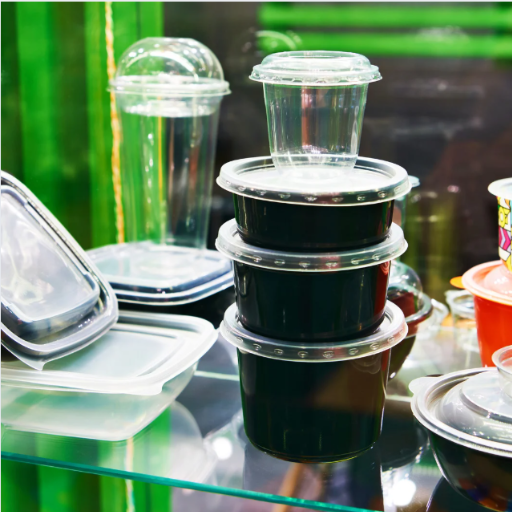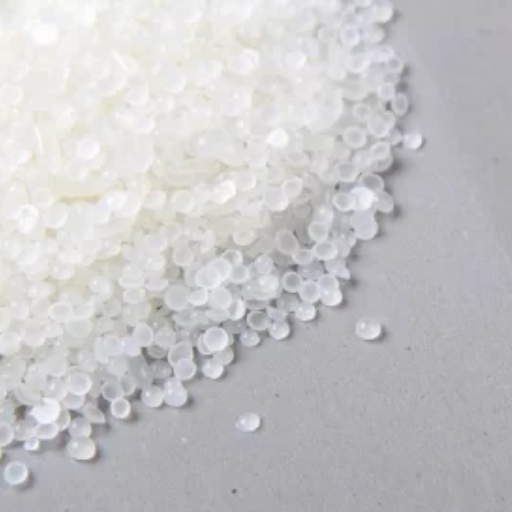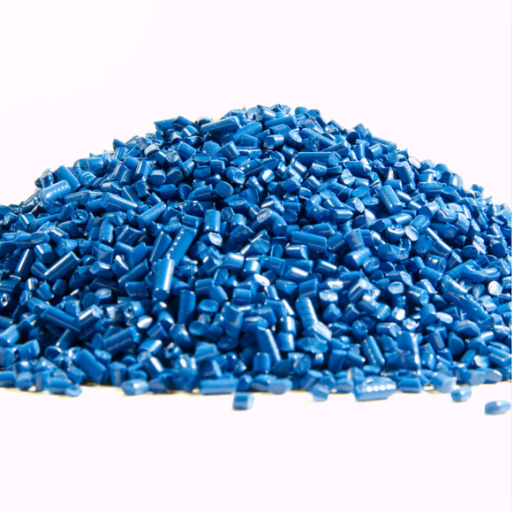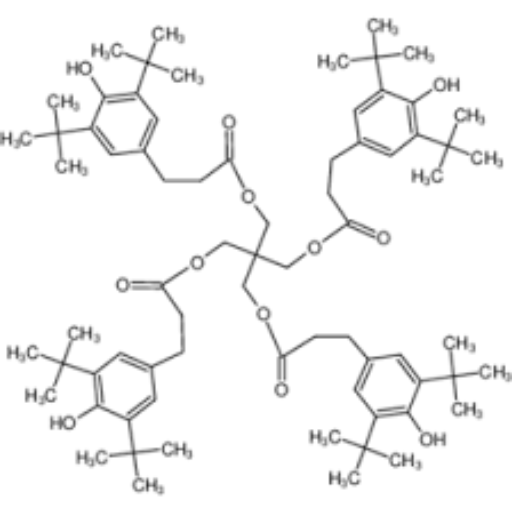


Polymers and plastics are inextricably entwined with every imaginable industry-from automotive and construction to packaging and consumer goods. UV radiation, when received for long durations, reduces the durability and aesthetics of the plastic, further compromising its function. This predicament has electromagnetic radiation protection as a critical factor in the concern of manufacturers and product developers. This article looks at the use of UV stabilizer additives for the protection of polymers and plastics. Learn the working mechanism, necessity, and benefits of UV stabilizers that enhance plastic life in different applications. Stay with us to discover tips on performance enhancement against the aggressions of sunlight and UV rays.
Introduction to UV Stabilizers
UV stabilizers are chemical kinds of additives constituted so as to protect polymers and plastics from degradation caused by UV radiation, accounting for time exposure. Solar UV rays can break the molecular structure of plastics and have adverse effects such as discoloration, brittleness, and loss in mechanical properties. Stabilizers help to maintain the mechanical properties, color, and durability of the material by absorbing or reflecting UV radiation and hence, are essential when plastics are subjected to sunlight for long durations. Major UV stabilizers include UV absorbers, hindered amine light stabilizers (HALS), and quenchers, each having specific advantages depending on the type of material and application.
Effects of UV Light on Common Materials
Ultraviolet radiation, a form of electromagnetic radiation, acts upon various types of materials, and there will always be polymers, fabrics, and coatings. Usually, UV exposure will cause photodegradation in which the molecular structure of the material breaks down, resulting in discoloration, weakening, and embrittling of the surface. Research shows a 70% reduction in tensile strength for unprotected polypropylene in a mere six months of continuous UV staring. Untreated paints and dyes will, of course, also fade under prolonged sunlight exposure, thus affecting their aesthetics and functionality.
Importance and Performance of UV Stabilizers
UV stabilizers are critical to prolonging the life of materials exposed regularly to sunlight. Hindered amine light stabilizers are among the better options, offering long-term stabilization of materials through the neutralization of free radicals formed during UV exposure. Studies report that HALS additives have the potential to extend plastic life by about 5–10 times, depending on the concentration and environmental conditions. The other common class is UV absorbers such as benzotriazoles, which absorb harmful radiation and dissipate it as weaker energies. These stabilizers are usually complemented by other additives for maximum protection; modern compositions could therefore be very durable even under harsh environmental conditions. According to industrial tests, UV stabilizers have been shown to reduce the rate of material degradation by over 50%.
Its mitigation becomes essential in UV radiation impact in industries such as automotive, construction, and textiles, where the final performance of materials and final aesthetics are important considerations. By utilizing advanced chemical effects, such as UV stabilizers, manufacturers can guarantee that the products will have an extended life and will be more reliable.
Importance of UV Light Stabilizers in Protecting Products
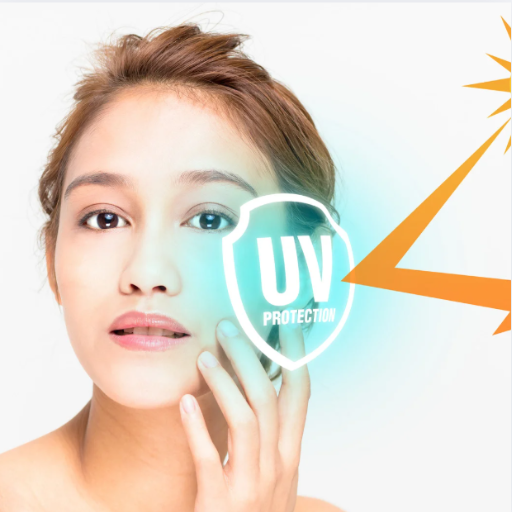
UV stabilizers have been used for a long time to protect substances from ultraviolet radiation. UV exposure causes fading, discoloration, and deterioration of materials, particularly polymers, rendering them the worst affected. Recent research declared that the strength of a product could decrease by 40% within one year of intense UV radiation, when left unprotected, whilst stabilized products preserve their strength for much longer.
In the contemporary process of UV stabilization, many forms exist: HALS and UV absorbers, among others, tailored specifically for the purpose at hand. HALS perform brilliantly to wax the photo-oxidative degradation of plastics; they are thus indispensable in situations requiring exposure to daylight for a long time, such as outdoor furniture and automotive parts. Additionally, further from nanotechnology, nanoparticle stabilizers were manufactured, which provide more uniform coverage and deeper penetration levels of the stabilizer into the materials, which decreases further decreasing the degradation occurring.
Industries heavily reliant on UV stabilization, particularly construction and textiles, affirmed that substantial cost savings and quality improvements could be realized with the technology. Exterior paint with UV stabilizers remains true to color for up to 10 years, unlike for about 5 for untreated materials. Similarly, fabrics with the advanced stabilizers considerably fade and wear less for outdoor applications. These developments emphasize the need for UV light stabilizers for durability, investment protection, and guaranteed performance for an extended time across diverse fields.
Definition and Purpose of UV Stabilizers
UV stabilizers refer to any chemicals that protect materials from UV rays. They obstruct processes leading to deterioration of materials due to the sunlight, such as fading, cracking, or even weakening. Solving the matter of aging, UV stabilizers help maintain the materials’ integrity and appearance by either absorbing or reflecting UV radiation, hence extending the durability and performance of materials for a variety of applications.
Types of UV Stabilizers: UV Absorbers and Light Stabilizers
UV stabilizers are categorized into two main types based on their mechanisms of action:
UV Absorbers
While UV absorbers absorb ultraviolet radiation and transform it into heat along with its harmless dissipation, examples for them may include benzophenones, benzotriazoles, and triazines. These stabilizers find wide applications in coatings, plastics, and adhesives to prevent fading and structural changes. For example, benzotriazole-type substances are considered effective in providing long-lasting protection from UV rays, with documented evidence indicating they can extend the life of polymers up to 50%.
Hindered Amine Light Stabilizers (HALS)
Unlike UV absorbers, HALS tend to scavenge free radicals generated during the photo-oxidation process, thereby halting the chain degradation process. They are applicable and particularly effective in situations where there is prolonged exposure to sunlight, including automotive parts, outdoor furniture, and agricultural films. Studies show that the degradation process is much slower when HALS are used, and certain formulations can provide protection that lasts for years even under rigorous UV exposure.
![[REFRESH] Irgafos 168: Uses, Benefits & Specifications](https://welltchemicals.com/wp-content/uploads/2024/01/0-1.webp)
With every UV stabilizer being developed for complex industries or varied environmental exposure levels, their effectiveness can be contingent upon numerous combinations of factors, such as the formulation, levels, or solvent application methods, which can be further fine-tuned for better stabilizing efficiency.
Stabilizer Additives in Polymers
Recent developments in stabilizer additives represent some very efficient means of polymer enhancement in terms of longevity and performance. For example, the new age Advanced Hindered Amine Light Stabilizers are installed while ensuring a very prolonged UV protection in hostile conditions. These modern HALS, it is found in some studies, maintain polymer integrity for a period exceeding five years while under the pulsing rays of the sun in outdoor conditions.
Zeal for the Industrial Scientist to innovate emerges in the case of antioxidants, with newer stabilizers halting oxidative degradation due to heat and oxygen. Some data show 30 to 50 percent better thermal stability on mixing primary and secondary antioxidants, depending on the polymer and the processing conditions. These additives find great use in applications involving automotive parts and electrical insulation, wherein polymers are subject to high temperatures.
Further contributing to it, nanotechnology is enhancing stabilizer efficiency. Stabilizers with nanoparticles, like nanoscale UV absorbers, have higher light-absorption capabilities and better resistance toward photo-oxidative damage. Studies indicate that such stabilizers can extend the life of a material up to 20% more than conventional stabilizers. Industries are therefore extending the limits of polymer performance in hostile environmental conditions by tailoring stabilizer formulations with the help of modern technology.
Mechanism of Action of UV Light Stabilizers
UV light stabilizers absorb harmful ultraviolet radiation or interact with free radicals produced when ultraviolet rays hit a polymer. Interference in chemical bonding inside the material might lead to discoloration, cracking, or loss of mechanical integrity. Common UV stabilizers include HALS or UV absorbers, which effectively combat UV degradation so that both processes maintain the longevity and performance of materials exposed to sunlight.
How UV Stabilizers Absorb UV Light
UV stabilizers act by either absorbing dangerous ultraviolet rays from the sun or by dissipating the energy that could cause damage to the materials. UV absorbers, such as benzotriazoles and benzophenones, absorb UV rays and then change the energy into some harmless form-which is usually that is then dissipated. Meanwhile, HALS uses another means of protection from harmful UV rays by scavenging free radicals that the polymers generate on exposure to UV light. This free-radical scavenging prevents the deterioration of the materials over time.
Recently, the efficiency of different UV stabilizers has been studied under various environmental conditions. For example, benzotriazole UV absorbers have retained more than 90% of the mechanical properties of a polymer even after prolonged exposure to intense sunlight. In addition, HALS presents even better long-term stabilization, making them particularly suitable for outdoor applications to protect plastics, coatings, and even textiles. The combination of these stabilizers is often used for protection and durability so that they can be used in most industries.
Converting UV Light into Heat
Certain UV-absorbing substances convert ultraviolet radiation into heat upon absorption of light. This principle is well applied in coatings, films, and protective systems to provide protection against UV hazards. Materials such as titanium dioxide and zinc oxide, used as UV blocking materials, absorb hazard-inducing UV radiation and release heat into the atmosphere to protect the surfaces.
In material science, it has been discovered by research that titanium dioxide nanoparticles can absorb UV rays with an efficiency of 96%. Once embedded in coatings, these particles cast a veil against UV damage and keep the material intact with the passage of time. Further generated by nanotechnology are complex structures designed for a higher level of thermal dissipation, thereby providing better outdoor solutions to durability. With these UV-blocking agents integrated, various industries like automotive, construction, and textiles will provide products that are prone to very long-term exposure to UV rays, thus ensuring their performance and longevity. Thermal conversion-based technology thus served as an increasing necessity for material conservation in various applications.
Preventing Material Degradation and Color Fading
One of the primary concerns when long-hour sun exposure is the degradation of materials and color fading by UV radiation. According to recent studies, sun rays cause approximately 40% of the damage to materials outdoors; plastics, in particular, and materials involving dyes are quite vulnerable. Nowadays, high-tech UV stabilizers such as hindered amine light stabilizers (HALS) are used for blocking these effects via deactivation of free radicals formed under UV exposure. Similarly, protective coatings having nanoparticles of titanium dioxide and zinc oxide reflect and absorb UV rays to considerably curtail damage.
The data suggest that these treatments may allow material life to be extended up to 50% under outdoor practices. In the automotive industry, UV-resistant coatings used on car paint reportedly maintain color brilliance for a period in excess of five years longer as compared to those without any treatment. It is similarly reported that in the building facade and textile industries, UV-protective seals and films maintain the structures with their integrity and aesthetic appeal even under harsh environmental conditions. These innovations thus emphasize”the function of proactive measures for preserving materials in terms of performance and appearance.
Applications of UV Stabilizers in Various Industries
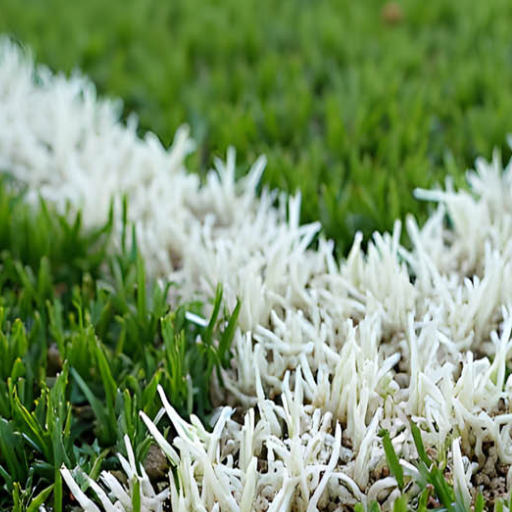
UV stabilizers find their general application wherever durability is to be provided to a material or its protection from sun damage. Keep fading away and crack with the car exterior and interior surfaces with a certain transfer of the replacement of UV stabilizers. In construction materials such as plastics, coatings, and films, UV stabilizers enable structures to have a longer life. Similarly, in textiles, UV stabilizers are applied to fabrics in order to decrease wear and retain colorability when exposed to sunlight. These are some of the indispensable applications of UV stabilizers in increasing the longevity and performance of products.
Plastics Industry: Enhancing Durability of Outdoor Products

The plastic industry got revolutionized by UV stabilizers sometime in the past, and especially so now, by giving utmost performance to outdoor products and enhancing their durability. The UV radiations act on a material and degrades it, imparting discoloration, surface brittleness, and massive mechanical strength loss. Thus, it acts as a preventive measure in plastics impregnated with UV stabilizers, which absorb harmful ultraviolet light, protecting the plastics from its harmful effects.
For instance, UV stabilization is especially advantageous for HDPE and polypropylene, which are largely employed for outdoor applications such as furniture, agricultural films, and storage containers. There have been studies showing that UV-stabilized plastics can lengthen product life by 50% or even more upon prolonged sunlight exposure under harsh conditions. Global demand for UV-stabilized plastics has increased in the past years, with the industry expected to reach a market size of over USD 8 billion by 202,8, with the increasing penetration of construction, agriculture, and automotive sectors.
Said measures assure product longevity and sustainability, hence frequent changing of the product is avoided. Giving an extended life to plastics minimizes wastage by manufacturers, thereby aiding in lowering the environmental footprint of their products. Their commitment toward quality and environmental friendliness is reflected in the use of modern UV stabilizers, especially in today’s world of plastic manufacturing.
Coatings and Paints: Protecting Surfaces from UV Damage
Actually, UV can be a potential collector of damage when combined with other degrading factors, with time fading, chalking, and structure impairment of the exposed surface. A high-performance coating or paint of UV resistance can be the last line of defense that will soak or reflect harmful rays of the ultraviolet.. Industry studies evince that the best UV protective coatings may prolong surface life as much as 50% so as to hold fast to harsh exposure. Architectural paints containing UV stabilizers, for example, ensure strong coloration on building exteriors for decades, while industrial coatings protect the metal framework from corrosion by sun exposure for long durations. The second-generation formulations of these protection systems actively contribute to conservation and reduction of maintenance costs in construction, automotive, and marine systems.
Agricultural Applications: Stabilizers for Agricultural Films
Due to exposure to sunlight, temperature variations, and chemicals, agricultural films often undergo degradation; hence, these stabilizers are highly essential for film durability and performance. Films used as greenhouse covers, mulch films, and silage wraps bear the brunt of such nano-weathering processes. UV stabilizers prevent these films from degradation due to UV radiation for prolonged periods, hence ensuring assurance of their performance. Greenhouse films, for example, that are of the utmost quality and fully stabilized can remain serviceable for five years or longer, greatly minimizing the cost of material replacement to the farmers.
As mentioned above, the stability agents in agricultural films help maintain the physical properties required in agricultural applications. Studies indicate that these stabilized films diffuse light and enhance the uniform growth of plants by decreasing shadowy areas inside greenhouses. If these films are protected through high-end stabilizer technology, then agriculture has been brought into a Darwinian phase of development; in other words, the agricultural field, through modern technologies, offers a new approach for sustainable farming. This is also a boon for environmental conservation, since improved durability means less plastic waste accumulation over time.
Automotive and Construction: Extending the Lifespan of Components
The integration of advanced stabilizer technology in automotive and construction materials has revolutionized durability standards. For automotive applications, UV stabilizers are extensively used in polymers and coatings to protect against prolonged exposure to sunlight, which can lead to fading, discoloration, and material degradation. Studies show that using UV-stabilized materials extends the lifespan of car interiors and exteriors, reducing maintenance costs by up to 30%. Similarly, in construction, stabilized plastics and coatings play a crucial role in shielding building components, such as roofing membranes and facade panels, from UV radiation and weathering. Data highlights that buildings utilizing such materials report a 20-40% improvement in structural durability over time. Furthermore, adopting these innovations minimizes material replacement frequency, contributing to reduced environmental impact by decreasing waste production and conserving resources. These advancements ensure the long-term resilience and reliability of the automotive and construction industries, aligning with sustainability goals.
Consumer Goods: Preventing Fading in Outdoor Products
Thus, it is progressing, and outdoor product manufacturers are further integrating more UV-resistant coatings and innovative blends of materials to maintain color-fading and deterioration of surfaces into more or less erosion and degradation through prolonged sun exposure. Aero-industries believe that the aegis of materials such as acrylic and solution-dyed polyester against ultraviolet rays renders products more enduring, average, 50% greater longevity than their conventional counterparts. Other advanced technologies are in nano-coating, which shields the substrate by reflecting the harmful UV radiation, hence sustaining the color performance and structural integrity of the substrate. For instance, such treatments applied to outdoor furniture and textiles retain the look of these products for a long time while exposed to bright sunlight, giving the end-user corresponding value in durable products that remain aesthetically pleasing.
Benefits of UV Light Stabilizers
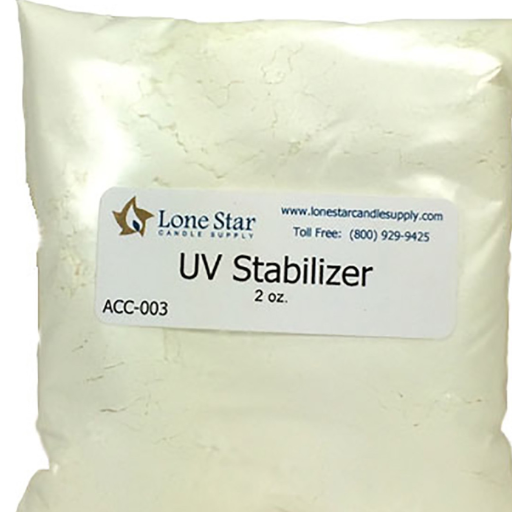
Some important advantages of UV light stabilizers are the enhancement of durability and longevity of materials exposed to sunlight. They stop the surfaces and products from fading, discoloring, and degrading under UV radiation. By minimizing the damaging effects of sunlight, the UV stabilizers maintain the structural integrity as well as the beauty of the materials so that the materials remain useful and visually pleasing over time. These UV stabilizers come in handy in outdoor applications where the exposure to sunlight is constant and intense.
Improved Weather Resistance and Durability
Weather-resistant and durable technologies have evolved over time because materials have continuously been enhanced with newer additives and treated with newer construction techniques. High-performance concrete with special additives is a good example of building materials that may increase the longevity of structures by resisting moisture penetration and freeze-thaw cycles, leading to structural degradation over time. Similarly, protective coatings like hydrophobic ones and UV-blocking finishes create an environmental barrier for outdoor surfaces while maintaining aesthetics and functionality even under lengthy exposure to harsh conditions.
Next come developments in the domains of outdoor gear and technology, focusing on improvements in durability. Gore-Tex and similar fabrics are used for manufacturing top-grade outdoor apparel and gear. They keep out rain and wind but allow the body or equipment to breathe, which greatly improves performance and use when challenged by adverse weather conditions.
The reciprocity between product life cycle and contracts was borne by various sources of investigative contemplation and assurance, erecting corrosion-resistant material,s namely stainless steel, aluminum alloys, and various composites in automotive and construction sectors, which further pushes for an extension of product life with a complementary cornucopia of maintenance costs. Such developments clearly give an impression of focused development of products and buildings that will outlast poor weather.
Reducing Field Failures and Product Returns
Reducing field failures and product returns is a critical priority for industries aiming to enhance customer satisfaction, minimize costs, and maintain a strong market reputation. Recent advancements have indicated that the integration of predictive maintenance technologies and enhanced quality control systems significantly reduces product defects. For instance, sensors embedded in industrial equipment enable real-time monitoring of performance, identifying potential issues before failure occurs. Reports show that companies adopting these techniques experience up to a 30% reduction in unexpected equipment downtime.
Additionally, the use of artificial intelligence (AI) and machine learning (ML) in testing phases allows for more accurate detection of flaws during manufacturing. These tools analyze vast datasets to simulate stress scenarios, ensuring products meet stringent quality standards. A recent analysis revealed that businesses applying AI-driven defect detection saw defect rates drop by nearly 40%, leading to lower returns and repair costs. By proactively addressing potential vulnerabilities, companies can ensure enhanced reliability, ultimately benefiting both producers and consumers alike.
Enhancing Product Lifespan and Performance
Regular upkeep is an essential factor that greatly influences the life and performance of any product. Research indicates that proper maintenance can double the lifespan of consumer devices like household appliances, at least by 50% over the lifespan of an unmaintained device; thus, early replacements become rarely needed. Cleaning air filters in AC units regularly every three months, for instance, can result in a 5-15% increase in energy efficiency. Likewise, taking care of software updates for electronic devices boosts the performance stability and lessens the risk of malfunctions considerably.
Advanced Materials for Durability
The application of state-of-the-art materials in manufacturing processes has been another important reason to increase the lifespan of products. An example of this is products produced with corrosion-resistant alloys or reinforced composites that have a life span of several years more than regular materials. This change in material use has been quite noticeable in the automotive and aerospace industries, where the strength of lightweight materials contributes to the efficiency of the products at the same time.
Energy Efficiency and Resource Optimization
Modern technology is evolving and promoting the use of energy-efficient components that not only cut down the cost of operation but also lessen the wear and tear. Reports show that energy-efficient motors and LED lights have a lifetime of about 20 years, while their conventional counterparts only have about 10 years. Therefore, it is wise to choose products with improved designs and less power consumption, as these can bring great savings and eco-friendliness in the long run.
User Behavior and Best Practices
Promoting responsible user behavior has had a major impact on product functionality over the years. For instance, non-overloading of washing machines will not lead to mechanical failure, whilst if all the other machines are followed to the letter in their operating guidelines, it will be smooth, uninterrupted operation. The adoption of such easy measures may, as reported in user surveys from different sectors, end up costing companies as much as 30% less in repairs every year.
Through these measures, both consumers and manufacturers will be able to reap the benefits of longer-lasting goods featuring stable performance, and at the same time, waste and resource consumption will be reduced.
Challenges and Considerations in UV Stabilization
The selection of the correct stabilizer for a specific application is one of the principal difficulties in UV stabilization. UV degradation resistance requires customized solutions for different materials, such as plastics, coatings, or textiles. The performance of UV stabilizers is heavily affected by environmental conditions like intensity and duration of sunlight exposure.
Moreover, the possibility of stabilizers affecting physical characteristics of the material, like flexibility, color, or durability, needs to be taken into account. Besides, the long-term effectiveness of the stabilization methods is to be assessed so as to provide reliable protection over time. The necessity for a balance between performance and cost-efficiency is critical for the realization of functional and economical requirements in diverse industries.
Choosing the Right UV Stabilizer for Applications
The selection of the right UV stabilizer necessitates a proper comprehension of the usage, the substance involved, and the surroundings that it will be subjected to. There are a variety of UV stabilizers available, each designed for particular requirements:
Hindered Amine Light Stabilizers (HALS)
HALS are radical scavengers that not only prevent the degradation of materials but also help to improve their properties. Their main application is in the field of plastics, where they provide long-lasting protection and do not interfere with the characteristics of the material. Experiments indicate that HALS can double the lifetime of the polymer exposed to sunlight in outdoor applications.
UV Absorbers
UV absorbers work by capturing the harmful UV radiation and then transforming it into harmless heat; thus, they are usually utilized in coatings, adhesives, and some plastics. One of the most effective UV absorbers is benzotriazoles and hydroxyphenyl triazines that can successfully absorb UV wavelengths from 280 to 400 nm.
Quenchers
The role of quenchers is to deactivate the excited states of molecules that have been generated by UV exposure. Quenchers are frequently used together with HALS or UV absorbers in order to provide maximum protection.
Applications Across Industries
- Plastics and Polymers: UV stabilizers like HALS and UV absorbers are crucial for packaging, auto parts, and building materials to not only prevent discoloration and cracking but also to retain their mechanical strength.
- Coatings and Paints: Top-quality UV absorbers keep the color and gloss in both industrial and decorative coatings, thus prolonging the life of the coating even in harsh conditions of sun exposure.
- Agriculture: The use of UV stabilization in the production of films, greenhouse covers, and irrigation systems increases their longevity and lowers the cost of material replacement.
Performance Data and Case Studies
Polyolefins having HALS were subjected to recent tests, and a major gain of about 40% in the reduction of tensile strength loss was noticed after a thousand hours of UV exposure. This, in turn, demonstrated the capability of these substances. In the case of the transparent coatings incorporating benzotriazole-based absorbers, the study showed that after eight months of outdoor exposure, the coatings had retained 90% of their clarity and gloss. The use of the practical applications in agricultural films proved that the UV-stabilized covers had a lifespan of 2-3 times longer than the unstabilized ones, and thus the maintenance costs were reduced.
Cost vs. Performance
The perfect stabilizer is one that provides a perfect balance between low cost and high performance requirements. Even though sophisticated stabilizers such as HALS carry a higher initial price tag, their capacity to extend the life of the materials is a factor that frequently leads to considerable long-term savings because of less frequent replacements and repairs. Industries can take advantage of the UV stabilizers the most by considering the material type, the environmental exposure, and the specific application needs, thus ensuring the product’s durability and reliability over time.
Balancing Cost-Effectiveness with Performance
Technological improvements in UV stabilizers have led to industry-friendly and efficient options as well as economical ones. Today, high-performance stabilizers like Hindered Amine Light Stabilizers (HALS) and UV absorbers come in combinations that give extreme protection even if the light is very intense. To put it in a more concrete way, modern HALS, to give an example, can increase the longevity of plastics by 50%, thus bringing in huge savings by less waste and lower maintenance costs.
Moreover, research has shown that it is possible to get a two-fold performance increase when using a combination of stabilizers, which includes HALS together with UV absorbers, as they work during both the early and long-term stages of UV exposure. All these developments are especially for the benefit of the automotive, construction, and agriculture sectors that have been under environmental stress for a long time.
The latest UV stabilizers have higher initial costs, but their long-term benefits regarding lower material failure rates and less frequent replacements express their economic value. For example, there are case studies showing that when advanced stabilizers are used correctly, the replacement cost is cut down by as much as 30%. This interplay of cost and performance allows the industries to achieve their sustainability targets while they are still on the quality and longevity path of the products.
Environmental Concerns and Sustainable Solutions
Industries all over the world have made environmental degradation their main problem, and, among the issues, plastic pollution, greenhouse gas emissions, and resource depletion have become the most important ones. As a countermeasure, several companies are choosing sustainable solutions that are as functional as the non-sustainable ones. One such example is the substitution of regular petroleum-based plastics with the biodegradable ones of polylactic acid (PLA) that have been offered as alternatives; this substitution has yielded very promising results. Recent studies have found that the production of PLA emits 80% less greenhouse gas compared to the production of conventional plastics.
Besides that, the sectors have also started using solar and wind as alternative energies along with their current sources. The data from the recent research suggests that converting to renewable energy could lead to a nearly 50% reduction in industry-related carbon emissions by 2030. Also, cutting down on water use has become an area where companies are competing for the most effective and advanced solutions with technologies like reverse osmosis and water recycling systems already achieving up to 40% in their respective industrial applications. These developments imply that going green is a way of killing two birds with one stone; the environment and businesses get to enjoy the long-term benefits measured in terms of profits, the communities, and the earth in general.
Innovations and Future Trends in UV Stabilizers
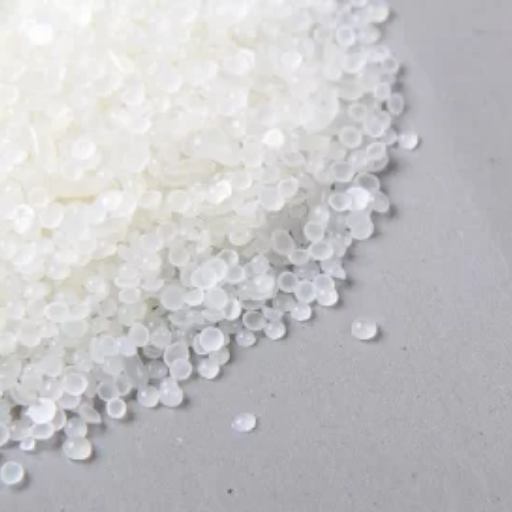
The field of UV stabilizers is evolving with innovations aimed at improving material durability and environmental compatibility. Advances include the development of non-toxic, biodegradable UV stabilizers, which reduce environmental impact without compromising performance. Additionally, nanotechnology is being explored to enhance UV stabilizer efficiency, offering better protection with smaller quantities of material. Market trends point toward increasing demand for stabilizers in industries such as automotive, construction, and packaging, driven by the need to extend product lifespans and reduce waste.
Eco-Friendly UV Stabilizers Development
The recent developments in eco-friendly UV stabilizers have been focusing on the use of natural and sustainable materials as the main source for their manufacture in a way that would meet environmental regulations and, at the same time, satisfy consumer demands. One such case is the acceptance of bio-based alternatives made from renewable resources like lignin and plant-based polyphenols, whose market is steadily increasing because of their capacity to lessen the dependence on petroleum. The research confirms that the performance of these bio-based stabilizers would be equal to that of the synthetic option, but at the same time, they would be in line with global sustainability objectives.
On top of that, the eco-friendly UV stabilizer market is said to expand at a compound annual growth rate (CAGR) of around 6% during the period of 2023-2030. One of the reasons for this growth is the increased use of these stabilizers in the automotive sector, where maintaining the color and strength of materials through stabilization is very important, and in packaging, where long-lasting protection against UV-induced degradation is a must. The automotive industry is expected to have the highest demand for UV additives, and subsequently, this would result in a considerable share of the overall market, due to the increasing attention given to durability and maintenance cost reduction.
In addition, one more innovation is the development of smart UV stabilizers, which will adjust their operation according to the environmental changes, thus leading to better efficiency and less material wastage. These developments mark the relationship that exists between sustainability and state-of-the-art technology, and this will enable the industries to gradually meet their ecological and commercial needs simultaneously.
Advances in Formulations for Enhanced Efficiency
Recent developments in formulations have demonstrated notable progress in the direction of higher efficiency across different applications. One such development is the use of nanotechnology, which in turn has enabled the creation of highly accurate and efficient stabilizer systems, thus giving an edge in product longevity and performance. Research suggests that the application of nanomaterials in coatings can lead to the enhancement of UV resistance by as much as 30%, thereby reducing environmental damage and prolonging the life of the product.
Moreover, the modification of polymeric formulations has been one of the great advances in the production of plastics that are durable and light at the same time. Such formulations are very influential in the automotive and construction sectors because these areas are always looking for weight reduction along with strength in their new products. Industry experts say that the application of cutting-edge polymers can result in a weight reduction of about 25% for the entire material; hence, the practices of transporting and manufacturing would consume less energy and thus, cause less carbon emission.
Another significant progress is bio-based additives, which are becoming widely accepted in place of synthetic ones. Furthermore, these bio-based formulations not only provide the same or better performance metrics but also aid the sustainability movement by using renewable resources. The indicators arising from market reports are revealing that the use of bio-based additives is increasing more than 10% per year, which is a clear indication of the strong trend towards eco-friendly solutions in different sectors.
These advancements are the reason why different sectors are still investing in research in the fields of chemistry and material science to meet the efficiency demands while taking into account the environment.
Integration with Recycled Materials
The combination of bio-based additives and recycled materials is getting a lot of attention as a major step towards sustainable development. Recent studies reveal that by mingling recycled materials, especially post-consumer plastics, with bio-based additives, it would be possible to improve the product’s quality and durability, plus at the same time cutting down the usage of virgin resources. One case could be the research in polymer application, which indicates that the strength and flexibility of packaging materials have been raised from 10% to 20% just by using certain bio-based additives with recycled polyethylene. Another significant breakthrough is the combination of using recycled glass and bio-resins to produce lightweight but high-strength composites, thereby gaining more and more acceptance in the construction and automotive sectors. These innovations not only point to the fact that by making use of different sources for sustainable materials one can attain both performance and environmental benchmarks, but also provide a direct way towards the circular economy.
Reference Sources
PubMed Central (PMC): This is a highly reputable archive of biomedical and life sciences journal literature from the U.S. National Institutes of Health’s National Library of Medicine.
Reference: “Antimicrobial properties of hindered amine light stabilizers in polymer coating materials and their mechanism of action – PMC” (Antimicrobial Properties of Hindered Amine Light Stabilizers in Polymer Coating Materials and Their Mechanism of Action – PMC, n.d.)
Relevance: This article delves into the mechanism of action of Hindered Amine Light Stabilizers (HALS), including their chemical structure and how they restrict UV penetration and delay degradation by photo-oxidation. It also explores their antimicrobial properties, which adds a layer of detail to the understanding of HALS.
PubMed Central (PMC): Another relevant article from the same authoritative source.
Reference: “Effects of UV Stabilizers on Polypropylene Outdoors – PMC” (Effects of UV Stabilizers on Polypropylene Outdoors – PMC, n.d.)
Relevance: This paper specifically investigates the effectiveness of HALS and nano ZnO as UV stabilizers in polypropylene films exposed to outdoor conditions. It provides concrete examples of how UV stabilizers improve UV resistance, tensile behavior, and thermal stability, offering empirical data to support claims about enhanced durability.
Discover the Best Tinuvin 770 & HALS 770 & Light Stabilizer 770 Manufacturers from China
Frequently Asked Questions (FAQs)
What are UV light stabilizers, and why are they used?
UV light stabilizers are additives designed to protect plastic products and polymers from the damaging effects of UV radiation. They work by absorbing UV energy and dissipating it as harmless heat, thus preventing the degradation of materials that are exposed to UV light over time.
How do UV stabilizers for polymers enhance durability?
UV stabilizers enhance the durability of polymers by providing protection against UV degradation. By absorbing and dissipating UV radiation, these additives prevent the breakdown of chemical bonds within the polymer matrix, thereby extending the lifespan of plastic products exposed to sunlight.
What are the different types of light stabilizers?
There are many types of light stabilizers, including UV absorbers and hindered amine light stabilizers (HALS). Each type serves a unique purpose; UV absorbers primarily absorb UV radiation, while HALS help in preventing the degradation of polymers by scavenging free radicals generated by UV exposure.
How do UV absorbers and stabilizers work together?
UV absorbers and stabilizers work together to provide comprehensive UV protection. While UV absorbers primarily focus on absorbing UV radiation, stabilizers play a crucial role by enhancing the resistance to UV damage, ensuring that plastic products maintain their physical properties over time.
What are the effects of UV radiation on plastic products?
The effects of UV radiation on plastic products can be severe, leading to discoloration, brittleness, and loss of mechanical properties. Without adequate protection, materials exposed to UV light can experience accelerated degradation, ultimately compromising their functionality and appearance.
What additives are commonly used for UV protection?
Common additives for UV protection include UV stabilizers, absorbers, and antioxidants. These additives are formulated to enhance the resistance of polymers to UV radiation, providing a barrier against the damaging effects of UV light and extending the service life of plastic products.
How are stabilizer masterbatches utilized in plastics?
Stabilizer masterbatches are concentrated mixtures of stabilizers that are incorporated into plastic formulations. These masterbatches ensure an even distribution of UV stabilizers throughout the polymer matrix, providing enhanced UV protection and improving the overall performance of the final plastic product.
Why is it important to absorb UV radiation in polymer applications?
Absorbing UV radiation in polymer applications is crucial to prevent the degradation of materials that can lead to product failure. By using additives that absorb UV, manufacturers can significantly enhance the durability and appearance of their plastic products, ensuring they withstand prolonged exposure to sunlight.
What should manufacturers know about UV stabilizers?
Manufacturers should understand that UV stabilizers are essential for protecting polymers from UV radiation. By selecting the appropriate types of light stabilizers and incorporating them effectively into their products, they can significantly enhance the longevity and performance of their plastic materials.