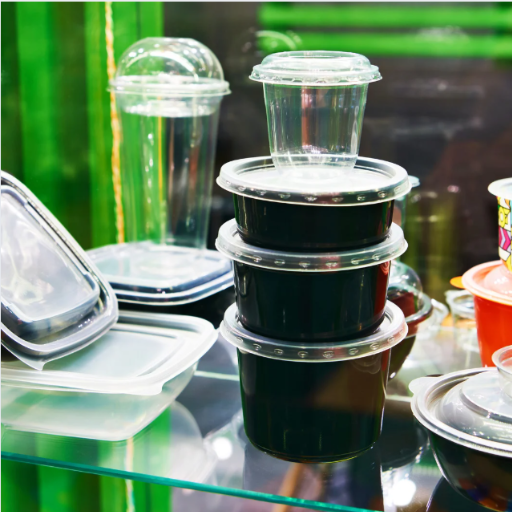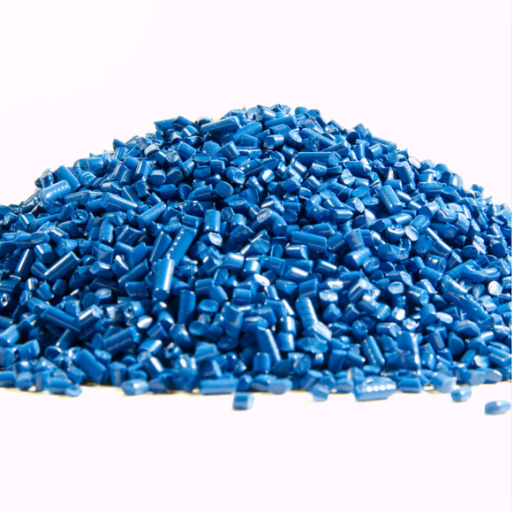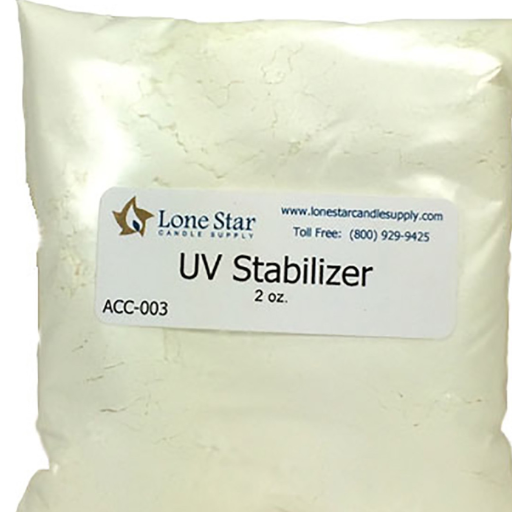

Plastics and polymers are probably amongst the most prominent materials in a myriad of industries that range from packaging to construction, automotive, and consumer goods. Ironically, UV radiation slowly does its work in aging these materials, and the resultant damages are discoloration, cracking, and loss of mechanical constitution. The UV stabilizers essentially add in extension in life and enhance of performance of plastics and polymers by protecting them against UV light. Here, we will describe the different kinds of UV stabilizers, methods for UV degradation resistance, and the stability and appearance of polymeric materials with such substances. If you are a material scientist or product developer, or want to know about the preservation of plastics for times, this brings some light onto the protective agent.
Introduction to Light Stabilizers
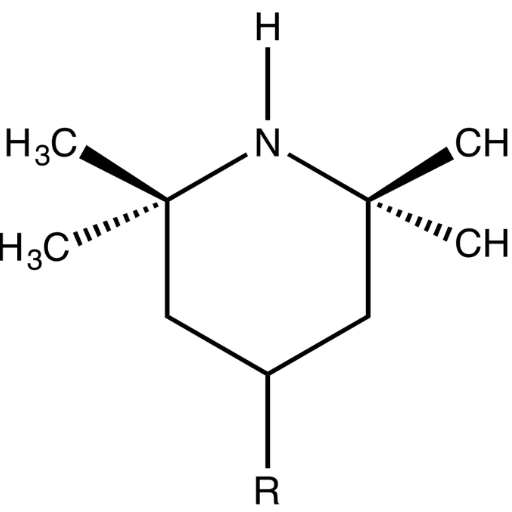
These light stabilizing substances are additives that protect polymer materials from degradation caused by exposure to radiation from the ultraviolet (UV) region of the electromagnetic spectrum. Motorists prevent degradation by absorbing UV radiation and dissipating the energy as heat or by preventing the chemical reactions that cause the degradation of the material. Some common kinds of light stabilizers are UV absorbers, hindered amine light stabilizers (HALS), and quenchers, each providing efficient protection depending on the application. In very simple terms, when light stabilizers are incorporated into polymers, the polymeric products can retain their physical properties, appearance, and thus, life even under intense sunlight.
Overview of Light Stabilizers
Light stabilizers were designed to protect polymers against UV radiation in various industries. Among the most employed are UV absorbers, which absorb UV radiation at certain wavelengths and convert it into heat to prevent the degradation of polymers. These are mainly useful as outdoor treatments, such as for agricultural films and automotive coatings.
Another important class of stabilizers is HALS. These do not directly absorb UV radiation; rather, they trap free radicals that are generated during the degradation process and effectively block the chain reaction that leads to the degradation of polymers. HALS are known for their long-term protection and are extensively used in construction materials, packaging, and outdoor furniture applications.
Quenchers operate by deactivating the excited states of molecules formed due to UV exposure, thereby preventing degradation. Although less common in comparison with UV absorbers and HALS, quenchers may often be employed in niche applications wherein additional stabilization may provide an advantage.
Key Insight: The use of a combination of stabilizers has been found to improve the lifetime of polymeric materials drastically. For instance, research has shown that the use of HALS along with UV absorbers prolongs the service life of automotive coatings by 30%, with associated savings in maintenance and replacement. This opens doors to the production of more durable and sustainable polymer-based products for several applications.
Importance of Protecting Plastic Products
Plastic products for packaging, construction, automotive, and medical technologies are integral to innumerable usages. These materials remain subject to degradation upon exposure to solar radiation-for instance, heat and oxidation-and can discolor, crack, or lose mechanical properties. Stabilizers, therefore, such as hindered amine light stabilizers (HALS) and UV absorbers, are provided to tackle these issues.
In the newest developments in polymer stabilization, highly efficient additive systems have been employed to lengthen the life cycles of products drastically. Modern HALS, in particular, are capable of reducing the rate of photodegradation by almost 50% under heavy UV exposures. Moreover, applications of UV absorbers in polymer films and coatings help in reducing sunlight resistance and also retain optical clarity latter being the key characteristic in applications such as greenhouse films or transparent packaging.
The industry data suggests how these stabilizers, if combined with nanomaterials such as nanoparticles of titanium dioxide, might boost the outdoor durability of plastics by an additional 40%. This makes it synergistic in achieving improved levels of performance and waste reduction by extending the life of the plastic item, thus directly affecting the sustainability agenda.
What Are Light Stabilizers?
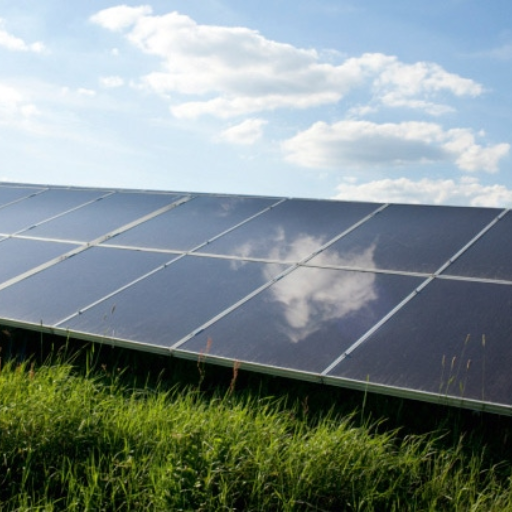
Light stabilizers are substances built into the polymer during manufacture in order to prevent degradation from ultraviolet ray exposure. These light stabilizers absorb or block UV radiation to destructive decomposition of the material structure over time. This helps to preserve the mechanical strength, color, appearance, and impact of the plastic, especially under outdoor exposure. Some common types of light stabilizers are UV absorbers and hindered amine light stabilizers (HALS), the former being specific to certain environmental conditions and materials.
Definition and Role in Polymer Protection
Innovations in light stabilization technology have up-scaled the efficiency and the versatility in polymer protection. Contemporary UV absorbers, therefore, are supposed to operate in longer wavelengths of UV light and thus provide better protection for materials subjected to extreme sunlight over a long time stretch. Likewise, hindered amine light stabilizers (HALS) face developments that enhance their ability to scavenge free radicals generated during photodegradation, thus further protecting polymers from degradation with time.
Some experts say that light stabilizers can almost double the life span of a plastic in high-exposure environments. The stability here allows for the outdoor polypropylene furniture to retain color brightness and good mechanical properties for more than 8 years, versus 2 years for the unstabilized ones. Also, light stabilizers are increasingly being designed for special applications such as packaging, automotive, and construction applications, all of which require unique performance criteria and varying environmental demands.
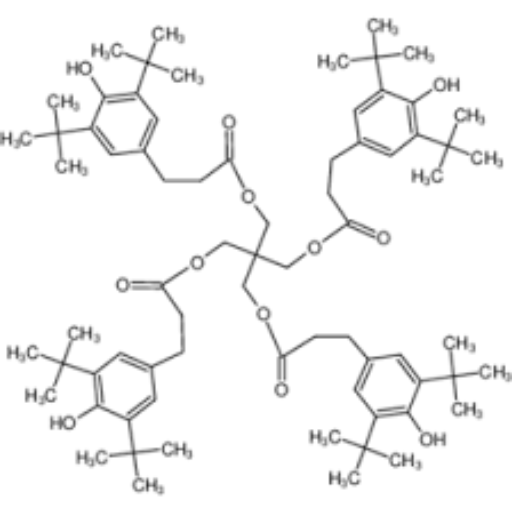
![[REFRESH] Irgafos 168: Uses, Benefits & Specifications](https://welltchemicals.com/wp-content/uploads/2024/01/0-1.webp)
With innovative chemical formulations and application techniques continuously evolving, the importance of light stabilizers in developing durable and sustainable polymer-based products remains ever so evident.
Mechanism of Action Against UV Degradation
Light stabilizers, therefore, protect polymers from ultraviolet degradation under a combined approach of absorption, dispersion, and neutralization. Ultraviolet rays from sunlight carry enough energy to some extent, breaking down chemical bonds in polymer chains, resulting in discoloration and embrittlement along with loss of mechanical properties. Thus, to neutralize such an effect, the light stabilizers can be broadly categorized into two types, namely UV absorbers and HALS.
UV Absorbers absorb ‘bad’ UV radiation and, in return, convert it to heat energy, which gets dissipated into the surroundings without causing any harm. Some common UV absorbers are benzophenones and benzotriazoles that protect in the wavelength range 290–400 nm. Recent studies report that certain advanced formulations of UV absorbers can indeed reduce photodegradation in some plastics by over 90%, thereby extending the service life and practical application thereof.
By way of explanation, HALS are operational by scavenging free radicals generated in photooxidation. HALS are not UV absorbers; instead, they act as surface protectants, preventing the termination of the degradation chain reaction. In fact, some data tend to show that HALS allow polymers to retain more than 95% of tensile strength and color stability for more than five years of outdoor exposure.
By combining these mechanisms, modern light stabilizers thus offer tailor-made protection to materials sitting out in sunlight for days, thereby drastically enhancing their durability and resistance to environmental attacks. This makes their presence essential in the automotive coating field for outdoor furniture and construction materials for performance and sustainability.
Benefits of Using Light Stabilizers
Light stabilizers bring about many benefits for the materials exposed to the light of the sun and harsh environmental conditions. These additives work against the damage caused by ultraviolet (UV) radiation and include UV absorbers and hindered amine light stabilizers (HALS). Research has proven that the use of HALS can extend the service life of polymers by as much as 300%, giving ample coverage against materials’ degradation through time.
Performance Benefits
- In automotive finishes, the light stabilizers make sure that coatings will keep their gloss and color for about ten years while exposed to the sun continuously.
- UV stabilizers protect outdoor furniture and construction materials from fading, cracking, and breaking, and their application will, therefore, lessen maintenance costs incurred up to 40% in 5 years.
- These merits of quality and durability, meanwhile, sustain the environment through a decrease in replacement rate and materials waste.
Through this course of events, more light stabilizers can be formulated for highly customized applications in accordance with the requirements of various industries, whether it be exposure to harsh climatic conditions or to UV for long periods.
Types of UV Stabilizers
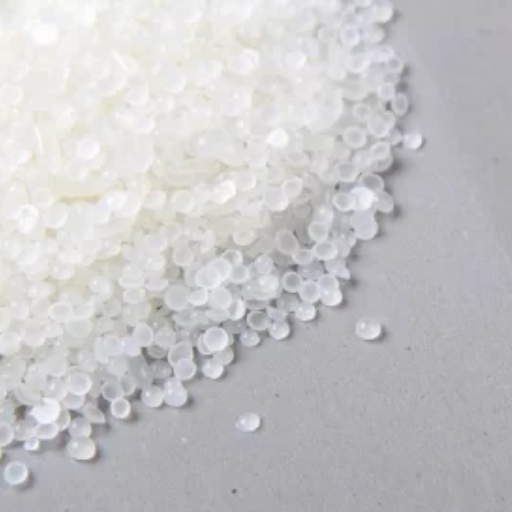
UV stabilizers are broadly categorized into the following types:
| Type | Description |
|---|---|
| UV Absorbers (UVA) | These stabilizers absorb ultraviolet radiation harmful to the materials and transform it into less harmful heat; thereby, preventing material degradation due to UV. |
| Hindered Amine Light Stabilizers (HALS) | HALS inhibit the polymer degradation by disrupting free radical formation in the course of UV exposure; thus, they provide protection over a long period. |
| Quenchers | They dissipate the energy of excited states formed upon UV radiation, preventing the destabilization of materials. |
| Combination Stabilizers | Combining different mechanisms of stabilization, these formulations offer better and balanced protection against harsh environments. |
Each type of stabilizer is meant for certain applications to retain durability so as to extend the life of materials exposed to sunlight.
1. UV Absorbers (UVA)
In layman’s terms, UV absorbers are simply those chemicals that absorb ultraviolet rays and thereby mitigate their effect on materials. These stabilizers prevent the initiation of any degradation process by absorbing UV light and converting it into harmless heat. Today’s UV absorbers, therefore, are generally made from chemicals such as benzotriazoles, triazines, and benzophenones, which have great absorption traits in the UV range, especially from 290-400 nm.
There is a high absorption efficiency and thermally stable UV absorber based on benzotriazoles for use in coatings and plastics. Apart from that, it has been studied that the use of UV absorbers improves the lifespan of polymers in outdoor applications by about 30% to 50%, depending on the application. Furthermore, advancements in nanoscale UV absorbers with zinc oxide or titanium dioxide nanoparticles improved the transparency and dispersibility of coatings, all the while providing tough UV protection.
More recently, these advancements have been benefiting UV absorbers in meeting increasing requirements for durability and long-term performance of materials, especially automotive finishes, construction materials, and outdoor furniture. Choosing the correct UV absorber involves a compromise among performance, cost, and environmental considerations and is, hence, the center of the UV stabilization strategies.
2. Hindered Amine Light Stabilizers (HALS)

HALS, with their very efficacy, shall protect polymers from degradation during prolonged exposure to sunlight and oxygen. Halss work differently from UV absorbers. While UV absorbers absorb harmful radiation, HALS scavengers free radicals generated in the photo-oxidative process. Such free radicals are extremely unstable and are potential culprits leading to polymer macromolecular fragmentation, discoloration, and loss of mechanical properties if allowed to persist.
HALS are most effective in applications concerning plastics, coatings, and fibers because of the need for long-term durability. It has been observed that the incorporation of HALS in polymer systems seemingly lets the material survive for several more years, relative to environmental conditions. A reduction in crack formation in polyethylene products was reported to occur by about 50% under severe UV exposure through the action of HALS. Newer generations of HALS even allow the use of these stabilizers in more aggressive applications, like automotive parts, outdoor furniture, and agricultural films.
Advantage: The benefit of HALS is also that they display much compatibility with many other types of stabilizers, letting formulators build multifunctional additive packages according to the requirement. We greatly depend on HALS to protect polymers from light-induced degradation, thereby reducing maintenance costs, improving the recyclability of the material, and achieving sustainable performance for various industries.
3. Combination Systems
Combination systems employ synergies between different stabilizers, such as HALS, UV absorbers, and antioxidants, to bolster stabilization of the polymers and prolong service life. Given the great variability in destabilizing factors in polymeric materials, multiple stabilizers are needed to address these factors and optimize performance under demanding conditions.
An example of a very common pairing used in current applications includes HALS and UV absorbers. HALS by themselves inhibit polymer degradation caused by free radicals to a greater extent, whereas UV absorbers supplement their action by preventing UV light absorption by the material. Such systems have been demonstrated to improve polymer resistance under intense sunlight and high-temperature conditions, mainly encountered outdoors.
It is shown that such combination systems prove very effective in the construction and agricultural sectors. In agricultural films, for example, HALS and UV absorbers impart stability that enhances the films’ lifetimes, thereby lessening the burden of frequent replacements and waste on Earth. Likewise, automotive paints having combination systems are more resistant to color fading and cracking and thereby retain optimum aesthetic and structural integrity for a longer duration.
With the advancement in combination systems, there is a paradigm shift in materials science toward sustainable solutions that evolve and adjust to industrial demands without putting a strain on the environment.
Factors to Consider When Choosing a Light Stabilizer
| Factor | Consideration |
|---|---|
| Type of Polymer | Select a light stabilizer that is compatible with the specific polymer material in use for optimum performance. |
| Environmental Conditions | This stabilizer will never get to have any durability from exposure to UV radiation, heat, or humidity. |
| Application Requirement | Depending upon the end-use application, the choice of light stabilizer may vary; for example, one can specify outdoor durability for coatings and weather-resistance for plastics. |
| Performance Longevity | Another very important factor is the long-term stability of the light stabilizer, so that the maximum decrease in the degradation of the property of a material is brought forth with time. |
| Legislation | It should be ensured that a light stabilizer conforms to all safeguarding and environmental standards of the respective industries and regions. |
A good solution for your needs should look into trade-offs in performance benefits or any other factor involving the price of the item.
Material Type and Compatibility
A light stabilizer differs in its efficiency depending on its compatibility with the polymer type or what material being treated or processed. Polypropylene and polyethylene undergo degradation when exposed to sunlight and especially need some UV protection in outdoor applications. It has been observed that hindered amine light stabilizers (HALS) act particularly well with these materials as they provide long-term protection by scavenging free radicals.
UV absorbers are considered to offer the best protection to polycarbonate and acrylics and thus help in yellowing reduction and maintain optical clarity. Data shows that these stabilizers provide an extraordinary reduction in damage brought forth by UV, thereby increasing the lifespan of products when exposed to continuous sunlight.
Ensuring compatibility also includes the potential of interaction between stabilizers with additives already present in the formulation. Research and testing show that some stabilizer-additive systems could affect processing stability, which needs to be considered during material selection. After proper adjustment of the stabilizer to the exact polymer characteristics and requirements of the particular application, manufacturers can play their part in obtaining the product with optimum performance and durability.
Environmental Exposure and Conditions
Environmental exposure and conditions are of crucial importance as regards the extent of permanence and suitability of the polymer material. In this respect, UV rays, humidity, temperature changes, and the presence of chemicals are some factors that may significantly alter the properties of a material with the passage of time. For example, photo-degradation upon prolonged exposure to UV rays causes discoloration, cracking of the surface, and reduction of mechanical strength. There are also some reports that in a higher humidity environment, polymer materials may undergo moisture absorption, swelling, or a change in dimensional stability, especially hydrophilic polymers. Temperature extremes, both high and low, in adulation or low on thermal stress, mark an age of course set on mod functionality in some applications.
Key Data Points
- UV stabilizers in polymers can increase product life under sunlight exposure in the range of 50-70%, depending upon the formulation used.
- Anti-oxidants impart to polymers improved thermal stability under variable temperature conditions.
- Special barrier coatings increased the moisture retention capacities by as much as 30% and therefore created resistance in the humid atmosphere.
Taking these environmental conditions into consideration during the design and production phase will ensure that the ultimate product will perform as expected and maintain structural integrity under varying operating conditions.
Performance Requirements and Cost Considerations
While performance criteria are in place, one may find it necessary to consider strength, adaptability to environmental conditions, and operational life. For instance, there has been a need for materials used in high-stress applications to have tensile strengths in excess of 50 MPa, depending on the standards of the industries. At the same time, consideration should be made for durability against local harsh weather conditions, which could include long-term exposure to UV, high extremes of temperature-almost to 250°F, or very low extremes, close to -40°F.
Cost considerations often have to weigh high-performance materials versus budget constraints. Thus, such composites or polymers can increase the service life of products by 40%, making replacements less frequent, while also raising initial production costs by some 20-30%. However, scalable manufacturing processes that enable automation or precision molding can help reduce these costs while maintaining quality. Out-of-this-world hybrid compounds may float in the minds of designers, but this is a reality for engineers. Hence, a trade-off between performance and cost must take center stage to arrive at a market-ready product that does not alienate the consumer on the basis of poor user experience.
Innovations in Light Stabilizer Technology
The use of light stabilizer technology is now geared toward being productive under prolonged UV stress to undergo their own degradation pathway. Newly synthesized UV absorbers and HALS hinder photodegradation while still not affecting the parent polymer physically. Other recent developments include nanotechnology-based stabilizers that can disperse better and offer stronger protection at very low concentrations. These new propositional developments are designed to extend product life, consequently lower maintenance, and ensure uniform performance in various applications, including automotive parts and outdoor construction materials.
Recent Advancements in UV Absorbers
Massive technological breakthroughs in UV absorbers have ensured their efficiency and extended industrial applications. For instance, special organic UV absorbers such as benzotriazole and triazine derivatives are being tailored for improved thermal stability and wider polymer compatibility. These compounds are highly efficient in absorbing UV rays and are now being used in automotive coatings, textiles, and electronic components.
Also, hybrid materials combining organic with inorganic content are increasingly becoming popular. For nanoparticles of zinc oxide or titanium dioxide-based UV absorbers, one witnesses broader spectral coverage and lower photodegradation with time. Studies suggest that nano-scale UV absorbers can block harmful UV radiation with about 30% greater efficiency than the traditional ones while preserving the clarity and transparency of materials such as plastics and glass.
These days, UV stabilization technologies include employing intelligent materials capable of changing their UV absorption characteristics when exposed to environmental stimuli. This technology promises energy savings and has been contemplated for applications in smart windows and adaptive coatings. These innovations are geared toward improving product life and performance while, in the true spirit of sustainability, helping to put less waste into landfills and reducing agitation in material degradation.
Development of Eco-Friendly Stabilizers
The development of eco-friendly stabilizers is moving at a gallop, with industrial sectors being more and more inclined to sustainability and environmental protection. These stabilizers are supposed to reduce the ecological footprint by employing non-toxic, biodegradable, and renewable materials. For instance, bio-stabilizers coming from natural sources like vegetable oils, starches, and lignin are mounting as alternatives to conventional synthetic options.
Research studies report that the global market of environment-friendly stabilizers is currently undergoing substantial growth due to the upscaling demand from sectors like packaging, construction, and automotive. CaZn stabilizers represent one such novel development, providing a safer and more sustainable alternative to the conventional lead-based stabilizers-they function equally well without the presence of toxic heavy metals. The data highlights that the replacement with these alternatives has massively decreased the production of greenhouse gases and hazardous gaseous wastes in all manufacturing sectors.
On the other hand, developments in nanotechnology have allowed the development of stabilizers that impart better performance to materials with a limited impact on the environment. Nanoparticles such as titanium dioxide (TiO2) or clay nanoplatelets may be used in polymers to develop resistance to UV rays and thermal stability. From the technical point of view, the implementation of green stabilizers would be a step forward towards the industrial processes with the worldwide goals of sustainability and climate action.
Industry Trends and Future Outlook
It becomes a matter of transition toward sustainability and creative development in the polymer stabilization industry. Developments have been in favor of a greater utilization of bio-based stabilizers from renewable resources, such as antioxidants derived from natural products, with examples being tocopherols and lignin. These developments serve the downside of non-toxic and biodegradable options that reduce the environmental impact of polymer manufacture.
Other key developments in the market supporting the surge in demand for polymer stabilizers are the packaging and automotive industries, wherein materials need to soak under intense temperature conditions and come out intact. As per market reports, the polymer stabilization market shall reach approximately $9.3 billion by 2027, growing at a CAGR of 4.5% between 2022 and 2027. This growth leads toward higher environmental regulation awareness, escalating the use of sustainable materials.
Besides that, nanotechnology innovations will also define the future of polymer stabilizers. Graphene oxide is an example of an advanced nanomaterial that has come into use through advanced research, contributing to enhanced mechanical properties, thermal stability, and chemical resistance. Such enhancements target industries engaged with high-performance materials for demanding applications from aerospace engineering to medical devices.
The future of polymer stabilization will be at the interface between sustainability and performance. Stabilizer formulations adhering to circular economy principles like recycling and reuse of polymers are getting increased demand from industries these days. It will, through continuous research and development, transform itself to not only sustain pace with global sustainability initiatives but also to cater to the emerging demands of contemporary applications.
Common Applications of Light Stabilizers
Light stabilizers impart the features of durability and longevity to plastics in packaging and automotive uses. One major use in the packaging industry is the prevention of UV degradation of plastic films so that polyethylene and polypropylene can remain steadfast in their structure and appearance under long periods of exposure to sunlight. The food packaging domain benefits highly from these stabilizers as they help maintain the protective characteristics of the materials while extending shelf life.
The need for light stabilizers to protect the constitution in the automotive industry has always been necessary due to the problems of degradation or distortion of plastic components like dashboards, bumpers, and trims. These ultraviolet radiations, apart from heat, fade, discolor, and crack the surfaces exposed to them. Advanced light stabilizer technologies try to prevent fading and discoloration, so that vehicles remain of good quality and look nice with time. The world demand for light stabilizers for automotive plastics was forecast to grow at a CAGR of approximately 5.7% between 2023 and 2030, as ease in vehicle production and emphasis on lightweight materials for fuel efficiency continue.
These advancements focus on creating innovations in light stabilization technologies to cater to the upgrading needs of the industry while being conscious of environmental sustainability.
Coatings for Paints and Protective Layers
Coatings for paints and protective layers serve an important function in durability, aesthetic value, and resistance to environmental effects like UV rays, moisture, and corrosion. Such coatings are formulated with advanced additives to enhance the performance; at the same time, during the formulation stage, sustainability issues are also considered. Thus, the coatings provide serious benefits like extended lifespan of materials, reducing maintenance costs, and saving energy due to reflectance.
Use in Agricultural Films and Textiles
Such coatings provide agricultural films and textiles with enhanced functionality and durability under various atmospheric conditions. Usually, most modern agricultural films, e.g., mulch films, greenhouse covers, or silage wraps, are made with some kind of UV-resistant additives to ensure minimum sun damage and maximum life. For example, some of the greenhouse films are said to have an approximate life period of 3-5 years, retaining structural integrity along with light transmission so as not to undergo frequent replacements and thus being economical from an operational point of view
Reference Sources
1. PubMed Central (PMC)
Article: Photodegradation and Photostabilization of Polymers, Especially Polystyrene: Review – PMC
Website: https://www.ncbi.nlm.nih.gov/pmc/
Why it’s authoritative: PubMed Central is a free full-text archive of biomedical and life sciences journal literature at the U.S. National Institutes of Health’s National Library of Medicine (NIH/NLM). It hosts a vast collection of peer-reviewed articles, including many relevant to materials science and polymer degradation.
Relevance to your article: The review article “Photodegradation and photostabilization of polymers, especially polystyrene: review” is an excellent resource. It comprehensively covers the mechanisms of polymer photodegradation and various methods of photostabilization, including different types of stabilizers. This review provides a strong foundation for understanding the fundamental principles discussed in your article.
2. Frontiers in Chemistry / Materials Science
Article: Antimicrobial Properties of Hindered Amine Light Stabilizers in Polymer Coating Materials and Their Mechanism of Action
Website: https://www.frontiersin.org/
Why it’s authoritative: Frontiers is a leading open-access publisher of peer-reviewed research across a wide array of academic disciplines, including chemistry and materials science. Their articles undergo rigorous peer review, ensuring scientific accuracy and quality.
Relevance to your article: The article “Antimicrobial properties of hindered amine light stabilizers in polymer coating materials and their mechanism of action” directly discusses UV absorbers and Hindered Amine Light Stabilizers (HALS), their mechanisms, and applications in polymer coatings. This provides specific, up-to-date information on two key types of light stabilizers.
3. Discover the Best Tinuvin 770 & HALS 770 & Light Stabilizer 770 Manufacturers from China
This resource provides industry-specific information about HALS products and manufacturers, offering practical insights into commercial applications of light stabilizers.
Frequently Asked Questions (FAQs)
Types of UV stabilizers?
The types of UV stabilizing chemicals include UV absorbers, hindered amine light stabilizers (HALS), and thermal stabilizers. Basically, the system’s function aims to protect polymer materials from UV degradation and to provide a certain degree of UV resistance that imparts longevity to plastic products when exposed to UV.
How do light stabilizers and UV absorbers work?
These stabilizers soak up UV energy and then transform it into harmless heat energy, preventing any UV damage to the polymers. Acting as barriers to UV radiation, UV stabilizers maintain the good quality of plastic articles and prolong the aging life of the materials when they are exposed to light.
Why do we put stabilizers in polymers?
Depending on the purpose, stabilizers are then in polymers so as to provide ultraviolet radiation that destroys them, to reduce the weakening effect of ultraviolet radiation, or to provide an overall increase in performance. The selection of different stabilizers depends on the requirements of the engineering plastic as it is to be used.
What does the selection of light stabilizers depend on?
The selection of light stabilizers depends on the polymer type expected to face UV radiation and the desired lifetime of the product. Effective stabilizers greatly improve the UV stability of the plastic products exposed to different environmental conditions.
Can you tell me something about the effects of UV radiation on plastics?
These effects of UV radiation on a plastic material are discoloration, loss of mechanical strength, and embrittlement. Since the exposure to UV radiation continues on causing an irreversible change, the use of UV stabilizers is hence necessary for protecting polymers from harmful effects.
What is the function of hindered amine light stabilizers?
Free radical degradation of plastics caused by UV rays is hindered by the action of aminic light stabilizers. To that extent, they inhibit degradation processes and thereby impart longevity to a plastic article.
How do you decide on the proper UV stabilizer in a specific application?
When it comes to choosing a UV stabilizer, factors such as the lamps for exposure, the polymer used, the product environment, and the level of protection against UV radiation desired need to be considered. Considering these parameters shall allow decisions to be taken about the most efficacious stabilizers that should be used.
What is the effect of artificial light on the stability of a polymer?
Artificial light might also emit UV rays that affect polymer stability. Artificial light types may also suggest plastic product depletion after a period, thus requiring an efficient light stabilizer to neutralize these effects and to keep the materials intact.
How do light stabilizers work with different polymers?
Light stabilizers are developed to help polymers resist UV radiation better. They are formulated according to the polymer’s specific traits so that the light stabilizers shall be of real protection, thereby increasing durability and quality of plastic products.
Summary
UV stabilizers play a crucial role in extending the life and performance of plastics and polymers across various industries. From UV absorbers to HALS and combination systems, each type of stabilizer offers unique protection mechanisms tailored to specific applications and environmental conditions. As technology advances, eco-friendly and nanotechnology-based stabilizers are emerging to meet sustainability goals while maintaining superior performance. Understanding the proper selection criteria and applications of these stabilizers is essential for manufacturers and product developers seeking to create durable, high-quality polymer products that withstand the test of time and environmental challenges.