
Plastics are essential to various industries, from packaging to construction, to automotive and consumer goods. However, prolonged exposure to ultraviolet (UV) radiation affects these plastics and causes them to degrade through various processes such as discoloration and loss of mechanical properties, eventually shortening their life. Here comes the role of the UV stabilizer masterbatch, an advanced resin-based solution that acts as a sun screen for plastic materials in sunlight to enhance their life and performance. This article will discuss the science behind UV stabilizers, their applications, and how they help industries employing plastics. A manufacturer, designer, or even an industry professional can benefit greatly by understanding UV stabilizer masterbatch because this could give them the ability to ensure appreciation for their plastic products that are long-lasting and well-designed. UV stabilizing masterbatch is a concentrated mixture of UV stabilizers capable of working toward enhancing the UV resistance of plastic materials against UV radiation. Through prolonged exposure to sunlight, UV mastercache can degrade plastics by altering the color, strength, and physical integrity of the plastic materials. In outdoor applications, they are used, among others, for agricultural films, packaging, and construction materials, thereby keeping the products durable and functional through time. UV masterbatch is of paramount importance for enhancing the properties of plastic materials subjected to the sun and the outdoor environment. It has various uses. In agriculture, UV masterbatch is used extensively in greenhouse films to safeguard crops from excess UV radiation as well as allow for the film to hold its structural integrity over lengthy periods. In a similar manner, in packaging, UV masterbatch protects plastic products from fading and loss of quality due to prolonged periods of sunlight exposure. Modern-day UV masterbatches, depending on concentration and formulation, can extend the life of plastics up to 50%. Some advanced formulations also bear antioxidants to complement the UV resistance by stopping oxidative degradation of the materials. For roofing sheets, outdoor furniture, and other products in the construction sector, UV masterbatch is a name synonymous with long-term durability against weathering. The recent advances in UV stabilizer technology have witnessed the creation of more sustainable and eco-friendly options, such as UV masterbatches from biodegradable polymers or recyclable additives. This reflects an attempt to align with worldwide efforts to reduce the impact of plastic waste on the environment much less. So on the whole, UV masterbatch continues to remain an indispensable mode for acting on improvements in the basic functionality and functional life of plastic materials across a plethora of critical applications. UV Masterbatch is a concentrated formulation of additives, primarily designed to protect plastic materials from degradation caused by ultraviolet (UV) radiation. It is incorporated into the plastic during manufacturing to enhance durability and maintain the material’s physical and aesthetic properties when exposed to sunlight. This makes UV Masterbatch essential for outdoor applications, ensuring longer-lasting and more resilient products. The name “UV Masterbatch” refers to any additive formulation used to provide plastic materials with resistance to degradation brought on by UV radiation. The UV stabilizers are mixed with resins that act as carriers and often with other compounds that confer extra useful properties. UV stabilizers absorb the UV rays or somehow disrupt their action. In setting the additives within the plastic, the carrier resin ensures that they are distributed in a very uniform way throughout the entire material. Mainly, two types of UV stabilizers are used for UV Masterbatches: UV absorbers and hindered amine light stabilizers (HALS). The UV absorbers absorb the UV radiation and dissipate this energy by heat, while HALS inhibit the degradation of polymers by scavenging the free radicals generated under UV exposure. With these ingredients, the UV Masterbatches are customized for high-end applications, particularly for outdoor plastics, thus providing them with an extended lifespan and retaining their mechanical and aesthetic properties even under harsh sunlight. UV Masterbatches are considered extremely important in fields like packaging, agriculture, automotive, and construction. For example, they produce greenhouse films for crop protection. They are also used in making automotive parts that have anti-cracking and anti-fading properties due to prolonged weighted sunlight exposures. Data suggests that the suitable application of UV Masterbatches could enhance the lifespan of plastics anywhere from 5 to 10 years, depending on its application and weather conditions, thus providing an economical solution to the maintenance issue in adverse conditions. UV stabilizers work in keeping plastics protected against degradation caused by extended UV radiation. When plastics are exposed to ultraviolet light or radiation, some energy breaks polymeric chains, leading to discoloration, brittleness, and almost a total loss of mechanical properties. UV stabilizers work against this damage by either absorbing the harmful UV rays or scavenging the free radicals induced by UV radiation. This covers the many kinds of UV stabilizers for UV absorbers, HALS, and quenchers, each designed for some specified application. HALS, for example, are known to disrupt the oxidative cycle, hence affording long-term protection, especially when the article is exposed outdoors to continuous sun rays. In one research, it was found that if advanced stabilizers are used, certain plastics can retain up to about 85% of their tensile strength after several years of exposure, as compared to untreated plastics that degrade much faster. The use of UV stabilizers has allowed industries to transform product efficiency and sustainability. For example, polyolefin-based materials used in agriculture, such as greenhouse films, can be kept in use for up to four growing seasons without losing structural integrity. Likewise, in automotive, UV-stabilized polymers have been able to help keep cracks from forming, fading, and surface degradation in interiors-from appearance to durability. These added advantages mean that plastic materials have a longer life and also less waste and more efficient utilization of resources. UV stabilizers are the critical additives within masterbatches for the longer life and durability of plastic products. In particular, there are three types of UV stabilizers normally used: These compounds absorb the harmful UV radiation and release it as heat, whilst the polymer matrix gets protected from degradation. UV absorbers commonly include benzotriazole and benzophenone derivatives, which provide excellent protection for a plastic against photochemical reaction. Reports have it that the UV absorbers are able to protect from UV damage by about 90%, thus greatly increasing product lifetime. In contrast to the UV blocker, HALS do not absorb UV radiation. There are some free radicals on the surface that form when phot-oxidation is initiated in polymers. These are subsequently scavenged by the HALS. They become highly regarded due to their regenerative chemical cycle that offers long-term protection against damage throughout degradation, even under prolonged exposure to sunlight. Contemporary masterbatch formulations generally incorporate combinations of UV absorbers and HALS so that these compounds can act synergistically for improved protection. Such blends make an all-round defense against UV radiation and oxidative damage; therefore, their use is considered to be suitable for different outdoor applications in agriculture, construction, and automotive industries. Inclusion of stabilizers in the masterbatch production has assured an increase in the weather resistance properties of plastics. For example, tests have been done on agricultural films with UV stabilizers incorporated into them, wherein the films excelled in durability against harsh sunlight for above four growing seasons, maintaining top mechanical properties. Such improvements will highlight the need for selecting the proper stabilizer for the intended end-use so as to realize the best performance and life expectancy. Protects plastic products from degradation due to continuous UV radiation exposure, thereby extending their lifetimes. Retain their strength and flexibility to allow the product to perform well over time. It can be formulated for different usages such as agricultural film, outdoor furniture, and packaging materials. Since product life is enhanced, one needs fewer replacements and repairs. Keeps the product from discoloring and cracking on the surface, so it remains pleasant to look at. There are advanced materials and additives that have been created to prevent degradation and discoloration, to serve as enhancements to product durability for those exposed to environmental stressors. Consider UV-stabilizers: They protect materials from the adverse effects of sunlight, such as fading, cracking, or becoming brittle. Recent studies indicate that UV-blocking additives considerably improve the life expectancy of outdoor products. For instance, light stabilizers in plastics can decrease surface degradation by as much as 60% when exposed to extended UV radiation. Similarly, antioxidant additives help in delaying the oxidation processes and thus prolong the life of the material by way of protection against deterioration caused by heat and oxygen. In the past years, technology has evolved to ensure color stays vibrant through time. In tests of weatherability of coatings and fibers, high-performance pigments resist any degree of discoloration generated even by a whole year’s exposure. These innovations are thus made to fortify the life’s appearance and functional performance-related improvements pertaining to which have made reliability plus sustainability possible in aid of various industries. UV Masterbatches are used across industries in order to improve the durability and life of the products, from being in nature to being affected by sunlight. The prominent applications comprise: Giving a small depiction of these applications shows that UV masterbatches help the longevity and functionality of materials in several ways. Outdoor items are manufactured to be able to stand against the exposure of nature, i.e., sun, sunlight, and temperature changes, while retaining their utility and durability. For example, UV-guarding is a very important functional requirement that outdoor furniture, roofing materials, or automotive parts must possess because of long sunlight hours. Data suggest that UV radiation can physiologically affect materials such as plastics and fabrics that deteriorate in some manner and cause them to age much quicker, almost double in 50% less time if not adequately treated. Waterproofing is absolutely a must-have attribute when things are outdoors: tents, patio covers, and decking materials. Top-grade waterproof coatings or treatments will considerably enhance the product’s life by preventing damage. Damage includes rotting, warping, or mold development in mold formation. Apart from keeping waterproofed, it is also temperature resistance that should be watched out for in any outdoor materials meant for construction and infrastructure, for extreme temperatures cause cracking in summer and thermal expansion in the winter. Good resistance against the adversities brought about by temperature fluctuations certainly makes the product more reliable and is attained through ingenious engineering such as stabilizing additives. These tailor-made requirements go a long way towards ensuring that outdoor products handle the rigors of harsh conditions in the long run, thereby adding value to the consumers. Packaging with UV protection holds the ultimate consideration in good-pairing against product deterioration and shelf life. Wetness and shade being possibilities in the transportation and storage phases tend to make the rays of the sun cast their influence obtrusively by the UV rays. Materials degrade with time when exposed to the sun; they fade in color and look less aesthetic, thereby back-breaking to maintain a protective and elegant packaging. In recent times, technological innovations in UV-resistant additives have promoted the realization of these materials to a better degree of application. For example, the incorporation of UV stabilizers in plastics for packaging purposes may reduce by 50% or even more the rate at which the materials disintegrate, thus keeping them very workable and retaining their appearance for quite some time. Particular benefits have accrued for such industries as cosmetics, food, and pharmaceuticals. For example, UV-protective coatings on cosmetic packaging provide protection to light-sensitive formulations to keep them from losing efficacy. Nearly 85% of companies in the cosmetics sector now consider UV-resistant packaging one of their product strategy areas. Multilayer films for food packaging have further demonstrated better performance in protecting contents against UV rays and oxygen infiltration, keeping the product fresh for 30% more time. These milestones in technology show how UV-resistant measures cater to the varying needs of different industries, in addition to fulfilling environmental and functional prerequisites. Modern construction materials, therefore, are pivotal in the formation of any infrastructure, conferring permanent effects of durability, sustainability, and energy conservation. High-performance concrete, compositionally myriad to serve enhanced strength, durability, and weather endurance, is one of the materials that has changed the industry. With compressive strength, for example, the UHPC can perform up to six times the strength achieved by normal concrete-have adequate compressive strength for carrying high-stress structural applications, as explained in various studies. With eco-friendly materials such as CLT and recycled steel, the nature of sustainable construction keeps evolving. CLT has a high strength-to-weight ratio and carbon sequestration ability, thereby practically lessening the carbon footprint when compared to conventional materials. Another innovation that works toward enhanced durability and life cycles of structures is self-healing concrete, which has embedded microorganisms that repair cracks during the life of a building. Thermal insulation materials, such as polyurethane foams and aerogels, have, for example, been shown to create an exceptional level of thermodynamic performance in the building to save energy. Aerogel is about 37 times better as an insulator than fiberglass insulation and thus lends itself well to energy-conscious building opportunities. These advanced solutions, hence, further have potential in making residential buildings a bit more resilient and functional, besides balancing the economics of sustainability and energy conservation worldwide. Masterbatch with UV protection: these UV masterbatches act to protect materials from ultraviolet radiation and impart increased durability and life to the materials. The key specifications are: With the given core features, these items will yield the ultimate degree of UV protection for their particular application in auto, packaging, and construction. UV absorbers are diffusely-phase essential constituents in a masterbatch formulation, assuredly increasing the weather life and maintaining performance properties of polymeric materials when exposed to sunlight. These compounds absorb the harmful ultraviolet radiation and dissipate the low energy in the form of heat, thereby reducing the UV degradation of the kind of discoloration, brittleness, or loss of mechanical properties. Some widely used UV absorbers are given below with their properties: In a general sense, benzophenones are better UV absorbers that protect by absorbing radiation in the region of 280-350 nm. This is the type used where stability under prolonged sunlight exposure is required, for example, in outdoor furniture and automotive parts. HALS do not absorb UV; instead, they scavenge free radicals generated by photodegradation. They are usually combined with UV absorbers for synergistic effects that provide exceptional long-term performance. UV Absorbers based on triazine are highly effective and thermally stable, particularly in high-temperature processing. Hence, they provide tailor-made protection to thermoplastic and thermosetting polymers. These advanced UV absorbers feature improved photostability and low volatility, ensuring superior performance in outdoor applications like construction materials and agricultural films. The processing chemicals can be applied to polymers, and so the choice of UV absorber will depend on the polymer type, expected exposure and application conditions, and the anticipated life of the product. Increasingly, combinations of UV absorbers and HALS are engineered to impart maximal protection against stress conditions. Research and development in UV stabilizers keep giving us new options, paving the way for sustainable, durable applications in varied industries. Depending upon the nature of the polymer used, the UV stabilizers will have different levels of compatibility. For example, benzotriazoles and hindered amine light stabilizers were considered most effective with polyolefins such as polyethylene (PE) and polypropylene (PP), considering these cause their degradation on prolonged UV radiation exposure. UV absorbers ensure that acrylic polymers and polyvinyl chloride (PVC) are rendered more weatherable, thus extending their functional life. Recent investigations highlight particular compatibility trends: For instance, HALS showed performance improvements in polypropylene systems subjected to accelerated aging tests, allowing for discoloration and brittle failure to be reduced by 50%. On the other hand, polyester materials like PET show better durability when used along with hydroxyphenyl-triazines, a newer class of UV absorbers formulated for these polymers. Taking this targeted approach means that each stabilizer system is matched with the most prominent degradation mechanism for the polymer in question and is, therefore, the most effective. With the recent advances in polymer formulations, manufacturers have become interested in hybrid stabilizer systems for custom-tailored solutions in niche applications. These systems can be accepted by different polymer types, while fixing set problems such as high-temperature stability or severe climatic exposure. These developments further endorse UV stabilizers as a priority for material performance enhancement in a variety of industries. Dosage concentrations are governed by many factors, including the type of polymer, conditions of environmental exposure, and the desired life span of the finished product. Generally, UV stabilizers are used between 0.1 and 3% by weight of polymer formulations. For the most demanding resistance applications-and this includes outdoor furniture, or automotive-grade components higher concentration, near 3%, is recommended to best ensure the longest possible stability under severe sunlight conditions. Less severe applications can be treated with low levels that range anywhere from about 0.2 to 0.5%, such as plastics for indoor use. Considered special in maintaining superior world-quality performance under diversified conditions for hybrid stabilizers, however. A number of studies have indicated that the combination of hindered amine light stabilizers (HALS) and UV absorbers provides a high degree of polymer durability, preventing discoloration and surface degradation. Usually, these recommendations will take into account factors such as exposure time, polymer thickness, and local climatic variations that affect the efficacy of the stabilizer. By prioritizing these aspects, you can ensure optimal protection and longevity for your polymers. As far as masterbatches for specific applications go, it all depends on the individualized needs of the intended use. Here are some considerations with reasons: All materials need to hold up within a defined temperature range for various applications. For example, the masterbatches used in the automotive parts must endure high temperatures of operation, often above 120°C, without degradation or impairing the integrity of the polymer. In contrast, increased performance under limited refrigeration or freezing conditions is needed for applications such as food packaging. Thermal stability becomes crucial in maintaining performance in varying environments. A sunscreen is essential outdoors, as agricultural films and construction plastics are subjected to prolonged solar exposure. Without an adequate level of UV protection, the polymers will undergo rapid degradation, with discoloration, brittleness, and finally, the loss of structural integrity. Putting UV stabilizers into the masterbatches can greatly extend the life of the product. To give perspective, outdoor plastics can sustain another 3 to 5 years of durability through a proper UV resistance masterbatch, depending on classification details. Tensile, impact resistance, or flexibility-demanding applications, such as medical devices or sporting goods, should be primarily dependent on the type and quality of the masterbatch used. For instance, impact-modified masterbatches are mostly used for imparting strength and durability to helmets or automotive bumpers. Color uniformity and visual aesthetics are misconceived to be of paramount importance in products destined to be sold to the lay public. A hundred-percent-color masterbatch is one that entirely voids any possibility of streaks and/or uneven coloring. Importance is given to such an application in packages, where the whole branding stands on appearances. In the packaging domain for foods and pharmaceuticals, the need exists for barrier properties of materials that are so superior as to shield the contents from moisture, oxygen, or light infiltration. Any treatment that can be given to masterbatches with additives oxygen scavenger, silicate-based desiccant, or earth metal desiccant-will help to bring about such enhancement of properties as an assurance for their integrity over time. In industries such as healthcare, food, and automotive, stringent regulations must be followed. For instance, food-grade plastics must pass FDA or EU regulations for their safety. Selecting masterbatches that have been formulated to meet such criteria leads to lesser time-to-market and compliance with legal requirements, thereby safeguarding the well-being of the end-users. By addressing these factors during the selection process, businesses can optimize their material formulations to align with their application’s functional and regulatory requirements while enhancing overall product quality and performance. All kinds of masterbatch manufacturers should be taken into account with regard to their expertise, range, and latest inventions. Masterbatch, in technical terms, is a concentrated mixture of pigments and additives mixed with a resin carrier, used mainly to color plastics or bestow certain properties on the end material. Demanding solutions that are sustainable and eco-friendly has actually gained ground over the recent years. Say, for example, a biodegradable masterbatch or one prepared from recycled raw materials. With industry insights surrounding the marketplace, it is estimated that the size of the global masterbatch market was $11 billion in 2022 and is expected to grow at a compound annual growth rate (CAGR) of 5.4% from 2023 to 2030. Among the factors driving this growth are increasing application areas within the packaging, automotive, and consumer goods industries, where manufacturers demand more durable and aesthetically pleasing products. While choosing vendors, one must consider certification of quality, customization ability, and technical support with respect to the application of standards and requirements on performance. UV masterbatch will be very important for sustainability and will extend the lifespan of plastic products. The UV protective function will prevent materials from degradation and discoloration, and degradation will cause brittleness of materials, frequent replacements, and therefore wastage of materials. It ensures durability, resource efficiency, and environmental conservation. Another option for sustainable development is for the UV masterbatch to provide for the production of long-lasting products with less trade-off in their overall ecological footprint. So, as compared with UV protection, masterbatches also play an important role in deflecting some plastic waste by substantially adding to the career or lifecycle of plastic characters. Research has demonstrated that minutes may lead to the decomposition of untreated plastics exposed to solar radiation, and the rate of degradation increases in at least those geographical areas where UV radiation is high. This degradation causes cracking, discoloration, and loss of function, which leads to frequent replacements and thus increased waste. The addition of UV stabilizers to plastics can at least double the lifetime of the plastic, depending on the usage conditions and environment. It is worth noting that the application of UV masterbatch to films used in agriculture, such as greenhouse covering films, may enhance their usability for about 5 years from a life span of only 1-2 years, without any loss of performance. Analogous materials suffer 30-50% less erosion rate when treated with UV stabilizers over a period, such as outdoor furniture and construction materials. This grossly prevents the accumulation of plastic waste in landfills, thereby paving the way for a more sustainable usage cycle. Hence, the UV masterbatch increases the longevity of plastics while assisting in achieving the world’s objectives toward reducing resource use and waste generation; thus, they emphasize the need for innovation toward establishing a circular economy and conserving the environment. Durable and long-lasting materials ensure that materials used outdoors need not be frequently replaced or repaired. UV masterbatch ensures durability as it greatly improves the weatherability of plastic exposed to severe environments, such as prolonged sunlight, extreme temperatures, and moisture. For example, a semi-scientific explanation backed by research evidence and industry data suggests that, depending on the application and the intensity of UV exposure, UV-stabilized plastics in general can stay functional in outdoor settings for up to 10 years or even more. Long life, therefore, equates to great savings in costs and environmental gains due to reduced demand for raw materials and energy for making replacements. Hence, outdoor products such as agricultural films, construction components, and outdoor furniture gain immensely through the use of a suitable UV masterbatch, keeping the product’s structure and appearance acceptable even after years of outdoor exposure. Furthermore, a reduced degradation rate means that UV-stabilized plastics considerably curb the pollution caused by microplastics when plastic materials deteriorate. This technology provides sustainable and assured performance in the outdoors, keeping with the long-term ecological and economic viewpoints. UV masterbatch implementation carries numerous measurable benefits for various industrial sectors. The UV stabilization process ensures that plastic products attain extended durability for more than 50%, thereby reducing replacement costs and trash. Agricultural operations require somewhat more durable films for the protection of crops: such films do not resist photodegradation upon lengthy exposure to sunlight. Packaging from UV-stabilized containers in a high UV-index atmosphere will maintain the quality and safety of the article packaged. Besides that, UV masterbatch solutions have really come in handy for the automotive and construction industries. UV-stabilized components in automotive applications, including dashboard panels and exterior trims, will keep their resistance to fading, cracking, and becoming brittle much longer, so performance will be enhanced. On the construction front, items such as outdoor furniture, piping, and paneling can hold their color and structural integrity for long-term usage. Material testing results show that plastics treated with UV masterbatches retain 90% of their tensile strength when exposed to periods of UV rays, whereas those not stabilized lose strength up to 40% under the same conditions. These outcomes guarantee a longer product lifespan and simultaneously regain focus on sustainable methods by reducing the use of resources and the generation of waste. The adoption of UV masterbatch technology is a strategic step in building durability, efficiency, and sustainability in diverse sectors. Masterbatches UV are concentrates of additives for plastics, to make plastic materials UV-resistant. They save polymers of plastic products from harmful UV rays that will shorten their life and aesthetic properties. The polymer degradation of UV exposure and loss of properties like strength and flexibility. This degradation leads to color changes-downfading in plastic products-which dampens their life and performance. Stabilizer masterbatches counteract damage to plastics caused by UV radiation. These masterbatches contain UV stabilizers, which help to maintain a polymer’s chemical bonds from deteriorating upon being exposed to direct sunlight for long periods. UV has varying effects on polymers. Some polymers tend to undergo color changes and a devaluation of their mechanical properties, while others tend to resist such changes. Selecting the best UV masterbatch is therefore a major requirement for making durable products that will be placed outdoors. These are a wide range of UV masterbatches for applications in the plastic industries. These include high-performance UV stabilizers that fit particular base resins to give them the needed protection against UV degradation. By the use of UV stabilizer masterbatches, a thin shield is formed to protect products against harmful UV rays. The texture or structure of polymers is maintained for these products, and so there is less chance of them degrading into inactive products, therefore giving life to plastic products for a longer time. Indeed, masterbatch solutions can be customized to suit different industries. The very adjustment of the concentration of additives, e.g., for enhanced UV protection and mechanical properties, constitutes the essence of customization. UV Masterbatches are employed in many industries such as packaging, automotive, and construction. They find their most suitable application outdoors, where products need to be shielded from the harsh sun rays and other environmental elements. Website: https://www.sciencedirect.com/ Why it’s authoritative: ScienceDirect is a leading platform for peer-reviewed scholarly literature, including scientific, technical, and medical research published by Elsevier. It hosts numerous journals specializing in polymer science, materials science, and chemistry, which frequently publish articles on polymer degradation, photostabilization, and UV stabilizers. Relevance to your article: Several sections of your article directly cite content from ScienceDirect, such as the mechanisms of antioxidant action, hindered amine stabilizers (HALS), and the analysis of microplastic degradation due to UV and thermal exposure (A Review on the Mechanism of Action and Applicability of Hindered Amine Stabilizers – ScienceDirect, n.d.; Analysis of Ultraviolet and Thermal Degradations of Four Common Microplastics and Evidence of Nanoparticle Release – ScienceDirect, n.d.; Mechanisms of Antioxidant Action: The Effectiveness of a Polymer-Bound UV Stabiliser for ABS in Relation to Its Method of Preparation – ScienceDirect, n.d.). You can find extensive research on UV masterbatches, their composition, mechanisms of action, and applications here. Website: https://www.ncbi.nlm.nih.gov/pmc/ Why it’s authoritative: PMC is a free full-text archive of biomedical and life sciences journal literature at the U.S. National Institutes of Health’s National Library of Medicine (NIH/NLM). It includes high-quality review articles and research papers that synthesize existing knowledge in various scientific fields. Relevance to your article: The introductory sections and discussions on photodegradation of polymers, particularly polystyrene, are directly supported by a review article found on PMC titled “Photodegradation and photostabilization of polymers, especially polystyrene: review” ( Photodegradation and Photostabilization of Polymers, Especially Polystyrene: Review – PMC, n.d.). This source provides foundational knowledge on how UV radiation affects polymers and the general strategies for photostabilization.Introduction to UV Masterbatch

Overview of UV Masterbatch and Its Role
What is UV Masterbatch?
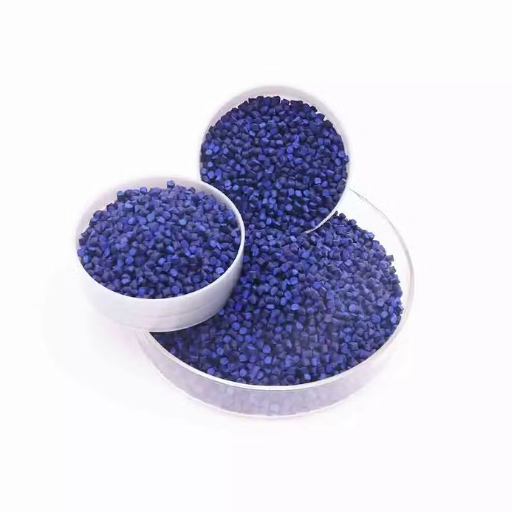
Definition and Composition of UV Masterbatch
How UV Stabilizers Protect Plastics
Types of UV Stabilizers in Masterbatch Solutions
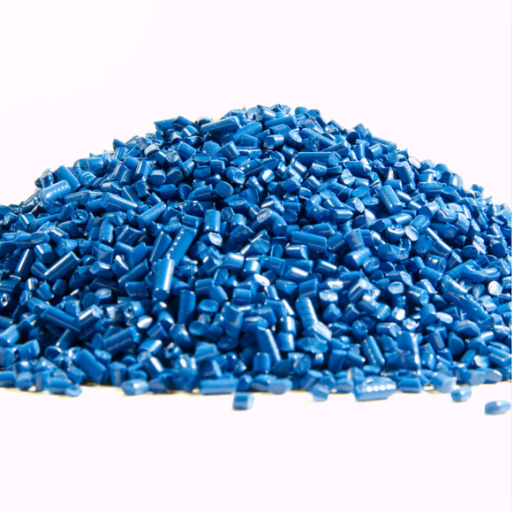
UV Absorbers
Hindered Amine Light Stabilizers (HALS)
Combination Stabilizers
Key Benefits of UV Stabilizer Masterbatch
Enhanced Durability
Maintained Mechanical Properties
Versatility
Cost-Effectiveness
Improved Appearance
Protection Against Degradation and Discoloration
Applications of UV Masterbatches

Outdoor Products and Their Requirements
UV-Resistant Packaging Solutions
Construction Materials and Their Benefits
Technical Specifications of UV Masterbatch

Common UV Absorbers Used in Masterbatch
Benzophenones
Hindered Amine Light Stabilizers (HALS)
Triazines
Hydroxyphenyl-Triazines (HPT)
Compatibility with Various Polymers
Recommended Dosage Levels for Performance
Choosing the Right UV Stabilizer Masterbatch
Factors to Consider for Specific Applications
Temperature Resistance
UV Resistance
Mechanical Properties
Color Consistency and Aesthetic Requirements
Barrier Properties
Regulatory and Industry Standards
Consulting with Masterbatch Manufacturers

Importance of UV Masterbatch for Sustainability
Reducing Plastic Waste Through Extended Product Life
Minimizing Replacement Needs in Outdoor Applications
Encouraging Exploration of UV Masterbatch Solutions
Frequently Asked Questions (FAQs)
What is a masterbatch UV?
How does ultraviolet exposure affect plastic products?
What are the stabilizer masterbatches?
How does UV affect various sorts of polymers?
What types of UV masterbatches are available?
How do UV stabilizer masterbatches protect products?
Can masterbatch solutions be made for specific applications?
Where, then, are UV masterbatches commonly used?
Reference Sources
1. ScienceDirect (Elsevier)
2. PubMed Central (PMC)
UV Stabilizer Masterbatch: UV Protection for Plastics


Home » UV Stabilizer Masterbatch: UV Protection for Plastics
![[REFRESH] Irgafos 168: Uses, Benefits & Specifications](https://welltchemicals.com/wp-content/uploads/2024/01/0-1.webp)

Products From Wellt
Recently Posted
UV Absorber & Light Stabilizer for Plastic & Polymer
Adria
October 17, 2025
UV Stabilizers: Types for Plastics and Polymer Performance
Adria
October 16, 2025
UV Stabilizer Masterbatch: UV Protection for Plastics
Adria
October 15, 2025
Natural and Synthetic Antioxidant Types & Benefits
Adria
October 14, 2025
UV Stabilizer Additive for Polymers & Plastics: UV Light Protection
Adria
October 13, 2025
Blog Categories
Contact Wellt