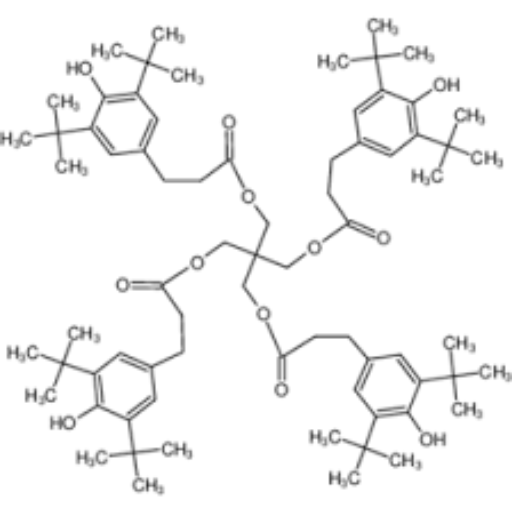


Plastics stand as one of the crucial elements in the manufacturing process, building everything from days to automobiles. However, from exposure to ultraviolet rays, the plastics undergo degradation leading to dirtiness, cracking, and a loss of mechanical properties through more straightforward means. This is why these UV stabilizers are important additives that ensure that the materials last longer and keep performing under extreme conditions. In this particular article, we discuss UV stabilizers in plastic manufacturing, how they engage in their functions, and why they need to be focused on to attain an ever-lasting and reliable product. Therefore, whether you may be a manufacturer searching for some really innovative solutions or just curious about the science involved in making plastics, this piece will surely enhance your understanding of this vital issue. Stay with us as we go on and explore the renewed possibilities UV stabilizers present to modern manufacturing.
Introduction to Stabilizers in Plastics
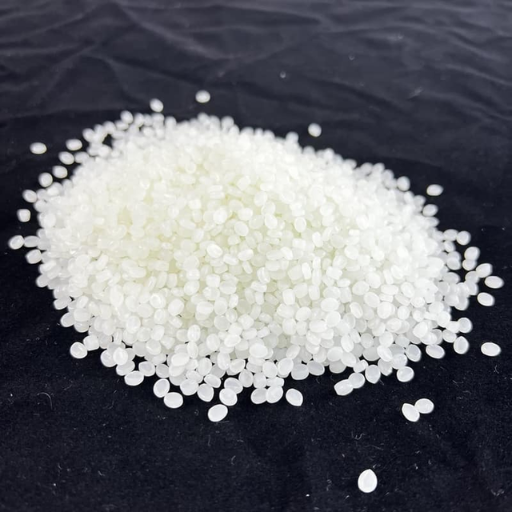
Stabilizers are imperative additives in plastic manufacturing for augmenting the durability and performance of plastic goods. These compounds safeguard plastics against degradation by environmental causes such as UV radiation, heat, and oxidation. Therefore, by averting such negative encounters with plastics, stabilizers provide an extended life to plastic materials while ensuring they do not lose their brilliance, structural integrity, and flexibility over time. UV stabilizers are provided to plastics for outdoor applications, as UV rays of the sun can be very harsh if exposed to plastic for longer hours.
Importance of stabilizers in plastic manufacturing
Over time, stabilizers have evolved to be paramount in bestowing plastic materials with durability and function within their respective industrial applications. The three common types are UV stabilizers, heat stabilizers, and antioxidants, all with opposing applications.
UV Stabilizers:
For prolonged exposure to sunlight, these stabilize against photo-oxidation. Research suggests that by utilizing UV stabilizers, outdoor plastics can stay their ground with the sunlight for up to 10 years and are therefore very much required in homeland construction, agricultural works, and automotive industries.
Heat Stabilizers:
Heat stabilizers gain importance during plastic manufacturing processes because of their thermo-plastic nature, since they prevent thermal degradation. It is manufactured at extremely high temperatures; beyond 30%, the addition of heat stabilizers increases thermal resistance and makes the plastics work well in harsher environments.
Antioxidants:
They act against oxidation that might be brought upon by oxygen and heat. These antioxidants are meant to ensure the polymers retain elasticity and do not discolor or become brittle. Studies from the plastics world show that under certain conditions, the use of antioxidants can reduce 40% degradation of materials.
Applications and Benefits
The incorporation of these stabilizers ensures the retention of plastic characteristics for a longer span of time, resulting in lower rates of failures and replacements. As an example, UV-stabilized greenhouse films can penetrate light while withstanding punishing environmental conditions and thus significantly increase farming yields. Likewise, stabilized auto parts will perform well under prolonged exposure to the sun or extreme heat.
When such additives are effectively used, the manufacturers increase the efficacy of their products while lowering the accumulation of wastes and hence contributing towards sustainable development by extending the lifespan of plastic materials.
Challenges faced by plastics under UV light and radiation
When plastics are exposed to UV light and radiation, there arises a threat to their structural integrity and functionality. UV rays cause photodegradation; polymer chains in plastics start breaking down. Colloquially, this process causes discoloration, the formation of brittleness, and surface cracks. Being a widely used polymer, it was found that polyethylene, when subjected to prolonged UV radiation, could lose almost 50% of its mechanical strength.
Similarly, radiation may invoke another mode of degradation: changes in tensile properties, loss of elasticity, and formation of micro-fractures were observed. If these maintenance failures further cost product degradation in industries dependent on durable plastic materials, such as automotive, construction, and packaging, and with further degradation, maintenance costs go very high, and the whole concept of sustainability comes into question. Use of superior additives and coatings has now gained significance to arrest this degradation so as to provide usabl, durable plastics for high-demand structural applications.
Enhancing durability and performance with additives
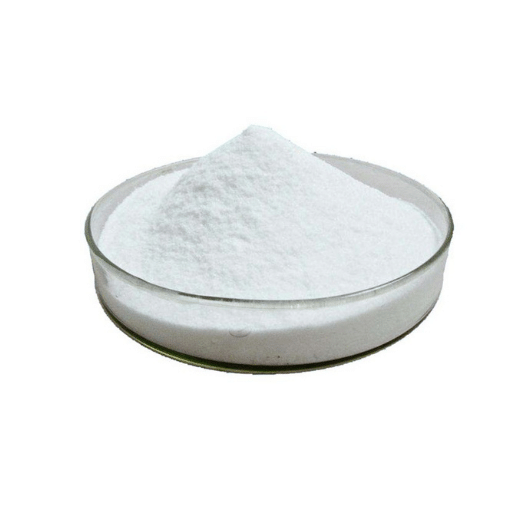
In the field of polymer materials, additives have so far gained significant importance in improving durability and performance, especially under extreme conditions of extremes. Actually, the precipitation of stabilizers, plasticizers, and reinforcement agents greatly helps in resisting the impact of environmental stresses such as UV rays, moisture, or temperature variation. For instance, UV Stabilizers prevent plastics from discoloring and turning brittle due to prolonged UV radiation, extending their lifespan in outdoor applications.
Recent advances in the industry highlight nanotechnology as effective in additive formulations. Nanocomposites with nanoparticles of graphene or silica have been able to enhance tensile strength and impact resistance up to 50% thereby rendering materials for use in high-performance applications. Flame retardants are increasingly being used due to the stringent safety requirements in place, mainly in construction and electronics. Research has also revealed that halogen-free flame retardants can curtail smoke emission upon combustion while holding the material together.
![[REFRESH] Irgafos 168: Uses, Benefits & Specifications](https://welltchemicals.com/wp-content/uploads/2024/01/0-1.webp)
Sustainability is another factor in the development of the additives. Bio-based and recyclable plasticizers are to lessen the environmental impacts of the conventional additives. Antioxidants and thermal stabilizers are more innovative approaches to refute polymer oxidative degradation, thereby increasing their life span and generating less waste. On their own, these developments in additive technology are paving the road for durable and sustainable plastic materials.
What Are UV Stabilizers?
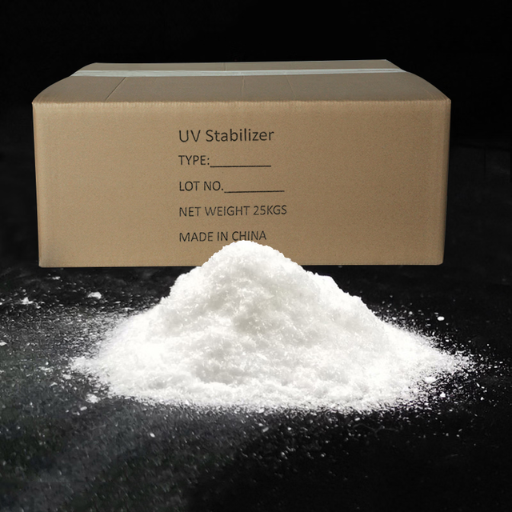
UV stabilizers are chemicals added to a polymer or plastic to safeguard against UV degradation. With continued sunlight exposure, materials would lose their brittleness, fade to a pale color, or be cheated out of their structural integrity. UV stabilizers absorb or reflect UV radiation to halt such destruction and increase the life of those materials. These additives are particularly important for outdoor usage since heavy sunlight exposure will occur. Some major examples of UV stabilizers that suitably contribute to enhanced durability would be UV absorbers and hindered amine light stabilizers (HALS).
Definition and role of UV stabilizers
UV stabilizers play an essential role in protecting materials against the adverse effects of ultraviolet and are categorized according to their actuation mode. UV absorbers such as benzotriazoles and benzophenones capture the UV rays and release the excitation energy as heat, thereby protecting the structure of the material. On the contrary, hindered-amine light stabilizers work well by acting as radical scavengers and eliminating the free radicals that are generated on exposure to UV light. These HALS, according to recent studies, can bring about enhancements on the order of 50 percent, if not more, in the lifespan of plastic materials with regard to UV resistance when compared with unstabilized materials.
Besides, since the advent of nano additives, better performances can be achieved with modern-day stabilizer formulations. For instance, the use of nano-titanium dioxide and nano-zinc oxide has become much more common in UV stabilizers because they are more efficient in scattering and absorbing UV rays. These modern additives are thus currently being used by industries such as automotive, construction, and packaging to ensure the quality and durability of products despite extended sun exposure.
Protection against UV degradation
The introduction of the more sophisticated nano-additives into UV stabilizers has resulted in a significant increase in product lifespan and reliability. It has been found that nano-TiO_2, when well dispersed, offers almost the best form of protection from UV-induced degradation, as it absorbs harmful UV radiation and discharges it through energy forms like heat. Likewise, nano-zinc oxide serves as a very efficient UV barrier in a variety of industrial and consumer applications.
For example, it has been shown that coatings with these nanoparticles can reach 50% greater UV resistance than coatings with conventional stabilizer formulations. In terms of the automotive industries, these improvements have made it possible for the vehicles to enjoy a longer life under the sun, while the nanosized polymers are being utilized in construction materials, such as roofing and siding, to further counteract the effects of weathering caused by long exposure to UV radiation, and so keeping the place at lower maintenance costs. These developments give weight to the importance of nano-added substances, addressing the concerns of UV degradation being felt by many applications.
Types of degradation prevented by UV stabilizers
The role of UV stabilizers is crucial in imparting protection to materials from diverse kinds and modes of degradation due to UV radiation. One of the major forms of degradation it prevents is photodegradation; under prolonged UV attacks, photodegradation causes molecular structures to break down, further discoloration, and become brittle and lose physical properties in plastics and polymers. For example, research has revealed that plastic parts can lose about 50% of their life when consistently exposed to UV radiation without the presence of stabilizers.
Another major function of the UV stabilizers is to prevent thermal degradation. These occur when the material absorbs UV radiation and converts it to heat, which then hastens oxidative deterioration of surfaces, mechanical weakening, and consequent premature loss of efficiencies. UV stabilizers impart protection by dissipating the absorbed ultraviolet energy harmlessly so that the performance of the material is maintained uniformly.
Yet another instance of protection by UV stabilizers is against chemical degradation in coatings and paints. Studies have shown that with stabilizers incorporated into automotive paints, the durability of finishes can be strikingly extended, even reducing fading by as much as 40% over five years of exposure. This, in turn, is critically important for sight-reliant industries like automotive, construction, and consumer goods.
By offering protection against degradation, UV stabilizers act as an essential solution to ensure materials are sound and thus require less maintenance while promising an extended period of product use in various sectors.
Types of Stabilizers Used in Plastic Manufacturing
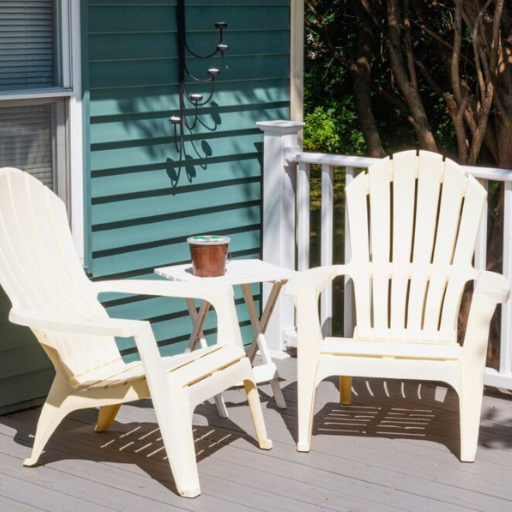
Note: Depending on the type of plastic under consideration, the stabilizers are chosen accordingly, with due regard to environmental factors and particular application requirements.
Heat stabilizers and their function
Heat stabilizers are very important in making plastic materials function better and in enhancing their performance or life, especially when these are exposed to high temperatures during either processing or use. These stabilizers prevent thermal degradation that may cause discoloration, the loss of physical properties, and, finally, complete failure of the material. Typical heat stabilizers include metal soaps: calcium-zinc or barium-zinc; organotin compounds; and epoxy-type stabilizers.

Current data foster the use of heat stabilizers in the industrial sectors for building automobiles and electronics.. PVC, being one of the most widely used plastics, heavily depends on heat stabilizers during its production stage. Studies indicate that the heat stabilizers enhance the thermal resistance of PVC and enable it to sustain stability at temperatures above 200°C. Moreover, with the development of stabilizer technology, greener stabilizers have been introduced to reduce heavy metal use and adhere to global environmental regulations.
Modern formulations may combine different types of heat stabilizers to address various challenges that require, among other things, enhanced processing stability and long-term heat resistance. All these innovations establish the path toward stressing the role of stabilizers as a requirement posed by high-performance applications their implementation in sustainable manufacturing practices.
UV stabilizers: Hindered amine light stabilizers (HALS) and UV absorbers
The prevention of polymer degradation resulting from UV radiation requires the presence of UV stabilizers. Two categories of UV stabilizers are hindered amine light stabilizers and UV absorbers-they protect polymers in quite different ways.
HALS scavenge free radicals generated during photo-oxidative degradation of materials. Because of continuous protection against degrading effects under sunlight for long periods, HALS gradually gives the polymers great long-term durability in conditions of outdoor exposure. Literature reveals the significant contribution of HALS toward maintaining mechanical properties and prolonging the life of outdoor polymer-based applications. The most common HALS additives are derivatives of tetramethylpiperidine, distinguished by high stability and low volatility.
UV absorbers absorb harmful UV rays and release them as heat without allowing radiation to pass onto the polymer matrix. Some commercial examples of UV absorbers include benzotriazoles, benzophenones, and triazines. Since triazines have been primarily known for great thermal stability and UV absorption efficiency, a few instances can be cited-the benzotriazole UV absorbers having their maximum absorption efficacy between 300-400 nm. Meanwhile, these UV absorbers are suitable for polymers intended for packaging and construction applications.
Such synergistic relationships are known to be harnessed sometimes, HALS and UV absorbers being combined through the engineering approach of offering superior protection to polymers against photochemical and mechanical degradation. Another notable field of application for these composites occurs in the automobile, agriculture, and industrial sectors, with substrates being exposed to severe weather conditions. The studies inform that such foundation stabilizers increase the service life of about 50 percent for the products, thereby keeping them viable for use in the long run.
Antioxidants and their significance in plastics
Antioxidants are crucial for improving plastics’ durability while maintaining functionality against the free-radical-type oxidative degradation. Exposure to heat, light, and oxygen causes oxidation, which might produce discoloration and brittleness, hence significantly lowering the mechanical properties with time. Antioxidants oppose this by stabilizing free radicals, thus inhibiting chain reactions that lead to polymer degradation.
Two types of antioxidants are usually found in plastics: primary (or chain-breaking) antioxidants and secondary. Primary antioxidants produced by hindered phenols scavenge free radicals and cease oxidative reactions. Secondary antioxidants, like phosphites and thioesters, break down hydroperoxides into inert products to assist the primary antioxidants in stabilizing the materials.
The research studies tend to show that antioxidants incorporated into polymer formulations tend to elevate thermal stability by 30-50% according to the concentration and type used. For example, antioxidants in polyethylene and polypropylene have shown that tensile strength and elongation properties were maintained for longer periods under accelerated aging tests. So, for instance, the antioxidants might find applications in high-temperature areas since automotive parts and electrical insulation undergo prolonged heat exposure.
There are also synergistic blends of the primary and the secondary antioxidants for enhanced long-term stability. The hybrid formulation assures that manufacturing plastics still stay functional even in the toughest environmental conditions and guarantees a long service life, decreasing materials waste and replacement cost.
Applications of UV Stabilizers in Plastic Products

UV stabilizers are present almost everywhere in plastic materials, in order to provide at least some defense against degradation due to ultraviolet radiation. Depending on the stabilizer and manufacturer, applications include garden furniture, automotive parts, packaging materials, agricultural films, siding, roofing, etc. Restricting the adverse effects of UV rays allows plastic goods to have a longer life, retain their appearance, and, to some extent, physical property characteristics-fossilization more flexible, less strength.
Utilization in Polyvinyl Chloride (PVC)
Polyvinyl Chloride (PVC) is one of the most versatile and widely used thermoplastics, especially when UV stabilizers come into play. Such stabilizers are critical in areas where PVC may be exposed to sunlight, offering relief from:-discoloration, embrittlement, and surface cracking caused by UV radiation. The global PVC market is still growing, with applications ranging from construction (pipes, siding, and windows)-%-though it finds applications in electrical insulation and consumer goods.
Studies reveal that UV stabilizers can increase the lifespan of PVC products, ensuring that outdoors, they can be expected to be in good condition for about 10-15 additional years before the requirement of replacement arises. These stabilizers of this generation do improve the UV resistance of PVC; however maintain the thermal stability so that PVC can exhibit its mechanical performance during long-term heat exposure. For example, the benefits retained in PVC pipes in terms of UV protection reduce maintenance costs and ensure long-term reliability under construction. Contrary to making their presence felt in the renascent UV stabilizers to the PVC films and coating,s which are also used in packaging and agriculture to offer protection to the respective products and crops against solar radiation, thereby paving the way for more efficiency and sustainability, the importance of UV stabilizers cannot be overstated in the enhancement of the performance interface of PVC materials.
Applications in Polypropylene and Polyethylene
Polypropylene (PP) and polyethylene (PE) rank among the major thermoplastic polymers, and their use extends through packaging, automotive, building, and agricultural-related applications. They may or may not be imparted with UV stabilizers to improve their endurance and longevity. Once exposed to the sunlight, polymers undergo degradation, discoloring, cracking, and/or impairment of mechanical strength. Thus, it is essential to guard against UV rays.
In some applications, a lightweight, chemically capable polymer called polypropylene is used. Outdoor furniture, automotive components, and woven sacks are subjected to fairly extreme sunlight. In turn, UV stabilizers help extend the service life of the material. Various studies inform that UV-stabilized polypropylene can retain at least 90% of its tensile strength even after prolonged UV exposure.
Polyethylene also enjoys this treatment via UV stabilization. HDPE is commonly offered in the generation of pipe, geomembrane, and agricultural films. UV stabilizers protect these applications from photooxidative degradations prompted by sunlight. In other words, such agricultural films with superior UV stabilizer treatment were proven to perform 30-50% longer in harsh environmental conditions compared to those without stabilization.
These improvements carry vital implications for companies whose replacement and maintenance costs could present enormous liabilities. Allowing polypropylene and polyethylene, with UV stabilizers, to face the rigors of outdoor use while retaining their mechanical and aesthetic properties is, therefore, crucial.
Role in engineering plastics and high-performance applications
How should UV stabilizers find fame in working for the durability and serviceability of engineering plastics? Depending on the application at hand, some polymers are of intensive usage so much so that they are in the category of engineering plastics, mainly polycarbonates, polyamides, and polyesters. A few principal causes invoked by UV radiation are surface degradation, discoloration, and loss of mechanical properties.
Earlier synthesized UV stabilizers have been developed with the very concept of material life enhancement. I recall one advanced stabilizer that would increase the lifetime of automotive headlights and exterior trim (mostly polycarbonates) by about 50%. At times, polyamides have been stabilized against UV and thermal stresses for electrical and electronic equipment so that they shall not lose the safety and performance in a reasonably short period.
There is data that the stabilizers are also keeping the tensile strength and reducing yellowing of the plastics when subjected to severe sunlight exposure for many hours. Having UV stabilizers incorporated in these high-performance plastics will enable the manufacturers to honor the most stringent durability criteria for present-day engineering applications, whilst also assuring sustainability and efficiency.
Benefits of UV Stabilizers in Plastics
Durability Enhancement
These substances protect the plastics from degradation induced by UV rays and prolong the life of materials in an outdoor setting.
Color Preservation
These UV stabilizing agents retard the yellowing and fading of colors cast by solar rays.
Maintaining Strength
UV stabilizers help maintain the mechanical properties of plastics during interim periods of their use.
Cost-Efficiency
UV stabilizers work by preventing early deterioration of a product, thus lowering replacement and maintenance costs.
In this way, the incorporation of UV stabilizers enhances the functional performance and long-term sustainability of plastic applications.
Enhanced resistance to UV light and radiation
Since UV stabilizers shield against degradation caused by prolonged exposure to ultraviolet light and radiation, it is known that research has shown plastics without UV stabilizers could lose up to 50% of their mechanical properties after prolonged UV exposure, with consequent detrimental effect on the structural integrity. Consequently, by means of stabilizers, plastics will keep the strength, flexibility, and appearance of their materials over time, even in harsh outdoor conditions.
For instance, stabilized polyethylene samples showed an evaluation indicating that UV stabilization could extend the life span of plastic products for another 5-10 years of outdoor use compared to about two years for the non-stabilized kind. These additives produce UV radiation absorption and dissipation, imparting a protective layer against polymer chain-breaking types of radiation that could make the polymer become brittle or discolored. Conversely, with UV-stabilized plastics being used in the automotive and construction industry, maintenance costs have dropped by a terrific 40% due to better retention of durability and appearance in the short term.
Improved longevity and durability of plastic products
UV-stabilized plastics are prepared to face long-term harsh environmental conditions with their mechanical properties intact and considered good properties from an aesthetic view. Research shows that these materials may demonstrate up to 50% increased lifespan under outdoor conditions when exposed to intense sunlight and extreme temperatures as opposed to standard plastics. In the agro-industry, crops are nurtured all through 4-5 years of exposure to the sun for these prime UV-stabilized greenhouse films. Similarly, making UV-stabilized plastics for outdoor furniture and decking ensures that such articles stay colored and strong for more than 10 years, mitigating replacement and maintenance costs to a great extent. The innovation in UV stabilization has opened avenues for reduced material degradation, on which the long-term durability and sustainability of various applications depend.
Prevention of discoloration and brittleness
Whatever the application, the modern UV stabilizers impart excellent sun resistance to materials so that they can withstand prolonged weather exposure. For example, polymers such as polyethylene and polypropylene have been found to maintain their structural integrity and appearance for 10-15 years when protected by advanced UV inhibitors, thus practically eliminating the chances of fading, cracking, and degradation of the material.
The technology has also provided good assistance in industrial contexts. Crop protection films treated with HALS remain flexible and retain their color over several crop cycles, saving reapplication costs. Likewise, automotive coatings have included UV stabilizers to prevent paint from peeling and discoloring so that vehicles retain their showroom finish for years, even under climatic extremes. High-performance studies have shown that improved UV protection can reduce the material failure rate by about 35%-40%, which is really a giant leap forward for the sustainability and cost-effectiveness of the industries.
Challenges and Trends in the Use of UV Stabilizers

One of the primary issues with UV stabilizer usage is the balance between performance and cost. Most high-performance stabilizers are costlier and, hence, not affordable to smaller manufacturers. With regulatory restrictions on chemicals, reformulations, and the search for greener, nontoxic counterparts have also now begun.
On the demand side, sustainability measures have brought about a boom in the demand for bio-based UV stabilizers. Nanotechnology advancements also enable more efficient and durable stabilizers that offer greater protection with smaller formulations. These are the mainstream trends toward greener options, but meeting increasing durability demands for different applications.
Environmental concerns surrounding traditional UV stabilizers
UV stabilizers in old-style design, while beneficial in protecting materials from degradation under ultraviolet radiation, pose major challenges for the environment. Usually, quite a number of these stabilizers are petroleum-derived and thus not recyclable, and tend to accumulate in ecosystems. For instance, benzotriazoles and HALS, or hindered amine light stabilizers, are among the highly utilized stabilizers in industrial operations and have been shown to persist in aquatic environments. These may affect the marine ecosystem by opposing aquatic life and biodiversity.
To be more precise, in addition to being harmful to the environment, the synthesis of traditional UV stabilizers requires more energy and releases chemicals as by-products into the atmosphere. It is now established that such chemical by-products, once released by human negligence, contribute grossly towards atmospheric pollution and act as greenhouse gases. According to recent environmental assessments, pursuing the route of greener UV stabilizers could bring down the carbon footprint by 30% from that of traditional UV stabilizers. Aside from environmental considerations, this requirement also satisfies global regulatory pressures, including bans on persistent organic pollutants (POPs) and the demand for safer alternatives to chemicals in various fields.
Shift towards eco-friendly stabilizer alternatives
Eco-friendly UV stabilizers lead to promising substitutes for conventional kinds, saving the environment from harm while enjoying the unequalled performance. New developments and novel innovations in additives for biodegradable polymers have been developed and marketed to protect materials against photodegradation without releasing into ecosystems chemicals that would persist. Studies indicate that using biodegradable substances could reduce adverse environmental toxicities; hence, they can lessen damage to aquatic and terrestrial life.
In addition, it is said that industries using bio-based stabilizers staggered greenhouse gas emissions from production processes by around 20-40%. Other companies claim success to the extent that plant-based stabilizers produce a line of data that meets regulatory standards for the recyclability of materials. These are developments of utmost importance to the packaging and automotive manufacturing industries, especially with increasing global initiatives for a sustainable environment. Therefore, by incorporating these alternatives, industries will further promote the increasingly environmentally conscious market, thus satisfying ever-developing environmental laws.
Innovations in UV stabilizer technology
In recent years, with regard to the stabilization against UV radiation, emphasis has been laid on the durability of the treatment and its environmental compatibility or lack of it. When it comes to environmental concerns, another issue about the products is toxicity and, in some areas, biodegradability. Recent studies, for instance, show that lignin-based UV stabilizers produced from natural polymers of plant materials exhibit excellent UV absorption and are, in fact, biodegradable. Such alternatives are getting attention from industries wishing to avoid petrochemical-based stabilizers.
Nano-engineered UV stabilizers are another new set of breakthrough technologies. By using nanotechnology, stabilizers can be produced that have a large surface area and good dispersion qualities, which therefore provide enhanced protection to materials against UV radiation. In another report, it was found that polymers incorporated with nanoscale additives could enhance their resistance against UV by up to 30%, which in turn prolongs considerably the life of outdoor products such as coatings, films, and automotive parts.
Also becoming more dominant are synergistic formulations of UV stabilizers and antioxidants that inhibit the degradation of materials from photo-oxidation, thereby reducing incidences of discoloration and brittleness. Treatment of polyethylene films with these dual-function stabilizers exhibited an increase in weathering performance by 40% when tested against traditional stabilizers.
These advancements clearly highlight the attempt of researchers and industries to provide solutions that give better UV protection and are consistent with the global goals on sustainability.
How to Choose the Right UV Stabilizer for Your Plastic
1. Type of Plastic
Depending on the kind of plastic, say polyethylene, polypropylene, or even PVC, the degree of UV degradation varies from one to another. Select a UV stabilizer with regard to the type of plastic you are working on.
2. Application and Environment
Think of the situation your plastic product will face, being under the sun all day, high temperatures, or outdoor use. Some stabilizers may be best chosen for particular environments.
3. Required Lifespan
Imagine the lifespan of the product and select a stabilizer that effectively discourages its degradation for the warranted term, without sooner degradation.
4. Regulatory Compliance
Verify that the stabilizer is in compliance with all industrial and environmental regulations pertinent to your application, especially if it is to be considered for food-related packaging, medical apparatus, or so forth.
5. Cost-Effectiveness
Evaluate a UV stabilizer for its operating costs, so that you can balance the long-term advantages of the UV stabilizer will reach an economic decision corresponding to your needs.
Considerations based on the type of plastic
Choose a UV stabilizer considering the kind of plastic rather than the other way around, as polymers differ in their responses to UV exposure. Here the following details for some polymers:
Considering the aforementioned requires the particular plastic type, specific usage, and the environmental exposure conditions in selecting an adequate mixture of UV stabilizers and UV absorbers. The choice of an appropriate stabilizer promotes better performance, longer accretion, and cheaper solutions tailored to the application itself.
Factors related to processing conditions
Processing conditions are vital to consider because they have a bearing on the efficiency of UV stabilization within plastics. High temperatures, shear forces, or prolonged processing times can result in the degradation of stabilizers, limiting their functionality and overall efficiency. These processing parameters must be considered and optimized during manufacturing to maintain additive functionality.
Protection might get compromised when certain stabilizers undergo partial degradation during extrusion or injection molding at high processing temperatures. Some may consider the option of thermally stable UV stabilizers to overcome this safeguard-protection issue. One study shows that UV stabilizers that are highly heat-resistant can keep 90% of their effectiveness even when processed above 250°C.
The dispersion of stabilizers in the polymer matrix is another vital consideration. Such areas with diminished UV protection due to poor dispersion at the mixing stage induce premature surface degradation. Such mixing/compounding methods, with twin-screw extrusion being one, give enhanced insertion of the stabilizer in the material and ensure an evenly dispersed stabilizer for consistent protection throughout the material.
Chemical interactions between stabilizers and processing additives, like flame retardants or pigments, which might hinder stabilizer efficiency, pose yet another problem. Often, compatibility studies are undertaken by manufacturers to find formulations that act in synergy while not conflicting with one another to maximize both UV resistance as well as other definite material properties.
Importance of consulting with experts in the plastic industry
Collaborating with these professionals in relation to plastics ensures that the tested products and materials meet their requirements in terms of performance and durability. Knowledgeable about UV stabilizers and how they interact with a polymer- or additive-based system, these experts can thus prepare compositions suitable for specific uses. For instance, according to recent research on UV stabilization technology, some high-grade stabilizers might offer some end-use plastics an added 50% life because of outdoor weathering, particularly in harsh conditions.
Experts can also shed light on current trends. One trend is an increasing demand for eco-friendly stabilizing options; reports show the rapid increase in the adoption of non-toxic, environmentally friendly additives, with a forecast growth of the green plastic additives market at the rate of a CAGR of 5.3% between 2023 and 2030. Consulting with these professionals will guarantee manufacturers are up-to-date with existing laws, which voice new innovative solutions that carry foresight in line with present market demands. Such joined participation reduces trial and error costs and ensures that the end product is trustworthy and efficient.
Reference Sources
- Lehigh Preserve Institutional Repository
Link to PDF on Lehigh University’s Repository – Discusses the use of lead-based heat stabilizers in PVC and their long-term heat stability. - National Bureau of Standards Report
Link to Report on NIST (National Institute of Standards and Technology) – Covers effective stabilizers for ultraviolet light, oxygen, and heat, particularly for outdoor plastic applications. - Sourcing Antioxidant 1076 & Irganox 1076 from China
Frequently Asked Questions (FAQs)
What are the different types of OK materials?
An assortment of stabilizers is utilized in the plastic industry to provide improved performance and durability to plastic materials. Usually, they may be heat stabilizers, UV stabilizers, or stabilizers against antioxidants. Heat stabilizers prevent the degradation of plastics during processing and/or application; UV stabilizers protect the plastics from the degrading action of UV radiation while the plastics are in use. The antioxidant stabilizers keep the antioxidant degradation away so that the plastic can keep its properties in the long run.
How do they add heat stabilizers to plastics?
The heat stabilizer addition usually happens at the mixing steps in polymer production. Heat stabilizers are used on plastic materials to enhance their thermal stability. This, in turn, will prevent several degradations that normally take place while the plastics come into contact with high temperatures either in the process or in the further stage of application. Typical heat stabilizers include metal soaps and organotin compounds; they help the end product retain its integrity.
What is the function of UV stabilizers with regard to plastic?
The importance of UV stabilizers lies in the protection of plastics from damage caused by UV radiation. UV stabilizers are known to absorb UV light and transform it into harmless heat, thereby inhibiting any degradation that would discolor plastics, induce their loss of mechanical properties, and lead to the failure of plastic parts. This effect is especially important on plastics in outdoor applications exposed to continuous sunlight.
For what types of polymers is it necessary to use stabilizers?
Many polymers are stabilized, including PVC and polyolefins. Heat and UV stabilizers help in drying these materials for better performance based on its application from plastic goods to packaging materials. There will usually be some kind of stabilizer in polymer packaging to protect it against environmental stresses from deteriorating in service.
What effects does UV radiation impart on plastic materials?
UV radiation causes several damages to plastic materials, resulting in various types of degradation like embrittlement, discoloration, and reduction in mechanical strength. Such degradation with time would make the plastic items technically defective as well as less pleasing to look at. In order to counteract this effect, plastics are added with UV stabilizers that enhance their resistance against UV light and increase the life span of such plastics.
How do lubricant stabilizers work in plastic processing?
Lubricant stabilizers get introduced to plastics during processing to improve flow characteristics by reducing the friction occurring between polymer chains. Thus, it facilitates efficient processing of plastics and reduces wear of the equipment for plastic processing. Lubricating stabilizers used in the polymers not only enhance processability but also facilitate better surface finish on film and give a good opportunity for further improvement in quality.
Why is it important to promote the use of high-quality stabilizers in plastic manufacture?
High-quality stabilizers should be used by the plastic manufacturers to stabilize the operational productivity of the plastics. The better the stabilizers, the better they protect from any kind of degradation, whether from heat, UV, or oxidation. This is even more important in cases of plastics that face harsh environmental conditions, for in such situations, poor-quality stabilizers will, in all likelihood, fail to protect timely, resulting in early death of plastic products.
Is there a difference in the way biodegradable plastics are stabilized from that of conventional plastics?
Yes, the stabilization of biodegradable plastics does take into account aspects different from those considered in the case of traditional plastics. Biodegradable plastics may require certain kinds of additives to contribute to their stability, while at the same time ensuring that they will disintegrate under environmental conditions. These stabilizers are intended to balance the performance of plastic during its life cycle with its capacity to break down upon use, making them a rather modern choice in green plastics.