

Polymer and plastic materials form the blueprint for innumerable industries-from packaging to automotive, construction to consumer goods. Endless hours of ultraviolet radiation can disintegrate the polymer’s molecular structure. Identifying this character, UV stabilizer or obscurers can be seen as crucial ingredients in polymer and plastic manufacture. The blog tries to enlighten one’s road to UV stabilizers and their role in imparting durability and prolonging the service life of materials. This includes their operational principles, urgent benefits, and the aspect of selection to meet an industrial requirement. So, if you are a manufacturer, an engineer, or even an inquisitive mind in the material world, this guide will take you through the bearings of UV stabilizers in contemporary innovation.
Introduction to Plastic Stabilizers

These stabilizers are basically polymer additives to provide durability and resistance against environmental factors, such as UV light, heat, or oxidation. Their function is to prevent degradation, discoloration, or embrittlement, thus leaving their intended properties intact through the course of time. Different types of stabilizers address particular problems faced by materials at different stages of their lifecycle. With the incorporation of the appropriate stabilizer, manufacturers achieve better performance, extend the product life, as well as minimize maintenance or replacement costs.
Importance of Plastics in Modern Industries
The dispersal and proliferation of plastic usage seem indispensable across modern industries: hugely adaptable, absolutely economical, and quite durable. The global plastics market was said to be around $593 billion in 2022, and it keeps surging with a forecast of an approximate CAGR of about 3.7% from 2023 to 2030. The last applications of plastics include industries such as Automobile Engineering, Healthcare, Construction, Electric, and more. For instance, light plastic parts in automotive vehicles help with better fuel efficiency and lower emissions. In the medical field, plastics make packaging, implants, and devices sterile and safe. In construction, they are used for insulation, piping, and light materials that help conserve energy. With such versatility and continuous innovation, such as in biodegradable plastics, the importance of plastics gains further momentum as plastics pave their path toward a sustainable and high-tech future.
Understanding Stabilizers in Plastics
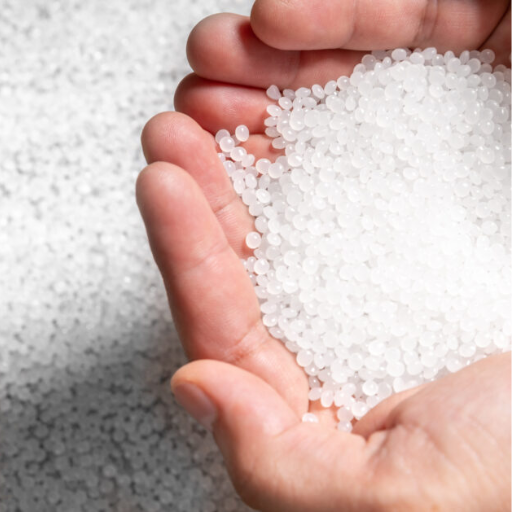
Thermostabilizers are additives that are used to improve the life and durability of different plastics. They prevent plastics from degradation by heat, UV rays, or attackers of oxidation. Some general stabilizers are heat stabilizers that protect against damage in processing, and UV stabilizers protect plastics against sunlight-induced oxidation. In short, through stabilizers, manufacturers can retain the design properties of a plastic product to perform consistently in adverse conditions throughout its lifetime.
Definition and Role of Stabilizers
Stabilizers can be distinguished into different classes, each meant for specific uses and to counteract a particular degradative mechanism. Heat stabilizers come into play when plastics are subjected to higher-temperature processes such as injection molding or extrusion, wherein the prevention of thermal degradation is of utmost importance. Calcium zinc-based stabilizers represent the most commonly used compound in this category because they are non-toxic and offer effective thermal protection.
UV stabilizers hold critical importance for outdoor applications where exposure to prolonged sunlight is inevitable. Such UV stabilizers absorb harmful ultraviolet radiation and convert it to harmless heat. It is documented that, with the addition of UV stabilizers such as hindered amine light stabilizers (HALS), the lifetime of polymer-based products can be extended by as much as 50%, thus making UV stabilizers favorable in outdoor furniture, automotive, and packaging industries.
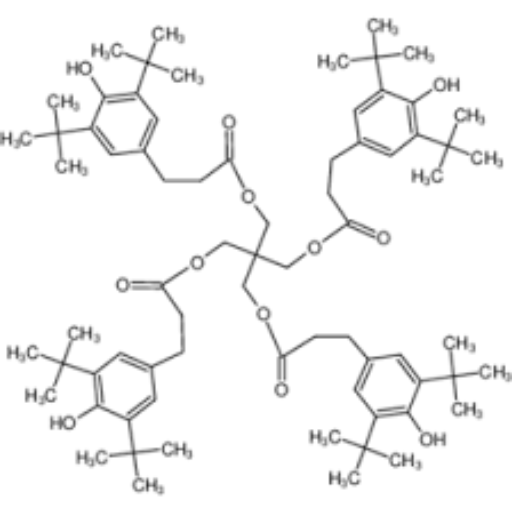
Antioxidants can serve as stabilizers, preventing coloration by oxidation, which can cause discoloration, brittleness, or loss of mechanical properties in plastics. Phosphite and hindered phenol constitute the most commonly used antioxidants in the industry, helping prevent degradation in systems from electrical insulation to food packaging.
With changes in polymer science, changes in the types of stabilizers have enabled products to meet stringent current environmental standards, representing the potential for high-functioning and green materials. For example, bio-based and low-toxicity stabilizers are now considered in the same light as the global push for greener materials that do not compromise performance. This, therefore, enhances the reliability of plastic-based products while satisfying rising consumer and regulatory sustainability concerns.
Types of Stabilizers Used in Plastic Manufacturing
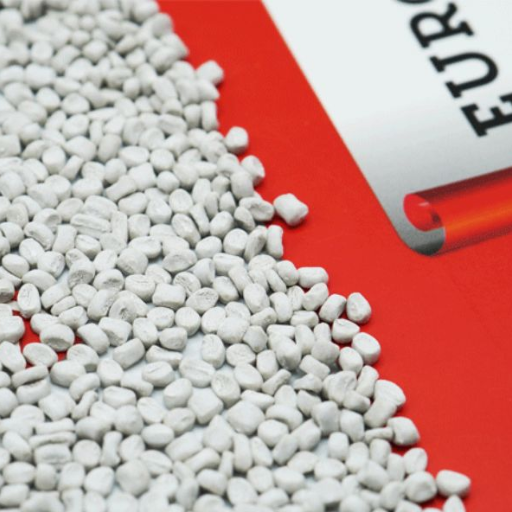
Stabilizers form an important class of additives used in plastics to improve durability, processing, and resistance to degradation in different circumstances. The main stabilizers used in the plastic manufacturing industry may be listed as follows:
Heat Stabilizers
Heat stabilizers are intended to prevent thermal degradation of plastics during the conditions of processing and elevated temperatures during usage. They include the metal-based compounds, such as calcium-zinc and organotin stabilizers. According to industry data, calcium zinc stabilizers are really common in PVC applications since they are non-toxic and comply with modern environmental laws.
UV Stabilizers
UV stabilizers prevent plastic from reaching a breakdown state when subjected to a long period of ultraviolet radiation from sunlight. It includes things like ultraviolet absorbers (UVA) and hindered amine light stabilizers (HALS). Studies demonstrated that HALS are very much concerned with extending the outdoor life of polyolefins by reducing surface cracking and discoloration.
Antioxidants
![[REFRESH] Irgafos 168: Uses, Benefits & Specifications](https://welltchemicals.com/wp-content/uploads/2024/01/0-1.webp)
Antioxidants protect plastics from degradation in oxygen, heat, and mechanical stress in the presence of other damaging factors. Primary antioxidants in the form of hindered phenols, incapacitate free radicals, while secondary antioxidants act as phosphites that convert hydroperoxides into inert products. Thus, working in synergy for the long-term stabilization of polymers.
Light Stabilizers
Light stabilizers prevent the deterioration of plastics caused by both UV light and visible light. So, like UV stabilizers, this group guarantees that the plastics retain their color, flexibility, and strength for longer periods of service.
Bio-Based Stabilizers
In today’s rapidly moving world, bio-stabilizers have taken quite the forefront. These stabilizers, mostly renewable, reduce the dependency on those regular and non-renewable additives with the promise of performing as well as their older counterparts. Recent market reports say that bio-based alternatives are gaining strength steadily in both Europe and North America.
Antimicrobial Stabilizers
These are antimicrobial substances incorporated into plastic products to prevent bacteria, fungi, or other microorganisms from multiplying. These stabilizers find greater use for the purpose of enhancing hygiene and safety in medical applications, packaging, and household products.
These stabilizers enable manufacturers to produce plastics manufactured to accommodate today’s functional, aesthetic, and environmental requirements and consider the challenges posed by heat, light, oxygen, and biological factors.
Interaction with Polymers
Any interaction with polymers tends to be in terms of stabilizers employed for enhancing material properties and for increasing their durability. These factors, a stabilizer reacting with or negating an environment-aggressive factor of heat, UV rays, oxidation-against which were the stabilizers’ targets-will degrade polymers. Hence, perpetuating their use and ensuring functional integrity of plastic products for the different end uses.
Reasons for Adding Stabilizers to Plastics
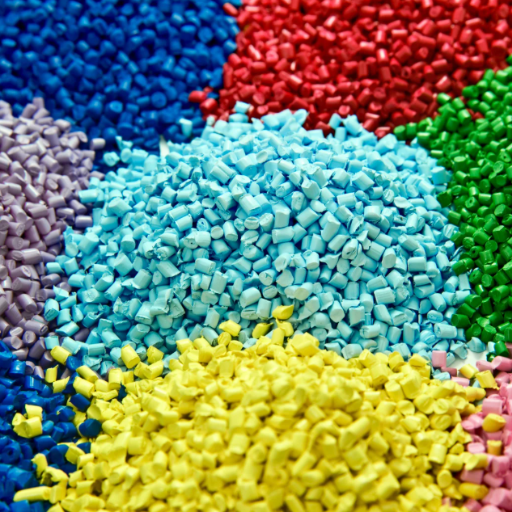
Stabilizers are added to plastics to improve performance and increase lifespan. They protect the plastic materials from damage caused by respective environmental influences like heat, UV light, and oxidation. When stabilizers can protect plastics from degradation, they maintain their strength, appearance, and functionalities with passing time, and thus the material is of consistent quality and reliability in various applications.
Protection Against Degradation
The plastic materials are exposed to various modes of degradation mainly through the agency of heat, UV rays, oxidation, and mechanical stresses. These processes may result in discoloration, loss of mechanical properties, increased brittleness, and degradation of the material. Stabilizers serve to ensure protection against these effects. Consider UV stabilizers, which are particularly efficient in preventing photodegradation as they absorb harmful UV rays and dissipate the energy as heat, thereby conserving the structure of the polymer.
Data seem to suggest that plastics unprotected from UV rays may degrade and lose up to 50% more of their product life when exposed to outdoor conditions. Similarly, heat stabilizers are a must in the presence of high temperatures because such conditions encourage thermal oxidation with a consequent potential to deteriorate the material. Research shows that heat stabilizers increase thermal resistance by as much as 30%, so durability can be assured in demanding applications like automotive and outdoor furniture.
Antioxidants, another kind of stabilizer, particularly eat up oxidative degradation. These substances inhibit the chain oxidation reaction at the molecular level. Research has proven that lastics with antioxidants maintain mechanical strength and colour for a very long time in comparison to untreated materials. They therefore resolve the degradation factors by which stabilizers affect the plastic products’ life span and reliability.
Thermal Degradation Prevention
The breaking down of polymers and the loss of mechanical properties in any polymer are due to thermal degradation in the presence of high temperatures. One way in which thermal degradation can be prevented is the addition of heat stabilizers that minimize the adverse effects of prolonged heat exposure. Common heat stabilizers for vinyl polymers are metal soaps (such as calcium stearate) and organotin compounds, so that the polymer keeps its useful properties for a long period of time.
Recent studies indicate that top-quality heat stabilizers can extend polymer range thermal stability by around 40%, which is important for applications with prolonged heat exposure, such as in automotive or industrial settings. It is brought forth from data that with the incorporation of stabilizers, a drop of 30% can be prevented in tensile strength under severe heat conditions, thereby increasing reliability. Effective thermal stabilization will prolong the operating life of plastics, contributing to their sustainability by lessening waste and premature replacement of materials.
Reducing UV Damage

Pink-colored nylon fiber exposed to UV rays shows a degradation in properties and efficiency over time. UV rays facilitate photooxidation of nylon, making hydrogel-polymer chains undergo breakage-resulting in discoloration, brittleness, changes in mechanical properties, superb texture, etc. In regard to the application of UV stabilizers, recent advances are very promising, and their importance must be considered in the design. Thus, recently, the use of hindered amine light stabilizers (HALS) has been introduced as a means of restricting polymer degradation, whereby HALS operate by destroying free radicals. Research revealed that UV-treated materials can retain as much as 85% of tensile strength compared to untreated plastics that lose almost 50% after prolonged exposure to UV radiation. Moreover, coatings or additives containing ultraviolet absorbers (UVAs) can serve to block such radiation, providing protection against the degradation of condom plastics in outdoor or high-UV environments. These solutions come to be demandable in the fields of construction, automotive, and agriculture, among others, where long-term exposure to sunlight is the norm.
Enhancing the Durability of Plastic Products
The advancements in UV protection technology have improved the longevity of plastic products under sunlight. For instance, reports suggest that HALS could prolong the life span of some plastics by up to 300% in outdoor situations. These stabilizers operate by absorbing free radicals produced during UV photodegradation, thus prolonging color retention and other mechanical properties.
On the other hand, the development of nano-TiO2- and ZnO-based additives gives a rewarding likelihood for resistance against UV. Such nanoparticles act as an effective shield from UV rays by scattering and absorbing them, also reducing the degradation rate in material systems like polyethylene and polypropylene. The investigations established that plastics treated with these additives could suffer less than 10% loss of tensile strength over a 5-year period under direct sunlight.
Manufacturers also continue testing new multilayer coatings whose outer layers have UV barriers. Such developments are vital for industries calling for longer plastic life, utmost reduction in replacement cost, and ecology.
Recycling Benefits of Stabilizers
A major durability consideration in plastics is stabilizers; hence, the improvement of recycling ability is another application of these agents. Stabilizers provide a secondary measure of support during the recycling of polymers while being useful in withstanding the thermal and mechanical stresses that are part of the reprocessing of plastic. It has been observed through studies that plastics stabilized for recycling can be recycled several times without losing quality, thus making them good candidates for stabilization in numerous uses.
From studies, it is said that plastic materials treated with stabilizers stand a 25-40% better chance of retaining their properties during recycling, thus reducing the loss of materials and ensuring a high-quality end product. Also, with demand for durability and environmental sustainability rising, it is expected that by 2027, plastic stabilizers will be worth about 8.5 billion dollars globally. An insight into this is the increasing attention to the creation of materials that are long-lasting in use yet more adaptable to recycling processes, from there, minimizes waste and promotes circular economy concepts.
Applications of UV Stabilizers in Plastics
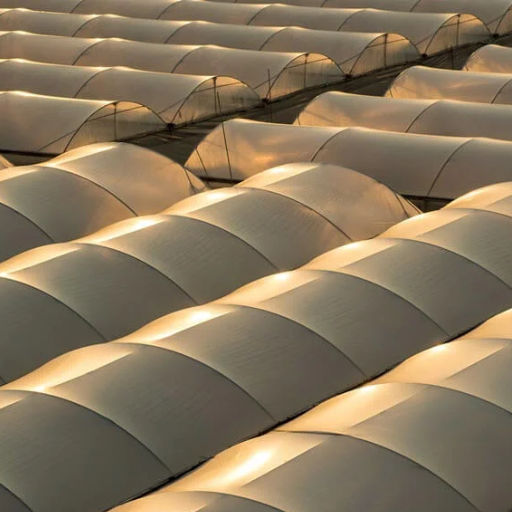
UV stabilizers are primarily used in plastics to protect them from the harmful effects of ultraviolet radiation. Their key applications include:
- Outdoor Products: Those stabilizers are used on products that must be exposed to UV rays, such as agricultural films, outdoor furniture, and construction items, so they do not crack, fade, or weaken after prolonged exposure to the sun.
- Automotive Components: In car parts such as dashboards, bumpers, and trims, UV stabilizers are used to protect them from fading and to change their mechanical properties with time.
- Packaging Materials: In plastic packaging, they are used to protect the product from sunlight, either during storage or transportation.
- Electronic Devices: Used for the plastic housings and components of electronic devices, and protect them from erosion due to UV rays.
These applications increase the lifetime and durability of plastic products while retaining all aesthetic and functional qualities.
Packaging Industry Applications
In packaging, the use of UV stabilizers is, therefore, indispensable for preventing plastic packaging from losing its strength or gaining an imperfections in appearance after prolonged exposure to sunlight. UV radiation breaks polymer chains in a packaging material, causing discoloration, brittleness, or loss of mechanical strength. It is believed that using UV stabilizers can maximize packaging lifespan by at least 50%, thus reducing premature replacement of packaging exposed outdoors.
The UV stabilizers in the methods of packaging ensure that the contents are kept fresh and maintain the quality by preventing the dreaded degradation. This is particularly so for clear and transparent packages used in beverages and some perishable goods. Further, industrial data conveys the increasing needs for UV-stabilized agricultural films, with market projections expecting CAGR to rise by approximately 6% in the coming years. These films allow durability for prolonged solar exposure, assisting in good farming practices.
Incorporated into packages using advanced UV stabilizers, the packaging industry provides solutions to sustain the aesthetic and functional concerns of several industries.
Construction Materials Enhancement
Construction materials have seen major advancements in durability and performance due to synergy with new technologies. UV stabilisation of construction films and coatings, therefore, stands as a major development in safeguarding structures against prolonged exposure to sunlight, thereby leading to a longer life span. For instance, with time, maintenance costs have diminished due to the coatings that, over time, minimize degradation through UV rays.
According to industry experts, the world construction materials market is expected to register a robust CAGR of around 5% during the forecast period, with its valuation beyond $1.6 trillion by the year 2030. The factors causing growth are urbanization and green building initiatives. High-performance materials like UV-stabilized coatings, polymer composites, and other smart technologies ensure sustainability, thermal efficiency, and structural integrity against weather. These innovative measures show the sector’s willingness to cope with changing environmental concerns while facing the global issue of meeting construction demands.
Automotive Sector Utilization
Earlier on, the automotive sector underwent a significant change after the inclusion of advanced materials and technology. Lightweight composites such as carbon fiber and aluminum alloys are being used increasingly to reduce vehicle weight, which directly impacts fuel efficiency and emission reduction. According to the recent survey of the industry, a 10% reduction in vehicle weight improves fuel efficiency from 6 to 8%. Therefore, material innovation has become paramount to meet sustainability standards through regulation.
There are also demands for materials with good thermal management properties, such as high-performance polymers and graphene-based composites for the protection and longevity of EV batteries due to the push for electric vehicles. Furthermore, smart materials, such as shape-memory alloys and piezoelectric materials, are now used to improve vehicle functionality and reliability.
Nanotechnology continues to impact numerous aspects of the automotive industry, such as coatings, wherein nanoparticles are used to provide scratch resistance, self-cleaning surfaces, and UV protection. Used in such a manner would attest to an industry that is always pushing the boundaries along with performance, sustainability, and passenger safety.
Benefits of Using Stabilizers in Plastics
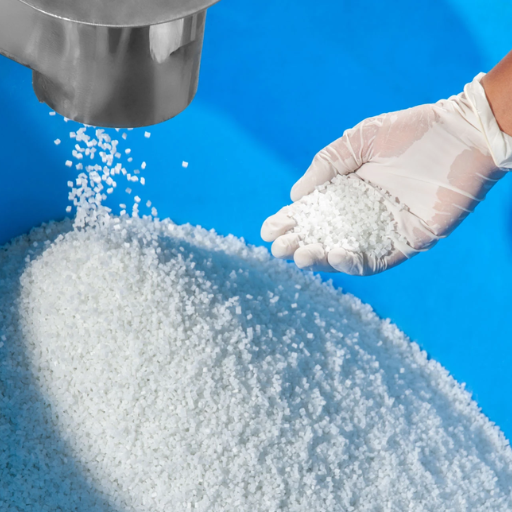
Stabilizers in plastics serve the important function of durability-enhancing, degradation-inhibiting, and prolonging service life. They protect the plastics from adverse effects related to heat, UV radiation, and oxidation, thus granting them consistent performance in all applications. By preventing degradation, stabilizers also help in reducing waste and enhancing sustainability in manufacturing.
Improved Quality and Appearance of Products
Stabilizer brought into the plastic not only improves the quality but also adds visual cues to the finished products. To prevent discoloration, cracking, and warping of the plastic, stabilizers will provide protection, allowing them to maintain their original visual appearance and general structural integrity for prolonged environmental exposure. For transparent plastics, heat stabilizers are important to bring and maintain clarity and gloss for packaging and consumer goods. It was found in the plastic industries that stabilizers can reduce 20% defects in products; thus, less rejection of products takes place during manufacturing, and customer satisfaction levels increase. These improvements not only enhance the perceived value of the product but also its long-term performance; therefore, these need to be considered in any application of plastics today.
Extended Lifespan of Plastic Products
Stabilizers essentially prolong the life of plastics, protecting them from degradation due to environmental factors such as ultraviolet (UV) radiation, heat, and oxidation. According to studies, UV stabilizers can reduce photo-degradation by 50% in outdoor plastic applications, with the result that these products will maintain their structure and appearance over time. Antioxidants are also important in protecting plastics from thermal degradation, both during manufacture and use, and thus in maintaining the mechanical properties of the materials. It is reported that plastic incorporating high-performance stabilizers will last several more years when used in outdoor situations as compared to the untreated ones, which aid in cutting down waste and replacement costs. These findings implicate stabilizers in the enhancement of durability and sustainability in plastic materials.
Cost Savings and Sustainability Contributions
Advanced stabilizers in plastics give a helping hand toward saving costs, in that they increase the lifespan of other plastic products. Research studies have confirmed that UV-stabilized plastics last 50% longer under outdoor conditions relative to untreated materials, and with such increased duration comes lesser maintenance and replacement. Also, a study on polymer stabilizers in construction materials found that improved durability could save on replacement costs by 30% in terms of the lifetime of a product. Another implication of such efficacies lies in reducing material wastage, thus lessening the environmental stress imposed by the production of new plastics and the disposal of used ones.
Environmental Impact Reduction
The longer the plastic survives, the less demand will be felt for fresh materials and energy. This global sustainability goal is achieved by reducing the emissions of greenhouse gases in manufacturing. For example, by increasing the lifespan of outdoor furniture by 5 years, such innovations could reduce plastic waste by millions of pounds per year. This shows how paramount stabilizing additives are in building a circular economy and in conserving resources.
Challenges and Innovations in Stabilizer Technology

Its potentiating technology comes with challenges relating to the interface, i.e., the interplay with different materials, the performance under extreme environmental conditions, and conformity with ever-tightening environmental regulations. Innovations are unfolding to meet this demand by developing greener stabilizers, bringing about higher efficiency of additives, and durability improvements. Key developments involve the use of bio-based stabilizers, formulation refinements to reduce hazardous substance content, and the balance of performance and sustainability.
Environmental Concerns with Certain Stabilizers
Certain stabilizers offer a threat to environmental and human health depending on their toxic components. Heavy metal-based stabilizers, such as those based on lead or cadmium, are considered harmful to ecosystems and human health. If such substances are disposed of recklessly, they can seep into the soil and water system and lead to long-term underground pollution before being bioaccumulated in organisms.
On degrading, plastic stabilizers, most notably those used for PVC production, contribute to the generation of microplastics. More than 8 million metric tons of plastic waste find their way into the ocean each year. Often, residues of stabilizers are among the constituent pollutants. Hence, alternative stabilizers, such as bio-based, non-toxic kinds, have been actively considered as remedies to this problem. Thus, governments and industries have started adopting stricter regulations, such as the REACH system of the European Union, with an intention to curb the risks associated with traditional stabilizers and encourage sustainable innovation.
Development of Eco-Friendly Stabilizers
Recently, due to environmental awareness and forces of regulatory pressure, the push for eco-friendly stabilizers has gained tremendous momentum. As the findings go, calcium-zinc-based stabilizers present a safer alternative to the toxic nekrobatics of lead- or cadmium-based stabilizers, which were commonly applied in polymers like PVC. It has been found that these alternatives can be equal or superior to traditional stabilizers in their thermal and mechanical stabilization properties, yet they are much less hazardous when it comes to human health and the environment.
Plant-based and biodegradable stabilizers provide yet another promising possibility. These stabilizers are generated from renewable raw materials encompassing agricultural or forestry residues and therefore lessen the dependence on the use of nonrenewable resources and heighten the biodegradability of plastics. Examples are given wherein certain scientists have utilized starch or lignin stabilizers in polymers, resulting in decreased impact on the environment and also better performance of the material.
Consequently, some newer developments gave rise to nanocomposite stabilizers. Clay nanoparticles or graphene oxide are among the materials used to prepare nanocomposite stabilizers that have an outstanding resistance to heat and corrosion. It has been reported that nanocomposite stabilizers achieve up to 30% reduction in the amount of stabilizer needed, thus making them a cheaper and environmentally friendly option.
The global market reflects this trend, with industries making significant investments in the development of the green alternative. According to recent industrial reports, the demand is very much so for these new generation solutions, with bio-based and sustainable stabilizers projected to register a compound annual growth rate (CAGR) of above 7% from 2023 to 2030. It’s a trend that shows collective movement to reduce damaging plastic waste while furthering materials science.
Innovations in Stabilizer Formulations
Recent advancements in stabilizer formulations focus on developing materials that are effective and environmentally friendly. Emerging investigations emphasize the use of calcium- and zinc-based stabilizers as a sustainable replacement for the traditional type of lead-zinc stabilizers being abolished in the first place. For example, calcium-zinc stabilizers, due to their non-toxic nature, thermal stability, and compatibility with multiple polymer systems, are being embraced in both industries.
According to industry projections, the market for non-toxic stabilizers is going to witness significant expansion in the near future, under rising demand conditions from the packaging and construction sectors and automotive manufacturing. The latest information suggests that the use of organic-base stabilizers is expected to grow at above 6% a year due to stringent environmental regulations and heightened consumer consciousness. A new paradigm in stabilizer technology, using renewable raw materials such as vegetable-based fatty acids, affords a value proposition balanced between cost and performance. These changing aspects indicate an ever-increasing commitment toward finding solutions that support sustainability goals but do not compromise on functional capabilities in various applications.
Expert Insights and Industry Trends
The stabilizer market has mainly passed through an era where sustainability and innovation have been emphasized. The experts further view the growing applications of bio-based materials and additive technologies as the main forces driving the industry. These trends, in fact, correspond to strengthening regulations on the environment and the considerations on solutions that are best engineered under green ideology. On the other hand, garnering more attention is the possibility of cost-effective formulations that do not compromise performance, bearing in mind compatibility factors across applications. It is thus very expressive that industry leaders maintain that this duality between environmental consciousness and good product design will govern the birth of innovations in the future.
Latest Trends in Stabilizer Technology
The latest developments in stabilizer technology are driven by the dual considerations of performance and sustainability. These recent breakthroughs embrace initiatives such as bio-based and nontoxic stabilizers that show high potential in decreasing the ecological footprint of industrial processes. Bio-based calcium zinc stabilizers, in particular, enjoy kind favor as a more environmentally friendly alternative to the traditional lead-based stabilizers being used increasingly in polymer applications.
Industry data shows that from 2023 to 2030, the eco-friendly stabilizers market is expected to register a CAGR of more than 5%. The growth is brought about by the increasing demand for safe, non-hazardous solutions from industries such as construction, automotive, and packaging. Also, improved manufacturing processes now enable the production of stabilizers with improved thermal and UV stability, thereby enhancing the durability and life of the materials in which they are used.
One final important trend is the creation of multi-functional stabilizer systems that join in one all together stabilization, plasticization, and lubrication features. These systems serve to simplify the formulation process and cut down on overall costs for the manufacturers, thereby having a strong attraction in competitive markets. Industry collaborations and investing in research and development remain important factors that lead to innovations so that sustainable and efficient alternatives to stabilizer technologies may be seen worldwide.
Reference Sources
- University of Michigan – Soil Stabilization and Plasticity
This document discusses the effects of stabilizing agents on plastic materials, including their impact on properties like plastic limits and strength.
Source: University of Michigan - Case Western Reserve University – Discussions on Material Properties
This source provides insights into material properties and the role of additives, including stabilizers, in modifying plastic behavior.
Source: Case Western Reserve University - Sourcing Antioxidant 1076 & Irganox 1076 from China
Frequently Asked Questions (FAQs)
What are stabilizers added to plastics?
The term stabilizers refers to any chemical additive in plastics aiming at the enhancement of durability and performance qualities of the material; stabilizers thus can also protect against other types of degradation that may include thermal and UV degradation when plastics are exposed for an extended time to heat or sunlight.
Why are stabilizers used in the manufacturing of plastic?
When one is making plastic, stabilizers are used so that the resultant plastic products are better stabilized and have a longer life. Stabilizers are responsible for the “degradation of polymers”, or, more specifically, so that plastic under environmental stressors such as heat and UV exposure, its properties and functionality are not lost.
What types of stabilizers are usually used for plastics?
Thermal stabilizers, UV stabilizers, and antioxidants are a few types of stabilizers that come to mind. These are the additives used to protect the plastic matrix from heat and light damage, with the common implication being the extended life of the types of plastic materials.
How do UV absorbers work in plastics?
Basically, UV absorbers absorb ultraviolet rays, not allowing them to enter the plastic and cause degradation. It is important to maintain the integrity of plastic materials when such materials are exposed to sunlight for extended periods of time.
What are the consequences of plastic degradation?
Plastic degradation deteriorates its mechanical performance, causes yellowing, and imparts brittleness, thus making the end-use unfeasible. Understanding polymer degradation and stability is very important for the development of plastic articles able to withstand environmental challenges.
How do thermal stabilizers stabilize aftermarket products?
Thermal stabilizers increase heat resistance in the polymer by preventing degradation of the polymer chains by heat. Heat stabilizers, therefore, become of eminent importance in those high-temperature processes, applications, and uses of the final product.
What is the role of the additives in plastic recycling?
In a way, additives in plastic get in the way of recycling plastics because the additives are needed to maintain the properties of these recycled materials. If properly selected, stabilizers may even aid in plastic recycling and assist in improving the quality of recycled plastics so that they can be used in producing other products.
Would that mean that there were different types of polymer additives?
Yes, the polymer additives include plasticizers, fillers, and stabilizers. Different types have different purposes: to increase the flexibility of a material, to decrease brittlenes,s or to heighten resistance to environmental factors-so that it helps a plastic material with the properties desired.
What is the importance of using good stabilizers?
The goodness of a stabilizer assures that plastics reach long-term thermal stability and resistance to degradation. Stabilizers will increase the lifetime of a plastic article, which, from an engineering viewpoint, should afford better reliability for the plastics and other tough applications.