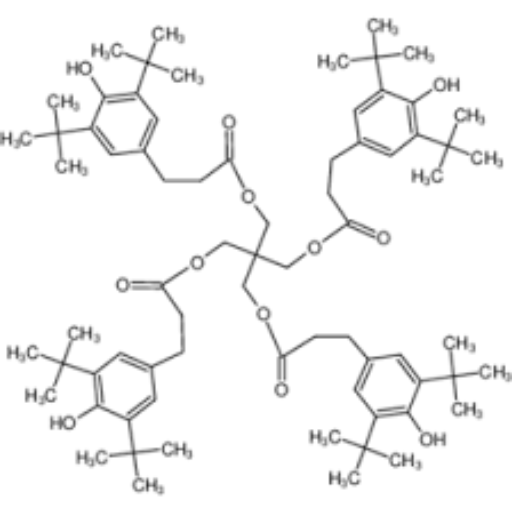


Antioxidant polymers have assumed the critical role of modern-day materials while serving as novel mechanisms for stabilization and aging for the performance of various products under application in. From protection of plastics against various environmental stresses to promotion of resistance for industrial applications, these stabilizers avert oxidative degradation. Recent advancements in the field have opened newer horizons in research and applications, advancing all industries from packaging to aerospace. This paper ventures into the world of antioxidant-based polymers, hinting at their importance, followed by the science that explains their stabilizing mechanism, and culminating with innovations paving the road ahead. Let us unfold the prospects offered by these potent materials and their application in modern technology.
Introduction to Antioxidant Polymers
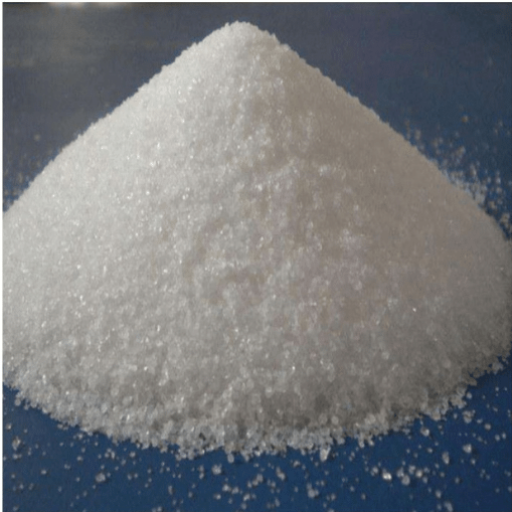
Antioxidant polymer materials act to prevent or delay oxidative degradation of polymers. This oxidation, brought about essentially by the agency of oxygen, heat, light, or mechanical stress, could treat polymeric structures by downgrading their quality and performance. They are polymeric antioxidants that neutralize free radicals or decompose peroxides so that the product’s durability and life span remain intact. Their most common areas of application are packaging, electronics, and the automotive industries, where stability and longevity are of utmost concern.
Overview of Antioxidants in Polymer Science
It can, therefore, be said that there are two categories of antioxidants: primary antioxidants and secondary antioxidants or synergists of secondary antioxidants. Examples of usual primary antioxidants are hindered phenols that react by terminating chain reactions of free radicals and thereby further propagation of oxidative degradation. Secondary antioxidants assist the primary antioxidants in the decomposition of hydroperoxides into stable, non-reactive products. Secondary antioxidant examples include phosphites, thioesters, etc.
Recent Advancements and Data
Modern trends in polymer science witness a shift in attention toward optimizing antioxidant formulations for high-end materials. Studies emphasize the major thermal stability improvement exhibited when synergy between primary and secondary antioxidants comes into play. For example, the phenols working with phosphites can see the thermal stress applied to polyethylene products increase their lifetime by about 40%.
Alternatively, with increased demand in the packaging and automotive industries, the global price for polymer antioxidants steadily increases. Industry estimates assign a value for polymer antioxidants at nearly $1.85 billion in 2022, with forecast revenues exhibiting a CAGR of 5.6% until 2030. The highlighted growth of such industries helps in interpreting the importance of antioxidant technology in extending the life of polymer products and ensuring product safety.
Challenges and Solutions
Antioxidants do serve a very important role in improving polymer performance; however, they face problems like migration out of the polymer matrix over time and incompatibility with high-performance materials. To overcome those problems, polymer-bound antioxidants are being sought, as they limit migration and allow for long-term stabilization. From a further perspective, advances in nanotechnology have set themselves to design nano-antioxidants, which are thus much better dispersed and efficient than the conventional types.
Understanding Antioxidant Polymers
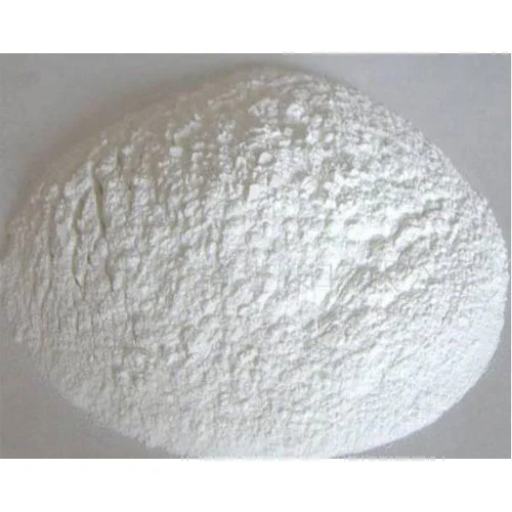
The antioxidant polymers consist of the chemicals that oppose oxidation, thereby slowing down or stopping its degradation. Antioxidants protect polymers from thermal or oxidative stresses during processing or application. Typical antioxidants such as hindered phenols and phosphites will protect the structure and function of the material. For this reason, they are amongst the most significant materials in attaining polymers that are used for long-term applications requiring durability and environmental resistance.
Definition and Characteristics of Antioxidant Polymers
Antioxidant polymers are compounds particularly fabricated to resist oxidation, a chemical reaction that eventually degrades polymers. The process of oxidation involves hardening of the material or turning it brittle, color changes, erosion of mechanical character, etc., all accelerated by heat, or by light, or by oxygen. Antioxidants are added to polymers to safeguard from all such effects so that the usefulness and performance of the polymer are retained during stress.
Oxidation is a chemical process that degrades organic materials. With the increasing use of polymer materials under hostile environmental conditions, antioxidant stabilizers have become very important. Specialists working in the field of polymers in refineries and petrochemical industries observe everything in the polymer industry from raw materials to the finished products, and they have to pass through a process that involves heat, oxygen, and UV presence. Any such process could cause high degradation unless an antioxidant is added to stabilize the prepolymeric compound.
ROSs (reactive oxygen species) contain free radicals bonded to or derived from oxygen molecules. The main oxidation mechanism is through free radical reaction. Primary antioxidants generally interact with free radicals and stop the oxidation process. These are nomenclaturally known as auto-oxidants or anti-oxidants.
Common examples of radical scavengers are hindered phenols, hydroquinone, and aromatic amines. Secondary antioxidants decompose hydroperoxides into non-radical, non-oxidizing, and non-threatening substances, thereby giving further assistance to primary antioxidants. Examples include phosphite esters, thioesters, and cyanides. The synergistic results of these different additives greatly enhance environmental resistance.
The available research has shown that the addition of antioxidant additives may increase the manufactured life of polymers by up to 50% in a given application, conditioned on operational variables and environmental conditions. Polyolefins with antioxidants used in packaging and automotive parts, for instance, exhibit greater resistance to heat or UV radiation. Antioxidant polymers become crucial where materials require long-term stability as an allotrope, e.g., construction, electronics, and medical equipment. Of course, by their very versatility and potency, they have become one of the most crucial technologies in the realm of materials science today.
Examples of Common Antioxidant Compounds
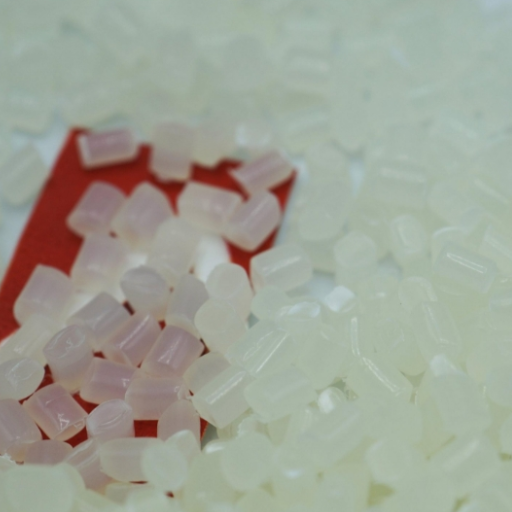
![[REFRESH] Irgafos 168: Uses, Benefits & Specifications](https://welltchemicals.com/wp-content/uploads/2024/01/0-1.webp)
Mostly, antioxidants help to retain and keep the shelf life of materials and various products, in short. Transmission-line defense systems for antioxidants include hydroxyl group antioxidants, phosphites, and amine-bearing antioxidants.
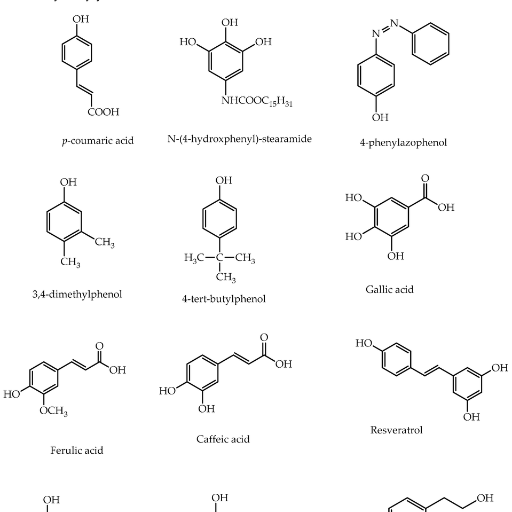
- Phenolic Antioxidants: These antioxidants donate their hydrogen to free radicals, thus opposing their reactive nature. BHT, for example, is the most common antioxidant and is used as a food preservative as well as in plastics and cosmetics. Based on the latest theories posited by studies, phenolic antioxidants might do that to polymers that, under accelerated heat conditions, the polymer’s life against oxidative degradation can be increased by up to 50%.
- Phosphite Antioxidants: Considered complementary because phosphites act synergistically with phenolic antioxidants to enhance performance in thermoplastic and polyolefins. Triphenyl phosphite (TPP) and other phosphites are added to give automotive and packaging applications greater heat and UV resistance.
Higher testing techniques show that which materials formulated with these antioxidants have their mechanical properties improved, and hence, the weather has no adverse effect on them. These materials can bring substantial value to industries relying on polymer infrastructure.
Types of Antioxidants in Polymers
Primary Antioxidants: Scavenging Free Radicals
Primary antioxidants, popularly called chain-breaking antioxidants, are important for neutralizing free radicals and interrupting the chain reactions that result in oxidative degradation. These antioxidants donate a hydrogen atom to free radicals, stabilizing them and thereby preventing these radicals from doing further harm to the material at hand, for instance, the polymers. Hindered phenols and aromatic amines are examples of antioxidants widely distributed and utilized across various industries because of their effectiveness.
Research shows that hindered phenols are good antioxidants and often achieve over 90% in reaction rate, making them excellent at stabilizing polymers in high-temperature conditions. For instance, BHT, which is one of the typical hindered phenols, is prominently used in the stabilization of plastics and elastomers against applications requiring long-term durability.
On the other hand, aromatic amines like diphenylamine derivatives find themselves in applications subject to extreme temperatures, such as lubricants and rubbers, due to their high thermal stability and long-lasting action. Recent bioreduction goes to show the presence of multifunctional antioxidants exhibiting supreme capabilities, merging primary antioxidant action with secondary hydroperoxide-decomposing action. These are intended to meet the growing demands for stabilization systems that are more sustainable and efficient for various industries, for longer material laws, and for better environmental resistance.
Secondary Antioxidants: Decomposing Hydroperoxides
Secondary antioxidants, importantly placed in the purview of oxidative degradation, attack and convert hydroperoxides into non-radical stable compounds. Hydroperoxides mainly come into existence by oxidation of organic materials, and if left to their own devices, constitute a very high hazard as they may fall upon a chain of further degradation reactions. Thioethers and phosphites are removable secondary antioxidants and thus contribute to the decomposition of hydroperoxides.
For example, phosphites like triphenyl phosphite (TPP) have already attracted much attention for their high efficiency of hydroperoxide decomposition. It has recently been proven that phosphites may also act as reducing agents of hydroperoxides to form alcohols, thereby largely eliminating the risk of further oxidation. Studies have shown that polyolefins containing 0.5-1% phosphite antioxidants had 35-50% higher thermal stabilities compared to the systems containing no secondary antioxidants. This actually equates to enhanced durability of the materials, especially on long-term exposure to heat.
In addition, new generations of thioether antioxidants have been brought to high-temperature applications and proved themselves in industrial environments such as automotive and aerospace manufacturing. These compounds exhibit exceptional hydroperoxide decomposition properties without forming any hazardous byproducts. Recent experiences have also proved that thioether additives can enhance the life of a polymer by about 30%, providing increased resistance to oxidative stress encountered in lengthy usage.
Complementary Functions of Primary and Secondary Antioxidants
Primary and secondary antioxidants work together to give full protection against the oxidative degradation of polymers. Primary antioxidants like hindered phenols are very capable of scavenging free radicals that are formed by the free radicals, which donate hydrogen atoms, and thus prevent the free radicals from starting oxidation chains. These antioxidants mostly work during processing, where the heat and mechanical action may generate free radicals so fast.
In contrast, secondary antioxidants such as phosphites and thioethers can serve a complementary preservative function. These chemicals break apart hydroperoxides into non-radical, stable molecules, almost putting an end to the propagation step of oxidation. In fact, in one study, phosphites have been shown to decrease hydroperoxide concentrations by 40%, thereby allowing considerable delay in degradation. The thioethers, as secondary antioxidants, help the regeneration of primary antioxidants by interacting with oxidation byproducts, thereby continuing the efficiency of the stabilization system.
Together, the combined action of primary and secondary antioxidants renders an optimized stabilization framework so that its lifetime and performance can be stretched under environmental stressors. The whole two-pronged approach is, in fact, central to achieving the higher durability of the materials and giving an impetus to sustainable developments by lessening material waste and cutting down on frequent replacements.
| Antioxidant Type | Function | Examples | Applications |
|---|---|---|---|
| Primary | Scavenging free radicals | Hindered phenols, BHT | Plastics, elastomers |
| Secondary | Decomposing hydroperoxides | Phosphites, thioethers | Automotive, aerospace |
| Synergistic | Combined protection | Primary + Secondary combinations | High-performance materials |
Applications of Antioxidant Polymers
These polymeric antioxidant finds usage in various industries to impart longer life and reliability to materials subjected to environmental stresses. Typical examples are:
- Packaging Materials: It protects plastic films and containers against weathering actions brought on by light, heat, or oxygen, thus ensuring the safety of the product and giving it a longer shelf life.
- Automobiles: To keep parts such as tires, seals, and interior plastics from oxygen degradation, imparting better durability.
- Construction Materials: Facilitates better performance of coatings, pipes, and insulation, especially in outdoor environments.
- Electronics: Protects cables, casings, and other polymer components of devices from heat and electrical stress.
- Textiles: Imparts resistance to fading and degradation in synthetic fibers used for outdoor or industrial fabrics.
Role of Polymeric Antioxidants in Various Applications

Among polymeric antioxidants, coextenders provide life extension to automotive components and, thereby, performance. Contemporary vehicles employ a huge number of rubber and polymeric materials in components such as tires, belts, hoses, and seals; hence, these components have to deal with heat, oxygen, and mechanical stresses. Research has shown that rubber composition, when mixed with antioxidant systems containing hindered phenols and amine-based stabilizers, can reduce oxidative degradation to a great extent and retain mechanical integrity under prolonged exposure to severe conditions. For instance, tire life may be increased by about 20-40% through an effective stabilizer incorporated into its composition.
Use in Packaging Materials
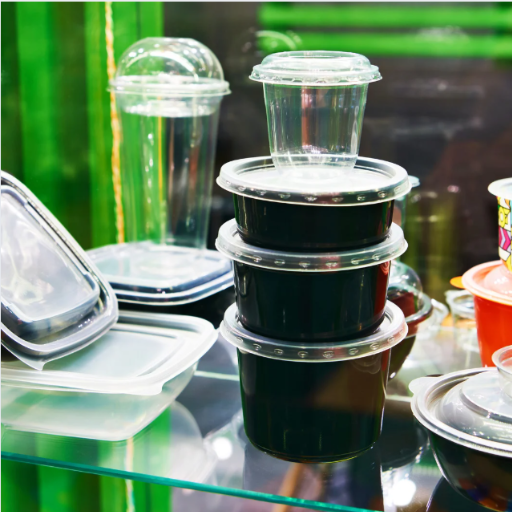
Polymeric antioxidants are effective for application in packaging for foods and pharmaceuticals. Such materials shield plastic films and containers from thermal and oxidative stresses encountered during manufacturing, storage, and transportation. Phenolic antioxidants, phosphites, and thioesters are widely employed in polyethylene and polypropylene to maintain the transparency and durability, and resistance to stress and cracking. In recent years, studies have even claimed that a stabilizer can prolong the useful life of packaging material by approximately 30%, to ensure better protection for the contents within.
Electrical and Electronics Sector
Polymeric antioxidants are vital in preserving insulation materials so that they are stable and reliable for electrical and electronic equipment. Polymers in cable insulation and in electronic housings may be subjected to heat and weather, thereby causing premature aging. HALS, in combination with antioxidants, prevent decay very effectively. According to studies, electrical insulation materials, when impregnated with advanced antioxidants, improve thermal resistance by 25% and reduce cracking to confirm safety and operational efficiency.
Therapeutic Uses in Drug Delivery Systems
These polymers with antioxidant activity are indeed one leap forward in the evolution of drug delivery systems. They have properties that place them in the realm of improved efficiency and therapeutics, and include stability. The polymers can be designed to release the drug during very long periods, thus producing long therapeutic effects and lowering drug administration frequency. For example, polymeric drug carriers improved the solubility of poorly water-soluble drugs and significantly enhanced their bioavailability, thus greatly increasing clinical applications.
In addition, medicines encapsulated in oxidative polymer systems are safeguarded against oxidative degradation, which usually causes a decrease in potency. This function becomes very important for drugs, especially proteins, peptides, and biologics, as they are susceptible to oxidation processes. Recently, it has been reported that polymer coating delivery systems can increase the shelf-life of certain drugs by 50% and thus act as a cost-effective and reliable alternative.
Antioxidant polymeric nanoparticles are now the forerunners in drug delivery, boasting the ability to ensure site-specific drug release. This increases the efficacy of the treatment while reducing the side effects of the medicines that act off-site. For instance, polymer nanoparticles tend to accumulate at higher levels within tumor tissues to load chemotherapeutic agents, thereby sparing healthy tissues from needless treatment.
Industrial Applications for Stability
Antioxidant polymers have always been implicated in the stability of industrial products and in looking after the product when tough conditions arise in service. They find relevant applications in the plastics and rubber industries, as these materials would be hindered by oxidative degradation when exposed to heat, light, or oxygen in a typical environment, thus impeding their life and functionality. In contrast, in the industries dealing with plastics, the presence of antioxidant polymers has even been reported to diminish polymeric materials’ degradation rate by nearly 50%, thereby greatly enhancing the aging of consumer and industrial products.
Another important application in the field of food packaging involves the use of antioxidant polymers that impart freshness and quality to foods by preventing oxidative spoilage. Sukoltham et al. describe how advanced polymer coatings are able to increase the perishability shelf life by 30% to 40%, thereby averting wastes and possibly enabling efficiency in the supply chain. Additionally, such polymers serve in the oil and energy sectors by stabilizing fuels and lubricants with poisons and by-product formation while simultaneously minimizing equipment wear.
Consumer Products: Extending Product Life
Antioxidant polymers serve an important function in lengthening storage life and maintaining the consumer quality of the product. For example, in the food and beverage sector, they are added to packaging to prevent oxidation that reduces product freshness, taste, and nutrition with time. Packaging with antioxidants has been demonstrated by a study to extend the shelf life of certain perishables up to 30%. This greatly helps reduce food wastage and benefits the economy and environment.
In the cosmetic and personal care industries, antioxidant polymers are used to maintain the stability of the active ingredients. In skin care, antioxidant polymers would prevent the degradation of vitamin C and vitamin E, allowing them to function for a longer time. Needless to say, this produces awesome customer satisfaction-when customers get products that actually do their job. Developments like these prove just how much antioxidant polymers are shaping the consumer industry from the perspectives of quality maintenance and sustainability.
Advances in Antioxidant Polymer Research
Recent Innovations in Antioxidant Integration
The newest trends in the practical integration of antioxidants revolve around their sustainability and ability to provide maximum efficacy in all fields. In food packaging, bio-based antioxidant polymers synthesized from renewable sources such as lignin and chitosan are a proposed green alternative to their synthetic counterparts. In theory, these natural antioxidants prevent the lipid oxidation of packaged foods while minimizing anthropogenic side effects due to conventional antioxidants. It has been reported that edible coatings incorporating these polymers can increase the shelf life of fresh fruits by almost 50%.
In the pharmaceutical sector, inventions are unfolding in the drug delivery system with novel nanocarriers carrying antioxidant action. Antioxidant load on nanoparticles stabilizes the drug by about 40% if reported recently, ensuring steady therapeutic delivery. Also, the systems could treat pathologies of interest and minimize oxidative stress in diseases such as cancer and cardiovascular diseases.
That means the cosmetic industry is applying the latest methods for preparing antioxidants. Microencapsulation is the process of development, in which things like antioxidants are slowly released into these formulas. Vitamin C emulsions created by the microencapsulation technique are reported to remain active for about 24 hours, rendering fine skin protection during that time. These new developments speak about continuous commitment toward the use of antioxidants for product technological and sustainability applications in various other fields.
Comparative Analysis of Stability Enhancement Methods
From the perspective of stability-enhancing methods for antioxidants, technological intervention methods will be used, such as microencapsulation, nanoparticle delivery, and emulsification. Microencapsulation offers prolonged release of the active compounds, such as vitamin C, and thereby extends the period of their action and initiation of premature degradation. The studies also demonstrate microencapsulation of antioxidants, offering about 80% more protection from environmental factors such as UV rays and oxygen than the samples that are not encapsulated.
Nanoparticle delivery, on the contrary, allows targeted delivery of antioxidants so that they remain stabilized until they reach the site of action. Nanoparticles can enhance antioxidants’ solubility and bioactivity by up to 65% and thus serve as very effective delivery methods in pharmaceutical and cosmetic applications.
These processes serve emulsification, wherein antioxidants are introduced into the stable emulsions. For example, oil-in-water emulsions favor dispersion and absorption of fat-soluble antioxidants such as vitamin E. Studies have also revealed that emulsified antioxidants display 50% more activity retention with time when compared to their conventional formulation. Since all methods have peculiarities and advantages, it is always application-specific and dependent on what result is sought.
Future Trends in Antioxidant Polymer Development
Currently, the antioxidant polymer technology is profitably being promoted along the axes of efficiency, sustainability, and adaptability to various applications. The new trends favor the growth of bio-based antioxidant polymers, i.e., from a renewable source like lignin and chitosan. In any case, the material can, therefore, reduce dependence on petroleum-based products and can assist in benefiting the environment, which has been degraded faster and with a much lower carbon footprint.
The other major trend in antioxidant polymers is the intervention of nanotechnologies. Antioxidant polymers act upon the dispersion of nanoparticles. Clay, metal oxides, as well as other carbon-based materials, are nanoparticles that have been introduced. Nanocomposite polymers impart marked advantages over the traditional formulation in terms of enhanced thermal stability and antioxidant power. For example, Anti-oxidative power enhancements of up to 70% were witnessed when graphene oxide nanosheets were incorporated into polymer matrices subjected to accelerated aging tests.
In addition, intelligent or “smart” polymers with responsive antioxidant functionalities are proving to be more popular. These polymers release their antioxidants adaptively in response to particular environmental stimuli such as temperature, pH changes, or UV exposure, so that they can provide optimized protection for a longer duration. In fact, recent experimental reports confirm that these polymers have actual use as their application extends the shelf life of food packaging materials by 30-40%.
Machine-learning-assisted material science is wholeheartedly facilitating the targeted design of antioxidant polymers. Predictive algorithms have been fast-tracking new polymer structure discovery by highlighting formulations that really matter in terms of cost, functionality, and sustainability. Meanwhile, state-of-the-art 3D printing acts as the bridge to custom-fit solutions for fields as diverse as medical science and automotive engineering.
The trends suggest that more efficient and greener tailor-made antioxidant polymer solutions are able to meet the ever-increasing demands of a vibrantly dynamic world market.
Challenges and Future Directions
Limitations of Current Antioxidant Polymer Technologies
While they find numerous applications and potentialities, antioxidant polymer technologies face a few limitations. The chief consideration has lagged behind the time-wise degradation mechanism of antioxidants in effect, so as to consider the longevity of the application. For example, thermal or oxidative stress during polymer processing may deplete antioxidants, thus affecting material stability.
Besides, many traditional antioxidants in polymers, such as some phenolic antioxidants, can raise issues of safety and environmental concern. Studies have indeed confirmed migration of some commonly used stabilizers from polymers with time, thus posing a risk of exposure to man and the environment. The demand for non-toxic, bio-based alternatives has thus increased, though such means come at a higher price and are rarely as efficient.
A further limitation is achieving a consistent distribution of antioxidants along the polymer matrix. Due to uneven dispersion, degradation may occur in localized zones, hence diminishing the overall performance of the material. Nanoparticle-based antioxidant systems are some of the techniques being studied to solve this problem. Meanwhile, such solutions are still in their infancy, usually meaning intricate syntheses that pose additional costs to production.
Recyclability continues to be one major hurdle. Certain types of antioxidants can interfere with recycling processes by leaving behind chemical residues that alter the properties of the recycled material. Hence, great emphasis must be placed on developing antioxidants that are not only highly efficient but also agree with the premises of the circular economy and sustainability.
Emerging Trends and Breakthroughs in the Field
Recent, ever-evolving trends mark impressive achievements toward the development of sustainable and efficient antioxidants. Increasingly, research activities are concentrated on bio-based antioxidants from natural materials, like plants and algae, to oppose the use of synthetic counterparts. Bio-based antioxidants bear a similar potential while being considered environment-friendly and less harmful to ecosystems, a point that really fortifies sustainability. For instance, it is proven that lignin, an aromatic polymer found primarily in plant cell walls, can possess antioxidant properties: this is an area of current research in polymer stabilization.
Nanotechnology, too, is making inroads into the enhancement of antioxidant performance.ghts. Nanosized antioxidant particles disperse much more effectively through the material, thereby impeding thermal and degradation processes. Early evidences even have it that the longevity of the material can be increased by about 30%, thereby being beneficial economically and environmentally.
Another interesting development in this field is designing antioxidants with better recyclability. The newer trends focus on antioxidants that can be easily separated and that degrade cleanly or are easily extracted during recycling so as to present little risk of contaminating recycled goods. All these trends suggest a big push to marry modern technology with sustainable approaches to serve the purposes of present-day industry and environment alike.
One of the main issues facing the development of antioxidant polymer solutions today is that performance must be balanced with sustainability. This calls for the need to consider and innovate to produce materials that are cost-efficient, well-performing, and environmentally friendly at the same time. The other bigger challenge is scaling up production processes for industrial demand while assuring acceptable product quality, yield, and minimum wastage.
An increasing motivational focus will be invested in improving recyclability with low environmental impact and enhancement of the application domains for antioxidant polymers. Industries, academia, and policymakers will need to come together, overcome the present constraining barriers, and work themselves up toward a systemic approach to innovative sustainable solutions.
Conclusion
Recap of Antioxidant Polymer Importance
The safeguarding of materials from oxidative degradation by antioxidant polymers extends the lifespan and enhances performance. These antioxidants serve to increase the life of plastics, rubber, or whatever it may be, exposed to the ravages of the environment-heat, light, oxygen. Such polymerization and weather resistivity mean lesser wastage of materials and more sustainable options on recycling and longer stability of products. Bringing antioxidant polymers together is necessary for the retention of properties and to solve the increasing demand for reliable and environmentally accepted solutions from different sectors.
Call to Action for Further Research and Innovation
To meet the demand for environmentally friendly materials, researchers must look into new frontiers of antioxidant technologies. Recent developments suggest that natural antioxidants derived from plant sources may be offered as replacements for synthetic additives. Natural antioxidants, including tocopherols and polyphenols, seem to have satisfactory stabilizing effects with a lower environmental impact. On the other hand, trends in nanotechnology present new avenues for enhancing the dispersion of antioxidants within polymers and improving the performance of materials at large.
Awareness regarding sustainability was heightened, and strict government regulations were applied, leading to a handsome 5% CAGR between 2023 and 2030, or so the industry’s analyses suggest. This really means there’s a pressing need to invest in new research and foster some close cooperation between industry and academic institutions. Stakeholders are hence encouraged to really focus on innovation that strikes a balance between performance and being eco-friendly for the demands of tomorrow.
Reference Sources
- Engineers Find Antioxidants Improve Nanoscale Visualization of Polymers – This research explores how antioxidants enhance the nanoscale visualization of polymers, pushing the resolution limits in polymer electron microscopy.
- Synthesis and Characterization of Polymeric Antioxidants – This work focuses on biodegradable polymers incorporating phenolic antioxidants within the polymer backbone.
- Antioxidant-Based Poly(Anhydride-Esters) – This study discusses polymers containing antioxidants like p-coumaric acid, ferulic acid, and sinapic acid, which can be fine-tuned for controlled antioxidant release.
- Sourcing Antioxidant 1076 & Irganox 1076 from China
Frequently Asked Questions (FAQs)
What are the polymers of antioxidants?
The huge molecules of antioxidant polymers are formed when smaller units, which contain antioxidant properties, are chemically bonded. Free radicals, in turn, get scavenged by these polymers to decrease oxidative stress, thus maximizing the stability and life of a number of materials, plastics, and food products, inclusive.
How do synthetic antioxidants act?
Synthetic antioxidants are synthetic compounds capable of preventing materials from oxidation. By donating electrons to free radicals, they keep these radicals neutralized and materials protected from degradation of polymers and others. Their measure of effectiveness is generally judged by their antioxidant capacity and efficiency in others.
What is the importance of having an antioxidant activity in polymerization?
The oxidation actions must be minimal in polymers to ensure and increase the durability of the materials. Antioxidant molecules become part of the polymer chain and provide protection against oxidative stresses in making that particular material to a greater extent, as deemed necessary in packaging and coatings. Other than this, having antioxidant molecules in the polymer chain greatly improves its ability to withstand oxidative stresses, which is of high significance in packaging and coatings.
Name different types of antioxidants used in polymer synthesis.
Antioxidants used in polymer synthesis can be divided into two broad groups: primary and secondary antioxidants. While primary antioxidants prevent free radical formation, secondary antioxidants scavenge free radicals that are resistant to scavengers, thereby exerting a two-way defense against oxidative stress in polymers.
How does the synthesis of antioxidant polymers improve their properties?
The synthesis of antioxidant polymers comprises structurally introducing antioxidant moieties into the polymer matrix, thereby increasing the intrinsic antioxidant properties of the material to wind up with stability and a strong antioxidant effect required by many industrial applications.
What are sustainable antioxidants and their importance?
Sustainable antioxidants are an alternative way of antioxidants which are synthetic antioxidants. These antioxidants come from a natural source and possess great antioxidant potential, making them favorable for roles in biodegradable polymers and any other earth-friendly application, thereby reducing the degree of environmental impact.
Whether antioxidant polymer nanoparticles increase efficiency in antioxidant action or not?
Due to their increased surface area and efficient delivery mechanism, antioxidant polymer nanoparticles have the potential to greatly heighten antioxidant efficiency. According to their nature and behavior, these nanoparticles can find application in different fields such as food preservation and biomedical applications, where they exhibit potent antioxidant activities.
What is the role of antioxidant vitamins in polymer stabilization?
Vitamins such as vitamin E and vitamin C can be considered antioxidant vitamins and, therefore, may be added as natural additives into polymer formulations. Acting as stabilizers, they protect the polymers from oxidative degradation, whilst enhancing the polymer’s antioxidant capacity, thus resulting in the prolonged lifetime and better performance of the material.
What does the total antioxidant capacity of a polymer mean?
In the realm of polymer processing, the total antioxidant capacity is endowed with the property of producing an overall assessment of a system’s potential to inactivate free radicals and counteract oxidation. This would essentially be used to test antioxidant additives and to ascertain the net antioxidant effect of the polymer in various applications.