

A Comprehensive Guide to Sustainable Polymer Protection
Polypropylene is one versatile polymer that finds numerous applications; it is sought after throughout industries due to its qualities of strength, durability, and cost-effectiveness. But like any polymer, this material is degraded by heat, light, or oxygen, the three pathways of natural weathering. These are the places antioxidants can play their part. It seems that greener solutions may exist. The article offers an exciting proposition of using natural antioxidants toward the stabilization of polypropylene, promulgating a sustainable yet effective way of protecting this highly essential polymer. Join us as we find natural ways for an eco-friendly future in polymer stabilization.
Overview of Polypropylene and Its Applications
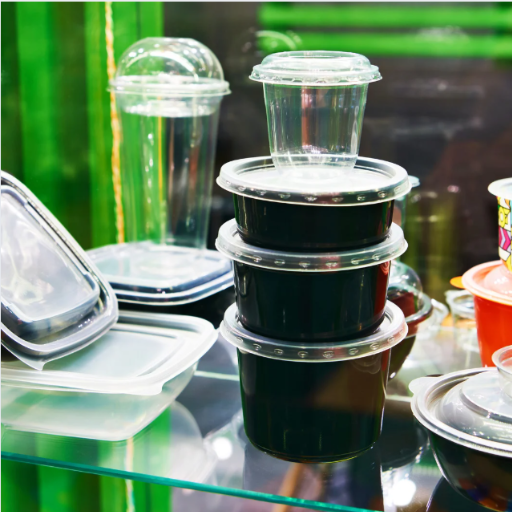
Polypropylene is a thermoplastic resin with many applications within numerous industries, with being durable, lightweight, and reasonably priced being some of its essential properties. Common applications of polypropylene include packaging, automotive components, textile materials, pharmaceuticals, and domestic utensils. Its resisting properties against chemicals, moisture, and abrasion make it useful in several industries. Furthermore, polypropylene is fully recyclable, which adds to its popularity among various industries for being a sustainable option.
Importance of Antioxidants in Polypropylene
The antioxidants are essential to maintain the performance properties and longevity of polypropylene. Polypropylene, in the course of processing and its entire lifetime, can be exposed to heat, light, and oxygen that would trigger oxidative degradation. Oxidative degradation is not good for mechanical properties, color, utility of a material, etc. Normally, primary antioxidants, including hindered phenols, are put in for thermal oxidation-neutralizing free radicals. Secondary antioxidants, phosphites, and thioesters, act as stabilizers to disintegrate the hydroperoxides created through the oxidation process.
Key Performance Enhancement
Recent developments have suggested that the incorporation of antioxidants into polypropylene has a very powerful effect on the enhancement of its thermal stability, toward the use of higher processing temperatures for more efficient manufacturing purposes. Under certain formulations and with particular antioxidant additives, the thermal stability of polypropylene is increased by as much as 40%. Materials with such makeup stay tough, strong, and beautiful over long periods despite being subjected to harsh environmental conditions.
These properties make antioxidants very important in extending the service life of polypropylene-type products used in various industries, including automotive, packaging, and construction.
What Are Antioxidants?
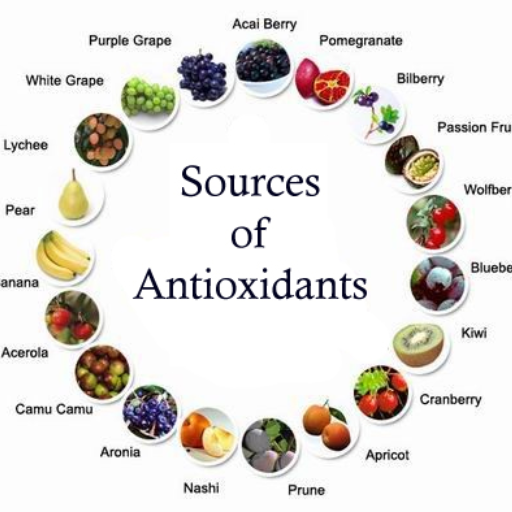
That activity is inhibition by an antioxidant, or in simpler terms, something that prevents or slows down the degradation of matter through the process of oxidation. An antioxidant, for example, would protect a substance such as polypropylene from deterioration due to heat, light, or oxygen. Potentially, it extends the lifespan and improves the durability, with antioxidants always being of importance in ensuring that the product is acceptable in terms of quality and performance.
Definition and Role of Antioxidants in Polymer Stabilization
In general, antioxidants are divided into two groups: primary and secondary. Primary antioxidants, an example of which is hindered phenols, stop oxidation by quenching free radicals. Some examples of secondary antioxidants are phosphites and thioesters; these deactivate hydroperoxides by converting them into non-radical species and, therefore, stop the polymer from degrading.
Importance of Antioxidants in Polypropylene Processing
At high temperatures, polypropylene is very prone to thermal and oxidative degradation during processing. Researchers mention that without any kind of stabilization, the mechanical properties of polypropylene may be severely affected, losing tensile strength and impact resistance with long heat and oxygen exposure.
Critical Fact: It has been shown that the tensile strength of a polypropylene sample may be reduced by 60% in a span of a few days when it is not properly stabilized.
Types of Antioxidants Commonly Used in Polypropylene
Polypropylene is a commonly used polymer in some sectors and can be stabilized against thermal and oxidative stresses to protect a performance or durability condition. The more common types of antioxidants in polypropylene fall into two main categories:
Primary Antioxidants
![[REFRESH] Irgafos 168: Uses, Benefits & Specifications](https://welltchemicals.com/wp-content/uploads/2024/01/0-1.webp)
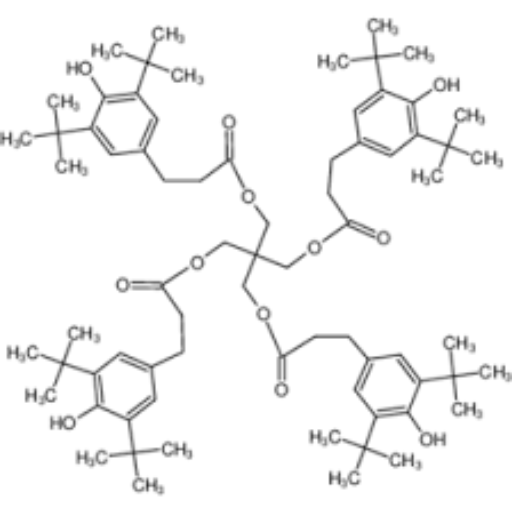
A primary antioxidant, otherwise called a free-radical scavenger, acts chiefly as a hindered phenol. These antioxidants prevent oxidation by neutralizing free radicals and, in so doing, break down polymer chains. An example is butylated hydroxytoluene (BHT), which is predominantly known for its efficient stabilizing properties, especially in conditions entailing high temperature. It was found that these antioxidants extend the service life of polypropylene products by aiding thermal resistance.
Secondary Antioxidants
Secondary antioxidants, often phosphites and phosphonites, serve as peroxide decomposers. In cooperation with primary antioxidants, they metabolize hydroperoxides produced in the oxidation process. One famous secondary antioxidant is tris(2,4-di-tert-butylphenyl)phosphite. These formulations are employed when high long-term thermal stability needs to be achieved.
Synergistic Use of Antioxidants
Combining primary and secondary antioxidants provides more effective protection for polypropylene. Researchers and developers have found that combining these two stabilizers to polypropylenes can increase oxidative induction time (OIT) values and thermal resistance by about 50%, so that products can remain durable and stable under challenging conditions.
Why Polypropylene Needs Antioxidants
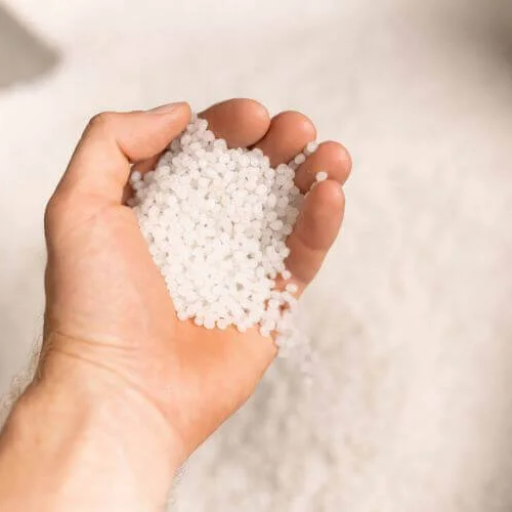
Antioxidants are necessary in polypropylene because such exposures could lead to the loss of material during heating, oxygen, and UV radiation in processing and use. Polypropylene can oxidize without additives and become brittle, discolor, and lose strength. Therefore, antioxidants assist the polypropylene in maintaining its structural integrity and functionality over time, especially in a hostile environment or application.
Challenges of Oxidative Degradation in PP Processing
Oxidative degradation poses grave threats during polypropylene processing in terms of yield attainment and quality of life. The high temperature required during extrusion or molding accelerates polymer chains through oxidation. Various changes may occur, such as loss of tensile strength, loss of deep color to a lighter tint, and brittleness. Studies show the increased rate of degradation happens at temperatures as low as 150°C and increases with an increase in temperature and time interval of exposure of the material.
- Degradation is worsened by the presence of oxygen in the processing atmosphere
- According to thermal oxidation, elongation at the break may be reduced to 80% in polypropylene samples that are severely degraded
- UV radiation presents additional problems for outdoor applications
- Unprotected polypropylene tends to yellow and crack when exposed to sunlight for a long period
A good stable formulation should combine primary antioxidants, including hindered phenols, and secondary antioxidants, such as phosphites or thioesters. Two groups of additives act synergistically to protect the product material against radical formation and polymer degradation during processing and throughout its lifetime.
Mechanism of Action
Natural antioxidants are protective elements that react with free radicals, made up of unstable molecules, so that these free radicals do not harm cells through oxidative stress. In fact, they restore damage caused by free radicals by donating an electron to the free radicals, thereby stabilizing them and preventing them from harming cells. Therein lies the protective mechanism that prevents conditions resulting from oxidative stress, the aging process, and chronic disease. Some important antioxidants involved in this defense are vitamin C, vitamin E, and polyphenols.
Prevention of Oxidative Degradation in Polypropylene
Industrial use and applications of polymers are quite massive, but these are limited by such polymers being affected by degradation and consequent diminution of properties during processing, e.g., any thermal or radiation effect. Usually, stabilizers are added during processing to impart resistance to such degradative assaults.
An antioxidant with steric hindrance is a common example of a classical primary stabilizer. The antioxidant offers a hydrogen atom to stop the degradation by breaking the free radical chain reactions that lead to oxidation. Secondary stabilizers like phosphites and thioethers come into play too-peroxide decomposers might decompose dangerous hydroperoxides formed during the oxidation, reducing their oxidative degradation.
Increased thermal stability of polypropylene resin is discussed synergistically with hindered phenols and phosphite antioxidants. For example, the data are shown, indicating that a polypropylene resin compounded with the above-mentioned combination should theoretically resist oxidative degradation on processing at 240°C.
Hindered Phenolic Antioxidants and Their Role
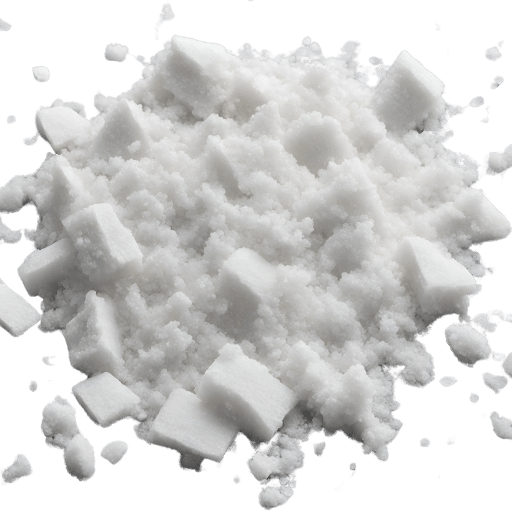
A sturdy polymer is kept from oxidation by the phenolic antioxidants. They act by furnishing the free radicals with hydrogen atoms, stopping the chain polymer oxidation reaction. These particular antioxidants carry bulky substituent groups around the phenolic group, which bestow stability and reactivity onto them, thus becoming especially efficient in dealing with oxidation for longer durations.
According to recent work, hindered phenolic antioxidants were distributed under names such as Irganox 1010 and Irganox 1076 and had been preferred in commercial applications from packaging to automotive and electronics because of their superior thermal stability. For example, Irganox 1010 has been said to retain functionality at temperatures above 200°C with consequent furnished use in high-performance thermoplastics.

Performance Data: 0.1% hindered phenolic antioxidant in polymer formation was experimentally shown to reduce oxidation levels by about 80%, thus significantly extending the service life of the material.
They are usually compounded with phosphite stabilizers to enhance their level of protection. The synergy of these mixed formulations further tackles the primary oxidation problems and potential thermal degradation, thereby ensuring the materials perform to specification under even arduous processing conditions.
Phosphites and Phosphonites in Processing Stability
Phosphites and phosphonites stabilize polymers during high-temperature processing. The secondary antioxidants had the capability of destroying hydroperoxides that were generated in the initial stage of oxidation. Their use greatly enhanced the thermal stability of the polymer, thus preventing chain scission and maintaining material integrity.
More recently, it was noted that phosphites and phosphonites perform extremely well, acting synergistically with primary antioxidants. For example, some experimental results have shown that a combination treatment may reduce polymer degradation rates by up to 50%. Conversely, some high-purity phosphites (such as tris(2,4-di-tert-butylphenyl) phosphite) resist hydrolysis very well and are thus favored in harsh application conditions. These stabilizers also preserve the polymer from discoloration, to the extent that the polymer maintains its external appearance and mechanical properties through a certain period.
An increasingly innovation-oriented global space is emerging for proprietary phosphite formulations that enhance long-term heat stability so that polymers may endure prolonged exposure to high temperatures without hindrance to structural performance.
Emerging Trends in Natural Antioxidants
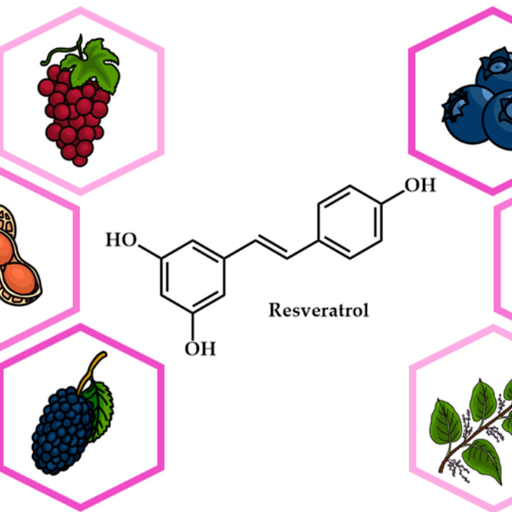
Growing consumer awareness regarding clean-label products and the health benefits of natural antioxidants has set in a chain reaction, thus fueling the market growth. As the name suggests, natural antioxidants are generally derived from plant-based sources, including fruits, vegetables, herbs, and spices, and fall in the consumer’s favor as they cope with oxidative stress implicated in aging, chronic diseases, and inflammation.
An increased interest is also seen in polyphenols, flavonoids, and carotenoids found in commodities such as green tea, turmeric, and berries. For example, some reports say that the worldwide demand for green tea extract, which is loaded with catechins considered antioxidants, is anticipated to grow at a 6.5% CAGR until 2030. Turmeric curcumin is yet another ingredient gaining prominence for dual uses as a dietary supplement and as a natural food preservative.
Market Growth
Simultaneously, natural antioxidants are promoting the growth of the functional food and beverage industry. These products are claimed to have the potential to promote immunity, others’ heart health, and yet some claim to have anti-aging properties, all aligning well with the consumer interest in holistic wellness. Over 30% of all functional food launches for the past few years had antioxidant-rich ingredients, marking the trend.
Extraction technology for natural antioxidants is developing fast to promote more efficient and greener applications. Considering supercritical CO2 extraction and ultrasonic-assisted extraction, high-purity antioxidants can be obtained while also maintaining the environmentally friendly character of the procedure. Accordingly, such advancements will further push the influx of green and efficient solutions in the natural antioxidants industry.
Applications and Benefits
The formulation of polypropylene with enhanced stabilization finds immense advantages in all industrial domains. In packaging, this leads to a prolonged shelf life of products and maintains the material’s integrity in adverse conditions. In the automobile sector, stabilized polypropylene provides for durability and wear resistance, thereby reducing maintenance. Simultaneously, it offers construction materials that resist environmental stress while simultaneously enhancing efficiency and reducing costs. These are just some areas of application, hence showing the versatility and importance in critical sectors.
Use of Antioxidants in Virgin and Recycled Polypropylene
In order to preserve the quality of both virgin and recycled polypropylene, antioxidants support its stability. Heat, oxygen, or UV radiation exposure during polypropylene processing and the span of its existence can impose oxidation upon it, degradation, which hinders mechanical and visual properties. The antioxidants inhibit this process of oxidation, thus assuring longevity and performance of the material.
In general, virgin polypropylene will be stabilized by using primary antioxidants (e.g., hindered phenols) alongside secondary antioxidants (e.g., phosphites) to achieve the purposes of thermal degradation and maintain high performance in extrusion and molding operations.
The use of antioxidants becomes even more crucial when talking about recycled polypropylene. In recycling, heat and shear stress are almost always applied, so we want to apply processes that mitigate degradation. Antioxidant systems are thus designed to protect in relation to degradation, received in the first industrial application and the previous processing cycle. As an example, studies have reported that with the right amount of stabilization, recycled polypropylene can retain essentially all mechanical properties of the virgin materials and be further processed into products requiring more demanding use, such as automotive parts and packaging solutions.
Enhancing Lifespan and Performance of Polypropylene Products
Among important advanced technologies that can enhance the life and performance of polypropylene products are additives. Stabilizers provide crucial protection to polypropylene from thermal and oxidative degradation. Today, formulations typically include hindered amine light stabilizers (HALS) and phenolic antioxidants providing stability under long-term high heat and UV exposure.
UV Resistance Enhancement: According to reports, certain formulations using an optimum blend of HALS can raise the UV resistance of polypropylene by up to 300%, and thus, increase its service life quite significantly in outdoor applications.
Since nucleating agents impart the treatment of improvement in mechanical properties for polypropylene,-on the other hand, they develop the fine crystalline structure of the polymer-even stronger, stiffer, and clearer. For example, the higher-impact resistance in the presence of suitable nucleators-shortening the cooling time during production-offers enhanced production efficiency.
Challenges and Considerations
Therefore, managing sustainability for polypropylene products holds various complications. One major barrier is the difficult recycling of mixed plastic materials, which often leads to contamination or a lowering of the quality of the recycled content. Also, recycling can be energy-intensive, in which case the negative environmental contributions can counteract some of the positive ones if the processes are not optimized. Hence, the development of cheaper compatibilizers, coupled with an aggressive promotion of superior recycling technologies, is vital to removing these barriers.
Monitoring Antioxidant Consumption During Processing
The monitoring of antioxidant consumption during polypropylene processing governs the output quality and product performance. Increased processing temperature and mechanical stresses act as agents for accelerated degradation mechanisms of antioxidants, consequently decreasing their stabilization capacity for the polymer. Studies during recent times show that extrusion processes lead to thermo-oxidative degradation resulting in considerable reduction of antioxidant concentration; in some cases, more than 50% depletion of some mount stabilizers is recorded within a single processing cycle.
Beyond antioxidant-assisted protection, control of processing parameters, such as lower extrusion temperatures and minimum shear stress, can help in conserving antioxidants for maximizing the recycling ability of polypropylene. The inclusion of state-of-the-art process monitoring tools will continue to be essential in upholding the long-term efficacy of stabilization systems against continued reprocessing of the materials themselves.
Balancing Antioxidant Levels in Polypropylene Stabilization
Very recent insights have stated that, to obtain a properly balanced antioxidant system in polypropylene stabilization, one must first understand the nature of degradation and the oxidative stresses based on polymeric structure. It has been found that primary antioxidants are essentially free-radical scavengers, whereas secondary antioxidants, in contrast, are hydroperoxide scavengers.
Optimal Formulation: Information presented seems to suggest that a mixture of antioxidants of these two types will operate toward extending the lifetime of such material by retarding degradation under thermal and mechanical stresses. One example is from observations on polypropylene blends containing 0.2% phenolic antioxidant and 0.3% phosphite antioxidant: a maximum increment of 30% in oxidative induction time over non-stabilized samples was observed.
Future Trends

As for future trends in polypropylene stabilization, we are looking into enhancing environmental compatibility and minimizing environmental impact while increasing efficiencies. Newer approaches emphasize bio-based stabilizers, which diminish dependence on petrochemical derivatives, along with more advanced additive technologies to enhance material performance under extreme conditions. Recycling methods that allow for maximum reuse and minimal waste, such as closed-loop systems, continue to attain greater focus. Cross-industry collaborations with the research sector in the near future will thus seek to morph polypropylene improvements into circular economy-based solutions, thereby ensuring continuity into the long term.
Innovations in Natural and Sustainable Antioxidants
The rise in demand for oil for several natural and sustainable antioxidants supporting the environment and agreeable to human life is a major force for its development. For instance, these natural antioxidants are usually plant-derived: fruits, vegetables, herbs, and seeds serve as raw materials. The offer for natural antioxidants is opposed to synthetic types, which harm the environment and are not considered safe to health.
Extraction of antioxidants like polyphenols, flavonoids, and carotenoids from various sources such as green tea, berries, and turmeric has been the focus of study. These studies have confirmed that these substances act as antioxidants against free radicals; hence, they reduce oxidative damage and exert a beneficial influence on health.
Performance Comparison: For example, grape seed polyphenols were found to be 30%-50% better in antioxidant activity than some synthetic counterparts.
Research Directions for Improving Antioxidant Efficiency
Applications in diverse industries require antioxidants of variable bioavailability and stability, which are primed to increase their antioxidant capacity. Nanotechnological applications, including nanoencapsulation, seem to produce excellent results as they protect antioxidants from degradation in the environment and improve their release into biological systems and absorption by the same. Reported antioxidant activity witnessed an increase of up to 50% by nanoencapsulation technologies in the food and pharmaceutical industries.
The other direction focuses on modifications of natural antioxidants through enzymatic or chemical processes. Enzymes and various chemical engineering techniques like esterification and glycosylation have been applied to improve the solubility and stability of antioxidants in different industrial applications. Quercetin derivatives, for example, have been shown in many studies to be more stable and effective than their natural counterparts.
Frequently Asked Questions (FAQs)
What antioxidants are used for polypropylene?
Oxidative degradation hindrance from antioxidants to polypropylene really means additives intended to impart stability in the materials of polypropylene, manufactured in case the chains break during thermal processing, leading to scissions or crosslinking. These additives scavenge free radicals plenteously and do not give way to a rapid and easy process of oxidation that will surely shorten the life of articles of polypropylene, especially those used for food packaging.
In what way do the properties of polypropylene films change with the addition of antioxidants?
Antioxidants visibly improved the thermal properties of polypropylene films. By retarding oxidation, antioxidants maintain the mechanical strength and flexibility of the films, properties that are very important for food packaging and similar applications.
What is the method of natural antioxidants for polypropylene stabilization?
Polymer stabilization uses natural antioxidants to boost the antioxidant potency of polypropylene while omitting synthetic chemicals from the formulation. Using natural additives, it is comfortable to limit isotactic polypropylene degradation in polypropylene for better performing applications, mainly eco-friendly ones.
How does one establish amounts of antioxidants in relation to polypropylene use?
Determining antioxidants in polypropylene consists of setting concentrations that bring about an effective stabilization but do not impair any property relevant to the actual end-use of the polymer. Such circumstances could further be tested by subjecting the material for a given oxidation time to induction, or by measuring the melt flow rate of the modified polypropylene.
Do two antioxidants act synergistically to better stabilize polypropylene?
Yes, in fact, the combination of two antioxidants produces synergistic effects in that their entire ensemble shows greater antioxidant capacity in protecting the polymer against thermal degradation and hence enhancing polymer life.
Are metallocene isotactic polypropylenes and antioxidants compatible?
Antioxidants can enhance the special properties exhibited by metallocene isotactic polypropylene. They protect the polymer from oxidative attacks during processing, enhancing melt flow and enabling the polymer to be used for several applications.
Call to Action for Advanced Antioxidant Solutions
Now could be the time to benefit from novel antioxidant concepts that seek to boost the performance of polypropylene from a sustainable angle. It is forecasted that steady growth at around 5% will be sustained in the largest plastic-antioxidant market size, which grossed almost $2 billion in the preceding years. This suggests that there is global demand for durable and eco-friendly materials that span across many industrial sectors. Nanotechnological antioxidant innovations are at the forefront in every respect, providing potential for injury prevention of products and further resistance against heat and oxidative stresses on materials.
Use of modern technology allows industries to save costs on raw materials while promoting a greener environment with better adherence to industry regulations. Collaborating with a supplier of custom antioxidant solutions guarantees formulations made to specification, catering to the real application. The change is happening today; don’t miss out on having a vital sustainable advantage over the evolution of the market. Check out our technologies and refine your material to service the outlook.