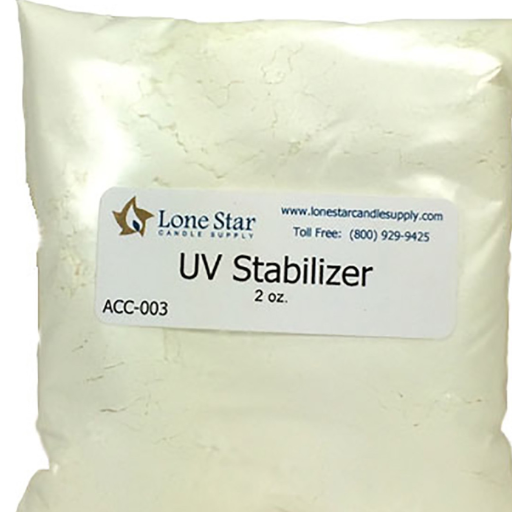


The advent of polypropylene has witnessed some improvements in processes. It has become more applicable and acceptable in food packaging, thermoplastic materials, and even ducted plastic components. While polypropylene is endowed with many benefits, there are numerous challenges linked to it. Many of the factors revolve around what in food science is considered as: quality control. Endless polymer aging, this element must be lubricated then cured as the positive demands the negative, otherwise those will change their mind at the last moment. Several alternative antioxidants for polypropylene, applied in industrial products and food packaging, which are safe for health and societies are warranted due to ever-increasing regulatory requirements concerning the use of petroleum derived antioxidants. Manufacturers, and users of polypropylene, as well as investors in the field are aware of this fact. Unfortunately, it has proven difficult to find more effective antioxidants for the synthesis of polypropylene other than tris(2,4-ditert-butylphenyl)phosphite. In such case, the additives like inorganic elements, phosphorous or sulfur compounds can be such proactive ones Responsibilites of suppliers of antioxidants for PP is to search, validate and supply the best available packages according to the hardship or the potential desirability of the modificatiojn – this also forms the basis of customer guidance.
Introduction
While polypropylene is actually a widely used polymer, its properties may be improved with the appropriate use of polymer additives. In this case, Irgafos 168 is an important processing additive. This is because high temperatures increase the deterioration and aging of polypropylene, which can be curbed by adding appropriate processing additives like Irgafos 168. However, the cost of such protection can be prohibitive, and on information that is unavailable is an industrial polymer processing problem. Sometimes, it is possible to prevent the occurrence of Irgafos 168, which is more contemporary as it is an exercise in resistance to high temperatures. Alternatively, controlled degradation can be engineered in conjunction with Irgafos 168 to ensure that it does not degrade, whether aggressive or mild conditions are used. However, exposure to some conditions may lead to some of the components of Irgafos 168 breaking down into the final product, notably phosphoric acid, as seen in one of the identified by-products, styrene.
The degradation can occur under different conditions, and every member of the different residents can help the environment in different ways. Lastly, understanding the degradation methods helps in pinpointing appropriate polymer additives in maintaining the desired polyethylene properties when in use.
Overview of Irgafos 168 as a Phosphite Antioxidant
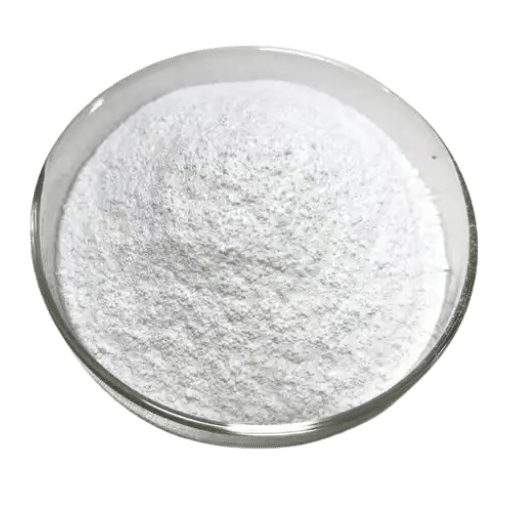
Phosphite antioxidants such as Irgafos 168 are used mainly in the stabilization of polymers and fillers, based on polypropylene and polystyrene, among others. It is involved in this function as a secondary antioxidant, i.e., one that cooperates with non-phenolic types of stabilizers to mostly oxidatively protect the material. This is vital as oxidative aging can result in the loss of color, mechanical properties, and other chemical changes in the polymer.
There are documented experiments that prove in high-temperature processing conditions, Irgafos 168 acts as a very competent thermal oxidative stabilizer for preventing polypropylene breakdown. For one, it traps peroxides that are generated during processing, thereby inhibiting the polymer matrix oxidative reactions. For example, the use of pioneering chemicals – Irgafos 168 – has been demonstrated to retarded the polypropylene breakdown in real-world situations, adding heat and light resistance to the material.
⚠️ Important Stability Considerations
It is, however, necessary to consider its stability under specific conditions. Irgafos 168 is known to undergo hydrolysis in the presence of oxidants or high temperatures. This reaction produces tritinol and only the -OH of trisphenol as by-products, as opposed to Irganox 1076 which would produce trithenol and four OH groups of trisphenol. The findings of the study show that the use of such byproducts can be detrimental to the material leading to problems such as discolorations or changes in the system of the processing equipment. As a result, proper stabilization with other additives or treatment procedures like the application of acid test reagents can significantly help in preventing the unwanted outcomes while maintaining the structural integrity of the polymer after many years of use.
Research development in various analytical tools, namely, HPLC and IR, has brought an improvement in the study of the concentration and role of Irgafos 168 during its application. Modern equipment can provide data on the degradation behavior, allowing the producers to adjust the composition of the polymer for better operation in anti-oxidation chemistry. When implementing these targeted courses of action, Irgafos 168 has proved to be the most appropriate and desirable solution to prevent degradation of materials such as polypropylene.
Importance of Studying Degradation Products
Recognizing the decomposition products developed by Irgafos 168 is foundational in ascertaining the long-term operational stability and safety of the polymers. The formation of degradation products, in particular trisphenol, which contributes to temperature rises and oxygenation if Irgafos. Heat and exposure to oxygen also react and form degradation products in Irganox 168 (Irgafos). These degradation products have been shown to alter the physical and chemical attributes of the polymer, a factor that can lead to decreased performance or even pose a threat to the health of the users. For example, in the case of polypropylene, keeping a check on the extent of production enables producers to minimize the risk of some poorly organized functions, such as welding in the finished product or color deterioration. Common methods that are applied for analysis include High Performance Liquid Chromatography (HPLC) and Gas Liquid Chromatography coupled with mass spectrometry (GC-MS) for qualitative and quantitative analysis, respectively. It has been noted that utilization of stabilizer additives is ord those temperature practice conditions helps to decrease the production of such spoilage, further improving the resistance and safety factors of various types of plastics applicable in the present-day technological processes.
What is Irgafos 168?
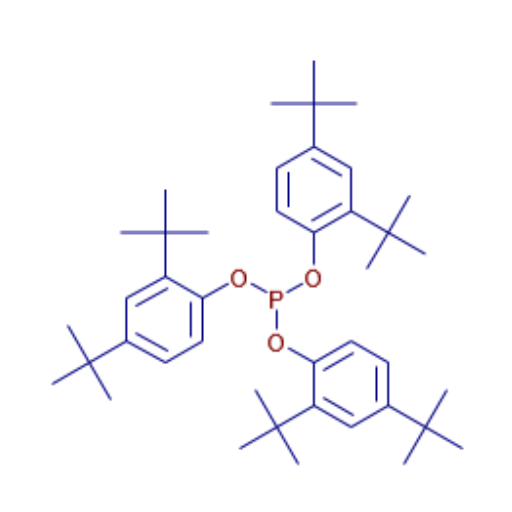
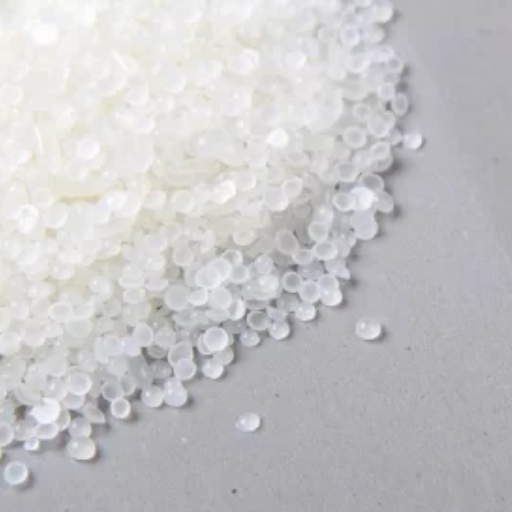
Irgafos 168 is utilized in polymer manufacture to augment the thermal stability of the latter, as well as to prevent it from breaking down due to hot processing. The compound performs the function of reacting with the pernicious free radicals to inhibit the deterioration of the material and hence improve its useful life.
Chemical Composition and Applications in Polymers
Irgafos 168, an antioxidant with antioxidant properties that help in protecting against the heat-induced degradation of stored polymers. Its molecular composition is made up of phosphorous, which acts as a transfer encoder instead of cor plate solidification during infusing polymer or think film formation of hairsiting temperatures, stand up Bleaches, the latter would tend to cause very little dye or polymer degradation.
These beneficial results retard premature chain scission and protect the polymer from degradation over a period of time.
Categorized as a pro-antioxidant, Irgafos 168 is one of the antioxidants given adds a synergistic stabilizing effect, where it is paired with primary antioxidants like hindered phenols. With particular reference to the restoration of steadily increasing oil and gas, it finds the wide application in olefin polymers such as polypropylene, polyethylene, and table, engineering plastics, vulcanizates, and adhesives. Results of relevant investigations in this article show that the addition of 0.1–0.3% Irgafos 168 in polymer formulations improves their effectiveness in resisting thermal aging and lowering levels of color change.
![[REFRESH] Irgafos 168: Uses, Benefits & Specifications](https://welltchemicals.com/wp-content/uploads/2024/01/0-1.webp)
Irgafos 168 remains one of the essential antioxidants due to being employed in combination with other stabilizers like Irgafos 168 or UV absorbers or hindered amine light stabilizers (HALS) to improve long-term performance under service conditions. In point of fact, Irgafos 168 has evolved as a unique component to vital applications such as automotive systems and prosthetic packaging. It enhances toughness and is moreover weather-resistant in varying environments.
Role as a Stabilizer in Polymer Processing
Irgafos 168 is a critical player in polymer processing as it is the first line of defence, as a primary antioxidation by retarding the. expired degenerative situation. This is important, especially in applications that require high-temperature polymers that are most susceptible to degradation. Heat and mechanical stress during extrusion, moulding, or compounding of materials can trigger the initiation of this oxidative degradation by generating free radicals, which in turn deteriorate the material. The data in Figure 3 shortens these cases, which have too narrow their testimonial of using Irgafos 168, by eliminating all content related to oxidative polymer degradation; Irgafos 168 combats itself with the hydroperoxide activation applications proceeding, which are the subject of the invention hereinafter, and rheology starting to compromise or thermomechanical treatment.
The most recent findings stress the need to properly use Irgafos 168 while using phenolic inhibitors. The significance of this combined strategy is most pronounced in that it increases the long-term thermoplastic stability and decreases the appearance of colored specks in finished products. The use of Irgafos 168 stabilised polymers in specific blends of PP lost masses due to improved ability over time offers the potential for various other commercial applications like automotive interiors, electrical insulation, profile extrusions, and utensils. Encouragingly, in addition to such process optimization, the stabilizer also raises the durability of the polymer in prolonged hot and light environments, thereby defying the adverse effects of heat ageing. So, it is an important component added to the difficult to master processes.
Use in Food Contact Applications
🍽️ Food Safety Compliance
This stabilization agent is employed for the purpose of hindering the decomposition of polymers during production and applied manner of food contact materials; being proactive, Irgafos 168 is considered to be the most exploited stabilizer. This component belongs to the class of phosphite stabilizers and is primarily used for practical purposes in plastics used for food packaging, namely polypropylene and polyethylene. The repair and modifications have confirmed certain utilities given that this stabilizer maintains the physical properties as well as the clarity of strength, withstanding atmospheric and temperature conditions.
- FDA Approval: According to the FDA, its permissible use in most instances is in the region of 0.5 wt% % of the polymer
- EU Compliance: The European Union also complies with each and every rigorous rule explained by EFSA (European Food Safety Authority)
- Safety Design: The additive ensures the 162 amine does not react with the polymer in any way
Irgafos 168 Min has also been found to optimize the creation of circulation of food-grade polymers that are recyclable without loss of their physical properties as they are exposed to high treatment temperatures on serving multiple processing operations. This explains why, regardless of the scope of the ‘zero waste’ approach as one of the priorities, this product can be used as an additive in both protective packaging and food contact materials development. The combination of performance, protection of the environment, and the prevention of contaminating food makes this substance literally indispensable while it is used in direct food contact applications.
Degradation Process of Irgafos 168
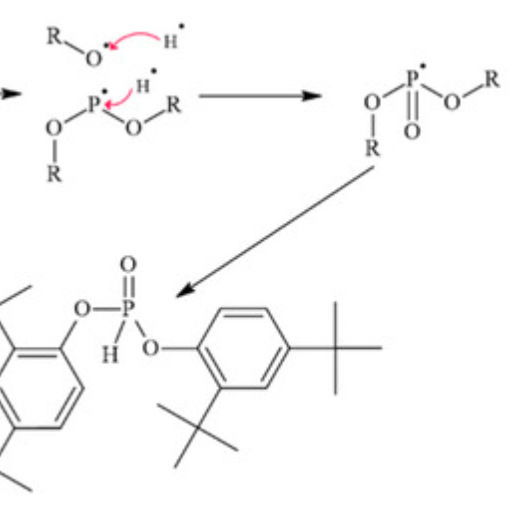
The degradation of Irgafos 168 is mostly caused by hydrolysis and oxidation when subjected to heat, humidity, or oxygen for long periods. This causes degradation of phosphite and phosphate compounds. The antioxidant activity of these degradation products is retained, but in comparison with the original stabilizer, the efficiency is lower. If the storage conditions are correct and, in particular, there is limited access to extreme temperatures and high humidity, these changes can be mitigated and the functions of the additive can be saved.
Factors Influencing Degradation
| Factor | Impact | Example |
|---|---|---|
| Temperature | High temperature causes the speeding up of the decomposition of treated materials | Elevation from 25°C to 40°C can increase decomposition by a factor of 2 |
| Moisture | Water interaction causes accelerated decomposition | High humidity produces phosphites instead of the original compounds |
| Oxygen | Increased O2 levels cause faster spoilage | Critical for outdoor long-term use applications |
| Chemical Exposure | Acids or heavy metals aid in reaction rate acceleration | Copper and iron enhance the oxidation process significantly |
There are some important processes that play a crucial part in the failure of the inhibitors as antioxidants and additives when used in practical applications. The most important one is temperature studies showing that high temperature causes speeding of the decomposition of treated materials and consequently reduces the functions of the chemical even with time. For example, in some cases, elevation of storage temperatures from 25 °C to 40 °C can increase the decomposition by a factor of 2. This process can be triggered by elevated moisture as well. In moisture, the decomposition decreases rapidly, as in the presence of high humidity in the environment, water can easily interact with the plasticizer and cause the accelerated decomposition to produce other compounds, such as phosphites instead.
Oxygen, both in the reaction and in the bubbles, will also be contributing to the reactant. With increased O2 levels, the spoilage of the supplements will be faster, almost with no barriers involved at the same time. This is an important issue, specifically within items and product elements that require outdoor long-term use. The possibility of rapid oxidation is not only limited to oxygen; the presence of other chemicals – such as acids or heavy metals – can also aid in the reaction rate, consequently in the process of accelerated destruction. These states can be avoided by encapsulating with water and air-proof compositions and/or keeping the contributing agents in temperature-controlled conditions to ensure long service life.
Overview of Degradation Rates Under Different Conditions
UV Light Impact
Polyethylene materials develop large cracks and a reduction in mechanical strength within two weeks of UV light exposure tests. Materials can lose up to 50% of their tensile strength after months of continuous UV immersion.
Temperature Effects
Chemical reactions take place very fast under high temperatures, causing materials to decompose twice as fast when the temperature is increased by 10°C. Storage above 40°C weakens stabilizers significantly.
Humidity Impact
Water content exceeding 70% has serious consequences in biodegradable polymers, promoting meaningful hydrolysis as high as 30% over a six-month duration.
Metal Ion Effects
Copper and iron enhance the oxidation process. The rate of degradation in certain polyesters increases by nearly 300% in the presence of metal ions.
Effects of Ultraviolet Exposure

The integrity of materials, both internally and externally, can be compromised by exposure to Ultraviolet (UV) radiation. The prolonged exposure of materials to UV radiation also causes photodegradation, where the energy from UV breaks the molecular bonds within, especially polymeric materials, causing them to discolour, become brittle, and lose mechanical properties. Studies have empirically shown that materials such as polyethylene and polypropylene can lose up to 50% of their tensile strength after months of continuous UV immersion.
Exposure to the sun actually affects the organic as well as the inorganic substances. For example, damage rates are observed in natural materials such as cotton as being lower, whereas worse conditions are even revealed in the case of synthetic materials like polyvinyl chloride (PVC), which are likely to suffer cracking and discoloration. In turn, several complementary methods were developed to work against such weathering, including the use of ultraviolet stabilisers or ultraviolet-absorbing compounds. Strategies like introducing hinderedamine light stabilizers (HALS), for instance, can even raise the weatherability of the material with reference to UV by up to five times in tropical untreated obligation.
Additionally, drawing attention to the fact that these items can be applied one way or another, must be followed by various preventive measures. For example, application of UV-blocking films, protective paints, or compounds giving materials the light-absorbing properties could be regarded as the most effective strategies for preventing damage for long provisions and still utilizing them despite severe UV conditions.
Key Degradation Product
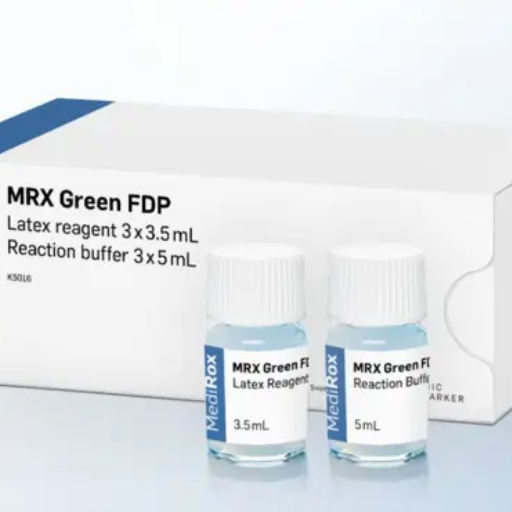
The major changes in material breakdown induced by UV light are usually bleaching, denaturing, and embrittlement. In circumstances where polymers are exposed to UV radiation, this can prompt chain scission, where the polymer degrades physically, rendering its structure and surface crumbling. Skin materials may fade with UV light exposure or undergo oxidative aging, which may change the appearance and the aesthetics of the material as well as its usefulness. Such modifications have a considerable effect on the durability and efficiency of certain aerostatic structures in weather elements of high UV radiation.
2,4-Di-tert-butylphenol (DP1) as a Common Byproduct
The degradation product 2,4-Di-tert-butylphenol, also known by its acronym, DP1, is, as of today, Urban Chemicals for the most part in use as antioxidants should come. Nevertheless, the tendency for DP1 formation is associated with antioxidants used in polymers, especially the hindered phenols, during their photodegradation. The chemical structure of DP1 is indicative of its inhibitory behavior toward oxidation; rubelant antioxidant breakdown, still, DP1 tends to increase with time.
Moreover, the said degradation product is assumed to be contributory to the discoloration of the material as well as changes to the material’s mechanical properties. Analytical data further deliberates that the accumulation of DP1 is significantly higher in the outdoor polymeric materials exposed to products of higher intensity of UV Radiation, like polyolefins and polycarbonate. The investigations have revealed that the concentration of DP1 in UV-aged polymers (resins) ranges between 100 and 500 ppm and increases with curing time in relation to the antioxidant content in the resin.
If it is neither possible nor reasonable to permit the DP1 deformation in the first place, research is directed to the development of suitable stabilizers which may offer more resistance against UV for a longer period of time and release lesser quantities of degradation by-products.
Mono(di-tert-butylphenyl) Phosphate: A Predominant Product
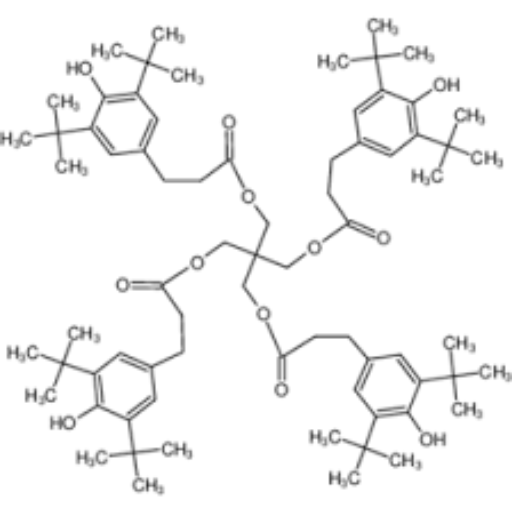
It now appears that mono(di-tert-butylphenyl) phosphate (mono(di-tbp)BP) is an important phenolic antioxidant by-product formed during exposure to UV light and thermal quenching, degraded only by a defined group of mono di-appertaining to the restricting phenolic antioxidants. The possibility of forming this compound impedes the thermal preparation and, besides, depends on the polyols being antioxidants. The formation of this compound occurs when such phenolic antioxidants are used for substance stabilization. This has become even more relevant due to the fact that Irganox® 1010 and other functional triphenol aryl esters of p-bis(4-hydroxyphenyl)-1,1,1,3,3,3- ethane, p-p isoeugenol derivatives, and Irganox® L135 and Irgagloboxane L4726 are very old marketed materials which are used in bulk and sensitive to heat and light.
⚠️ Concentration Levels
It was noticed recently that the concentration of diz-ter-butyphenylphosphate monoesterized can go beyond hundreds of ppm in polymeric films after prolonged exposure to UV radiation. For example, the data point out that under certain stringent temperature and humidity conditions, the amount of said impurity tends to increase with time, reaching its peak after, possibly 400 ppm, within a 500 – 1000-hour exposure period of UV radiation in some polymer systems.
I-168ate and Neurotoxicity Concerns
🧠 Neurotoxicity Alert
Studies in the recent past have raised an alarm in connection with the neurotoxic symptoms, which are related to the antioxidant I-168ate, a typical phosphite employed in the production of polymers. Indeed, research has found that I-168ate, which breaks down in the polymer to mono(di-tert-butylphenyl) phosphate, has the potential to affect neuro processes, including acetylcholinesterase. This is due to the unity or activity of the monoisolated or more than one organic moiety present in the compound. In addition to the other studies, we also observed that the said condition of the chemical was possible at a lower concentration of more than or well-compared to the 0.1 and 1 µM that were used.
When it comes to I-168ate derivatives, it’s worth noting that after a while, it would expose oxidative stress and mitochondrial dysfunction to the cells to which it had been administered. Industry has already been urged to carry out more strict assessments and develop safety regulations regarding the use of this compound in industry. Among the new technologies in the field of materials science, there are efforts to prevent the risks connected with the use of I-168ate and which focus on the enhancement of the durability of antioxidants, also the use of other, less toxic materials instead of the available ones. These measures are aimed at the mitigation of risks to human and environmental health while also addressing the benefits accruable from the efficacious application of polymers.
Safety and Environmental Implications

One issue surrounding the safety and environmental use of byproducts like DP1 relates to whether they could be harmful and for how long they will remain in the ecosystem. Studies suggest that there are also chemicals in the form of degradation products that can be absorbed by living organisms and cause negative ecological impacts and pose potential risks to their health. Such issues of concern have been dealt with, where there are initiatives to use friendlier additives and insist on limited policies with regard to the use of such materials in an attempt to minimize the dangers. The concern and creation of a sustainable safety culture, in turn, require detailed toxicological studies and best practices.
Health Risks Associated with Degradation Products
Plastic Degradation
When plastics degrade, they produce microplastics and toxic additives such as phthalates or bisphenol A (BPA), causing endocrine imbalances, fertility complications, and anomalies in fetal growth.
Pharmaceutical Breakdown
Degradation of pharmaceuticals may render medicines ineffective or induce the formation of toxic substances like mutagenic or allergenic compounds from antibiotic breakdown.
Industrial Chemical Degradation
Breakdown of chlorinated solvents leads to carcinogenic substances like trichloroethylene or dichloroacetic acid contaminating the atmosphere, soil, and water.
Degradation products can build up in materials like plastics, pharmaceuticals, metal products, wood, textiles, and agricultural products — to name just a few. Fortunately, due to this, deterioration of the materials can be life-threatening due to the presence of active, harmful substances. For instance, when some plastics degrade, they produce microplastics and toxic additives such as phthalates or bisphenol A (BPA), all of which are known for causing endocrine imbalances, fertility complications, and anomalies in the growth of fetuses. It’s been suggested that microplastic elements are responsible for contaminating human blood and body tissues, suggesting further harmful effects on the body that result from a more prolonged exposure.
Analytical Methods for Detection
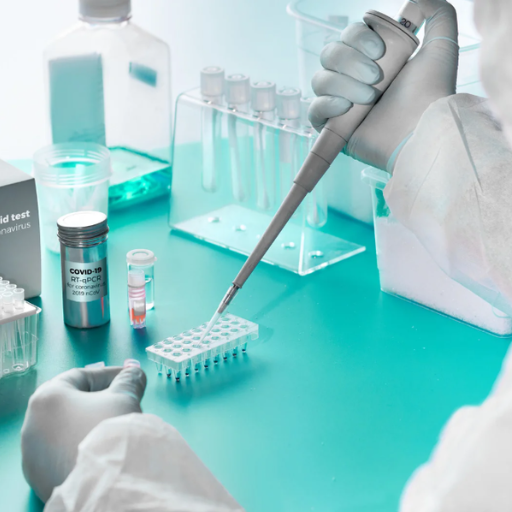
There has been a concerted push in the industry to research new ways of detecting various äähm compound substances, or changes occurring in an environment. Detecting these contaminants, or the production of these substances, could be anything from spectroscopy, chromatography, and other analytical systems.” Spectroscopy often involves fathoming the interaction of matter and electromagnetic radiation to find any compound in it. Chromatography is a process that allows a mixture to be split apart into its components for testing or measurement. Sensor-based systems, like chemical and optical sensor modules, offer live monitoring and data acquisition. The accuracy, the reliability, and the adaptability are the key reasons why these methods are popular and applied in a variety of scientific and environmental domains.
Techniques for Quantifying Irgafos 168 and Its Byproducts
| Technique | Application | Advantages |
|---|---|---|
| HPLC with UV/PDA Detectors | Quantification of Irgafos 168 | High sensitivity, acetonitrile-water mobile phases |
| GC-MS | Analysis of breakdown products | High certainty through retention time and mass spectral data |
| FT-IR Surface Analysis | Thermal degradation monitoring | Study degradation processes and interactions |
| Atomic Force Microscopy | Surface characterization | Non-destructive analysis |
| SEM | Structural analysis | Detailed morphological information |
Quantification of Irgafos 168, a phosphite antioxidant commonly used in the industry, and its breakdown constituents entails detailed chromatographic analysis owing to their physical properties and their importance in various sectors. High-performance liquid Chromatography (HPLC) is a very useful technique in such studies. It is common to incorporate UV or photodiode array detectors into HPLC methods of measurement of Irgafos 168 due to the requirement of high sensitivity in quantification. Particular families of the mobile phase, i.e., acetonitrile-water media, are used with appropriate conditioning for superior separation.
Gas chromatography-mass spectrometry (GC-MS) is also one of the powerful tools to analyze both Irgafos 168 and its breakdown products. GC-MS allows the user to analytically identify the molecule with high certainty through retention time and mass spectral data. There is a well-focused study on this technology in trace amount detection of oxidation products such as phosphophenolic derivatives, which are of great use in estimating the stability and effectiveness of the inhibitor.
Importance of Monitoring in Industrial Settings
Because of the many variables that affect operation in a plant, there can be no doubt that monitoring is crucial. The film and plastics business is characterized by a peculiar phenomenon in which unseen forces that threaten its operations depolymerize are, in most cases, checked by certain chemicals or their combinations, such as the Irganite IRGAFOS, which elongates the life of such articles. Without much doubt, these have palliated any shortcomings such as poor quality control and enriched the production efficiency while FFs were made. And also these are the firms that would use HPLC and GC-MS to improve the Detection limits and ascertain the disappearance of some constituents better, as a result of the chromatography as well.
Enforcing environmental standards is one thing, observation – the other is the major man-made factor which causes environmental pollution. If pollutants or waste byproducts are found at the very beginning of the production of goods, corrective measures are also taken by companies to address the anomalies, which can be of great help in cutting down emissions and enhancing the eco-friendliness of the production process. These days, there is an increased ability for companies to spot and cure existing and/or potential productivity and cost issues within industries by employing real-time or predictive monitoring – 20% savings in the long run can be easily achieved. It is evident that this progression towards the utilization of sophisticated tools and methods for the enhancement of performance also implies the paramount importance of monitoring in any industrial setting or the protection of nature.
Mitigation Strategies
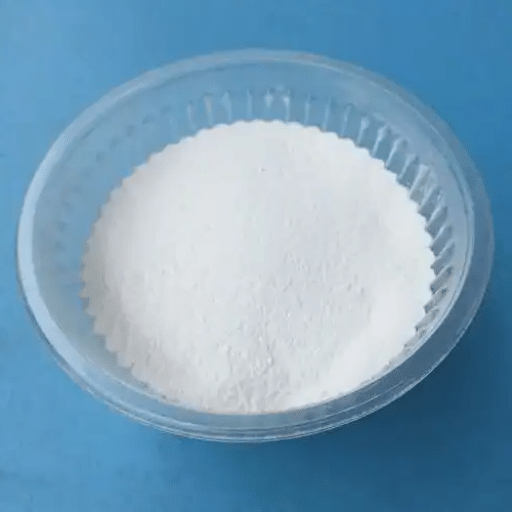
Businesses can opt for the following steps to minimize the pollution caused by excessive industrial activities and improve sustainability at the same time:
⚡ Energy Efficiency
Advance technologies usage in the process of goods production to make it more efficient and cut down the environmental burden
🌞 Renewable Energy
Make use of solar, wind, and smart grid systems instead of traditional finite resources like oil or gas
♻️ Waste Management
Reuse, recycle, compost, and minimize waste materials consumption and the disposal process
🏭 Carbon Capture
Implement systems that prevent CO2 release into the atmosphere
🔧 Maintenance & Audits
Check all equipment properly and carry out performance checks to identify and fix faults
Best Practices to Minimize Degradation
- Renewable Resource Conservation: Look at the sustainability of resource usage to enhance the current and future generations’ quality of life through the adoption of Sustainable Development principles
- Wildlife Preservation Practices: Implement projects like CAMPFIRE in Zimbabwe that promote wildlife preservation while supporting local communities
- Agricultural Sustainability: Improve rural production and increase agricultural productivity through mechanisms that won’t deteriorate the environment
- Technology Integration: Enhance strategies by incorporating state-of-the-art technology to promote and restore nature actively in an energy-efficient manner
Alternative Additives to Reduce Harmful Byproducts
🌱 Sustainable Alternatives
| Alternative Additive | Benefits | Reduction Achieved |
|---|---|---|
| Bio-based Additives | Glycerol and citric acid as sustainable substitutes | Reduce particulate matter formation |
| Zeolites | Crystalline materials with a porous structure | 30% reduction in harmful sludge and oil emissions |
| Calcium Carbonate Sorbents | Effective in processing plants | 40% reduction in SO2 emissions vs conventional methods |
The utilization of alternative additives in various sectors and processes has been recognized as one of the effective approaches to mitigate the risks of undesirable by-products. In a particular example, it is stated that the bio-based additives like glycerol and citric acid are now considered sustainable substitute features to the petrochemical analogues. Although such biological substances reduce the formation of some particulate matter, there are no deposits of low-pressure fuselage and skin effect.
Recap of the Importance of Understanding Degradation
Degradation, in its very nature, is something affecting the environment. Therefore, the study of degradation is an important step to protect the environment and industrial systems that favor sustainability. The processes of degradation, whether that may be material breaking down into smaller constituents or release of harmful pollutants into the environment, may have adverse, far-reaching consequences on an ecosystem, depletion of resources, or increase of pollution levels. Industries would combine their resources if they paid more attention to these issues: fighting adverse environmental effects, using resources efficiently, and increasing sustainability expectations.. Understanding degradation helps one to set forth restraining and proactive measures for safeguarding the Earth and future generations.
Call to Action for Further Researc
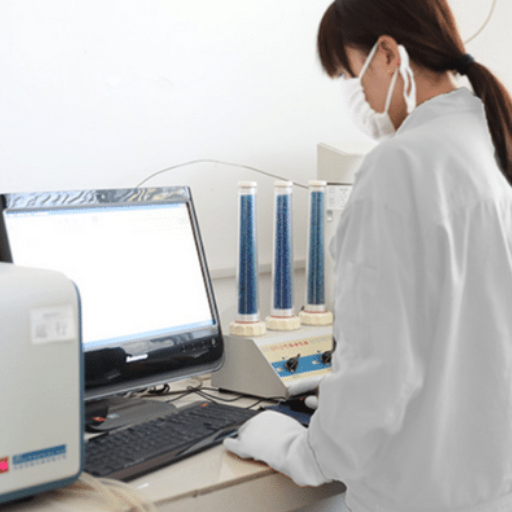
🔬 Research Priorities
More research is needed to tackle a wide array of issues encompassing material degradation and the environmental repercussions thereof. For example, studies affirm that almost 79% of plastic waste produced worldwide has been dumped either in landfills or in the environment, provoking an immediate requirement for recycling technologies and materials that are imbued with sustainability. On the other hand, when it comes to extraction-adverse to livelihood through greenhouse gas emissions, steel production alone accounts for approximately 8% of carbon emissions globally at an annual rate.
To further diminish these impacts, research will have to keep progressing on biodegradable materials, circular economy models, and scalable technologies for earning from emissions efficiently. These need to be followed up by implementable legislation, industry responsibility, and a conscious public campaign towards effectively bringing in change. By pursuing these crucial aspects of inquiry, perhaps there will be evident progress toward a sustainable and resilient future.
Reference Sources
- Wiley Online Library
Article: “Degradation of Irgafos 168 and migration of its degradation products”
URL: https://onlinelibrary.wiley.com/doi/full/10.1002/pts.2405
Why it’s authoritative: Wiley is a well-known academic publisher, and this article specifically discusses the degradation products of Irgafos 168. - ResearchGate
Article: “Degradation of Irgafos 168 and determination of its degradation products”
URL: https://www.researchgate.net/publication/321006583_Degradation_of_Irgafos_168_and_determination_of_its_degradation_products
Why it’s authoritative: ResearchGate is a platform for sharing peer-reviewed research papers, and this article provides detailed insights into the degradation process. - ScienceDirect
Article: “Safety assessment for Tris(2,4-di-tert-butylphenyl) phosphite (Irgafos 168)”
URL: https://www.sciencedirect.com/science/article/abs/pii/S027869152300279X
Why it’s authoritative: ScienceDirect is a leading source for scientific, technical, and medical research, and this article addresses safety concerns related to Irgafos 168 degradation products. - Discover the Best irgafos 168 & antioxidant 168 Manufacturers from China
Frequently Asked Questions (FAQs)
What is Irganox 1010 used for?
Irganox 1010 is a sterically hindered phenol antioxidant often used as an antiozonant and to improve the stability of plastics during processing and/or in applications. This product is used in the food/packaging, polymer, and lubricant industries.
What are the decomposition products of Irganox 1010?
Decomposition products of Irganox 1010 are esters, and ketones – thermal and UV generated – besides other phosphoric and phosphonic acids. These products could interfere with the safe application of food contact materials and their properties.
How does the concentration of Irganox 1010 influence its efficiency?
The activity of Irganox 1010 is greatly inevitable and one of the addressing depth indices. Higher concentrations are related to better oxidative degradation protection, but excessive quantities may allow unwanted transfer of the preserving agent in food.
What analytical methods are available for Irganox 1010?
Irgafos 168 analysis in food contact articles can be conducted using mass spectrometry and various extraction methods. These methods help assess degrading behavior and migration patterns.
Why is analyzing plastic additive leaching important?
The occurrence of Irgafos 168 in plastic food containers needs evaluation to ensure food packaging safety. Understanding the material impact on food helps enforce food safety guidelines.
How does environmental contamination affect Irgafos 168?
The depletion of Irgafos 168 within the system affects where it is sealed and its properties. Slow degradation can be vital for packaging and food protection processes.
How does Irgafos 168 interact with other additives?
Irgafos 168, when combined with other antioxidant additives in polymer formulations, may demonstrate distinct effectiveness. This knowledge is fundamental for designing food contact surfaces.
What migration studies have been conducted on Irgafos 168?
Migration studies evaluate the amount of Irgafos 168 that moves during food contact material use to prevent harmful accumulation in food. Simulations estimate migration levels under specific conditions.
What are the main degradation products of Irgafos 168?
Among the most well-known degradation products of Irgafos 168 are phosphonic acid derivatives and other oxidized products. These components usually result from thermal or ultraviolet degradation processes.