

A comprehensive guide to the chemistry and environmental impact of plastic degradation
Plastics and polymers are everywhere in our daily lives, and yet they underlie the very existence of innumerable products that we use in our daily use-from packaging materials to medical devices. But unlike all other things around us, plastics are unique in facing several degradation processes over time. Change in their properties also results in a change in their disposability-considerability for use in various applications. What exactly makes plastics degrade? How will sunlight and oxygen work for an accelerated pace? In this blog post, we embark on an exploration into the world of plastic and polymer degradation, through oxidation, photodegradation, and other mechanisms as subjects of discussion. Are you a materials science wizard, environmentalist, or simply curious about the mechanism for keeping everyday items intact? Then, this is the one that will illuminate the factors influencing plastic longevity and the charges they bring to sustainability. With the explanation of chemistry behind these processes and the impacts in real life, this makes a good argument to keep you entertained throughout.
Introduction to Plastic Degradation
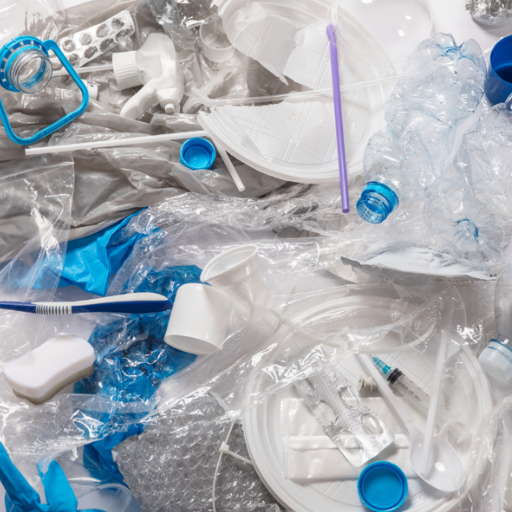
Plastic degradation is the process by which plastics break down into smaller particles under the influence of environmental factors such as sunlight, oxygen, and microbial activity. One of the disintegration processes is photodegradation, where ultraviolet radiation cracks the plastic. The other disintegration process is oxidation, where the chemicals in oxygen react with plastic and impart some changes in its structure. These processes affect the life span of plastics and, hence, their persistence in the environment. Thus, understanding plastic degradation definitely matters in waste management and sustainable materials.
Overview of Plastic Durability and Environmental Susceptibility
Durability Factors
- Chemical composition
- Environmental exposure
- Use conditions
Environmental Impact
- Polyethylene lifespan: ~450 years
- 14 million tons are dumped in the oceans annually
- Fragmentation into microplastics
As with many other factors, different factors may affect the life of plastics. Various sources cite chemical agents, weathering, and wear and tear as influencing factors. Old research says that polyethylene, a popular plastic, can last about 450 years in natural conditions. Such a long life is provided because the very strong polymer chain cannot be dissolvable by any natural processes.
Besides temperature and humidity, pollution ranking in the variables constitutes an important leverage on degradation rates. In marine environments, plastic wastes are fragmented into microplastics by the waves together with changes in temperature, thereby creating more pollution for the environment. Environmental agencies’ data estimated about 14 million tons of plastic entering the oceans yearly and going through physical and chemical deterioration to stay as active pollutants.
Strategies for Reducing Environmental Impacts
Key Statistics on Plastic Recycling
| Material | Degradation Time | Recycling Rate |
|---|---|---|
| PLA (Polylactic Acid) | A few months (controlled conditions) | High potential |
| All Plastic Waste | Varies widely | 9% globally |
With environmental challenges rising due to the resilience of plastics, certain solutions have come up in favor of the creation of biodegradable plastics. These materials should degrade much faster under certain specific conditions, such as inside an industrial composting facility. Polylactic acid (PLA), for instance, being a plant-based polymer, can degrade within a matter of months under controlled, favorable conditions. On the other hand, PLA derives its slow rate of biodegradation in natural conditions, which then calls for much more tweaking and optimization elucidation.
Apart from such initiatives, some more measures can be taken to mitigate their negative impacts, for example, a Lot of encouragement is required for recycling materials and restricting single-use plastic materials. Updating the statistics revealed that only 9% of all the plastic waste globally ever generated has been recycled, leaving the world with an obvious call for a rescue of the waste management regime and a concerted global act to contain plastic pollution.
Importance of Studying Oxidation in Plastics
Economic Impact of Oxidation
$2.5 trillion – Global annual economic loss due to corrosion and oxidation
Understanding oxidation in plastics proves to be a key factor in the longevity improvement of materials and in removing certain environmental concerns. Plastics will undergo the deterioration process because of oxidation, whereby an oxidized material would lose its cohesive or structural strength, appearance, and hence the functionality would also decrease due to metamorphic changes. It has already been proven that the exposure of plastic polymers to oxygen, UV light, and heat initiates or at least aggravates their breakdown, forming microplastics that disperse into ecosystems with ease.
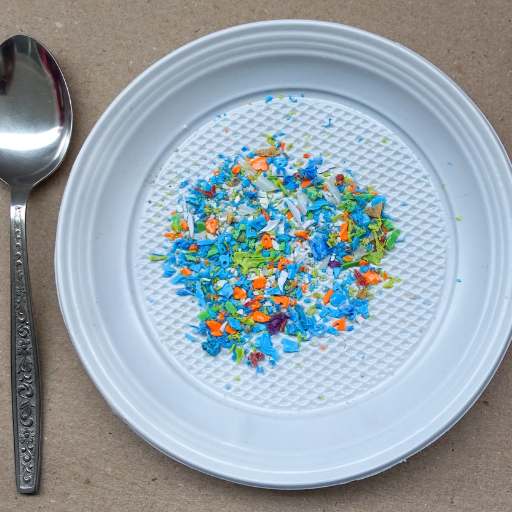
Facts now show that approximately 14 million tons of plastic waste enter the oceans yearly. Much of this plastic is degraded into microscopic particles through the oxidation process. Microplastics threaten high-risk level entities, including marine organisms, ecosystems, and, finally, human life, as they enter the contemporary life chain. Studying how oxidation affects plastic fragmentation and chemical composition allows the fabrication of tougher, biodegradable, or recyclable alternatives.
Moreover, an in-depth advancement in oxidation processes could open avenues toward developing new chemical additives and/or protective coatings to hinder premature degradation of commercial products. The designing of solutions must thus consider environmental concerns versus economic feasibility; hence, there is potential for industries to further reduce their carbon footprint besides producing functional and quality products.
What is Oxidation in Plastics?
![[REFRESH] Irgafos 168: Uses, Benefits & Specifications](https://welltchemicals.com/wp-content/uploads/2024/01/0-1.webp)
Opposite oxidation attacks the plastics, usually aggravated by heat, light, or mechanical forces. This reaction destroys the polymer structure in the plastics, therefore discoloring them, making them brittle, or losing strength and flexibility. In other words, oxidation is nothing but threatening plastics and thereby greatly diminishing their value and life.
Definition and Chemical Process of Oxidation
The oxidation of a material is, very simply, oxidation with oxygen molecules that result in chemical changes of the material that may alter its properties. Generally speaking, for plastic, the polymer chains lose electrons, and therefore, the molecular structures disintegrate. Oxidation can be initiated by either direct or indirect external forces, such as UV radiation, heat, or mechanical stress, creating free radicals within the material. When these free radicals come into contact with oxygen, the process sets up a chain reaction that ultimately perpetuates the degradation of plastic.
Critical Temperature Thresholds
- 70°C (158°F): Polyethylene begins showing degradation signs
- 80°C: Notable oxidative degradation in polyethylene
- Above 140°F (60°C): Polystyrene structural alterations
Studies indicate that the oxidation rate in plastics increases exponentially when the temperature rises with heat exposure. For example, it has been researched that it might have practically reduced the tensile strength of polyethylene plastics by about 40% upon long exposures at temperatures above 70 °C (158 °F). Besides that, UV light that carries high-energy photons penetrates the plastic surface to break chemical bonds and accelerate oxidative degradation. Especially for outdoor applications under sunlight for a prolonged time, undesirable effects such as yellowing, embrittlement, and cracking ensue.
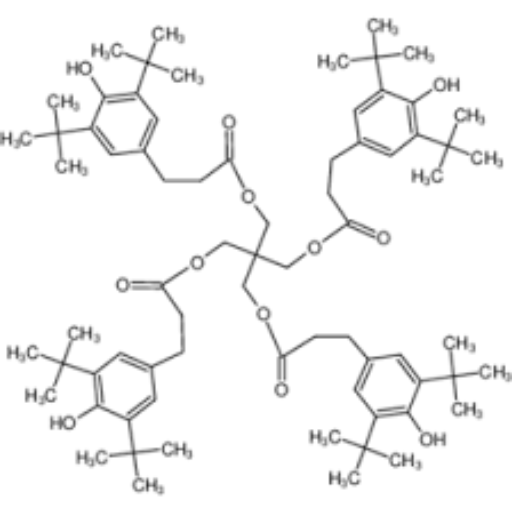
Although oxidation can be relatively prevented by using stabilizers and additives like antioxidants, which interrupt the chain reactions of oxidation, an alternative solution would be to use UV absorbers or coatings that prevent radiation from penetrating the plastic. Hence, understanding the chemical process of oxidation is quintessential for an engineer and manufacturer in designing a rubber/plastic material that is more sustainable and longer-lasting.
Interaction of Oxygen with Polymer Chains
The interaction of oxygen with polymer chains is a key aspect affecting the durability and performance of plastics. Oxygen can react with polymers in a typical process called autoxidation, which involves free radical chain reactions. These chain reactions usually begin at weak points in the polymer structure, such as sites containing unsaturated bonds or irregularities in the chain. Eventually, they cause either cleavage or cross-linking of chains, which degrades the mechanical and optical properties of the material.
Polyethylene Degradation
Begins at: 80°C
Tensile strength & elongation reduction are measurable
PVC Effects
Extended oxygen exposure causes:
- Discoloration
- Brittleness
- Dehydrochlorination
Studies show that thermal oxidation in polymers is accelerated significantly above certain temperature limits, depending on the material. For example, polyethylene exhibits considerable oxidative degradation when exposed to temperatures higher than 80°C, showing measurable inferiorities in tensile strength and elongation. PVC, on the other hand, upon prolonged oxygen exposure, can lose color and become brittle through dehydrochlorination processes.
In fighting against oxidation, and stabilizers required, a mixture of additives, such as hindered amine light stabilizers (HALS) or phenolic antioxidants, are mixed into the polymer matrix. Data shows that these additives allow materials to increase their life by up to 50% under long periods of UV and oxygen exposure in comparison with untreated materials. Nanomaterial-based and organic UV absorber coatings can also offer better protection against oxygen diffusion and UV radiation.
The thrust behind oxidation-resistant materials is to minimize environmental impact while providing products with longer life. This knowledge allows the creation of new, green solutions that can be tested to oxidative stress not only in labs but also in real-life applications.
Everyday Examples of Oxidation
Common Oxidation Examples in Daily Life
- Iron rusting: Metal objects exposed to air and moisture
- Apple browning: Cut fruit exposed to oxygen
- Silver tarnishing: Reaction with sulfur compounds in air
- Avocado browning: Similar to the apple oxidation process
These instances act to reveal that oxidation is an ever-present and observable process in daily life.
The Science Behind Plastic Oxidation
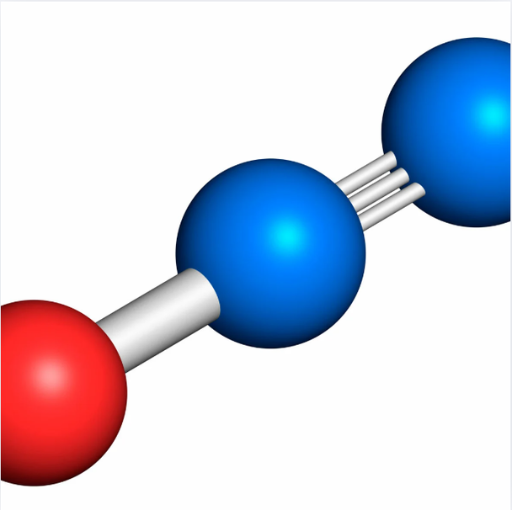

According to the definition for plastic oxidation, plastic materials react with oxygen, undergoing chemical processes that have destructive effects on the structure of these materials with aging. These reactions may be induced by the presence of any permanent agent, such as sunlight (UV rays), heat, or environmental pollutants, on the plastics. Then one sees gradual aging of plastics with increased brittleness, discoloration, and eventual cracking. Additives may be blended in the melt during production to prevent the conditions caused by aging and so increase the product’s lifespan.
The aging process of plastics is rather complicated, and the techniques to monitor it are quite varied. Thus, methods should be developed to withstand the range of tests; these methods should stop plastic degradation as soon as possible during or after processing.
Role of Free Radicals in Polymer Degradation
Free Radical Chain Reaction Process
- Initiation: Bond dissociation creates alkyl radicals
- Propagation: Radicals react with oxygen, forming peroxy radicals
- Formation: Hydroperoxides decompose, creating more radicals
- Result: Up to 50% tensile strength loss under UV exposure
Free radicals are recognized to be quintessential in polymer degradation: they are highly reactive species that effectively cause initiation and propagation of chain reactions. Chain reactions in turn usually cause the breakdown of polymer chains, thereby imparting changes to a material’s mechanical as well as chemical properties.
Under exposure to UV radiation, temperature, or pollutants, the dissociation of bonds takes place in polymer structures, giving rise to free radicals. For instance, alkyl radicals are formed during the thermal degradation of polyethylene; these react with oxygen to give peroxy radicals. The peroxy radicals may further go on to form hydroperoxides, which decompose to form even more radicals, thereby continuing their degradation. The reported evaluation of this degradation mechanism has resulted in some materials losing up to 50% of their tensile strength with prolonged UV exposure.
To counter such factors, polymers are usually compounded with stabilizing materials that include antioxidant materials to quench free radicals and the free-radical degradation process. Some commonly used antioxidants are hindered phenols and phosphites, which will work to slow oxidative degradation, thereby prolonging the life and performance of plastic articles. The crucial role of free radicals in polymer degradation thus remains a step toward the pursuit of more durable and sustainable polymer materials.
Key Factors Influencing Oxidation
🌡️ Temperature
Every 10°C increase can double the oxidation rate (Arrhenius relationship)
☀️ UV Radiation
Initiates photo-oxidation by breaking molecular bonds, particularly affecting PE and PP
🧪 Oxygen Presence
The rate depends on oxygen availability; high-pressure oxygen accelerates degradation
💪 Mechanical Stress
Creates micro-cracks allowing oxygen diffusion, increasing degradation
🔬 Impurities & Additives
Impurities act as pro-oxidants; stabilizers like HALS slow oxidation
There are lots of factors working upon the rate and extent of degradation, oxidation in particular result that resulting in a varied array of factors. With that information, manufacturers and materials scientists can tailor fortified solutions and perhaps implement stabilizers or coatings to further enhance the durability and performance of polymers in the field.
Differences Between Oxidation and General Degradation
| Aspect | Oxidation | General Degradation |
|---|---|---|
| Cause | Oxygen-specific reactions | Multiple environmental factors |
| Byproducts | Hydroperoxides, alcohols, carbonyl groups | Various, depending on the process |
| Examples | UV-induced PE degradation (50% strength loss) | Hydrolysis of polyesters in humidity |
| Prevention | Antioxidants, UV stabilizers | Various protective measures |
Oxidation is a term used for polymer reactions involving oxygen, where byproducts of oxidation result, such as hydroperoxides, alcohols, or carbonyl groups. In the presence of factors such as heat, UV radiation, or catalysts, the good properties of materials are lost as they start to discolor, become brittle, and lose strength. An example of polyethylene oxidation is it gets degraded with sun rays; several studies point to the degradation with a strength drop of up to 50% after long exposure to UV radiation.
Generally, degradation covers any number of other processes by which a material ceases to exist. These include thermal degradation, hydrolysis, photo-degradation, and microbial attack, depending on the environment and application. Usually, oxidation is limited to some kind of general degradation, but general degradation can include exposure to moisture, extremes of temperature, and microbial activities, which lead to the breakdown of the molecule in different ways. For example, polyesters under outdoor condition could suffer hydrolysis at high humidity conditions, which leads to molecular scission and declines with structural integrity of the material.
Types of Oxidative Degradation
Thermal Oxidation
High temperatures + oxygen-rich atmosphere = rapid molecular attack
Photo-Oxidation
UV light exposure chemically modifies materials, weakening their properties
Ozone-Induced Oxidation
Attacks elastomers/polymers, forming surface cracks
Biological Oxidation
A microbially accelerated process causing structural damage
Photo-Oxidation and the Impact of UV Light

UV Impact Statistics
- 50% tensile strength reduction in 6 months without UV protection
- UV index directly correlates with degradation rate
- Automotive coatings fade and chalk without UV protection
Photo-oxidation is a chemical process triggered by the interaction of ultraviolet rays with atmospheric oxygen, resulting in the degradation of the materials. UV light is reported to be the degrading agent for polymers and some organic compounds in that it generates free radicals that then combine with oxygen, causing discoloration, brittleness, and loss of structural integrity. Studies reveal that if exposure to UV radiation is longer, it can reduce the tensile strength of some plastics to the extent of 50% in six months if not treated with UV absorbers.
The incidence of photo-oxidation becomes quite impactful in outdoor application scenarios, where materials find continuous exposure to the sunlight. For instance, automotive coatings, if not provided with appropriate UV protection, fade or chalk, resulting in aesthetic and very real functional decline of the coatings. It was stressed that the UV index, measuring the strength of the UV radiation, is a great factor controlling degradation rate, with higher indices giving faster rates of photo-oxidative damage.
One has to ensure the use of UV absorbers, stabilizers, or coatings to prevent photo-oxidation. UV-resistive materials with longer life spans are lately being developed with much focus from materials science, which is very important for building, automotive, and outdoor equipment industries. These remedies are ever evolving, pointing to the ever-increasing need to abate the ill effects of UV-induced photo-oxidation as environmental problems continue to grow.
Thermal Oxidation: Effects of Heat and Oxygen
Critical Temperature Data
| Material | Critical Temperature | Rate Change |
|---|---|---|
| Polyethylene | 100°C (212°F) | Doubles every 10°C |
| General Polymers | Varies by type | Exponential increase |
Thermal oxidation originates when materials undergo exposure to high temperatures in the presence of oxygen, and degradations occur over time. Most of the degradation appeared in polymers and other organic substances from this reaction, which changes their mechanical properties, colors, and resistances. For instance, temperatures could abet chain scission processes, resulting in a loss of tensile strength and elasticity.
One study posits that amongst the oxidation types, thermal oxidation in polyethylene manifests above 212°F (100°C), where the rate of oxidation doubles by every 18°F (10°C). This shows very well why temperature control is so critical in preventing material degradation. Industries with aerospace and manufacturing implications are more greatly affected than others, where such degradation at elevated temperatures has a bearing on safety and performance.
To resist thermal oxidation, stabilizers, antioxidants, and thermal barrier coatings are often used in the industry. For instance, antioxidants can greatly increase the life of materials by neutralizing free radicals produced during oxidation. The thermal-oxidative stability of materials is, however, evaluated by advanced techniques such as thermogravimetric analysis (TGA), which provide useful information in the product design and reliability.
Chemical Oxidation and Reactive Elements
Economic Impact of Oxidation
$2.5 trillion global annual loss from corrosion and oxidation
Chemical oxidation is a reaction involving loss of electrons and interaction of materials with the reactive elements oxygen, sulfur, or halogen, and accordingly, degradation of materials, corrosion, or even formation of new compounds may result. The rate of oxidation depends largely on the reactivity of the reactive elements; sodium and potassium metals, being very reactive, readily oxidize in the presence of oxygen, whereas some others, like gold, are practically inert.
It has recently been found that an oxidation process on metals such as iron produces oxides like Fe₂O₃ and Fe₃O₄, commonly known as rust, which destroys the structural integrity of a material and also its other components. Some economists even consider corrosion and oxidation to account for an economic loss estimated at more than $2.5 trillion worldwide each year. This merely highlights the importance of understanding the processes that lead to oxidation and putting measures in place to minimize its implications.
Apart from that, surface chemical analysis of oxidized materials is performed using more enhanced techniques such as X-ray photoelectron spectroscopy (XPS) and energy dispersive X-ray spectroscopy (EDS). The interaction between the reactive element and substrate is hence studied to possibly design better materials that will withstand chemical oxidation in adverse environments. This has proven critical in aerospace, automotive, and construction domains where the utmost performance of materials is required.
Effects of Oxidation on Plastic Properties
Essential properties of plastics are altered by oxidation, which attacks their structural integrity. Gradual exposure to oxygen or environmental factors like heat or UV radiation makes plastics hard and subject to loss of flexibility and discoloration. Normally, said deterioration reduces products’ durability and functional capacity; hence, long-term performance under rigorous application may not be guaranteed. During production, antidotes such as antioxidants or UV stabilizers may counteract such effects and give the plastics a longer lifespan.
Physical Changes in Plastics
UV Radiation Effects
- PE & PP lose 50% mechanical properties
- Polymer chain breakdown
- Reduced strength & flexibility
Temperature Impact
- Above 60°C: Polystyrene warping
- Softening and deformation
- Structural alterations
Chemical Interactions
- 30% tensile strength loss (acids)
- Surface erosion
- Internal swelling
Moisture Effects
- Polyamide: 10% weight absorption
- Hydrolysis in polyesters
- Dimensional instability
Factors that affect the plastic degradation or changes in properties. One such factor acts when sunlight’s UV rays fall on plastic surfaces: radiation breaks polymer chains in these materials and impacts their strength and flexibility. Plastics undergoing a longer exposure to UV radiation start breaking down even more rapidly. Studies indicate that there is almost a 50% loss in the mechanical properties of engineering materials, such as polyethylene and polypropylene, subjected to UV for an extended period.
Next comes the temperature, which plays a great role in plastic degradation, wherein high heat softens polymers and makes their deformation easier. Above 140°F (60°C), there are studies suggesting that some plastics, like polystyrene, can suffer alteration of structure with manifestations of warping and cracking.
Besides deterioration, chemical interactions are another mode of plastic degradation. Exposure to solvents, acids, or oils may erode the surfaces of plastics or swell them internally. For example, polycarbonate-type plastics suffer deterioration when exposed to strong acids, as does their tensile strength qualitatively by up to 30%.
Moisture induces hydrolysis in some polymers, such as polyesters and nylon,s whereas water interacts with polymer bonds that give rise to brittleness as time progresses. It is hence revealed from data that polyamide-based plastics may absorb up to 10% of their weight in water when exposed to a humid environment, causing dimensional instability.
Providing a detailed insight into these factors responsible for plastic degradation will enable the industry to apply surface modifications, stabilizing additives, or protective coatings to slow down the degradation processes and thus extend the life of the materials in service for a longer time.
Mechanical Impacts of Oxidation
Mechanical Property Changes
| Material | Property Change | Improvement with Stabilizers |
|---|---|---|
| Polypropylene | 25-40% tensile strength loss at 80°C | 50% lifetime extension |
| General Polymers | Reduced impact resistance | Enhanced durability |
Being outdoors and in hot weather produces a major influence on oxidation and the mechanical features of the plastic. In time, oxidation takes place in polymers, whereby the polymer chains get either scissioned or cross-linked, depending on the kind of oxidative degradation happening. Consequently, materials become less tensile, less elongative at break, and less impact-resistant. Contemporary research points out that materials such as polypropylene see a decrease of 25-40% in tensile strength on prolonged exposure to an oxidative environment, particularly at a high temperature of nearly 80°C.
Occurring in heat-prone atmospheres, thermal oxidation speeds up degradation. Because of UV rays, increased oxidative damage, including cracking on the surface and discoloration, may arrest structural integrity to a considerable degree. Protective mechanisms, such as mixing of antioxidants into the matrix, may be adopted and help to diminish such effects. Antioxidants include hindered phenols or phosphites. New data have also indicated that polymers can have their lifetime extended by some 50% by stabilizers, rendering the material further resistant to oxidative stress as well. Properties that stimulate stability against the damaging oxidation process could be at hand for industry at large, enhancing the mechanical endurance of plastic materials under demanding environments.
Aesthetic and Functional Degradation
UV ingress, heat, and moisture are the contributors to aesthetic and functional degradation in polymers. Things could get discolored or cracked on the surface, and mechanical integrity could be lost with time and exposure to these factors. It has been shown in research that exposure to UV alone can bring about a decrease in tensile strength of the polymer by as much as 30% in six months of exposure for unprotected materials. Thermal oxidation speeds up brittleness, with investigations revealing a 40% drop in elasticity after long exposures to high temperatures. The addition of UV stabilizers like benzophenones or HALS has been viewed as a very effective method for preventing these phenomena and hence preserving plastics’ appearance and usefulness. Further advancements in coatings and additives now allow these materials to withstand environmental degradation for the better part of a decade in outdoor applications, thus guaranteeing that frequent replacements sell to remain unnecessary.
Real-World Implications of Plastic Oxidation
Plastic oxidation holds much real-world importance, especially with regard to industries dependent on hard and durable materials. The action of oxidation over time in discoloration, brittling, and generally in a loss of structural integrity to fail buildings, automotive components, packaging, and so on. This led to increased maintenance and replacement costs, thus causing further environmental waste. UV inhibitors, protective metallic coatings, and engineering of advanced materials are among the options in preventing such effects so that, in long-term outdoor applications, reliability and sustainability can be assured.
Challenges in Packaging and Storage
Storage & Packaging Statistics
- 20% of food packaging fails quality checks due to improper storage
- 30-40% increase in food waste from inadequate packaging
- 5.5% annual growth in flexible packaging demand
The packaging and storage of materials confront multiple challenges, especially when exposed to the adverse influence of the atmosphere, i.e., temperature fluctuations, humidity, and UV radiation. The same 2023 industry analysis states that improper storage also leads to material degradation and, quite extremely, up to 20% of food packaging materials fail to pass quality checks due to an inappropriate storage environment comprising high moisture content. Other than weakening under prolonged heat exposure, plastic materials in packaging leach out toxic substances that present a threat to the product’s integrity and safety.
Another noteworthy concern lies in maintaining the shelf life of perishables. Research argues that inadequate packaging causes an increase in food waste by 30-40%, thus having a big impact on the supply chain and economic efficiency. Advanced technology has been developed into packaging activation mechanisms and intelligent packaging solutions. These innovations offer moisture-absorbing layers, oxygen scavengers, and temperature-sensitive labels for storing and transporting products under optimum conditions.
In recent years, more sustainable and durable packaging materials have been sought to solve such problems. In resistance to the reasonable demands of nature, bio-polymers, completely recyclable composites, and others are being developed. By applying these cutting-edge technologies, businesses must minimize losses, protect consumer safety, and continue to pursue market sustainability.
Industries Affected by Plastic Oxidation
🚗 Automotive Industry
Plastics reduce vehicle weight by 50% but need stabilization for dashboards, bumpers, and interior trims
📦 Packaging Industry
5.5% annual growth in flexible plastics demand; protection from oxygen/UV crucial
🏥 Healthcare
Medical devices require sterility; oxidation compromises safety and functionality
🏗️ Construction
30%+ of global plastic demand; durability critical for building materials
💻 Electronics
Insulation properties are vital; oxidation reduces effectiveness and creates hazards
Worldwide, the industries are investing a heavy amount of capital in R&D to combat plastic oxidation. Stronger materials and techniques for protection are being introduced to minimize operational losses, promote product efficiency, and extend crucial component life cycles.
Case Studies of Failures Due to Oxidation
Electronics Circuit Boards
Problem: High-humidity oxidation creates copper oxide shorts
Impact: 25% higher failure rate without protective coating
Oil & Gas Pipelines
Problem: Corrosion from oxygen and moisture exposure
Impact: 15-20% of worldwide pipeline failures; 40% life extension with anti-corrosion coatings
Automotive Components
Problem: UV-accelerated oxidation in bumpers/dashboards
Solution: UV stabilizers increase durability by 30-50%
Medical Devices
Problem: Stainless steel instrument edge deterioration
Solution: Oxidation-resistant alloys reduce replacement rates by 60%
These case studies highlight just how critical it is to address oxidation, so that preventive solutions can be implemented to benefit respective industries. Being able to fight the many effects of oxidation with advanced materials, coatings, and regular monitoring is looking increasingly important.
Preventing Oxidative Degradation
Key Prevention Strategies
- Oxidation-Resistant Materials: Use specially designed alloys and materials
- Protective Coatings: Apply advanced coatings against oxygen and moisture
- Regular Maintenance: Routine inspections and timely maintenance
- Environmental Control: Minimize exposure to temperature, humidity, corrosive substances
An array of measures can be taken against oxidation degradation to restrain the deterioration of materials. These approaches help extend the lifespan of materials and improve overall operational efficiency.
Use of Stabilizers and Antioxidants
Stabilizer Performance Data
| Stabilizer Type | Function | Performance Improvement |
|---|---|---|
| HALS | UV protection | Extended outdoor life |
| UV Absorbers | UV radiation blocking | Prevent degradation |
| Phenolic Antioxidants | Free radical neutralization | 50% performance increase |
| Phosphite Antioxidants | Sacrificial protection | Consistent behavior |
These stabilizers and antioxidants prevent material degradation due to oxidation. They stabilize the materials by retarding their breakdown under heat, ultraviolet radiation, and oxygen exposures mediated by polymers and other materials: for instance, HALS and UV absorbers are commonly used to extend the life of plastics and coatings, especially when exposed to harsh environmental conditions.
On the other hand, the phenolic and phosphite antioxidants operate as sacrificial agents, neutralizing free radicals generated during oxidation. Data tell us that said additives may increase material performance time by some 50% or so, depending upon environmental conditions and formulation. Stabilizers and antioxidants are highly considered in industries dealing with polymers, fuels, and lubricants, ensuring that the product behaves consistently while reducing the time to replace or repair. A layered protection scheme against oxidative degradation is offered in complementary ways through stabilizers and antioxidants in various fields.
Advanced Packaging Solutions
Smart Packaging Market Growth
$43.6 billion projected market size by 2027
60% reduction in materials vs. traditional rigid packaging
With advanced packaging solutions, products are being stored, transported, and displayed differently with an emphasis on sustainability and efficiency. For example, the global smart packaging industry is forecasted to reach $43.6 billion by 2027, as active and intelligent packaging technologies evolve. The innovations comprise materials that absorb moisture, temperature regulation systems, and smart labels for real-time tracking and status updates of the product. Flexible packaging materials are also becoming famous for being light and having an almost 60% carbon footprint reduction in materials compared to their rigid equivalents. Through green alternatives like biodegradable plastics and recycling materials, advanced packaging solutions meet the growing demands for sustainable packaging while also supporting the overall establishment of green regulatory frameworks.
Importance of Material Selection
Paper & Cardboard
5.5% CAGR (2023-2030) due to recyclability and biodegradability
Bioplastics (PLA)
75% lower carbon footprint vs. traditional plastics
Mono-materials
25% improvement in recyclability rates (PET, polyethylene)
Opting for packaging materials involves evaluating functionality, sustainability, and cost efficiency; in this instance, paper and cardboard-based packaging is highly demanded, with studies predicting a CAGR of 5.5% in the global market between 2023 and 2030, since these are recyclable and biodegradable. However, bioplastics, including PLA, were favored more, given that they are less dependent on fossil fuels and are believed to have a carbon footprint around 75% lower than that of regular plastics. Currently, modern research points out that recyclability can be improved by as much as 25% through mono-materials such as single-layer PET or PE, simultaneously achieving circular economy goals. These fresh and inventive material options trail the changes in regulatory frameworks as well as the upward consumer inclination toward environmentally friendly goods. Focusing on their choice methods, manufacturers could land in fulfilling their sustainable targets and well into a competitive marketplace.
Future Innovations in Combating Oxidation

Future innovations to combat oxidation offer packaging solutions and antioxidant technologies at a highly advanced level. Interestingly, high-barrier packaging materials, which include multilayer films and coatings, are designed with enough flexibility to ensure that oxygen does not move through. Alongside this, the industry promotes a shift toward the use of natural antioxidants-both plant-based and other renewable types-for the extension of shelf life so as to meet growing consumer trends for more sustainable alternatives. In essence, these systems provide enhancer solutions that maintain stability, maintain freshness, and provide quality assurance to the product deserving of industrial and consumer needs.
Development of Resilient Polymers
Nanotechnology Advancements
- Carbon nanotubes & silica nanoparticles as reinforcement
- 40% increase in tensile strength with nanomaterials
- Bio-based polymers from corn starch and cellulose
- Aerospace, construction, and healthcare applications are expanding
In the first stages of development of resilient polymers, the ongoing research aims to find polymers having characteristics of very high durability and flexibility, and resisting the environment, working against it. An important development is the use of nanotechnology, wherein nanostructured fillers like carbon nanotubes or silica nanoparticles are incorporated into polymer matrices. This addition imparts substantial improvements in mechanical strength, thermal stability, and impact resistance.
Recently, it has indeed been studied and verified that with the addition of nanomaterials as reinforcement, a tensile strength increase of as much as 40% can be achieved when compared with ordinary polymers. Meanwhile, bio-based polymers from renewable sources like corn starch or cellulose are another sort of polymer that is gaining attention in development. These polymers extend resilience and sustain the environment by checking any increase in fossil fuel consumption. The increasing acceptance of resilient polymers by the aerospace, construction, and healthcare industries only proves their growing relevance and mass application potential.
Biodegradable Plastics and Oxidation Resistance
Biodegradable Plastics Market Growth
| Metric | Current Status | Projection |
|---|---|---|
| Market Growth | 13% CAGR | $8.5B by 2028 |
| Key Sectors | Agriculture, Packaging, Healthcare | Expanding applications |
| Leading Materials | PHA, Starch-based blends | Improved formulations |
Biodegradable plastics have gone on to emerged as a viable option for all the environmental pressures caused by classic plastics. These materials degrade with natural factors like microorganisms, light, or moisture over time, thus affecting little in the long run. Oxidation resistance is one primary factor among many others responsible for affecting their performance and is largely predominant in dictating their durability during use and storage
In recent developments in biodegradable plastics, some additives and stabilizers are included to enhance their oxidation resistance in the making. For example, platter-like PLA with antioxidants could satisfactorily enhance its thermal stability and inhibit oxidation degradation. Advancements of this nature will ensure that the plastic remains through its intended lifespan.
In an unrefined fashion, it is necessary to unearth and interpret such data from recent industry reports that converse about the global growth in demand for biodegradable plastics, with an estimated CAGR of more than 13%, the growth sectors being agriculture, packaging, and healthcare. Bioplastics such as polyhydroxyalkanoates (PHA) and starch-based blends are on the rise, with their improved biodegradability while maintaining other essential properties such as strength or flexibility.
Concerning oxidation resistance, it is a technical hurdle. However, as we develop better formulations and smarter additives, the biodegradables and other plastics are now posed as an intuitive alternative to cope with both environmental and performance issues.
Call to Action for Manufacturers
Market Opportunity
$8.5 billion global biodegradable plastics market by 2028 (9.7% CAGR from 2021-2028)
The manufacturers’ station has to be critical to propel the biodegradables toward greater establishment in the opening for sustainable innovations. Some industry reports estimate that the global market for biodegradable plastics will be worth $8.5 billion in 2028, growing at an astronomical CAGR of 9.7% from 2021 to 2028. This might become a huge window of opportunity for manufacturers to cash in on the rising customer demand for green products while at the same time combating environmental concerns like plastic waste pollution.
Research and development improvement in manufacturers helps better material properties like thermal stability and mechanical strength for commercial competitiveness. In contrast, hybrid bioplastic formulations made of renewable feedstock PLA, together with additives or a blend, deserve exploration for better performance and competitive pricing. Working with regulators to set clear labeling and standards will ensure transparency and build trust among consumers.
Being on the competitive edge requires businesses to scale up production and reduce costs by focusing on process optimization and supply chain integration. In that way, embracing sustainable production today means they can lead the transition to a circular economy and keep a stronghold in the ultra-dynamic field for biodegradable plastics.
Frequently Asked Questions (FAQs)
What is the process of plastic oxidation?
Plastic oxidation involves an intricate chemical mechanism in the course of which plastic material is present on exposure to oxygen, UV light, or heat. The polymer chains can be broken down due to this process, lowering the physical properties of the material and forming oxidation products that aid in fracturing the plastic into smaller-sized particles.
What types of plastics undergo oxidation?
Many types of plastics undergo oxidation. They include polyolefins such as polyethylene (PE) and polypropylene (PP), as well as polyethylene terephthalate (PET). The degradation of polystyrene is of certain importance since it can be oxidized to form various plastic debris found in the environment.
How do enzymes degrade plastic waste?
For enzymes, the pathway is set for the degradation of more plastic waste by the splitting up of polymeric structures into smaller molecules that can still be further degraded by the microbes. This biological degradation is an upcoming area of research in waste plastic management because it is one of the few ways to help curb plastic pollution in a natural setting.
How does photocatalytic degradation act on plastic?
Photodegradation acts by energizing metallized titanium dioxide with light, which breaks down plastic materials. This method can carry out oxidation processes to finally decompose the plastic and ram down into smaller fragments that are easier to recycle into waste plastics.
Why is molecular weight considered an important factor for the degradation of plastics?
Polymer molecular weights play an important role in degradation. Higher molecular weight polymers stand hardy against oxidation and fragmentation, whereas lower molecular weight plastics undergo them with great ease. Well-founded knowledge of these properties would be great in making an efficient plastic recycling scheme.
What is the role played by mechanical recycling concerning plastic waste?
Mechanical recycling means physically processing plastic wastes to produce new products, without a chemical change to the intermediate materials. Viewed this way, mechanical recycling assists in the management of plastic wastes by reincorporating post-consumer plastic into the plastic economy, thereby reducing the demand for virgin plastics and environmental pollution.
How do plastic wastes affect the environment?
They pollute our environment and rank among the threatened species that face extinction courtesy of the plastic menace. Upon fragmentation, plastics become microplastics that enter the food chain and affect not only aquatic life but also human health. Thus, existing means of disposal must be implemented to prevent such incidents.
What problems confront plastic recycling?
A very good number of issues face this process; contamination being one, complexity of different plastics being another, and the variation in physical properties of recycled plastics being a third. Attending to all these issues rightly would make the efficiency of plastics recycling and waste management more sustainable for the world.
How does oxidation cause environmental pollution in plastics?
Oxidation, in essence, contributes to pollution because it induces plastic fragmentation into pieces so minute that they can actually persist in an ecosystem for extended periods of time. Such plastic fragments accumulate in natural environments, harming wildlife and destabilizing ecosystems. Hence, the understanding of plastic oxidation is of utmost importance in operationalizing solutions to pollution.