


Phosphates are bio-compounds of immense value in biological processes spanning from energy production to bone maintenance. The actual enzyme, alkaline phosphatase (ALP), forms the core of phosphate regulation-a key factor within the body. But what is the interconnection that ALP maintains with phosphate? The fascination associated with this relationship transcends simple biochemistry and enters the root of how we, as humans, respond to physiological demands. This article will thus deal with the dynamic workplace of ALP and phosphate, opening their implications in health and during pathology. If you are a worker from the medical profession, a student, or just someone intrigued by the science within your body, this enlightenment will surely give value to one of the most exciting biochemical partnerships.
Overview of ALP and phosphate

Alkaline phosphatase (ALP) is formed in various tissues, including the liver, bones, kidneys, and digestive system. Its main function is to hydrolyze proteins and participate in the vital biochemical processes. Another important role is to maintain the phosphate level in the body.
Phosphate is an essential mineral needed for bone health, energy generation, and cell signaling. ALP mediates the removal of phosphate esters from interfering molecules to fine-tune phosphate levels in the body and thus maintain a balance critical for normal physiological functioning. The relationship between ALP and phosphate, hence, becomes extremely relevant for bone formation, metabolic activities, and health in general.
Importance of understanding their relationship
The relationship between alkaline phosphatase and phosphate levels is considered highly relevant and holds the key to maintaining good health and preventing various disorders. To illustrate, abnormal levels of alkaline phosphatase may hint at the existence of some health problems like liver diseases, bone disorders such as osteoporosis, or a deficiency of vitamin D. In light of this, there are increased levels of alkaline phosphatase with increased bone turnover, such as in Paget’s disease or healing of fractures. Whereas decreased levels of alkaline phosphatase go with hypophosphatasia rare genetic disorder that affects bone and dental development.
⚡ Key Energy Connection:
An important energy aspect at the cellular level is the interaction of alkaline phosphatase with phosphate, regulating adenosine triphosphate (ATP) formation. The phosphate is a primary constituent of ATP, serving as the cell’s purview for energy currency. Imbalances in phosphate levels show characteristics of lethargy, muscle weakness, and metabolic crisis.
Recent evidence points to the fact that monitoring the aforesaid biomarkers will, to a great extent, be helpful in the early diagnosis and attaining proper management of many disorders. It was shown, for instance, in certain clinical trials that postmenopausal women with persistently low bone density would be helped if ALP and phosphate level screenings were done routinely to counter the risks of osteoporosis. This is a strong backing for giving importance to their interplay towards attaining better therapeutic outcomes and better living.
What is Alkaline Phosphatase (ALP)?
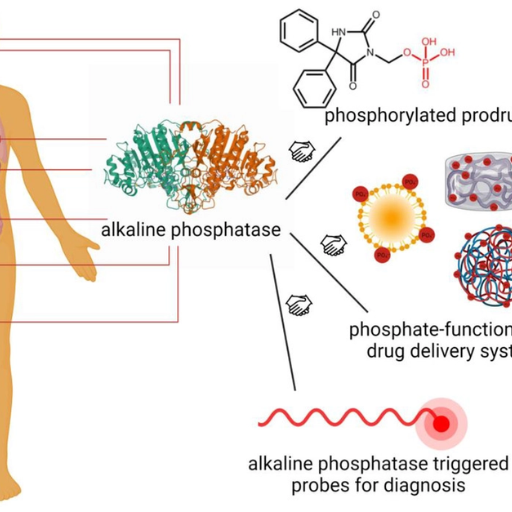
Alkaline Phosphatase, being a crucial enzyme present everywhere in the body, is found in high quantities in the liver, bone, kidney, and bile ducts. It hydrolyzes organic phosphate from proteins; thus, it is importantly connected with bone formation and liver function. The determination of ALP is usually made to investigate liver or bone health, as abnormal ALP levels in the blood may be secondary to liver disease or perhaps bone disorders.
Definition and role of ALP
Alkaline phosphatase (ALP) consists of hydrolase enzymes that essentially strip phosphate groups from molecules like proteins and nucleotides. Since it does best at alkaline pH, it acquired the name alkaline phosphatase. ALP is vital for bone health and liver function. For instance, in bone formation, it promotes mineralization by hydrolyzing phosphate esters to deposit calcium. In the liver, the enzyme severs its involvement in bile production, helping to digest fats further.
Normal ALP Levels and Clinical Significance
In clinical practice, the determination of the ALP level in a patient allows for gathering a plethora of information about the status of their liver and skeletal systems to facilitate a timely diagnosis and treatment of various pathologies.
Function of ALP in hydrolyzing phosphate esters
An alkaline phosphatase operates the hydrolysis of phosphate esters; therefore, dephosphorylation can be done to molecules through the enzyme. This phenomenon is crucial for many physiological processes: In phosphate metabolism, energy transfer, or even signal transduction. The enzyme ALP is most efficient under alkaline pH conditions, wherein it dissociates phosphate esters by breaking the phosphate bond and releasing inorganic phosphate.
![[REFRESH] Irgafos 168: Uses, Benefits & Specifications](https://welltchemicals.com/wp-content/uploads/2024/01/0-1.webp)
🔬 Mechanistic Insight:
It has been well explicated that the enzyme has a forte in mineralization processes, whereby ALP facilitates the availability of free phosphate ions for the formation of calcium phosphate crystals in bones and teeth. For instance, high ALP activity is crucial to osteoblasts during bone formation and growth. From a mechanistic viewpoint, it works hydrolytically against substrates such as pyrophosphate, which inhibits mineralization, converting it into phosphate that can be used during the mineral deposition phase. Research data show that in some disorders, such as hypophosphatasia, there is no ALP activity, constituting a situation of poor bone mineralization and stressing its role in the maintenance of skeletal structure.
Through understanding how ALP works in hydrolyzing phosphate esters, researchers can carry out therapeutic intervention studies applicable to bone and liver diseases in which ALP activity is disturbed.
Sources of ALP in the body
Alkaline phosphatase is distributed in numerous parts of the body where it performs some physiological functions. The liver is a major source of ALP, mainly in the bile ducts, acting in the transport of bile and the decomposition of complex molecules. ALP-OH can be increased, indicating obstruction of the bile ducts or obstruction of liver injury.
- 🔹 Liver: Major source, mainly in bile ducts; aids in bile transport and complex molecule decomposition
- 🔹 Bones: Produced by osteoblasts; aids in mineralization of calcium and phosphate. Higher during growth periods
- 🔹 Kidneys: Important source contributing to overall ALP levels
- 🔹 Intestines: Produce distinct intestinal enzymes when eating
- 🔹 Placenta: A Significant temporary source during pregnancy
These widespread sources of ALP illustrate the enzyme as indispensable for a physiological balance and health perspective.
What is Phosphate?

Phosphates consist of phosphorus atoms combined with oxygen atoms. In the body, phosphate remains indispensable for the constitution of bones and teeth, and, besides this, it also participates in the production of energy, repair, and growth of cells. Foods containing phosphates include dairy products, meat, and some cereals, which are necessary for the functioning of the body.
Definition and role of phosphate
Phosphates play an essential role in a plethora of physiological events-proof in the makeup and upkeep of resilient bones and teeth. The body has around 85% of all phosphorus in bones as phosphates. ATP, the biggest component, gives energy to several cell activities that include the contraction of muscles and the conduction of nerve impulses. Blood phosphate maintains the acid-base level and opposes the production of hydrogen ions.
📊 Phosphate Requirements:
Phosphate needs differ according to age and sex, with a general recommendation of 700 mg to be consumed by adults.
Natural Sources: Milk, yogurt, cheese, meat, fish, nuts, and whole grains.
Having an abnormal phosphate level make a Health problem: hypophosphatemia means a low phosphate level that causes weakness of the muscles and pain in the bones; hyperphosphatemia, too much phosphate, might be associated with kidney impairment or cardiovascular complications. Hence, keeping a watch on phosphate levels is obligatory for decent functioning of the organism and for good health.
Importance of phosphate in energy metabolism
Phosphates are extremely critical to energy metabolism in living organisms, primarily because these phosphate groups are present in the synthesis and utilization of adenosine triphosphate (ATP). ATP is used as the currency of energy within the cell as adenosine-triphosphate-dependent processes take place, such as muscle contraction, transmission of nerve impulses, and chemical synthesis. Phosphates, therefore, allow for the very existence of an ATP molecule carrying three phosphate groups and one adenosine molecule. Energy-requiring activity proceeds with ATP hydrolyzed to release free energy along with ADP and free phosphate.

⚠️ Impact of Phosphate Imbalances:
- Low phosphate levels: Weaken energizing mechanisms, producing fatigue, muscular weakness, and metabolic disorders
- High phosphate levels: Interfere with energy balance, usually associated with kidney disorders
Metabolism has been seen to be greatly affected by phosphate alterations. At the same time, humans with normal phosphate levels receive optimum ATP production that they undergo the cellular functions, which is needed to undergo there first. On the other side, phosphates are important for having the enzyme activities that bring forth the inversions through glycolysis and oxidative phosphorylation, two major pathways that form energy in the form of ATP.
Through proper diet and medication, phosphate levels in serum would remain balanced, which would, in turn, ensure efficient energy metabolism and overall physiological well-being.
Sources of phosphate in the diet
Phosphates are essential minerals for energy generation and bone structuring. Phosphates are naturally present in many foods. Some major dietary sources rich in proteins include dairy- milk, cheese, and yogurt- and meat, poultry, and fish. Seed-nuts-legumes-whole-grain alternatives are excellent plant-based options for those who miss out on dairy. Phosphates are also added in processed foods as phosphate additives, mainly for preservatives and for flavor enhancements.
The awareness of such values can help prevent deficiency or excess of phosphate among the people by managing their intake. Such a combination of different phosphate-rich foods in an individual’s diet will effectively safeguard his/her metabolic and structural requirements.
The Biochemical Relationship Between ALP and Phosphate

ALP and phosphate are linked via metabolic pathways. ALP is an enzyme that removes phosphate groups from biomolecules during varied biochemical processes, mainly occurring in the liver, bones, and kidneys. Elevated levels often signify high bone activity or hepatological manifestations, while low levels may point to metabolic or nutritional problems. Phosphate helps build and maintain the bones where energy is produced and a signal transduction pathway occurs into cells. The balance of the enzymes and phosphate acting across the tissues is very important in maintaining metabolic and structural integrity.
ALP’s regulation of phosphate levels
Alkaline phosphatase is an important enzyme in phosphate metabolism. It carries out the hydrolysis of phosphate groups from a variety of biomolecules so that free phosphate is available for other biological functions. Raised ALP generally signifies new bone formation. ALP is released by osteoblasts into the bone during active bone formation to liberate phosphate for mineralization. According to some sources, normal adult serum ALP values are said to be within the wide range of 44-147 IU/L because they change with age, sex, and disease.
Phosphate balancing is important for bone strength and energy metabolism. Phosphate forms one of the essential components of hydroxyapatite, the mineral that makes bones strong and rigid. ALP maintains phosphate concentration such that deposition into bones is balanced with phosphate available in the bloodstream. Variations in ALP activities, as in cases of hypophosphatasia and Paget’s disease, result in abnormal phosphate levels that interfere with skeletal integrity.
🔗 System Interactions: More recent studies have also brought out the possibility of ALP interaction with other systems, such as PTH, which regulates calcium and phosphate homeostasis. Thus, abnormal PTH could somehow alter ALP effects on phosphate reabsorption in the kidney, hence intensifying the ALP effect on metabolic health on many fronts. These multiple pathways thus reveal how indispensable this enzyme is in physiologic balancing acts.
ALP’s role in maintaining phosphate homeostasis
ALP influences the phosphate balance of the body by dephosphorylating compounds, such as inorganic pyrophosphate. Hence, it keeps a balance of phosphate for life processes like bone mineralization and cellular energy production. Further research suggested that maintaining extracellular phosphate levels through optimal ALP activity is directly related to bone health. Data, on the other hand, have indicated that the lack of ALP activity leads to the accumulation of pyrophosphate, resulting in adverse effects on bone mineralization and skeletal disorders such as rickets or osteomalacia.
Secondly, responsive changes going up and down in phosphate concentrations are under the moderation of ALP activity and renal function. It has also been shown in studies that ALP inhibits phosphate reabsorption by renal tubules, thereby preventing serum phosphate from rising beyond the biologically acceptable range. This angle of interaction sets forth the consequence of ALP upon bone-depositing osteoblasts while also affecting phosphate reserves that solidify the skeletal framework. Together, these findings shed light on this very subtle relationship of enzymes with the bone and renal systems toward phosphate homeostasis.
Connection to bone metabolism
ALP is a key enzyme that acts as a marker and promoter of bone metabolism. Earlier studies revealed the main role of ALP in the mineralization of bone by cleaving phosphate esters, thereby increasing inorganic phosphate concentration. This increase is necessary for hydroxyapatite formation, the primary mineral of bone. Often, depending on the clinical setting, Paget’s disease and osteomalacia might be associated with high ALP due to abnormal bone remodeling. Conversely, a low ALP level may bring into consideration hypophosphatasia, a rare disorder with defective bone mineralization.
🦴 Bone Health Connections:
Among the different advances more recently, a center of attention has been placed on highlighting the activity of ALP with homeostasis for vitamin D, calcemia, and phosphatemia, which are of paramount importance in muscle-bone maintenance of bone strength and density. Clinical data show that a decrease in vitamin D leads to a decrease in ALP activity, thus affecting bone mineralization and consequently increasing the possibility of bone fractures. And high ALP levels tend to be of utmost utility to diagnose bone disorders and also to follow up on therapies, corroborating the importance of this enzyme in clinical and metabolic medicine presence of many faces stands as testimony to the importance of ALP as a key player for skeletal health and systemic phosphate balance.
Clinical Significance of ALP and Phosphate Levels

There can be several health conditions if one has high or low ALP-phosphate levels. There is a possibility of having liver illness like hepatitis or blockage of bile tracts, or bone disorders such as Paget’s disease or osteomalacia when the ALP level is higher. On the contrary, lower ALP levels may indicate hypophosphatasia or malnutrition. Extreme phosphate values portray kidney abnormalities, vitamin D deficiency, or hormonal disturbance blocking calcium and phosphate regulation. Therefore, ALP and phosphate levels are always monitored for an ideal diagnosis and treatment of these conditions.
Normal ranges for ALP and phosphate levels
For one thing, age is implicated; for another, sex; and still another, health status. A proper determination will need accurate testing; therefore, upon health alteration, test levels for both to contemplate that alteration and to elucidate if within the normal bounds, because abnormal levels in either are suspect for different aetiologies that need to be researched.
Conditions associated with elevated levels
Elevated phosphate levels in the blood are often associated with various health conditions. One well-documented cause can be due to chronic kidney disease (CKD), which, because of impaired kidney function, leads to inadequate phosphate excretion and so phosphate builds up in the blood. Many studies show that hyperphosphatemia occurs in about 40 to 60 percent of cases of advanced CKD. Other contributing causes include hypoparathyroidism, where a deficiency of parathyroid hormone affects the regulation of phosphate in the body.
⚠️ Causes of Elevated Levels:
- Chronic Kidney Disease (CKD): Impaired phosphate excretion (40-60% of advanced CKD cases)
- Hypoparathyroidism: Deficiency of parathyroid hormone affecting phosphate regulation
- Excessive dietary phosphate: Processed foods with phosphate additives
- Tumor lysis syndrome: Rapid cancer cell lysis, releasing phosphate
- Acromegaly
- Genetic disorders, Such as familial tumoral calcinosis
- Overconsumption: Phosphate-containing medications or supplements
Elevated phosphate levels can pose serious risks, including soft tissue and blood vessel calcifications with resultant cardiovascular complications. Any patient with elevated phosphate levels must be meticulously examined and treated in collaboration with his or her health care provider for adequate control of the underlying causes.
Conditions associated with low levels
Hypophosphatemia, or low phosphate level, may be caused by an array of underlying conditions or external factors. In general, malnutrition, alcoholism, and chronic problems such as diabetic ketoacidosis are among the causes. Low phosphate levels can also be caused by certain medical problems, such as hyperparathyroidism or even an extensive burn. Symptoms of hypophosphatemia may consist of weakness of muscles, difficulty in breathing, lameness, and fatigue.
⚠️ Severe Hypophosphatemia Risks:
Data suggest that while life-threatening conditions owing to severe hypophosphatemia are comparatively rare, if present, they threaten the lives of hospitalized patients with severe hypophosphatemia due to complications like rhabdomyolysis, irregular heartbeat, or impaired immune function. Studies indicated there is a significant negative correlation between critically low phosphate levels and prolonged recovery time in such patients.
Treatment of hypophosphatemia generally entails treatment for the underlying condition and may include dietary modifications, oral phosphate supplements, or intravenous administration of phosphate in the more severe cases.
Research Insights on ALP and Phosphate
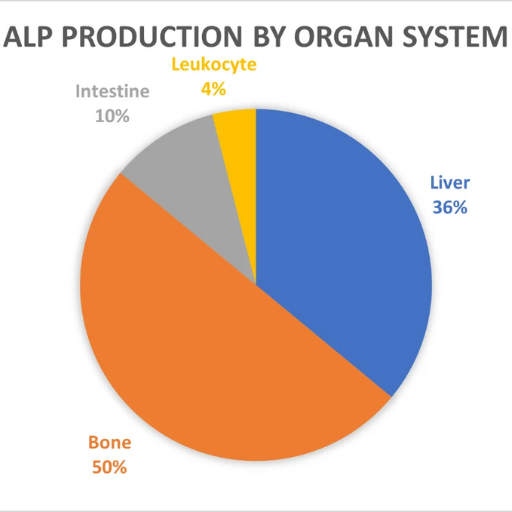
In general, ALP is examined to assess phosphate metabolism or even the general health of the bones and liver. An elevation in the levels of ALP may be suggestive of any disorder of bones or may be suggestive of liver disease or obstruction of the bile ducts. A greater level of discriminating power will have been observed in those bearing defects, while low levels of ALP suggest the existence of nutritional deficiencies or, in very rare instances, genetically inherited diseases. Phosphate levels are maintained to allow for proper cellular functions, whereas energy metabolism is thrown off balance during an imbalance. Hence, whenever such irregularities occur, an investigation is conducted to identify the cause. Management is ideal when directed toward the primary condition so that ALP and phosphate levels return to their normal values.
Summary of recent studies
While alkaline phosphatase (ALP) and phosphate were previously thought to be enzymes in calcium and phosphate metabolism, recent research suggests their greater significance in various pathological conditions. One such study published in the Journal of Bone and Mineral Research suggests that high ALP levels have a further substantial link with bone diseases such as osteoporosis and Paget’s disease. Data was analyzed from over 5,000 persons-that demonstrated that those with elevated ALP levels were 35% more prone to pertinent fracture incidences than others with normal levels.
To underscore all of these findings, one must comprehend the importance of their regulation to ensure good health, while research unfolds about their utilization as biomarkers for a variety of conditions.
Emerging areas of research
This branch has become a host for its number of emerging research looking at phosphate metabolism and CKD. More recent data have underscored that phosphate imbalance not only speeds up CKD progression but also brings about vascular calcification, which is a strong threat to cardiovascular complications. Even the smallest increments in serum phosphate are said by some studies to substantially increase the risk of death among patients with CKD. Novel therapeutic trials are underway, including phosphate binders and diet, to gain better control of these complications.
🔬 Current Research Frontiers:
- Phosphate & Endocrine Health: Examining phosphate homeostasis in bone health, particularly osteoporosis. Clinical trials exploring parathyroid hormone, FGF23, and phosphate interactions.
- ALP & Phosphate in Tumorigenesis: Investigating associations of high ALP with poor cancer prognosis. Exploring phosphate metabolism pathways in tumor development.
- Immune Regulation: Unveiling effects of phosphate imbalance on immune cell function, revealing new treatment mechanisms for inflammatory and autoimmune diseases.
Focusing on gathering more urgently needed and groundbreaking treatments for some of the most important health issues worldwide would be a mere idea.
Potential therapeutic targets
Recent developments have opened new sites for pharmaceutical intervention in phosphate homeostasis. The sodium-phosphate co-transporter NaPi-IIb is found primarily in the intestinal tract and has only recently been considered a target for blocking hyperphosphatemia in chronic kidney disease. Clinical trials using inhibitors targeting this transporter have shown a drastic drop in serum phosphate concentration, thus mitigating the ill effects of phosphate overload.
These therapies highlight phosphate metabolism as a promising field for innovative drug discovery. Further preclinical and clinical studies and subsequent research would be of utmost importance towards bringing these targets from bench to bedside interventions for phosphate-related disorders in patients.
Diagnostic and Monitoring Importance

Phosphate levels are essential in diagnosing and monitoring health disorders. Abnormal levels of phosphates suggest acute or chronic kidney diseases, hyperparathyroidism, or phosphate-wasting syndromes. Frequent monitoring of the levels of serum phosphate shows a change in the disease status or the direction of response to the treatment. Other advanced means of diagnostics, such as blood tests or imaging techniques, are undertaken to give an accurate assessment of phosphate metabolism and its related complications. This approach ensures the detection of a disease process and intervention at the appropriate times, thereby improving outcomes in patients.
Measurement of ALP and phosphate levels
The measurement of alkaline phosphatase (ALP) and phosphate levels is essential in the diagnosis and treatment of several disorders, including those involving the liver, bones, and kidneys. ALP is measured in the blood, where it can range normally within 44-147 IU/L in an adult, although this value may change with age, sex, and laboratory standards. Raised levels of ALP may be present in bile duct obstructions, Paget’s disease, or hyperparathyroidism, while low levels may be seen in malnutrition and hypophosphatasia.
Phosphate levels are measured similarly by blood tests and may normally range between 2.5 to 4.5 mg/dL for adults. Either high or low phosphate values can point towards complications of chronic kidney disease, vitamin D deficiency, or diabetes. Because children’s phosphate reference ranges are higher due to bone growth and development, an accurate interpretation of the obtained results must consider the subject’s age.
💡 Technology Advancement: The advent of automated analyzers has increased the reliability and ease of these measurements. Interpreting variations in ALP and phosphate levels, along with other biochemical markers, paints a holistic picture of the mayhem in a patient’s metabolic environment, aiding in focused and successful treatment interventions.
Importance of monitoring for disease detection
Appraising biochemical markers such as alkaline phosphatase or ALP and phosphate concentration forms a larger epidemiological investigation to cover early detection of medication. ALP levels increase in some hepatic injuries or bile duct obstruction, or bone diseases like osteomalacia and Paget’s disease. Decreased concentration levels could indicate conditions such as hypophosphatasia or malnutrition.
Phosphate being a vital substance for energy formation between cells and bone health, is equally important. High or too-low phosphate levels may indicate renal problems, an imbalance of hormones, or calcium metabolism-related issues. Studies further indicate that the course of chronic kidney disease, or CKD, via the disturbance of phosphate and calcium homeostasis makes these markers significant for continuous assessment.
📊 Global Health Impact:
About 10-15% of adults worldwide live with CKD, many of them undiagnosed until late stages, according to recent clinical data, placing further emphasis on biochemical investigations every so often for at-risk populations. High-end diagnostic tests afford the evaluation of abnormalities in a particular patient with accuracy at an early stage, applying direct intervention to help improve the patient’s health and prevent disease progression.
Ensuring that these routine tests are included in health check-ups allows for addressing potential defects immediately, thus, in a way, promoting preventive medicine.
Interpretation of test results
Reading biochemical test results requires understanding what constitutes normal reference ranges, depending on age, gender, and other physiological factors. For instance, blood glucose levels are said to sit in a normal range of 70-99 mg/dL during fasting; prediabetes glucometric checks would indicate a level pegged between 100 and 125 mg/dL, while values greater than 126 mg/dL signal the likely presence of diabetes. Cholesterol levels serve in a similar manner, as an assessment of cardiovascular risk; ideal values would be below 200 mg/dL for total cholesterol, less than 100 mg/dL for LDL cholesterol (bad), and greater than 60 mg/dL for HDL cholesterol (good).
Abnormal results, like those of liver enzymes AST and ALT that are elevated, might point to an inflammation of the liver or liver damage due to some causes, for which further investigation into what these causes might be is warranted. Testing for the presence of a viral infection or wondering whether it is the medication being taken that is causing such side effects. On the other hand, creatinine and eGFR levels give us information concerning kidney function, with the former being above 1.2 mg/dL (for women) or 1.4 mg/dL (for men) and eGFR being below 60, thereby suggesting kidney disease. These important biochemical markers enable physicians to assess the health risks of an individual, make decisions on treatments, or provide recommendations on lifestyle amendments or medical interventions pertinent to the patient’s needs.
Reference Sources
- 📄 Estimation and comparison of levels of alkaline phosphatase (ALP), acid phosphatase (ACP), calcium (Ca), and potassium (K) in the serum of subjects
Link to PDF on Academia.edu – Discusses the formation of p-Nitrophenol and phosphate as a measure of ALP activity. - 📄 The Correlation between total alkaline phosphatase and osteocalcin levels in systemic lupus erythematosus patients
Link to PDF on Academia.edu – Analyzes the correlation between ALP and phosphate in the context of bone metabolism. - 📄 Comparison of vitamin D levels with bone density, calcium, phosphate, and alkaline phosphatase
Link to PDF on Academia.edu – Explores the relationship between ALP, phosphate, and other factors in bone health. - Get High-Quality Irganox 1010 & Antioxidant 1010 from China
Frequently Asked Questions (FAQs)
❓ What is the interrelationship of serum alkaline phosphatase and phosphate levels?
There is a significant relationship between serum alkaline phosphatase and phosphate levels, depending on whether an increase in serum ALP would accompany an increased phosphate metabolism. It is postulated that higher serum ALP may result from some disturbances in phosphate handling by the organism, thus having an effect on a multitude of physiological processes.
❓ Are increased serum alkaline phosphatase levels linked with CVDs?
Many suggestions have been made linking raised serum alkaline phosphatase with cardiovascular diseases. These events have further established cardiovascular risk and total rate of death with elevation in the serum ALP, giving rise to the question of the importance of these biomarkers in the older patient population.
❓ Are there associations between serum phosphorus level and alkaline phosphatase?
Really important associations exist between phosphorus and alkaline phosphatase in the serum; sometimes an increase in the serum phosphate may increase the serum ALP, showing some underlying metabolic or mineral-metic abnormalities, which may, in the long run, adversely affect general health.
❓ What is the significance of higher serum phosphate in all mortality?
Phosphate in serum is found to be associated with the increased risk of all causes of death and cardiovascular death. High phosphate levels in patients with chronic illness might pose higher health risks, especially to the older population; hence, it may be summarized that these levels are important to monitor for implementing health-care strategies.
❓ How do serum calcium levels interact with alkaline phosphatase and phosphate?
Serum calcium levels interact with alkaline phosphatase and phosphate, interrelated in bone metabolism. Abnormal calcium levels may affect serum ALP activity; they may also cause alterations in phosphate levels, with which calcium levels have complex metabolic relationships.
❓ What is the meaning of such a link between serum ALP and cardiovascular mortality?
This suggests that elevated serum ALP may indicate a high risk of cardiovascular outcomes in patients.
❓ How does the co-interaction between serum levels of alkaline phosphatase and phosphate interfere with the individual’s well-being?
Some form of interaction could potentially occur between the serum alkaline phosphatase and phosphate levels in the vulnerability to certain health conditions, should a disruption in their levels indicate potential underlying abnormalities such as liver dysfunction, metabolic origin, or any chronic diseases. Regular checkups for the two could, therefore, aid very much in the early diagnosis and better management of the adverse situations.
❓ What has research established concerning the risk of cardiovascular events following serum phosphate?
The research has established that serum phosphate is significantly associated with the risk of cardiovascular events. Individuals with higher serum phosphate levels face increased rates of cardiovascular events, thus emphasizing the phosphate level awareness as a consideration in cardiovascular risk evaluation.
🎯 Key Takeaway
Understanding the relationship between ALP and phosphate is crucial for maintaining optimal health, diagnosing various conditions, and implementing effective treatment strategies. Regular monitoring and appropriate interventions can significantly improve patient outcomes and quality of life.