

Antioxidants fight the forces of stress and thus protect against cellular destruction by free radicals; hence, antioxidants are important for life and maintenance of health. The antioxidants are several different kinds, so it has been said that everyone works differently. Identifying the difference between primary and secondary antioxidants can help sharpen one’s insight into the way the forces protect a human being. This article will delve into the science behind primary and secondary antioxidants, their roles, and will also go into further detail on how a balanced system brings each one together. Whether for further nutritional insight or lifestyle choices, this detailed introduction will shed light on the world’s antioxidants and their implications in everyday life.
Importance of Antioxidants in Preventing Oxidation
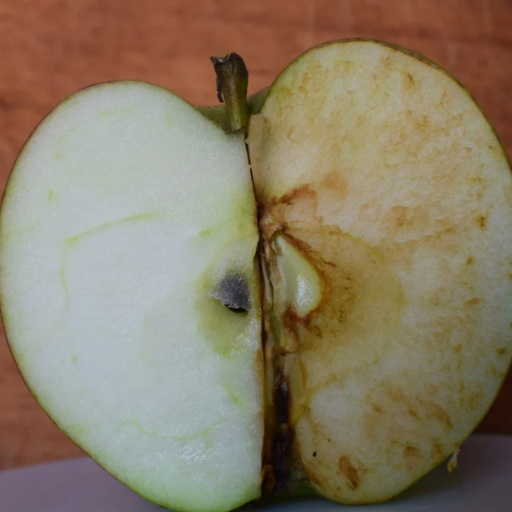
Antioxidants stop oxidation by attacking free radicals. Free radicals are unstable molecular species that are harmful to cells. Once accumulated, free radicals give rise to oxidative stress, which is associated with aging and several chronic diseases. Antioxidants stabilize these free radicals, thus reducing their harmful effects and allowing cells to be protected from damage. An antioxidant diet complements this protective balance in keeping one well; major antioxidant foods are fruits, vegetables, nuts, and seeds.
Significance of Understanding Primary and Secondary Antioxidants
What are primary antioxidants? They are also called preventive antioxidants and are most effective at neutralizing free radicals in the very initial stages of their work of starting a chain reaction leading to the damage of cells or tissues. Enzyme antioxidants such as SOD, catalase, and glutathione peroxidase are considered natural antioxidants and are produced naturally within the human body, concerning oxidative stress. Secondary types of antioxidants interrupt chain reactions stimulated by free radicals. They include nutrients through food, such as vitamin C, vitamin E, and flavonoids.
In accordance with recent studies, nutrition involving food types rich in both antioxidant cross-links may lead to diminishing many chronic diseases, such as cardiovascular disease, neurodegeneration, and some cancers. Studies indicate that coronary heart disease can be reduced by 25% through a diet of foods rich in vitamin E, which is present in nuts and seeds. On the other hand, vitamin C caters to everybody’s skin health and immunity, making it a secondary antioxidant in the shadow of vitamin E. It is chiefly present in citrus fruits and leafy greens.
Such an understanding informs the creation of better dietary plans and interventions geared toward overall health promotion so that when individuals take both types of antioxidants, i.e., enzyme-based antioxidants and vitamins acting as secondary antioxidants, they can themselves join their bodies in fighting oxidative damage.
What Are Antioxidants?
Simply put, antioxidants serve as a defense system against free radicals that damage the body. While free radicals are unstable molecules prone to harmful activity against cells, antioxidants counteract their actions and save cells from oxidative stress agents behind aging and several health conditions. Considered as antioxidants, vitamin C, vitamin E, beta-carotene, and selenium occur naturally in several foods, such as fruits, vegetables, nuts, and whole grains.
Definition and Role of Antioxidants
Antioxidants largely maintain health while working against oxidative stress and consequent cell damage. It has been demonstrated that the lower risks of chronic diseases, such as heart diseases, diabetes, and certain cancers, are associated with antioxidant-rich diets. Increased consumption of those fruits and vegetables considered natural sources of antioxidants, such as vitamin C and flavonoids, has been found to contribute toward cardiovascular health-from inflammation-promotion pathways and blood vessel protection means.
There is also some evidence for a protective role of antioxidants in neurodegenerative diseases. For instance, vitamin E may slow down cognitive decline and reduce the risk of Alzheimer’s by protecting brain cells from oxidative damage. Selenium, an antioxidant mineral, is being considered for its ability to help maintain immune function and possibly inhibit cancer.
The theory implies that a woman should get a variety of foods rich in antioxidants to obtain dietary antioxidants at their full potential. They consist of edible berries, darker chocolates, leaf vegetables, nuts, and green tea. Foods from different colors provide many antioxidants that could neutralize free radicals and help in cell health.
Importance of Antioxidants in Product Stability
Antioxidants are believed to act to increase the stability against oxidation so that, depending on the general quality and safety standards or shelf-life peculiar to a certain product, some of them may be subject to varying quality, safety, and shelf-life parameters. Generally, oxidation is a chemical reaction that happens when a product selects oxygen as an agent for breaking down. This basically means oxidation can give a rancid taste in food, give some colors of undesirable ones, and just take nutrients out of them.
Research has proven that antioxidants such as tocopherols (Vitamin E), ascorbic acid (Vitamin C), and rosemary extracts work well in the stabilization and enhancement of the shelf-life of oils, fats, and processed snacks; by way of example, tocopherols are applied in preserving cooking oils for the quality of reduction in the extent of peroxide development in the oils during storage.
![[REFRESH] Irgafos 168: Uses, Benefits & Specifications](https://welltchemicals.com/wp-content/uploads/2024/01/0-1.webp)
The antioxidants, such as polyphenols or coenzyme Q10, may serve mainly as stabilizers in a cosmetic preparation and in protecting active ingredients from decomposition by air or light. Evidence brings to the fore that natural antioxidants mostly provide the best stability when partnered with synthetic ones, while these natural systems are also in great demand by clean-label consumers. Therefore, the application of antioxidant compounds offers proactive approaches toward increasing product durability, reducing wastage, and generating consumer satisfaction in different industries.
Classification of Antioxidants
For the purposes of classification, antioxidants fall into these two main categories, depending upon whether they are natural or synthetic and by their function:
Natural Antioxidants
These pass into preparation from the environment. Raw materials could be derived from plants, fruits, and herbs. On the other hand, vitamins and some other compounds that fall under polyphenols might be such examples: vitamin E (tocopherols) and vitamin C (ascorbic acid).
Synthetic Antioxidants
These compounds are synthesized to imitate natural antioxidants. Examples include BHT and BHA.
Those belonging to either category are employed in food, cosmetics, and pharmaceutical industries for imparting stability and consequent life to a product against oxidation.
Overview of Primary and Secondary Antioxidants
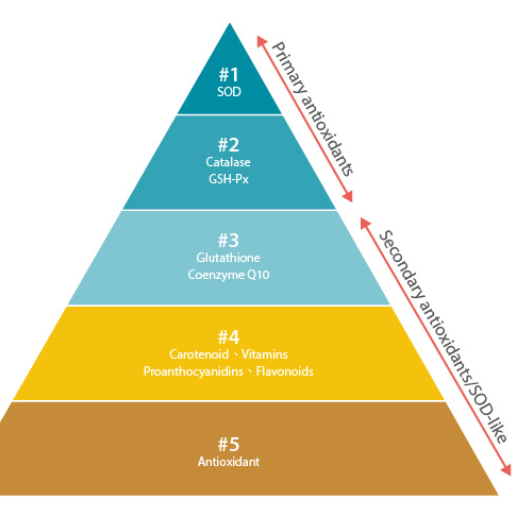
Depending on the principle of its action, an antioxidant may be referred to as a primary antioxidant or a secondary antioxidant. This distinction assists in differentiating the roles that each of them plays in preventing oxidation.
Primary Antioxidants
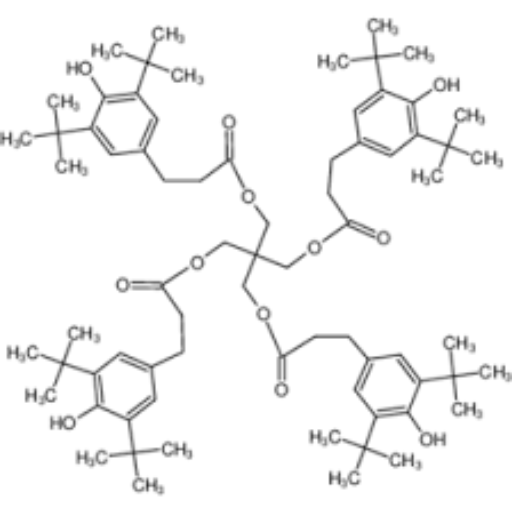
This category of antioxidants includes molecules that will directly interact with free radicals to neutralize them before these free radicals can propagate further oxidative reactions. In other words, the mechanism involves the interruption of an oxidizing reaction chain and is effective under conditions in which the free-radical activity is very high. Examples include phenolic antioxidants like tocopherols and synthetic ones such as BHT or BHA. It has been proven on the basis of observations that these antioxidants greatly suppress peroxide formation in oils, fats, and other oxidizable substances in food and cosmetics, thereby greatly extending their shelf life.
Secondary Antioxidants
The other group of antioxidants acts by stabilizing or decomposing ROS and other reactive intermediates that are being generated during the oxidation. Therefore, preventing antioxidants helps inhibit the initiation of the oxidative chain reaction. A classical example is citric acid, which is a chelating agent that binds metal ions, catalyzing oxidation. Moreover, some studies indicate that phospholipids act as secondary antioxidants in particularly in emulsified systems.
It is nowadays considered that primary and secondary antioxidants produce a synergistic effect when combined into a formulation. To cite a simple example, blending tocopherols with citric acid in edible oils has been shown to greatly enhance the oxidative stability, resisting rancidity through extended storage. This remains one major area of research in food preservation, cosmetics, and pharmaceutical formulations.
Key Differences in Mechanisms of Action
Primary antioxidants primarily act by reacting directly with free radicals and by breaking chain reactions, which, if they take their cours,e would result in oxidative damage. Such antioxidants, like tocopherols (vitamin E), donate their electrons to free radicals, thus rendering them into more stable, less reactive species. Secondary antioxidants act by either inhibiting the formation of free radicals or breaking down the intermediate compounds of oxidation, such as hydroperoxides. For example, citrate and phosphates act by chelating metal ions that catalyze oxidative processes.
Many studies have now demonstrated that in actuality, mixing these antioxidant types keeps them stronger in overall effect. For example, the data show that when tocopherols and ascorbyl palmitate react in vitro in a lipid medium, they extend oxidative stability up to 30-50% beyond what each can provide individually. This synergistic effect arises because primary antioxidants scavenge free radicals and thus allow the secondary antioxidants to lower the rate of radical generation, through either metal ion binding or hydroperoxide decomposition.
The mechanistic differences and how they complement each other have resulted in specialized antioxidant combinations that go into the development of food storage and shelf-life extension, plus stabilization of cosmetics, formulations, and pharmaceutics that tend to be labile.
Primary Antioxidants
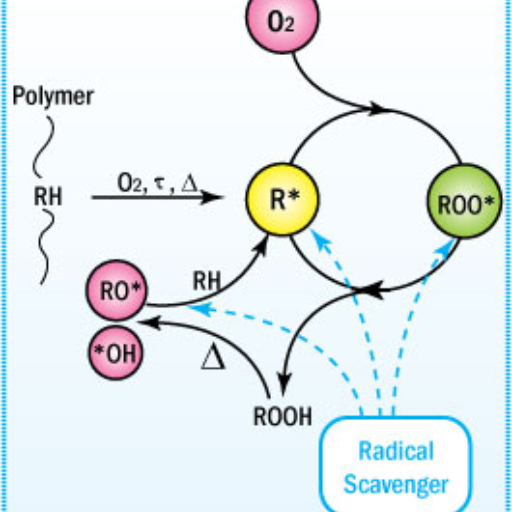

By way of definition, primary antioxidants are those compounds that consciously incapacitate free radicals from inflicting damage. They donate an electron to the radical, which stabilizes the species and prevents chain propagation that would otherwise usher in oxidative deterioration. Examples of primary antioxidants include tocopherols (Vitamin E) and ascorbic acid (Vitamin C), and they are used widely in food applications as well as health applications.
Definition and Function of Primary Antioxidants
Getting into details, primary antioxidants act against oxidative stress that occurs due to the relative imbalance of free radicals and antioxidants. The free radicals accept the electron from antioxidants and become neutralized, thus preventing further harm. This mechanism works in protecting against lipid, protein, and DNA oxidation, leading to chronic ailments such as cancers, cardiovascular diseases, and neurodegenerative disorders.
In recent studies, Vitamin E has been demonstrated as the primary antioxidant involved in maintaining the integrity of the cell membranes by dissolving into lipids, whereas Vitamin C works within free aqueous compartments of the body to counter oxidative damage as a water-soluble antioxidant. Data proves that the intake of approximately 75mg for women and 90mg for men of Vitamin C per day (recommended dietary allowance [RDA]) markedly decreases the levels of oxidative stress markers. Understanding primary antioxidants leads one to appreciate their significance in nutrition, medicine, industry, food preservation, and pharmaceuticals.
Mechanism of Action in Oxidation Prevention
Antioxidants act against free radicals and help in binding reactive oxygen species through various mechanisms, which otherwise lead to oxidation and breakage of molecules. These molecules stabilize an unsteady reactive species by electron transfer and thereby stop chain reactions from damaging lipids, proteins, or DNA. Vitamin C, sometimes otherwise referred to as ascorbic acid, directly scavenges free radicals and hydroxyl and superoxide radicals, converting them into inactive molecules. Vitamin E, however, donates hydrogen atoms to lipid radicals and prevents lipid peroxidation in biological membranes.
On the basis of the gathered evidence, it is evident that enzymatic antioxidants function as a principal defense system against oxidant stress. Superoxide dismutase (SOD) produces hydrogen peroxide through dismutation of superoxide anions, and glutathione peroxidase (GPx) produces water through dismutation of hydrogen peroxide, using glutathione as a substrate. Hence, these findings support the idea that there exists an inverse relationship between higher levels of antioxidant enzymes and chronic diseases such as cardiovascular diseases and neurodegeneration.
In addition, polyphenols like flavonoids in our food are believed to be powerful antioxidants. And these antioxidant properties may shield the cell, for, in one study, the ingestion of polyphenol-rich foods, with fruits, vegetables, and tea, brought about a 30% reduction in oxidative stress markers, which is a great positive factor for all cells. This is another support regarding the antioxidant’s ability to act as shields and points out their application both in modern medicine and in health supplement regimens.
Examples of Primary Antioxidants
Vitamin C (Ascorbic Acid)
Being a water-soluble antioxidant, vitamin C is a critical agent in neutralizing free radicals. There would be better immune function and lesser oxidative damage if vitamin C were taken regularly. Some studies suggest it can even bring down the risk of chronic diseases such as cardiovascular disorders by 25%.
Vitamin E (Tocopherol)
As this antioxidant is fat-soluble, it is itself in nuts, seeds, and vegetable oils. It protects the cell membrane from oxidative stress and has been linked with better skin health and less inflammation. However, meta-analyses show that providing sufficient vitamin E might help in preventing age-related macular degeneration and in maintaining cognitive function in aging populations.
Beta-Carotene
Beta-carotene is a well-known precursor of vitamin A and occurs generally in carrots, sweet potatoes, and spinach. It acts as an antioxidant and promotes the health of the eyes and the protection of the skin. High levels of intake of beta-carotene are related to a good reduction in the risk of cataracts and some cancers, mainly lung cancer in non-smokers.
Selenium
Selenium is an essential mineral and a component of glutathione peroxidase, one of the key antioxidant enzymes. It is present in various food sources such as Brazil nuts, seafood, and whole grains. Studies indicate that selenium may contribute to cell damage protection and immunity enhancement, and that its optimum consumption has been suggested to reduce the risk of prostate cancer.
Flavonoids
The polyphenols are present immediately in the tea, berries, and dark chocolate. Insofar as flavonoids bring about antioxidant and anti-inflammatory activities, they help in reducing blood pressure levels and keep the heart healthy. Research says that diets with high flavonoid content may reduce heart disease by nearly 20%.
Increased accumulation of primary antioxidants in your body’s daily diet will considerably strengthen the body’s ability to counteract oxidative stress and enhance longevity.
Secondary Antioxidants
This is how the secondary antioxidants function: they are supposed to help the natural body defense systems and help repair any damage caused by free radicals. While primary antioxidants directly work on free radical neutralization, secondary antioxidants assist in regenerating primary antioxidants and hence increase the total antioxidant capacity of the system. Providing examples: some enzymatic activities, minerals like zinc and selenium, and certain chemicals in foods-e.g., cruciferous vegetables, nuts, and whole grains. When consumed, these keep the antioxidant system balanced and effective.
Definition and Function of Secondary Antioxidants
The existence of secondary antioxidants is paramount to cellular health, for having an indirect implication in fighting oxidative stresses that may cause a longer workout for chronic diseases such as cancer, cardiovascular disorders, and neurodegenerative ailments. These antioxidants, thus, aid the enzymatic body defenses and the activation of trace minerals.
For example, selenium is a mineral found in a good number of foods, such as Brazil nuts, eggs, and fish, and it is required for the functioning of glutathione peroxidase enzyme, which reacts with hydrogen peroxide molecules that are harmful in cells. Zinc, on the other hand, procured right from oysters, meats, and whole grains, stabilizes and activates superoxide dismutase rather well-so that superoxide radicals may be broken down by it.
The scientific study published in Nutrients suggests that consumption of cruciferous vegetables like broccoli and Brussels sprouts raises levels of natural antioxidant enzymes, and hence, improves the body’s resistance to oxidative damage. Also, a healthy intake of whole grains and nuts provides the selenium and zinc essential to these systems for optimum antioxidant activity.
Encouragingly, by focusing on such nutrient-rich foods in the diet, it would create a window of opportunity for the secondary antioxidant systems to augment long-term health and, conversely, reduce the risk of disease progression associated with oxidative stress.
Mechanism of Action: Decomposing Peroxides
High concentrations of free radicals and oxidizing substances present in the metabolism can potentially cause cellular destruction if the concentration level is not brought down below the threshold within an adequate time. The human body has evolved antioxidant defense mechanisms to degrade or convert the harmful species to milder forms.
One of the best-known enzymes is that catalase converts H₂O₂ into H₂O and oxygen, with one molecule of catalase disintegrating millions of peroxide molecules per second: catalase activity is said to be particularly important in defense against the oxidative bursts occurring in inflammation.
Conversely, one of the activities of glutathione peroxidase is to deal with hydrogen peroxide and organic peroxides into their respective alcohols. It uses glutathione (GSH) as a cofactor, which is regenerated by an enzyme called glutathione reductase to continue the detoxification of peroxides. It is believed that an adequate amount of selenium in the diet is required to permit the GPx to function adequately, for selenium is a very important constituent of the active site of this enzyme.
Peroxiredoxins are another group of antioxidant proteins that break down peroxides while modulating the signaling cascades influenced by oxidative stress. More recent data may demonstrate that peroxiredoxins play an important role in curbing oxidative damage in the brain and protecting it against neurodegenerative diseases.
These enzymatic systems function concurrently to maintain redox equilibrium, keeping cells from going into damage and boosting longevity. Thus, nutrition and lifestyle that nurture these mechanisms become vital in preventing chronic ailments and cultivating good health.
Examples of Secondary Antioxidants
Carotenoids
Carotenoids are an extended family of pigments found in plants. Some carotenoids act as precursors of vitamin A, whereas others are a source of antioxidant substances. Among carotenoids, dry seed contains beta-carotene, lutein, and zeaxanthin pigments. They serve to hinder oxidative damage to the tissues, especially one which is the eyes. Lutein and zeaxanthin are concentrated in the retina and may help protect against age-related macular degeneration. An updated meta-analysis of 2023 confirmed that people with a higher carotenoid intake had 25% less AMD progression.
Coenzyme Q10 (CoQ10)
CoQ10 acts not only as an antioxidant but also in energizing mitochondria. It thereby counters oxidative damage related to aging and chronic disease, such as Parkinson’s and heart failure. There is a current line of evidence that indicates heart patients supplementing with CoQ10 can improve heart function, as shown by improvements in exercise capacity in some trials of CoQ10 and reduced rates of hospitalization.
Selenium-Dependent Enzymes
Selenoenzymes and hydroxyl glutathione peroxidase enzyme systems were working for the detoxification of hydrogen peroxide and lipid peroxides. However, when it comes to antioxidant defense, an increased supply of selenium through dietary means, such as Brazil nuts, seafood, and eggs, is implicated. Studies have suggested that adjusted levels of selenium can decrease inflammation markers and promote immune function during oxidative stress.
Polyphenols
Polyphenols are present in foods such as green tea, dark chocolate, and coffee, and are perhaps better known for their strong antioxidant properties. EGCG from green tea is extensively studied in neuroprotection as well as in cancer risk reduction. Some lifestyle studies have shown that populations with large intakes of polyphenols tend to have lower incidences of chronic diseases and longer lifespans.
Each of these secondary antioxidants can find its way into the diet through natural sources, providing a practical means of enhancing the protection of cells and health in the long run.
Synergistic Effects of Primary and Secondary Antioxidants
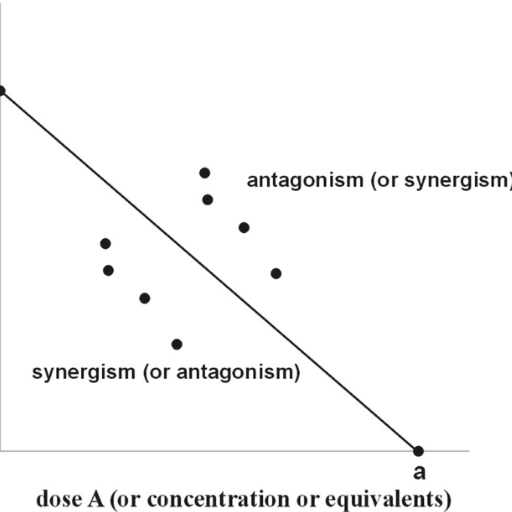
While the secondary antioxidants complete the first line of defense and thus truly build the holistic array of protection against oxidative damage, those primary antioxidants act first by virtue of donating an electron to the free radical or into the chain reaction. Secondary antioxidants, consisting of flavonoids and polyphenols, help to maintain the stability of the primary antioxidants so that they degrade with difficulty. Together, this synergetic interaction produces increased levels of protection toward cellular injury and health promotion, provided these antioxidants are regularly ingested in the diet.
Collaboration Between Primary and Secondary Antioxidants
It is shown by research that complementary diets of primary and secondary antioxidants work in synergy to maximize the physiological defense against oxidative stress. Foods rich in primary antioxidants include citrus fruits, nuts, and seeds, and vitamins C and E. Secondary antioxidants are abundant in plants: berries, dark chocolate, green tea, and red wine, all of which are rich in flavonoids and polyphenols.
These synergistic effects were scientifically studied. It has been said that vitamin C, when ingested along with flavonoids, enhances antioxidant stability and antioxidant bioavailability in blood, therefore increasing their ability to scavenge free radicals. This change theoretically lowers the risks for some chronic diseases, such as cardiac disorders, diabetes, and some types of cancer. Varied sources of antioxidants in the diet would provide effects of better health and the whole approach to combating oxidative stress.
Benefits of Combining Antioxidants
Radical targeting with multiple antioxidant effects may have seemed like the proverbial highest level of cellular protection against free radicals. One study in the Journal of Nutritional Science and Metabolism corroborates the synergistic effects of vitamins C and E in greatly accentuating the protection of lipid membranes from oxidative damage. Polyphenols in green tea and beta-carotene in carrots synergistically create an enhancement of antioxidant capacity by as much as 20 times. Selenium, a trace mineral, when paired with glutathione, has an enhancing effect on the regeneration of antioxidants as well as on the activity of enzymes, much needed in the detoxification of reactive oxygen species (ROS).
Support for Brain and Heart Health
This study concluded that combining antioxidants such as resveratrol found in red wines and grapes, and omega-3 fatty acids would optimize learning ability and reduce neuroinflammation. For cardiovascular health, flavonoids from dark chocolate and anthocyanins from berries work synergistically to support the ability of the endothelium to function and to reduce arterial stiffness.
This evidence raises the requirement to advocate for the diversification of antioxidants since their synergistic effects nurture the capability to offer greater therapeutic effects and holistic protection against oxidative stress.
Applications Across Industries
In industries, these antioxidants find application due to their health benefits. The scope of antioxidants extends to applications designed to promote health and well-being for a vast population.
🍎 Food Industry
Antioxidants are used to ensure the extension of shelf life of a product and the prevention of oxidation-fresh preservation of foods. Oils, packaged, and other matters of drink are soaking in antioxidants.
💄 Cosmetics and Skin Care
Antioxidants in skin care products keep the skin healthy and resilient by preventing damage from outside stressors such as pollution and ultraviolet (UV) rays.
💊 Pharmaceuticals and Supplements
Antioxidants are produced by the health supplements and pharmaceutical industries for general health concerns, including inflammation and oxidative stress implicated in chronic diseases.
🌾 Agriculture
Antioxidant solutions are thereby used in the preservation of produce, enhancing life, and quality with less extent of spoilage and wastage.
Food Industry: Role of Antioxidants in Preservation
Various antioxidants are used in finishing to extend shelf life and retain the nutritional qualities. Such compounds prevent oxidation, a chemical phenomenon that destroys fats, oils, and some types of vitamins. Oxidation inhibits good odor and taste and also creates bad by-products, such as rancid odors and free radicals.
According to cutting-edge analysis, the clean-label product trends will foster the increased demand for natural antioxidants such as tocopherols (Vitamin E), ascorbic acid (Vitamin C), and those extracted from plants, like rosemary and green tea. For example, tocopherols are considered to be one of the most commonly used antioxidants in processed foods for preventing rancidity in oils, while ascorbic acid finds maximal use in beverages and fruit preservation against discoloration. It was declared that, with meat products such as sausages, rosemary extract can halt lipid oxidation by some 30%, thereby ensuring product quality and safety.
Moreover, synthetic antioxidants like BHT and BHA are important to prevent spoilage in packaged and processed food. They are used in quantities that regulate food safety and still deliver maximum effect.
After all, strategic utilization of antioxidants in the food industry minimizes the occurrence of waste from spoilage, coupled with the better conservation of nutrients therein, so it fits within the paradigm of food supply sustainability and efficiency.
Polymer and Rubber Industry: Preventing Material Degradation
Antioxidants play an essential role in extending the life and preserving the performance of polymers and rubber materials. The materials are subject to oxidative degradation, becoming brittle, changing their color, and losing substantial mechanical properties with time. Primary degradation is caused by oxygen, heat, and UV radiation, hence the need for stabilization in industrial applications.
The global market for antioxidant chemicals used in polymer and rubber processing has been expanding regularly, with a compound annual growth rate (CAGR) of about 5.8% over the past years. Phenolic antioxidants, phosphite stabilizers, and amine-based compounds are the most common classes of antioxidants used in this sector. For instance, phenolic antioxidants inhibit oxidation by scavenging free radicals, whereas phosphites break down hydroperoxides into non-reactive alcohols.
Industries employing these materials heavily rely on antioxidants for uses such as automotive tire application, construction, adhesive, and electrical application, where durability is an essential characteristic of the products. Similarly, in tire making, rubber gets antioxidants to fend itself off against the aggression of heat and oxygen, which grows worse on being acted on during tire vehicle operation. Optimized stabilization systems ensure tires run consistently through thousands of miles without undue deterioration.
Specialized antioxidants affecting particular polymer grades have also been formulated in recent technological advancements. According to research, these advancements answer the requirements of high-performance materials in high-temperature or outdoor applications to a great extent. These additives extend the life span of their products by reducing their frequent replacements, hence lowering the cost and making them sustainable in the long run.
Health and Medicine: Combating Oxidative Stress-Related Diseases
The oxidative stress guarantees its importance in disease setup: Alzheimer’s, Parkinson’s, diabetes, heart disease, and several other forms of cancer. When the production of ROS is higher than the antioxidant ability of the body to counter it, cellular damage is caused.
Modern studies tell us that keeping a healthy level of antioxidants, either by dietary means or supplementation, will help minimize some of the damaging effects of ROS created during oxidative stress. A good antioxidant-rich diet of berries, greens, and nuts may reduce oxidative damage markers. For example, the flavonoids in blueberries have been found to potentially aid in brain function and possibly delay age-related cognitive decline. Furthermore, vitamins C and E were reported to decrease ROS levels, particularly for people exposed to high stress from environmental factors.
In contrast with therapeutic advances, there are new antioxidant therapies for specific diseases. For instance, N-acetylcysteine, or NAC, is a glutathione precursor that appears to have therapeutic potential in chronic lung conditions and in halting the worsening of neurodegenerative diseases. Edaravone is a drug with targeted use in ALS; it acts by scavenging free radicals so as to prevent oxidative stress to neurons.
Therefore, these findings lay a firm foundation for simultaneously applying preventive as well as therapeutic measures against the consequences arising from oxidative stress to harbinger prospects of better management for some complicated and chronic maladies.
Challenges and Future Directions

Dealing with issues connected with oxidative stress calls for various approaches. On one hand, this points to the challenge of accurately assessing levels of oxidative stress in vivo, with few reliable biomarkers being available. Another major problem is that by the time we develop therapeutics to target oxidative damage, these therapeutics themselves present the risk of side effects. Hence, there needs to be research geared toward developing better means of diagnosing oxidative stress and recognizing its implications in a given disease. Not only that, but stimulating research in drug development, including antioxidants and gene therapy, may lead to a solid candidate for treatment. Conquering these challenges will sync well with bringing together multidisciplinary collaboration toward a new avenue of lipid disorder management.
Limitations of Current Antioxidants
Several limitations exist at the therapeutic level for current antioxidants. Many dietary antioxidants, such as vitamins C and E, have proved largely unsuccessful in clinical trials, in contrast, largely due to the inability to maintain decent bioavailability, fast-metabolism issues, lack of ability to concentrate on the oxidized stress areas in tissues, or sometimes even the very basic dismemberment of the oxidative stress sites into tissues and cells. The antioxidants may be able to neutralize free radicals, but perhaps cannot readily seep into mitochondrial sites where the oxidative damage usually takes place.
Antioxidant activity is often subject to unintended interference due to its non-specific nature, sometimes interfering with redox signaling pathways essential for cellular functioning. Excessive antioxidant supplementation ends up disrupting the beneficial balance of reactive oxygen species during stress response and immune defense. This issue opens the call for second-generation antioxidants with better specificity-they should be able to intervene in oxidative pathways without inhibiting normal cellular activities.
There lies variability and, hence, difficulty in universalizing the use of these antioxidants as treatments. Modern studies indicate variability in response according to the genetic background of the individual, their food intake, and some existing health conditions. Precision medicine and newer compounds, such as pro-oxidant therapy or nanotech delivery, are possible solutions in countering this drawback.
Innovations in Antioxidant Research
In antioxidant research, the mechanisms of delivery and absorption have been given utmost importance lately in order to better exploit the therapeutic potentials thereof. Nanotechnology-based vehicles are a major advancement, and these include liposomes, dendrimers, and polymeric nanoparticles. These carriers would essentially confer protection to antioxidants from getting degraded in the gastrointestinal tract, so that they have a higher bioavailability. For instance, encapsulating curcumin, a natural antioxidant, in nanoscale carriers has been reported to increase its solubility and absorption rate, so that it could effectively work against several gray conditions related to oxidative stress.
The development of targeted delivery systems, another groundbreaking solution, is still an area of research. Such systems use molecular markers to direct antioxidants precisely onto injured tissues or cells so as to limit possible side effects and ensure maximal therapeutic effects. For instance, mitochondrial-targeted antioxidants such as MitoQ are designed to build up in mitochondria and directly counter oxidative stress from the source.
Furthermore, combination therapies have already been shown to exhibit some promising avenues. By way of integrating antioxidants with other treatments, say, anti-inflammatory drugs or chemotherapeutic agents, the aim would be essentially to amplify their effects with regard to treating chronic diseases, including cancers and neurodegenerative ones. In the past few years, early clinical tests have stressed improved outcomes when antioxidant combinations are customized for individual applications. This, in conjunction with technology, spells altogether a new era for antioxidant research, interspersing previous limitations with an eye on health maximization.
Trends in Natural and Sustainable Antioxidants
The interest of consumers for healthier nutrition gave way to health and environment-oriented products; as such, demand for natural, sustainable antioxidants has been on the rise. Some of the trends include using plants as sources, like berries, green tea, and turmeric, full of many bioactive compounds. Of late, equal importance is given to clean-label formulations, pertaining to the substitution of synthetic substances with natural counterparts. Another instance would be the new and better extraction methodologies, like supercritical fluid extraction, which is green. Will these trends hopefully lead to a very much sustainable tomorrow that will fit well with consumers’ ask for an all-natural approach to health?
Conclusion
Recap of the Importance of Antioxidants
The antioxidants are vital in fighting against oxidative stress, resulting in cell damage from free radicals. These damages are said to be responsible for signs of aging, inflammation, and are considered for an enhancement in the risk of chronic diseases like cardiovascular diseases, diabetes, and certain cancers. It has been identified that antioxidant-rich foods such as berries, dark leafy greens, nuts, and green tea are good for general health and consequently protect against such risks. For instance, vitamins C and E are antioxidants that suppress the formation of free radicals that are dangerously harmful to some cellular s).
Recent information highlights the importance of antioxidants in reducing oxidative stress markers. For example, clinical studies have shown that regular intake of polyphenols–a much-celebrated antioxidant found in abundance in fruits such as apples and grapes–helps in reducing blood pressure while improving cholesterol profiles, thus benefiting heart health. Thus, there is concurrent high demand for antioxidant supplements in the global nutraceutical market, which is projected to grow at a CAGR of 8.2% during the next five years.
Call to Action for Further Research
The benefits of antioxidants are immense and are still a topic of great research with regard to the prevention of chronic diseases such as cardiovascular conditions and certain types of cancer. For example, some studies suggest that increased antioxidant therapy in patient diets with vitamins C and E may slow the onset of cognitive decline associated with aging. Further, the international antioxidants market stood at $4.13 billion approximately in 2022 and is expected to touch $7.15 billion by 2030, as consumers become more aware of their health benefits. To be at the forefront of new technology and trends, it is crucial to immerse oneself in new scientific literature, analyze market forecasts, and evaluate practical applications of antioxidant-rich diets and supplements.
Frequently Asked Questions (FAQs)
What are primary antioxidants?
Primary antioxidants are those chemicals that directly interact with free radicals and block their adverse effects before these radicals can do any damage. They are named “primary antioxidants” because their function of preventing oxidative stress is directly carried out within a living cell. Clearly, vitamins C and E belong to this group of antioxidants, which are easily available via foods or dietary supplements.
What are secondary antioxidants?
Secondary antioxidants are not those that neutralize free radicals directly, but rather, they enhance the working of primary antioxidants. They help to regenerate primary antioxidants once they have reacted with free radicals. Certain flavonoids and carotenoids in fruits and vegetables would be an example.
How do antioxidants work in the body?
Antioxidants react by giving electrons to the free radicals, stabilizing these reactive molecules, and thus preventing any cell damage. This type of antioxidant action is significant to maintaining antioxidant status in the body and guarding it against oxidative stress.
What do food antioxidants contribute to the functions of the body?
Food antioxidants prevent those functions that oxidative damage can cause under the influence of free radicals, and in turn, they play a major role in human health. They are present in numerous foods and mostly in fruits and vegetables, which increase the antioxidant potential for health support and thus decrease the risk of chronic diseases.
How do you go about measuring antioxidant capacity in foods?
There is one method or another for measuring the antioxidant capacity. For instance, the Trolox equivalent antioxidant capacity assay is used to quantify the ability of food antioxidants to scavenge free radicals. Such determination of antioxidant capacities will then aid the assessment of food items having health potentials.
What are examples of synthetic phenolic antioxidants?
Synthetic phenolic antioxidants such as BHT and BHA are usually applied in foods for oxidation and, therefore, shelf-life extension. They may be able to prevent the oxidation of a food product; however, they may behave differently healthwise with respect to the antioxidants of natural origin.
What supplements can be used for primary and secondary prevention?
In antioxidant aim, the supplements used for both primary and secondary prevention include vitamin C and E, selenium, and different plant extracts. They are given to support the body’s antioxidant defenses, reducing the risk of chronic diseases and promoting general welfare.
Could it be that they form an answer to what endogenous antioxidants are in antioxidant defense?
Being produced inside the body, an endogenous antioxidant system solely does its job in antioxidant defense. In this way, some of the enzymes that make up this type of antioxidant include superoxide dismutase and catalase, which neutralize free radicals for the sake of cellular health, one of which acts alongside dietary antioxidants.
Reference Sources
- University of Connecticut Library: Antioxidants: Classification, Natural Sources, Activity
- Kansas State University – Animal Science: Antioxidants – K-State Animal Science
- Research Sources: Discover the Best irgafos 168 & antioxidant 168 Manufacturers from China