

When seeking to feed our dogs right, we usually think about dry food of high quality. Nevertheless, it might not be enough to cover all nutrient needs, and simultaneously making dry rations more delicious can be considered a good strategy. This post examines ten additives chosen with care because they boost general health and confront typical dietary shortcomings connected with feeding pets only on a kibble diet. Knowing what each supplement does and how it benefits will help you give your dog a better meal, leading to improved health.
What are dog food additives?
Understanding dog food labels
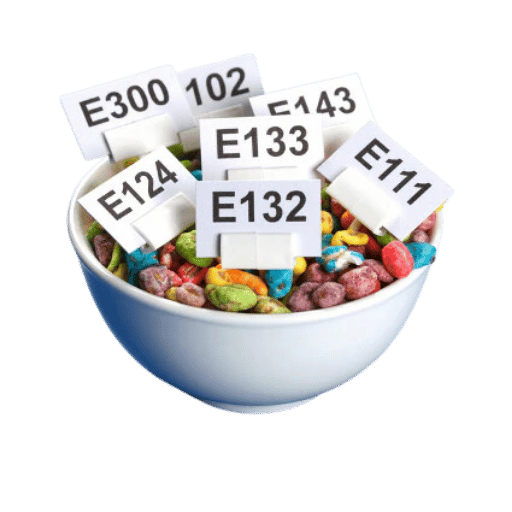
Dog food labels are an important source of information for pet owners who want to be well-informed about their dogs’ diets. They indicate the ingredients used, among other things. Nutritional content and feeding instructions are also given on these labels. The most significant part is usually guaranteed analysis, which shows the minimum protein percentage, minimum fat percentage, maximum fiber percentage, and maximum moisture content in cat feedstuff. In descending order by weight is how they list their components so that one can know what makes up most of it. Additionally, terms like “complete” or “balanced” mean that such food meets nutritional levels established by AAFCO (Association of American Feed Control Officials). Therefore, knowing all these things will help you choose a good dog food that satisfies its dietary requirements effectively.
Common additives in pet food
Pet food additives are divided into many types, and each has a different role in improving the nutritional value and safety of pet meals. Here are some examples of such additives:
- Vitamins and Minerals: These are essential for good health as they help in bone formation, immune response, metabolism, and other functions in dogs and cats. Some common ones include calcium, phosphorus, and vitamins A, D & E, which are necessary for dogs and cats that eat highly processed foods that bear little resemblance to their natural diet.
- Probiotics: They are beneficial bacteria that promote gut health, thus enhancing digestion. They can also alleviate gastrointestinal problems while boosting immunity.
- Omega Fatty Acids: These are important for healthy skin and coat growth; omega-3s make hair shiny, while omega-6s reduce inflammation and support brain function.
- Antioxidants: Oxidative stress fighters like vitamin C or E may prevent chronic diseases by removing free radicals from body tissues.
- Preservatives: Additives like mixed tocopherols or citric acid help extend shelf life by inhibiting spoilage due to microbial activity and oxidation during pet food storage.
- Flavor Enhancers: Ingredients like chicken broth, fish oil, etc., improve the taste so that pets find it more appealing.
Knowing about these additives can enable pet owners to select better diets based on their dogs’ needs for optimal health.
The role of food additives in canine nutrition
Food additives are needed in dog diets to ensure the quality and safety of commercial pet foods. They improve not only nutritional value but also the shelf life stability of the product. Take, for example, vitamins, which support different physiological functions, thus preventing deficiencies; probiotics support healthy digestion, while omega fatty acids help maintain healthy skin and shiny coats, among others. Antioxidants protect cells from being destroyed by free radicals, and preservatives lengthen their usability, protecting against rotting. Flavor enhancers are equally important because they make it tastier, increasing intake levels necessary for good health since all these benefits come with nutrition. In summary, incorporating various types of such components into canine meals is essential in fostering healthiness, long span, and general welfare of dogs.
Are food preservatives in dog food safe?
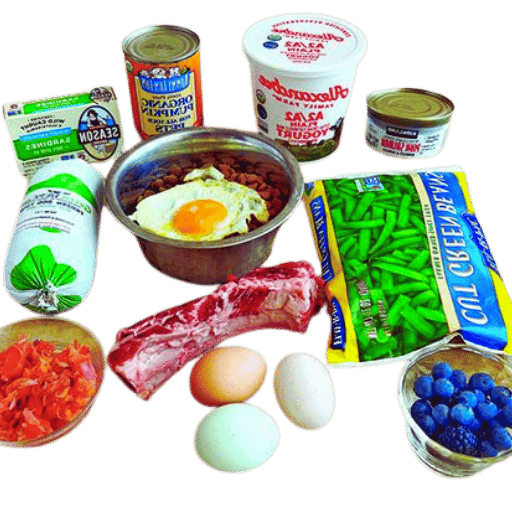
Common types of preservatives
Dog food preservatives are usually divided into two main types: natural and synthetic.
- Natural Preservatives: Commonly, they use ingredients such as mixed tocopherols (Vitamin E), rosemary extract, and citric acid. These chemicals are sourced from nature and work well to prevent oxidation, thus extending the durability of pet foods with no adverse effects.
- Synthetic Preservatives: Some examples include BHA (butylated hydroxyanisole), BHT (butylated hydroxytoluene), ethoxyquin etcetera. Although helpful in preventing rancidity and spoilage, there have been concerns over possible long-term health risks associated with these preservative substances; therefore, some people prefer using products that employ natural alternatives instead.
- Antioxidants: They can also add ascorbic acid (Vitamin C) or any other antioxidant that helps prevent fat deterioration in pet feed, keeping it fresh always.
The safety issue regarding dog food preservation is still debatable. The FDA, AAFCO, and other regulatory bodies monitor the usage levels of these components to ensure they remain within safe limits. Thus, pet owners must read labels attentively and seek advice from vets before making dietary decisions for their dogs.
Benefits and risks of food preservatives
Using preservatives in dog food has some benefits and risks.
Benefits:
- Prolonged Shelf Life: Preservatives maintain the freshness of dog food that can be stored for a long time without getting spoiled. It reduces waste, and pet owners can buy more food without worrying it doesn’t go well quickly.
- Prevents Rancidity: Preservatives prevent fats from going rancid by stopping oxidation, which makes them unpalatable and potentially dangerous to health.
- Improved Nutritional Stability: Preserving agents may help maintain dog food’s nutritional value so that it remains effective for essential minerals and vitamins over time.
Risks:
- Possible Health Problems: Certain artificial preservatives have been associated with allergic reactions, inflammation, or even cancer if exposed to pets over an extended period. This is why pet owners and regulators are heightenedly aware.
- Chemical Sensitivity: Some dogs might show sensitivities towards specific preservative types, especially those made synthetically, thus calling for customizing diets based on individual health requirements for different pets.
- Differences In Regulation: Although bodies like the FDA set safety levels, variations in follow-up compliance measures could result in disparities regarding the safe use of commercially available canine diet preservation substances in Pet Foods.
When choosing dog meals that contain chemicals, one should weigh advantages against disadvantages and talk with their vet about dietary needs tailored specifically for them.
Natural alternatives to artificial preservatives
- Vitamin E (Tocopherols): These powerful antioxidants can occur naturally and help stop fats from going bad; hence, they are broadly used in animal feedstuffs to keep them long and improve overall health. They also foster healthy skin and fur growth.
- Rosemary Extract: Rosemary extract has universal antioxidant properties and can delay lipid oxidation. This ingredient helps conserve the product and makes it tasty, thus being preferred more frequently as an inclusion in pet foods.
- Mixed Tocopherols: By blending different types of natural vitamin E, this compound effectively preserves food while minimizing risks associated with unhealthy effects common among synthetics. Mixed tocopherols maintain freshness and nutritional value in pet food.
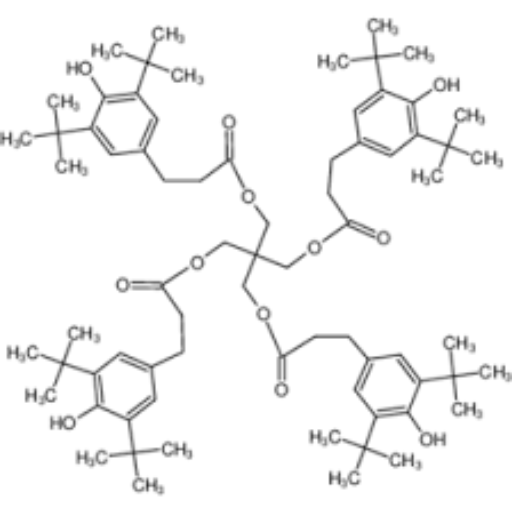
![[REFRESH] Irgafos 168: Uses, Benefits & Specifications](https://welltchemicals.com/wp-content/uploads/2024/01/0-1.webp)
The above-mentioned natural preservatives go a long way toward ensuring the safety and good health of animals and meeting their owners’ conscious preferences.
How can dog food toppers enhance a dry dog food diet?
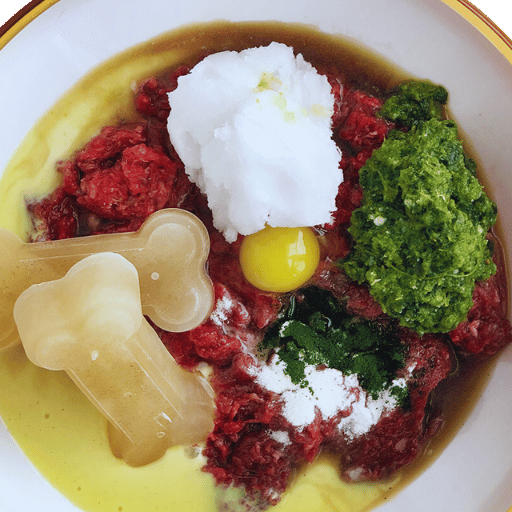
Benefits of food toppers for a healthy dog
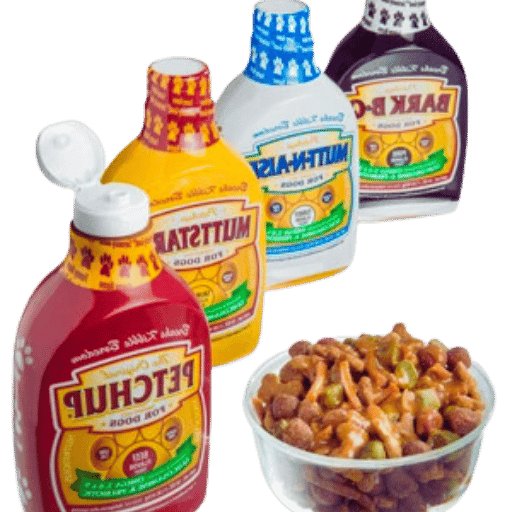
Dog food toppers are a great way of enhancing the nutritional value of dogs’ dry food. 1. It enhances taste: Enhancing palatability is the main aim of toppers, encouraging the dog to take all its meals; incredibly picky eaters. 2. Nutritional benefits: Most toppers are enriched with essential minerals, vitamins, and probiotics; hence, they contribute towards better health and improved digestion altogether. 3. Diet variation: Introducing different flavors and textures through various types of food toppings prevents monotony in a canine’s diet while promoting a balanced nutritional approach overall. In conclusion, according to a dog’s perspective, food toppings can easily blend into any existing feeding regime for dogs, providing both dietary enrichment and increased fun at mealtimes.
Popular additives like bone broth
Bone broth is an increasingly popular nutritional additive for dog food, which brings several advantages to canine health. According to various sources:
- Density of nutrients: Bone broth, achieved by simmering bones for long hours, is highly available in collagen, amino acids, and necessary minerals. These supplements can help with joint care and promote good skin conditions and shiny coats among pets while improving overall liveliness.
- Digestive support: Bone broth contains gelatin that aids digestion by promoting healthy mucosal lining growth throughout the guts, which is necessary for nutrient absorption. Thus, it reduces digestive problems such as leaky gut syndrome or IBD (inflammatory bowel disease).
- Additional hydration: Bone broth is quickly consumed by dogs as a liquid diet, but more importantly, it increases their water intake, especially if they do not drink enough liquids. This may assist in ensuring proper hydration levels are maintained, thus supporting healthy kidney functions.
Dryness can be significantly added to dry food diets by topping with this kind of gravy. Besides providing essential elements required by the body, it also improves taste, making meals more appealing even for picky eaters. Hence, it is an ideal choice when seeking ways to enhance your dog’s health.
Choosing the right dog food topper
Picking out a proper dog food topper involves considering several factors that should ensure that it meets your pet’s nutritional and palatability needs. Here are three things you need to think about:
- Nutritional Profile: Choose a topper that enhances what is already being fed without adding too many unnatural ingredients at once. Proteins, vitamins, and minerals should be in high amounts while keeping off fillers or preservatives, so much so that this can help balance the nutrition of meals for dogs.
- Quality of Ingredients: Ensure the toppers are made using high-quality whole foods; look out for those with identifiable single-sourced proteins and entire vegetables, too. Reading through labels may give clues about where these products were sourced from and how they were processed, thus ensuring safety.
- Taste Preferences: Every dog has its preference for flavors; therefore, one should consider what their pets like most or least before settling on any particular brand/type of topping. For example, if your pup loves chicken more than fish, go for chicken-based toppings instead of fish-derived ones since they might spice up his meal better. You could also try different tastes until you find out what tickles his fancy.
By following these points, you can choose a dog food topping dressing that makes your pet enjoy eating and supports its overall health.
What role do probiotics play in dog food?
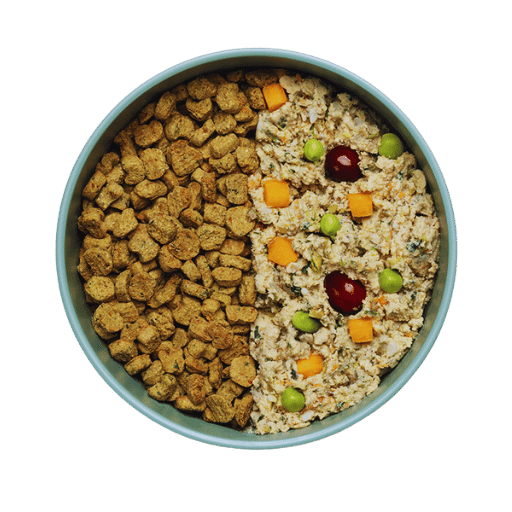
How probiotics support digestive health
Probiotics keep the digestive tract of dogs healthy and promote better gut health. They contain live bacteria that enable the body to absorb nutrients from food. Such pet nutrition sites claim that in addition to fighting off and treating GI problems like constipation or diarrhea among dogs, they also boost immunity. They create an unfavorable environment for harmful bacteria by competing for space and food resources within the intestines, promoting good colon health. Moreover, these microorganisms can stimulate the production of short-chain fatty acids necessary for a healthy bowel system. Properly working probiotics can break down food, making digestion easier overall. It has been repeated over time that if you give your puppy probiotics regularly, then it will improve their poops because more things are being digested, which leads them to have healthier stool consistency overall.
Finding the best probiotics for dogs and cats
When looking for the best probiotics for dogs and cats, it is essential to look for items backed up by scientific research and those from trusted brands.
- American Kennel Club (AKC): They recommend probiotics that contain particular strains of good bacteria, including Lactobacillus and Bifidobacterium. The AKC also stresses choosing pet-friendly products and seeking advice from vets who can offer personalized recommendations depending on individual health requirements.
- PetMD: According to PetMD, the best-quality probiotics are those with a guarantee of live organisms stated in colony-forming units (CFUs) on their labels. They also point out how effective these supplements can promote gut health, especially among animals suffering from digestive problems. Therefore, one should look out for multi-strain formulas since they provide more comprehensive benefits toward overall well-being.
- The Spruce Pets: This resource insists on using veterinary-specific probiotic formulations rather than humans. It also suggests that people read through ingredient lists to identify other helpful components, such as prebiotics, which work together with probiotics to support healthy digestion in pets.
By following expert advice while purchasing high-quality pet-specific probiotic products, individuals can significantly improve their pets’ digestive system function and, thus, overall health.
What food additives should be avoided in pet food?

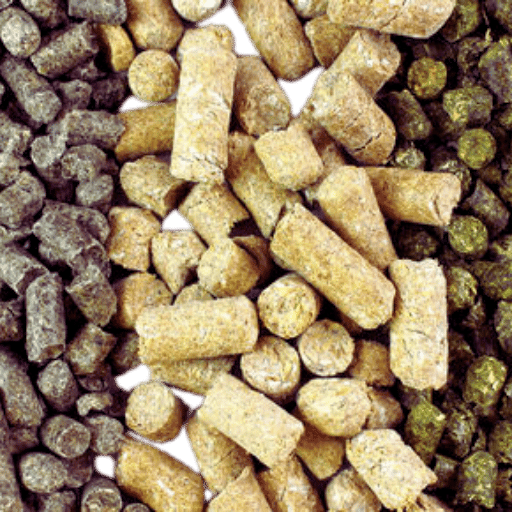
Harmful chemicals in dog food
Knowing about bad substances that might harm pets is important when picking dog food. Here are some tips from reputable sources on what to steer clear of:
- American Kennel Club (AKC): According to the AKC, artificial preservatives like BHA, BHT, and ethoxyquin, often present in some commercial brands, should be avoided. These additives have been associated with various health problems, so choosing products that do not contain them is best.
- PetMD: Corn syrup or high fructose corn syrup, artificial colors (e.g., Red #3), rendered fat, and meat meal can all be harmful fillers and additives listed by PetMD. Such ingredients offer little nutritional value for dogs while potentially causing allergies or sensitivities; therefore, they recommend using whole foods instead of synthetic ones.
- The Spruce Pets: This resource warns that certain by-products may pose risks because they could contain low-quality meats and unspecified animal origins. The Spruce Pets advises people to check out labels carefully to see exactly where everything comes from and ensure themselves about its honesty; moreover, it suggests prioritizing only those companies that indicate their sourcing methods in detail.
By avoiding these dangerous chemicals and opting for good-quality transparent dog food, owners can more effectively protect their pets’ health within the pet food industry.
Recognizing unhealthy food additives
To acknowledge harmful food elements in pet feed, owners should research reputable sources identifying dangerous substances. Here are some ideas:
- World Animal Protection: The website stresses the importance of looking out for artificial additives like preservatives, flavors, and colors. It suggests staying away from unclear meat and fat sources on pet foods with vague ingredient lists.
- Consumer Reports: Based on their findings, pet food ought to be free from harmful contaminants such as heavy metals, which may be present in fish-based products. They recommend brands that have transparent sourcing and test for contamination.
- Pet Food Industry Association: This resource states that reviewing guaranteed label analysis is essential. It also advises against switching pet diets with unverified health claims while urging people to choose quality-certified or ingredient-integrity-verified options.
Pet owners who adopt these resources will be able to detect unhealthy food components, thereby giving their animals better chances of staying healthy.
Reference Sources
Frequently Asked Questions (FAQs)
Q: What additives can I put in my dog’s kibble to make it healthier?
A: You may include many healthy additives in your dog’s food, such as canned sardines, salmon, kefir, sprouts, and fermented dairy. These will provide essential nutrients and fatty acids that improve the diet.
Q: Can giving my dogs kefir help their health if I mix them with their food?
A: Yes, kefir is a beneficial fermented dairy product for digestion and overall dog wellness; therefore, it goes well with other nutritious meals, too. The probiotics found in this substance are known to enhance gut health and bolster the immune system.
Q: Are dog treats useful when used as an additive for dogs and cats?
A: Dog treats could be used to add nutrition to your pet’s diet during training sessions or as a reward for good behavior. However, they should not be given too much since this may lead to high-calorie intake.
Q: Can I give my dog canned wet food together with kibble?
A: Absolutely! Combining canned wet food and dry kibbles can make the meal more tasty and nutritious. It is also important to note that adding water-containing components to a dog’s diet often increases hydration levels.
Q: Is mixing some salmon into my dog’s food okay?
A: Mixing salmon with your pup’s meals is excellent because it provides essential omega-3 fatty acids that promote healthy skin and fur growth. Just ensure the fish is cooked well so as not to expose him/her to any potential risks of illness.
Q: How can I incorporate sprouts into my dog’s diet?
A: Sprouts are healthy for dogs. These can be given with kibble or wet dog food to increase the intake of vitamins, minerals, and antioxidants that support overall health.
Q: Should I worry about spoilage if I add human food to my canine’s diet?
A: Consider spouting when adding human food to your dog’s meals. Use fresh ingredients only, and avoid leaving the food open for too long. Always seek advice from your veterinary doctor.
Q: Is it OK to give my dog organ meats?
A: Yes, organ meats are very nutritious, and they can be healthy for dogs, too. They have vital nutrients like vitamins and minerals, which may not be found in processed foods without any resemblance to whole meals but should only be fed occasionally as part of a balanced diet.
Q: Can artificial flavors in what I feed my pup affect his health negatively?
A: Fake taste in dog feeds can adversely affect the pet’s health. To ensure your pet is safe from such problems, just choose natural and nutritious additives for its diet.
Q: What is the process of selecting an appropriate dietary supplement for a large breed canine?
A: If you have a big-sized pooch, consider their specific nutritional requirements when selecting supplements, and seek advice from vet professionals specializing in this area. Some healthy examples include cooked salmon, kefir, or canned sardines, which provide essential fatty acids and other nutrients often lacking in processed feeds that bear no relationship to natural diets.