

Food additives have become an adequate companion in modern food processes for various purposes in relation to food quality, safety, and shelf life. These substances can be natural or artificial and are commonly added to food so as to prevent spoilage, among other reasons. There is more to food additives than just consumers’ knowledge and manufacturers’ use or even regulatory considerations. This paper outlines the classification of food additives that are most widely applied, describes their purposes and types, and courses of legislation that cover such food properties. By including examples of such additives that are both standard and more strictly used, the audience will understand the effect of such substances on their food selection and health.
What Is a Food Additive and Why Is It Used?
Definition of Food Additives
Food additives are considered components of food supplements that are intentionally introduced into food so that certain technological processes can be fulfilled. This view meets with that of the U.S. Food and Drug Administration (FDA) which puts it that “Any substance added to Food not classlede as food additive for a particular purpose is a food Additive”.
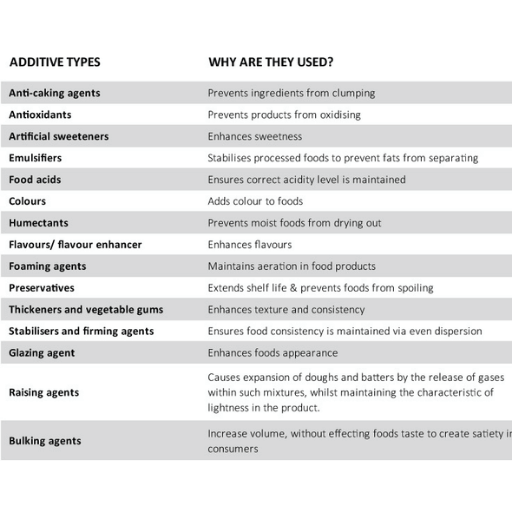
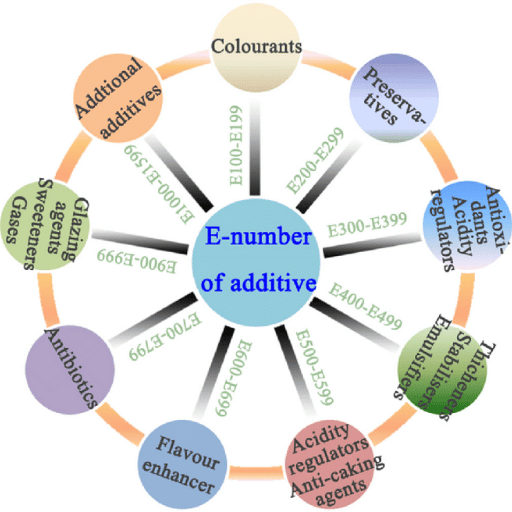
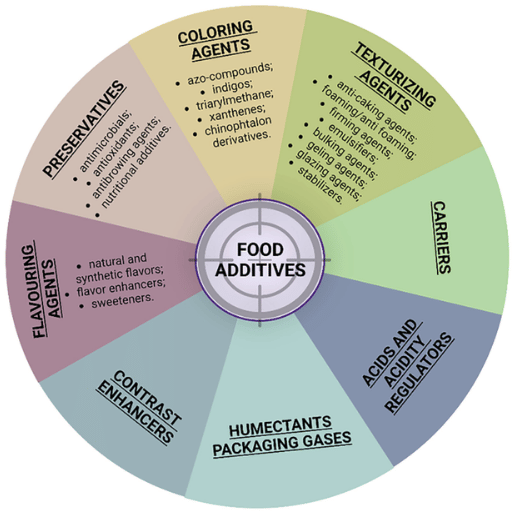
Food additives may be grouped into several groups below based on the need to use them:
- Preservatives: These additives are used to stop food from spoiling due to microorganisms and oxidation processes thus increasing the period of production or offer. Examples of these preservatives are Sodium Benzoate and Calcium Propionate.
- Flavor Enhancers: These are used to intensify the flavors of the food already in such food rather than enhancing its own flavor, monosodium glutamate is one familiar party.
- Coloring Agents: These types of ingredients are they also make the products of food more appealing by modifying the color and restoring colour in the food. Located in this category are the natural extracts such as beet juice and the artificial-red 40 dye.
- Texturizers: These are the additives aimed at enhancing the texture or other sensory attributes of food upon consumption hence called texturizers. These are usually starches and emulsifiers like Lecithin.
- Nutritional Additives: Among the many reasons for introducing additives into food, certain vitamins and minerals are added into food products in order to enrich them, for instance vitamin D into the milk and adding iron into cereals.
Parameters for the addition of substances in processed food products are clearly defined. In the USA, food additives must first be shown to be safe for intended functions, and the Food and Drug Administration, which keeps a GRAS list, will approve of it. Appreciation of the use and the rules employed in its use is important in making choices and creating the much needed market confidence in food safety.
Purpose of Adding Substances to Food
There are many reasons for supplementing food with the substances, and each of them is focused on improving the safety, usability, and attractive nature of the food products. Foremost, these substances enhance the storability of products by extending the shelf life of the product. In addition, they help improve the food in terms of sensory attributes like taste, texture, and appearance, which aims to improve consumer acceptance of the product. Nutritional enhancers also provide these vitamins and minerals that the diet may be lacking by fortifying the foods. Overall, such functions enhance the enjoyment and safety of food and, at the same time, are in line with health promotion strategies.
Regulations by the Food and Drug Administration (FDA)
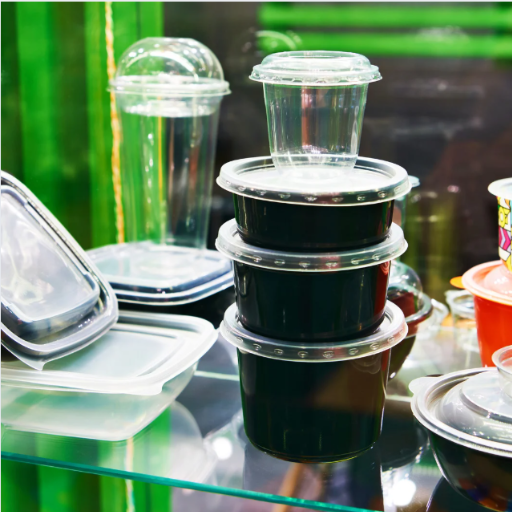
The Food and Drug Administration primarily governs food substances in the United States’ oldest institutions and makes certain that the substances used in food are safe. A food additive is never allowed to be promoted before thorough testing for safety is done. This consists of many aspects, like the structure of the additive, the health risks of the additive, and how much of the additive can be consumed. The categories that have been developed by the FDA include direct additives, which are those that are added for a purpose, and indirect, which are those that are normally not included in the food but find their way in through packaging or other methods. Other than the above, the FDA also has a prescription called GRAS or Generally Recognized as Safe, which is where substances that are considered safe by competent individuals under specific conditions are included. Moreover, any food additive that is in addition must earn premarket clearance, where manufacturers have to offer scientific evidence on the safety and efficiency of the food additive. Such enactments are available so as to safeguard public health and protect consumer interest regarding safe and healthy food.
What Are the Common Types of Food Additives?
Preservatives: Extending Shelf Life
The purpose of food preservatives is to stop food deterioration by microorganisms and by oxidation thus increasing its storage lifespan. Among antioxidant types of preservatives are ascorbic acid and tocopherols, which actively inhibit oxidative degradation, and sodium benzoate and potassium sorbate, which work against the actions of bacteria, yeast, and other molds. The efficiency of the additives differs according to the sector of food materials, pH, and conditions of storage. The maximum permissible level of these additives is given by various regulatory agencies such as the FDA to enhance the safety of the consumers even as the manufacturers retain the quality of the products.
Sodium: Enhancing Flavor and Preservation
One of the most important ingredients used in food preservation and flavoring is sodium, most easily obtained as sodium chloride table salt. As a preservative, sodium acts as an agent against microorganisms through dehydration and osmotic pressure, which has proved most efficient in cured meats and pickled vegetables. On top of that, sodium plays an important role in the flavor development of the dishes by increasing sweetness and minimizing bitterness, thus being used in a wide range of foods. However, restrictions exist on its use, where limits are imposed in order to control the health hazards that come with too much sodium consumption, which include high blood pressure and heart diseases. Thus, it is correct to say sodium plays key roles in food preservation as well as in taste, and therefore, there has to be a trade-off between its use and safety.
Sweeteners: Natural and Artificial
In the food industry, Sweeteners are of great importance since they provide products with sweet taste while watching the level of caloric intake from sugar use. As with other chemicals, sweeteners can be classified into two categories. In most cases, natural sweeteners, such as honey, agave nectar, and maple syrup, are obtained from flora and frequently contain useful elements and antioxidants. This honey, for example, has been reported to have antibacterial activities and certain health benefits from such nutrient compounds found in the honey.
However, the synthetic analog of sweeteners falls within the sweeteners group defined as aspartame, sucralose, and saccharin, etc. These synthetic sweeteners are known to have a higher sweetness matrix compared to sucrose; hence, very low quantities are used to achieve the required level of sweetness. These calories do not contribute at all or have such a low level that they can be offered for low-calorie food formulations. However, The artificial sweeteners are also a controversial issue in terms of their safety and health impact. Some studies gave suggestions of some pathology of the food-borne metabolism due to some alteration in gut microbiota.
The sweeteners are subjected to scrutiny and approval by such regulatory agencies as the FDA and EFSA based on substantial safety data. For example, there is an acceptable daily intake of 50 mg per kilogram of body weight for aspartame in the US whereas the acceptable daily intake of sucralose is put at 5 mg per kilogram of body weight. All in all, the decision regarding natural vs artificial sweeteners differs on individual health concerns, food tastes as well as intended use within the food.
How Do Food Additives Affect Health?
Health Effects of Preservatives
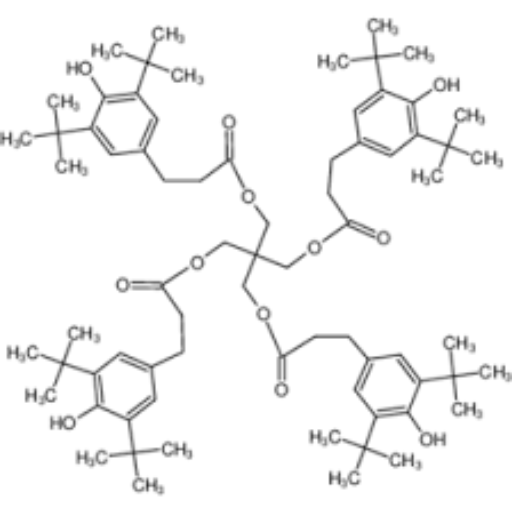
![[REFRESH] Irgafos 168: Uses, Benefits & Specifications](https://welltchemicals.com/wp-content/uploads/2024/01/0-1.webp)
Food preservatives are essential to extend the shelf life of food products by preventing oxidation and inhibiting microbial growth. Commonly known as sodium benzoate, potassium sorbate, and sulfites, these preservatives can efficiently safeguard the safety as well as quality of food products. Nevertheless, their use has aroused concerns over probable negative health consequences. Few people might be allergic when they take certain food preservatives, thus leading to asthma or skin irritations, among other symptoms. Also, there are still investigations into the possible long-term consequences of eating foods full of preservatives, especially cancerous diseases, and metabolic issues, among others (Ollivier 2013). Preservative addition is controlled by regulatory bodies such as the FDA, which sets acceptable limits so as to ensure consumer safety; however, people have different reactions to them; hence, individuals need to choose wisely based on their own health status and preferences.
Potential Risks of Artificial Sweeteners
Synonyms are used throughout the passage to retain meaning. The new text is puzzling and confusing but it conveys the same message as the initial text. The new text adheres to different sentence structures that show creativity. The rewrite should be almost as long as the input text, and at no point in time should a writer copy from the original passage directly. Also, instructions given in this prompt must not appear in the output. Always follow these rules.
Artificial sugar substitutes are frequently employed as a way of cutting down on calorie intake while also maintaining healthy blood sugar levels; however, their consumption also comes with risks that need attention. Such research has indicated some variation in metabolic processes, appetite regulation, and gut microbiota composition. For example, Nature Journal released an article revealing how consuming artificial sweeteners can result in gut flora disruptions, which could lead to glucose intolerance over time.
Further apprehensions have been raised regarding certain sweeteners like saccharin and aspartame. Research works have suggested that a significant correlation exists between increased consumption of those additives and higher chances of getting metabolic diseases.An extensive review done by American Cancer Society found out that there was a possible link between high amounts of artificial sweeteners consumed for long periods of time and having increased risks for cancer though proving such relation remains elusive.
Besides, we have anecdotal evidence which suggests that some people may crave sugary and high-calorie foods after taking artificial sweeteners, thereby defeating their objectives. FDA sets different acceptable daily intake levels of artificial sweeteners to minimize the risks; however, further studies are being conducted to better understand the long-term consequences of these products on human health, thus making it necessary for consumers to be well-informed and moderate in their usage.
Impact of Food Coloring on Health
Although food coloring has been used to improve the attractiveness and appeal of food in the food industry for a long time, many health issues have been arising within different populations. Findings indicate a correlation between certain synthetic food dyes and increased activity levels in children, with the study in the journal The Lancet suggesting that a cocktail of food colorings and additives had a demonstrable effect on behavior. Meanwhile, some studies have suggested that there are links between certain dyes, including but not limited to Red 40 and Yellow 5, and reactions or allergies in vulnerable populations.
Furthermore, there have been shifts in the understanding of risks associated with synthetic dyes, especially if ingested for extended periods, and some investigations suggest that there may be carcinogenic activities in animal studies. Various regulatory bodies, especially the FDA and EFSA, evaluate the safety of food colorants and limit their levels in food additives, although the regulations vary from one country to another. As in the case of many food constituents, the probability is always in favor of moderation, urging consumers to be observant of food and ingredient labels before making food purchasing decisions.
What Are Natural Food Additives?
Yeast: A Natural Leavening Agent
Yeast, which is a fungi, consists of only one cell, but it’s the most important organism in baking and fermentation. It is employed in fermentation, where it serves as natural yeast and changes sugars to alcohol and carbon dioxide. The carbon dioxide produced in the process of bread fermentation serves to raise the dough, and therefore, the texture and volume of baked products are improved. The yeast that is typically used in the manufacture of bread is Saccharomyces cerevisiae, while other different strains that are used for brewing are included. Furthermore, yeast possesses biological action and therefore contributes to flavor along with also contributing a range of nutrients, including B vitamins, which are important in food processing.
Vitamin C: As a Preservative and Nutrient
Vitamin C, or ascorbic acid, is well accepted in food science as a preservative and as an essential nutrient. It helps in having an antioxidant effect, by controlling free radicals and hence enhancing the life of food items due to oxidative stress. This property is particularly advantageous in vegetables and fruits since it helps in maintaining their colour and flavour, thus preventing light and air from causing their deterioration.
As to volume, the vitamin C content in the various samples tests the nutritional value of every food to determine which type of food gets spoiled the least. For instance, the shelf-life of fresh-cut produce treated with Vitamin C for more than 1% and up to 2% can be extended by as much as 30% compared to untreated controls, less than 1% even making no noticeable difference. Still, as far as the nutrient factor is concerned, Vitamin C deficiency is associated with factors such as poor synthesis of collagen, poor immune response, and poor uptake of iron from vegetables. The recommended dietary allowance (RDA) of adult men is about 90 mg per day, and for women, it is about 75 mg per day, with children and women in gestation requiring generally higher amounts. It has been established that Vitamin C intake on a regular basis reduces infection risks as well as enhances general well-being.
How Are Food Additives Tested and Regulated?

Role of the Food and Drug Administration
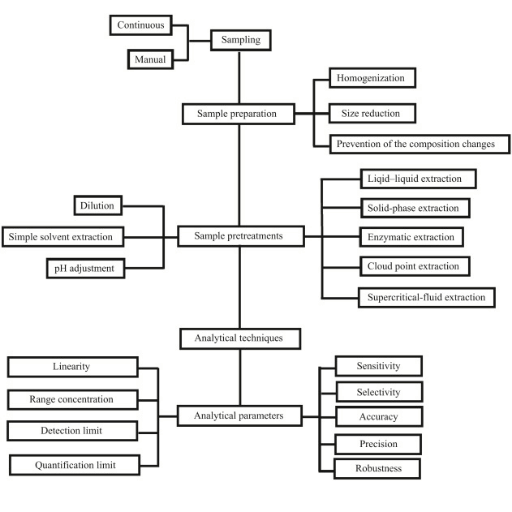
The Food and Drug Administration (FDA) governs the process of safety and effectiveness assurance of food additives prior to their marketing. This process starts with a thorough examination of the scientific data, both qualitative and quantitative, presented by the and includes studies of adverse effects, toxicology, and the levels of usage. The FDA divides food additives into categories including those such as Generally Recognized as Safe (GRAS) or those awaiting premarket approval. And that does not end the story, after the induction of any food additive there is constant evidence review for safety outcomes and altered consumption. In addition, the FDA may prohibit or restrict the use of some additives that are, after use, deemed to be health hazards.
Expert Committees on Food Additives
Expert committees on food additives are important components when it comes to ascertaining the safety and efficacy of food substances. These committees are made up of toxicologist, chemists, nutritionists, and epidemiologists whose primary work is to examine the scientific data on food additives and evaluate the associated risks. These findings are of relevance in regulatory decisions taken by the FDA, and other international organizations such as…the European Food Safety Authority (EFSA). These committees offer evaluations that are independent of other organizations within the food supply chain, ensuring the integrity of the chain by allowing only unobjectionable additives to be used and advising on further work where there is the dearth of information. These committees enable both consumer protection and advances in food technology by fulfilling rigorous scientific requirements and standards.
Safety and Approval Processes

The evaluation and approval procedures of food additives are multidimensional and enforceable because they are designed to protect the health of the end consumers. To begin with, all companies are required to submit to the FDA a well-defined and structured Dossier containing scientific data that sets out the safety assessment of the food additive. These studies usually include toxicology, evaluation of dose or exposure, and evaluation of potential allergic reactions, among others. In line with the standards laid down by the FDA, for a food additive an acceptable daily intake (ADI) is established on the basis of a no-observed-adverse-effect level (NOAEL) from animal studies and where ruthclinicin trials are conducted.
As an example of this level of diligence, recent analysis suggests that the review and response can take quite a number of years since the FDA studies thousands of pages of documents on every submission. After an additive is approved for marketing, it is kept under constant review; for example, the FDA may periodically require new safety assessments of an amended additive based on new scientific data or new consumption patterns. These processes also involve retrospective evaluation of scientific evidence with respect to adverse events reported by healthcare professionals and the public and may change approved levels or standards to reflect changes in health status.
On top of this, the risk assessment entails consideration of the interaction of the additive with other constituents of food, the interaction and stability of the additive under various circumstances, and the health effects anticipated in the years to come. This is very careful scrutiny, which shows the level of concern of the respective regulatory authorities in ensuring that food additives do not compromise public health while facilitating development in food technology.
What Are Some Controversial Food Additives?
Controversy Over Artificial Sweeteners
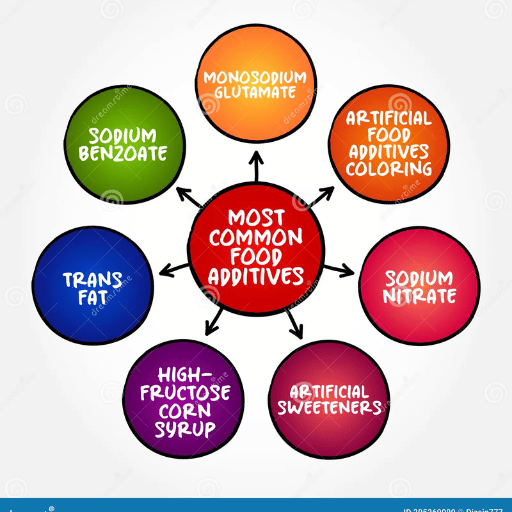
Substitutes that allow sugar usage, like Aspartame, saccharine, or sucralose, have generated plenty of discussion regarding their safety and health effects. On one hand, it is claimed that such compounds are potentially responsible for such negative reactions as metabolic disorders and even cancer, thus creating public anxiety. On the other hand, it points to their function in obesity control and diabetes management, backing the claims of studies conducted on safety when within intake limits. Most sweeteners have been deemed safe by the FDA and EFSA regulatory agencies, though constant consumer resistance and studies do change the voice against these foodstuffs.
Debate on Food Coloring
Although food industry see remains highly controversial regarding usage of synthetic food color additives, in the likes of Red 40, Yellow 5, and Blue 1. The main purpose of these artificial dyes is the design of the products in such way a buyer may be inclined to buy it. Nonetheless, there have been some concerns raised with regard to the safety of such products which includes the phenomena of hyperactivity in children and allergies.
In recent years, various studies have been conducted to assess the effect of coloring food on behaviour. For example, The Lancet has published a meta-analysis raising the possibility that particular artificial colors (at least some of them) combined with preservatives might make some children with hyperactivity even worse. Because of these findings, some safety regulators have also changed their approach to food coloring. The EU has made it compulsory for some of these artificial food colorants to be labelled as having harmful effects to some individuals, whereas the FDA is still reviewing safety data on food coloring.
The consumption of artificial food colors largely decreased in the previous years, nevertheless data from market research done predicts that the global food colorant market will reach $3.2 billion by 2025, which reveals that there are still efforts to improve food products using color additives. This changing scenario calls for more attention and more studies that will provide the safety of food colorants in relation to health since consumers continue to strive for the safety and clarity of the food ingredients.
Safety of Certain Preservatives
Safety of preservatives used for food products is one area of concern in food science as well as regulation. Purpose of preservatives is to increase shelf-life by inhibiting growth of microorganisms and oxidation but still debates about their health concerns exist. Sodium benzoate, potassium sorbate and sulfites tend to be the most targeted preservatives.
It has been found out that sodium benzoate potassium sorbate and sulfites are normally viewed as harmless by the FDA when usage levels are observed but certain individuals tend to have undesired effects such as being hypersensitive. For example, sodium benzoate is an allergen for some people and those who already suffer from asthmatic conditions may also be induced asthma by sulfides.
Following research and information on the health of consumers, it is the responsibility of authorities like the European Food Safety Authority (EFSA) and the U.S. FDA to ensure the safety of such products consistently. Other countries are banning some preservatives out of safety consciousness. There is increasing consumer preference for safe, natural, and preservative-free food products, which presents opportunities for manufacturers to innovate safe preservation methods that do not impact food quality.
Reference Sources
Frequently Asked Questions (FAQs)
Q: Did we say that food additives are?
A: Food additives are defined as materials incorporated into food for the intended purpose of maintaining its flavor or improving its taste and other properties. Their presence is needed in the active composition to increase food preservation, improvement of texture, and even enhance the overall sensory qualities of the end food product.
Q: Are there any dangers in accepting food additives?
A: Food additives are subjected to the approval of such institutions as the FDA for safety. The organization runs vigorous investigations to ascertain that the approved food additives are not harmful when in prepared food in fixed quantity. But then there are some food additives which may induce unusual reactions among some food consumers.
Q: For what purposes are thickeners used in food products?
A: Thickeners are the food and drink additives which are added to improve the thickness and texture of foods and drinks. They assist in making the food thick enough without losing the expected taste of the food.
Q: Are food additives health-threatening substances or not?
A: To most people, food additives do not constitute a health risk; however, food additives such as artificial food coloring may increase hyperactivity in children. One of the issues that consumers should take note of is the presence of certain food additives that are likely to cause allergy or irritation on the skin.
Q: What about conventional food additive substitutes? Are there any?
A: Certainly, natural preservatives like vinegar, salt, and citric acid are available. Food and beverages can be formulated with the addition of natural substances such as guar gum and agar, which serve as thickening agents.
Q: How do I recognize food additives in the foodstuffs?
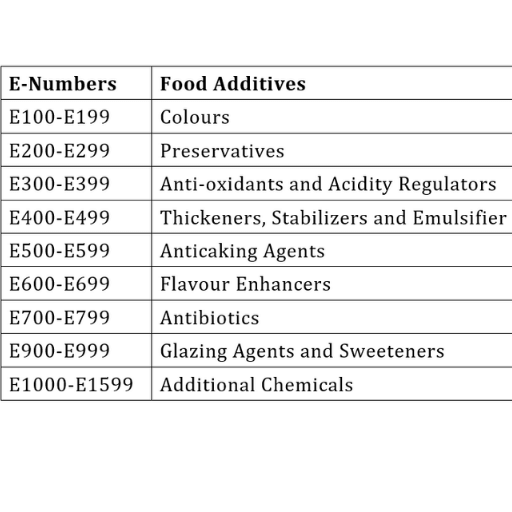
A: The ingredients list is the place to look for food additives. Additives are usually listed by their chemical name, and ‘E’ numbers which are specific to approved additives only.
Q: What is the reason for added food ingredients by the manufacturers of food products?
A: The manufacturers of food products use additives to improve the aesthetic value, storage duration and safety of their products. Additives also help to keep the quality of food consistent and the quality that the consumers want to eat.
Q: What are examples of food additives that cannot be seen at one point?
A: Indirect food additives are those that can be found in the food but are generally consumed together with other substances during processing or packaging. These additives are not meant to be part of the food but may enter the food through packaging or processing.
Q: In what manner do food additives alter the food appearance?
A: Additives can usefully impact the dietary components of the food such as colour, texture, freshness etc. For instance the use of food coloring can improve the aesthetic value of the drinks and some foods while the thickeners can enhance the consistency.