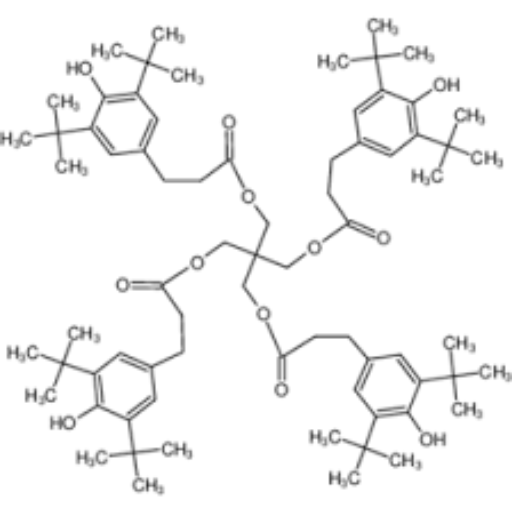


Rancidification is a silent menace hidden in the foods that we consume. It diminishes flavor and texture and even poses safety issues, with what was an acceptable meal becoming an unbearable one. But does one know that modern science and technology have even come up with ways to counteract this in foods containing fats and oils? Enter antioxidants-strong molecules that keep foods fresh and extend their shelf life. This article takes you through the exciting world of antioxidants-a detailed look at how they are incorporated into food products to stop rancidity, the common types used in the industry, and their end benefits to manufacturers as well as consumers. So whether you want to learn a bit about food science or just want to know how food stays fresh, this will reveal everything to you about the link between antioxidants and quality preservation.
What is Rancidity?
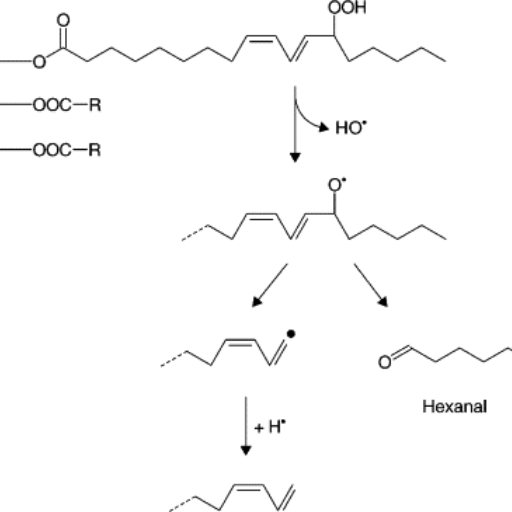
Rancidity is one process whereby fats and oils in food degrade, resulting in unwanted odors, flavors, and sometimes even harmful compounds. It is also common for atmospheric oxygen or ultraviolet light from the sun to sneak in or for heat to do such action, making a certain chemical reaction in some instances called oxidation. Not only does this alter the taste and odor of food, but it can also limit its use as a food nutritionally, while giving it a short shelf life.
Definition of rancidity and oxidation in fats and oils
Rancidity and oxidation in fats and oils are principally brought about by changes in chemicals in fats and oils, chiefly due to oxidation, hydrolysis, and microbial activity. Oxidation takes place when oxygen is brought into contact with unsaturated fats, while catalysts such as light, heat, and certain metal ions facilitate the process. This leads to the generation of peroxides and secondary oxidation products such as aldehydes and ketones, which form the unpleasant smell and taste of rancid materials.
Research insight: Essentially, the higher the unsaturation of fats, the greater the oxidation rate. For example, polyunsaturated fats are very prone to oxidation, as found in sunflower and flaxseed oil, while saturated fats are relatively much less prone. Research shows that oils higher in monounsaturated fat, like olive oil, tend to stay at a higher level of stability and have an even longer shelf life if stored under proper conditions. Also, antioxidants, be they natural (such as tocopherols, carotenoids) or synthetic, have great importance in checking the oxidation of fats, therefore contributing to the shelf life extension of food products.
Preventing rancidity, to a large extent, may be achieved through proper storage conditions. For instance, oils are kept in dark, perhaps airtight, containers at cooler temperatures to reduce their exposure to light, oxygen, and heat, thereby decreasing the rate of oxidation. This further stresses the importance of not only understanding the concept of rancidity but also setting up preventive systems in the food and nutrition industries.
Types of rancidity: oxidative and hydrolytic
Rancidity can be broadly divided into oxidative and hydrolytic rancidity, involving different mechanisms and resulting in the spoilage of fats and oils.
Oxidative Rancidity
This type of rancidity occurs when some oxygen reacts with fats, leading to the formation of unstable hydroperoxides that break down into secondary oxidation products, including aldehydes, ketones, and alcohols. The presence up of two or more double bonds in polyunsaturated fatty acids makes these fats quite susceptible to this process.
Hydrolytic Rancidity
Hydrolytic rancidity, on the other hand, arises out of hydrolysis of triglycerides into free fatty acids and glycerol by the action of water or enzymes like lipase. This type of rancidity is commonly found in dairy products, such as butter, wherein moisture and bacterial action lead to the release of short-chain fatty acids.
Present literature reveals that oxidative rancidity increases with air exposure, high temperatures, and the incidence of light. Cooking oils develop off-flavors and odors in weeks if exposed to direct sunlight. Peroxide values (PV) are used to evaluate primary oxidation, while secondary oxidation can be measured using other tests such as anisidine values (AV). PVs above 10 meq/kg usually indicate early spoilage, and a significant increase in AV reflects actual degradation.
Unlike oxidative rancidity, storing the product in a dry environment with low humidity largely reduces the chances of hydrolytic spoilage. For example, butter will remain good for longer when stored at low temperatures in sealed packaging.
Having understood the two types of rancidity, one finds them crucial for industries in order to develop improved methods for enhancing the stability and shelf life of fats and oils in products.
Effects of rancidity on food quality and safety
![[REFRESH] Irgafos 168: Uses, Benefits & Specifications](https://welltchemicals.com/wp-content/uploads/2024/01/0-1.webp)
In fact, rancidity drastically impacts the attributes of quality and safety of food substances. From the perspective of organoleptic characteristics, rancidity can impart unpleasant flavors, odors, and even inappropriate textural modifications, making the product objectionable. Some chemical alterations that take place in rancid fat render harmful substances like aldehydes and peroxides, which themselves may be carcinogenic and can cause oxidative stress as well as inflammation in the body.
Consumer Impact: The study stated that rancidity in approximately 36% of food cases has been recorded as the cause of consumer complaints, showing how strong an impact rancidity has on customer satisfaction and brand value.
In food, energy is obtained from fats and oils, and what is given to the food by their action is called deterioration in quality due to rancidification. If this happens, the oils get degraded, and so do the essential fatty acids, say Omega-3 and Omega-6; because of this, the food value diminishes and also the benefits to the consumer. To counter such adverse effects, several industrial applications of antioxidants and vacuum packaging, and modified atmosphere storage were put up to curtail the exposure to oxygen, hence slowing down the process. With a well-maintained monitoring prognosis, food safety is ensured during its shelf life.
The Role of Antioxidants in Preventing Rancidity
Antioxidants are substances that slow down the process of oxidation and thus help in preventing food from going rancid. By neutralizing free radicals, they inhibit the degradation of fats and oils and preserve the taste, quality, and safety of food products. Some typical antioxidants used are natural materials such as vitamin E (tocopherols) and synthetic variants such as Butylated Hydroxytoluene (BHT). Apart from stopping foods from becoming rancid, these substances also increase shelf life and ensure nutritive value.
How antioxidants inhibit oxidation and protect fats
Conversely, antioxidants inhibit the process of oxidation by disrupting the chain chemical reactions initiated by free radicals. The free radicals are generated, i.e., created during the exposure of fats and oils to oxygen, heat, or light, and antioxidants like tocopherols donate electrons to free radicals, thus neutralizing them and stopping them from inflicting oxidative damage.
Scientific Evidence: According to studies, tocopherols in a concentration range of 200-1000 ppm reduce rancidity in edible oils potently and therefore help in retaining oil quality for very long periods. Synthetic antioxidants, such as BHT and Butylated Hydroxyanisole (BHA), similarly work by forming complexes with free radicals, thus stabilizing fats in processed foods.
The investigations further show how natural antioxidants in foods hostile to polyphenols, such as green tea extract, work in a two-way function in increasing shelf life and presenting potential health benefits due to their bioactivity. The above set of complicated events in antioxidant defense is imperative in an industry where freshness, safety, and quality of the product are paramount.
Benefits of using antioxidants in food preservation
Antioxidants are an essential component in the process of ensuring food quality and safety by postponing oxidation, leading to spoilage. It has been shown via scientific studies that natural antioxidants like vitamin E, vitamin C, and polyphenols are helpful in enhancing the freshness of products and especially those rich in fats and oils.
- Shelf Life Extension: Research findings revealed that when rosemary extract, an antioxidant from a natural source, was applied to meat products, it could increase the shelf life by more than 40%, decreasing lipid oxidation as well as promoting discoloration.
- Enhanced Food Quality: Antioxidant integration into baked goods reportedly upgrades sensory profiles while adding to nutritional value and mitigating acrylamide formation at high temperatures.
- Market Growth: The global antioxidant market size was estimated at $4.5 billion for 2022 and is expected to grow steadily, owing to the rising demand for natural preservatives.
Growth in this sector demonstrates the increasing consumer inclination towards clean-label products, pressuring industries into finding safer alternatives to synthetic preservatives through plant extraction.
By integrating antioxidants into the processes of food production, manufacturers may avert food waste while practicing sustainability, thereby ensuring optimum product longevity and appeal for the health-conscious market seeking wholesome options with minimum processing.
Maintaining nutritional value and sensory qualities
Preserving the nutritional integrity of food while ensuring its sensory appeal is a critical goal in modern food production. Indeed, natural antioxidants from sources such as rosemary, green tea, and citrus fruits impart a longer shelf life by preserving crucial nutrients such as vitamins and polyphenols, which are highly vulnerable to oxidation.
Nutrient retention is maximized alongside taste, texture, and appearance when new technologies, such as vacuum frying, high-pressure processing (HPP), and freeze-drying, are employed. For example, HPP may retain the natural flavor and color of fruits and vegetables while reducing the microbial load, thereby assuring food safety without compromising quality.

Nutritional Retention Data: This detailed data shows that the products treated this way retain up to 90% of vitamin C, while traditional heat-intensive processes can remove 75% of the nutrients. These pulp and juice preservation means target the kind of consumer who is health-conscious, with an emphasis on both nutritional and sensory characteristics of the food that they take in.
The Two Key Antioxidants Used to Prevent Rancidity
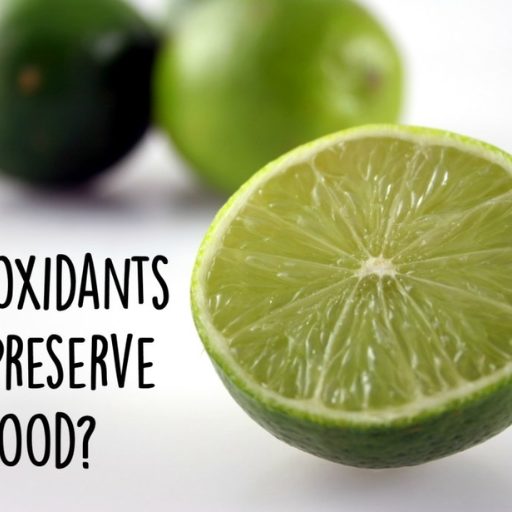
The two key antioxidants used to prevent rancidity are, first, tocopherols or vitamin E, and second, another non-natural antioxidant known as BHT. Being natural antioxidants, tocopherols have been widely used in the stabilization of fats and oils; meanwhile, BHT, being synthetic, aids in retarding the oxidation process of various food products. Both are relied on to keep the food fresh for a longer period and to maintain its quality.
Butylated Hydroxyanisole (BHA): properties and applications
Butylated hydroxyanisole is a man-made antioxidant employed in food, pharmaceutical, and cosmetic industries to prevent oxidation and maintain the product’s quality. It consists of a mixture of two isomeric organic compounds, namely tert-butyl-4-methoxyphenol and tert-butyl-3-methoxyphenol. They prevent the oxidation of fats and oils, which causes rancidity and shortens the shelf life of the product.
Key Properties of BHA:
- Excellent thermal stability for high-temperature processing
- Effective in preventing fatty acid degradation
- Regulatory approval with concentration limits (0.02% to 0.05%)
- Multi-industry applications (food, pharmaceuticals, cosmetics)
Once applied, the enzymatic activity of polyphenol oxidase, which is the enzyme that catalyzes the browning reaction, gets inhibited. Additional studies show that a mere 0.1%–0.4% ascorbic acid in the conservation method is sufficient to delay the spoilage and enhance the appearance of fresh produce.
Also, ascorbic acid is the reducing agent in food systems, where it acts to stabilize critical nutrients like vitamin A and beta-carotene, which are susceptible to degradation. Hence, it stands to protect nutrition against degradation as per nutrition stabilizer and its prevention of oxidative processes; hence, not found elsewhere.
Vitamin E (Tocopherol) for stabilizing fats and oils
Vitamin E, especially tocopherol, acts as an antioxidant to stabilize fats and oils. Fats and oils are prone to oxidation, leading to rancidity, off-flavors, and loss of nutritional value. Tocopherols inhibit oxidation by breaking the auto-catalytic chain reaction, thereby prolonging shelf life and maintaining product quality.
It is well documented that the effect of tocopherol as an antioxidant is best in the polyunsaturated fatty acids that are present in vegetable oils, nuts, and seeds. It was studied that the addition of tocopherols in concentrations of 200-500 mg/kg would cause a significant delay in the oxidation onset of edible oils. The recipients of tocopherols do not just include food products; indeed, tocopherol is also used as an antioxidant in cosmetics and pharmaceuticals to stabilize oil-based formulations to ensure long-term efficacy.
The vitamin E stabilization depends upon temperature, oxygen, and interaction with other antioxidants such as ascorbic acid. It is this dual role as a nutrient and preservative that makes tocopherol one of the most versatile compounds capable of preserving the quality and safety of fat-rich products across industries.
Comparing natural and synthetic antioxidants
Being natural antioxidants, tocopherols (vitamin E), polyphenols, flavonoids, and carotenoids are mainly of plant or animal origin. Natural antioxidants have retained their reputation, mainly because of their biocompatibility and having minimal adverse effects on an organism or product. Natural extracts from rosemary, green tea, and grapes are commercialized chiefly owing to their powerful antioxidant activities. For example, alpha-tocopherol-type natural antioxidants are reported to significantly diminish oxidative stress through free-radical scavenging, thus extending shelf life in foods and pharmaceuticals. These compounds are more prized by industries aiming at customers who prefer organically derived additives.
Synthetic Antioxidants Advantages
On the other hand, synthetic antioxidants like butylated hydroxytoluene (BHT), butylated hydroxyanisole (BHA), and tert-butylhydroquinone (TBHQ) have been deliberately designed in laboratories to effectively stabilize Chinese products. These, however, have been found to be better in terms of scalability of synthesis process, cost, and consistent performance under different conditions.
For instance, TBHQ was reported to impart excellent oxidative stability to frying oils, while some natural alternatives could not even protect the oils during shelf life. Moreover, synthetic antioxidants are too resistant to adverse environmental influences, such as heat and light, to withstand outright cases in an industrial application requiring performance.
Conversely, these synthetic antioxidants have undergone some scrutiny for their safety and consequently have been brought under tighter regulation in certain countries. Some research has indicated the possibility of toxicity or adverse effects on health when taken in large quantities over an extended duration, consequently pushing manufacturers to look for natural alternatives more aggressively. On the other hand, natural antioxidants present limitations regarding stability and cost that have prompted further development in their formulation to compete with synthetic ones.
Finally, the decision between natural and synthetic antioxidant agents will depend on the application in question, shelf-life requirements, regulatory considerations, and market demand for clean-label or cost-conscious aromas.
Applications of Antioxidants in Food Preservation
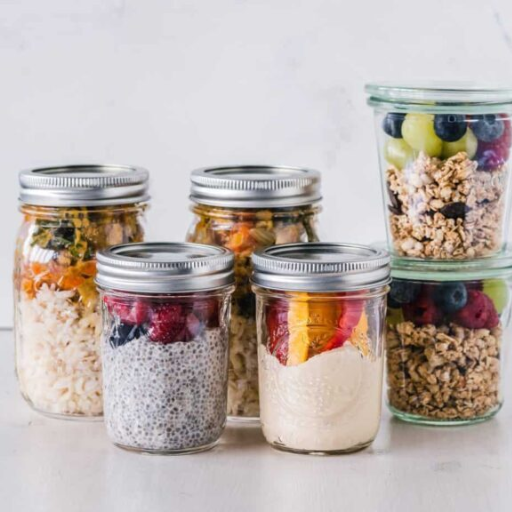
Antioxidants play a critical role in food preservation by preventing oxidation, which can lead to spoilage, rancidity, and the degradation of essential nutrients. They are used to extend shelf life, maintain flavor, and protect the color and texture of food products. Common applications include adding antioxidants to oils and fats to delay rancidity, incorporating them into processed meats to preserve color and freshness, and using them in baked goods to maintain quality over time. Both natural and synthetic antioxidants are utilized, depending on the product type and consumer preferences.
Examples of oil-containing foods that benefit from antioxidants
Such antioxidants are basic substances used to protect the quality of the food products containing the oil and to lengthen their shelf life through the prevention of oxidation and rancidity. For example:
Cooking Oils
With the presence of antioxidants, such as tocopherols (vitamin E) or rosemary extracts, freshness and nutritional properties of the product may be preserved until a long time.
Dry Fruits and Seeds
The likes of almonds, walnuts, flaxseeds, and other oil-bearing nuts and seeds get highly susceptible to oxidative degradation due to their richness in fats. Natural antioxidants, such as ascorbic acid (vitamin C), or herbal extracts would greatly delay rancidity with storage conditions.
Chips and Snacks
Fried snacks and potato chips, which usually contain a great deal of oil, would benefit greatly from the addition of antioxidants to deter unpleasant flavors linked with lipid oxidation. Synthetic antioxidants such as butylated hydroxytoluene (BHT) and butylated hydroxyanisole (BHA) are customarily utilized in this instance.
Processed Meats
Processed meat like sausages or salami tends to be high in fat content. Antioxidants like extracts from rosemary or oregano prevent the oxidation of fats and also help in color and flavor retention.
Baked Goods
Pastries, cakes, and other baked goods prepared with oils or shortenings are liable to oxidation. Therefore, antioxidants like tocopherols and citric acid derivatives are incorporated to prolong their shelf life and preserve their quality.
Research Evidence: However, according to the study, free radicals can inhibit 50-75% of the oxidation process in foodstuffs, depending on the kind of antioxidant and its concentration. Therefore, antioxidants are added to such foods that hold oil to ensure that they retain a good flavor, are nutritious, and safe for consumption for the time stated as the shelf life.
Methods of incorporating antioxidants into fat and oil-containing foods
When antioxidants are added to fats and oils, the methods of incorporation followed should ensure sufficient stability and quality. The direct addition serves as the best example, wherein antioxidants are added in pure form during food processing. An example would be the natural antioxidants’ direct addition into oils or fats, such as tocopherols and rosemary extracts, to defend against oxidation.
- Direct Addition Method: Researches reveal that oils with tocopherols in the range of 200-500 ppm can have rancidity formation delayed very much and could extend the shelf life for 30%.
- Encapsulation Technology: The other newfangled approach is the encapsulation of antioxidants into various carriers such as liposomes or protein matrices before incorporation into food products. Doing so promotes antioxidant bioavailability and controlled release, thus imparting a longer-lasting protective effect. Indeed, literature reveals rosemary extract encapsulated to impart up to 40% more oxidative stability than the free form when applied in oil-based dressings.
- Antioxidant Coatings: Antioxidant-type coatings are increasingly being used for foods that are liable for lipid oxidation. Geared toward an edible coating system, it uses polysaccharide or protein matrices loaded with natural antioxidants to form a barrier. For example, chitosan films enriched with green tea polyphenols have been found to reduce peroxide values in fried snacks by 45% over a 30-day storage period.
The techniques emphasize that the procedure of incorporating antioxidants should be selected according to the food matrix in question and storage conditions being considered so as to yield maximum effectiveness in protection.
Innovative packaging solutions for preserving oxidative stability
Such innovative packaging technology plays a great role as an oxygen barrier, bridging the gap between oxygen exposure and shelf life extension of his or her food products. Active packaging systems, for example, contain oxygen scavengers that react with the residual oxygen in the packaging to maintain the package atmosphere at a low level of oxygen.
Active Packaging
Research has said that by scavenging oxygen, levels of oxygen can be brought to less than 0.01%, thus significantly delaying lipid oxidation in oil-rich snack foods or processed food.
Modified Atmosphere Packaging (MAP)
Another suggestion might be to use Modified Atmosphere Packaging (MAP), in which the atmosphere inside the package is controlled by the simple replacement of oxygen with an inert gas, usually nitrogen or carbon dioxide. It was found that MAP can extend the life span of fresh produce for up to 30-45% more than traditional packaging and also maintain sensory qualities.
Nano-based Technology
Advancements in nano-based technology pave the way for smart packaging that incorporates antioxidant nano-biomaterials. Nanocomposite films containing essential oils from rosemary and oregano have been reported to reduce oxidation in the storage of fatty meat products by as much as 50 percent.
Such innovative methodologies reveal how packaging is increasingly considered not only as a container but also as a means of actively defending food quality and shielding the food from oxidation throughout the supply chain.
Safety and Regulatory Considerations

Safety evaluations of antioxidants by food safety authorities
Food safety authorities evaluate antioxidants through stringent tests to confirm their safety for human consumption. The food safety entities examine the antidotes for toxicity, prescribing the dosage limits, and any undesirable effects that may occur. For instance, the United States’ FDA or the EU’s EFSA demand scientific studies and data confirming that antioxidants satisfy the recognized safety criteria. Acceptable daily intake levels are fixed to ensure safety over the long run. Antioxidants that fulfill these criteria are the ones used in food packaging and preservatives that are approved.
Acceptable daily intake (ADI) levels for BHA and BHT
The administration of food additives is subject to restriction within safe limits specified by regulatory authorities. The ADI for BHA has been established to be 0.05 mg/kg body weight per day; the ADI for BHT is considered slightly higher at 0.3 mg/kg body weight-day. These maximum allowable quantities are derived from exhaustive toxicological testing concerning the length of time these antioxidants have been ingested by test organisms and their adverse effects thereon. Thus, the levels set are the maximum allowable quantities of the substances that may be consumed for a lifetime with no ill effects on health. Consumption levels should be tracked since these additives are extensively used in processed foods, cosmetics, and packaging materials.
| Antioxidant | ADI Level | Regulatory Body |
|---|---|---|
| BHA (Butylated Hydroxyanisole) | 0.05 mg/kg body weight/day | FDA, EFSA |
| BHT (Butylated Hydroxytoluene) | 0.3 mg/kg body weight/day | FDA, EFSA |
Regulations and labeling requirements for antioxidants
Regulations for antioxidants vary significantly across regions but are fundamentally designed to ensure consumer safety and transparency. For example, in the United States, the Food and Drug Administration (FDA) classifies many antioxidants as Generally Recognized as Safe (GRAS). This classification is based on scientific evidence and long-term evaluations. Meanwhile, the European Union follows strict guidelines under the European Food Safety Authority (EFSA), which sets Acceptable Daily Intake (ADI) levels and mandates clear labeling.
Labeling Requirements
Labeling requirements are crucial for informing consumers about the presence of antioxidants in products. Ingredients like ascorbic acid (Vitamin C), tocopherols, and butylated hydroxyanisole (BHA) must be listed on product packaging alongside their specific function, such as “preservative” or “antioxidant.” Certain countries also require labels to highlight synthetic versus natural antioxidants to provide additional clarity.
Globally, there is increasing attention on consumer demand for transparency. Studies and surveys show that a majority of shoppers prioritize clear labels and prefer natural antioxidants over synthetic ones. This trend further incentivizes manufacturers to adhere to labeling laws and explore more natural product formulations.
Conclusion and Future Perspectives

Recap of the importance of antioxidants in preventing rancidity
Antioxidants are crucial for the prevention of rancidity in foods by inhibiting the oxidation of fats and oils. Oxidation breaks down these components, causing a putrid odor, off-flavor appearance, and loss of nutritional value. Antioxidants slow down the process, providing an extended shelf life for foods and standardization for quality and wastage. Natural antioxidants, e.g., vitamin E and rosemary extract, are mostly preferred because they work well and are consumer-friendly.
The role of BHA, BHT, and natural antioxidants
Once added, these antioxidants protect the food from spoilage. BHA and BHT are particularly popular for maintaining freshness in high-fat foods such as snacks, baked goods, and processed meats. BHA and BHT function as free-radical scavengers, thereby interfering with the free-radical chain reactions involved in lipid oxidation. Recent studies have shown that under certain circumstances, the application of BHA and BHT can enhance the shelf life of food items by 25%, thus demonstrating their practical application in mass production and storage.
However, it is getting popular with consumers that natural antioxidants are safe and in the spirit of minimally processed ingredients. In the category of such substances with antioxidant potential are vitamin C (ascorbic acid), vitamin E (tocopherols), and plant extracts, e.g., from green tea and rosemary. For instance, research has revealed that the extract of rosemary, due to the high content of carnosic acid and rosmarinic acid, has been established as an efficient inhibitor of oxidative deterioration of meats with a rate of up to 30%. Natural antioxidants may bring benefits besides that of nutrition, as opposed to synthetic antioxidants, and this is an important factor to meet the currently increasing demand for clean-label products.
Let me start by saying that synthetic and natural antioxidants always have their orientations for use; hence, both have merits. While synthetic antioxidants of BHA and BHT kinds are cheap and effective in minuscule amounts, the natural antioxidants stand tall as a healthier oppositional, which underpins research in extraction and application methods. This in turn suggests that perhaps a compromise between the two approaches would optimize preservation for the manufacturer, as well as accommodate consumer expectations on both fronts.
Future perspectives on antioxidant use in food preservation
The future of antioxidant use as food preservatives is closely tied to ever-evolving technology and ever-increasing attractiveness on the side of the consumer for natural and sustainable solutions. Studies show a boom in discovering natural antioxidants; compounds from fruits, vegetables, herbs, and spices show most of the promise. For instance, polyphenols from green tea and rosemary have shown much better antioxidant effects for some food applications than synthetic chemicals.
Nanotechnology
Nanoencapsulation has been reported to have maximum shelf life enhancement of 30% with perishables
Clean-Label Products
Consumer preferences pushing industry towards plant-based antioxidants and sustainable solutions
Regulatory Changes
Stricter laws against synthetic additives enforcing switch to safer, non-toxic antioxidants
The other promising use of nanotechnology for food preservation is antioxidant encapsulation. Nanocarriers make it possible for antioxidants to be released in a controlled manner and increase the performance of the antioxidants such that less of the antioxidant needs to be introduced. Nanoencapsulation has been reported to have a maximum shelf life enhancement of 30% with perishables.
The sensitive nature of consumer preferences is also pushing the industry towards clean-label products, thereby promoting plant-based antioxidants. These alternatives maintain health-conscious demands, while also giving a lift to sustainability. Credited for utilizing by-products from food processing industries, such as grape seed extract or peels from citrus.
Further, legislation and regulatory bodies are changing trends and making strict laws against the use of synthetic food additives, thereby forcing the industry to switch to safer, non-toxic antioxidants. On the other hand, recent developments, studies, and reports are drawing greater attention to the role that natural and bio-based antioxidants should play in resolving food safety and environmental issues, thus rendering this a very promising concern to be explored and applied in the following years.
Reference Sources
- ScienceDirect
Title: Oxidative rancidity in foods and food quality
Description: This article discusses oxidative rancidity, its causes, and its impact on food quality, providing a scientific basis for understanding the role of antioxidants. - Taylor & Francis
Title: Food antioxidants: sources and methods of evaluation
Description: This chapter explores the sources, evaluation methods, and regulatory aspects of food antioxidants, including their role in preventing rancidity. - Europe PMC
Title: Toxicology of the synthetic antioxidants BHA and BHT in comparison with the natural antioxidant vitamin E
Description: This paper provides a comparative analysis of BHA, BHT, and vitamin E, focusing on their toxicological profiles and effectiveness as antioxidants. - Get High-Quality Irganox 1010 & Antioxidant 1010 from China
Frequently Asked Questions (FAQs)
Common Questions About Antioxidants and Rancidity
Key Takeaway
Antioxidants play a vital role in modern food preservation, protecting consumers from the harmful effects of rancidity while extending product shelf life. As the industry continues to evolve toward more natural and sustainable solutions, understanding the science behind these protective compounds becomes increasingly important for both manufacturers and consumers.