

Understanding UV Protection and Polymer Durability
In the field of material protection and durability, HALS are the technical fixes for hindered amine light stabilizers. Through their capabilities to protect against UV degradation, HALS gained their importance in the plastics and coatings industries and beyond. But how do these stabilizers work, and what distinguishes them? This article details the science behind HALS, their applications, and how they relate to the lack of longevity and performance in materials exposed to sunlight. This blog intends to provide a quick and ready-to-mention explanation of HALS for polymer scientists and those who are just curious about current approaches for protecting materials.
Introduction to Hindered Amine Light Stabilizers
Hindered amine light stabilizers, or HALS for short, operate by capturing and neutralizing free radicals generated by sunlight-induced UV rays. Free radicals are free to degrade polymers by breaking their molecular structure, thus discoloration, brittleness, and poor performance will be caused by them. HALS are unique regenerative stabilizers; that means they neutralize free radicals repeatedly in the recycling process instead of losing their own identity. Because of this long shelf life, they continue to be very useful in extending the material life, especially when it comes to outdoor plastics, coatings, and fibers.
What are Hindered Amines?
Hindered amines are basically ammonia derivatives in which one or more hydrogen atoms are replaced with bulky alkyl or cyclic groups. This particular molecular structure imparts certain unique properties that make these substances powerful stabilizers for different materials. From all their uses, the best-known application of hindered amines is polymer stabilization against photo degradation, especially under the umbrella of HALS (Hindered Amine Light Stabilizers). They behave as stabilizers by scavenging free radicals generated by the polymer upon exposure to ultraviolet (UV) light, moisture, and oxygen.
Key Advantages of Hindered Amines
- Regenerable Properties: They are regenerable, providing long-lasting protection under harsh conditions
- Enhanced UV Resistance: The UV resistance of polypropylene is increased by several orders of magnitude
- Extended Lifespan: Outdoor plastic articles can last from months to several years under continuous UV attack
- Cost-Effective: Better performance at lower maintenance cost
- Versatile Applications: Used in automotive coatings, agricultural films, and textiles
Synergistic Effects
Their efficacy is further expedited with simultaneous usage of UV absorbers—the advantage is from the synergistic effect that contributes to overall stabilization. With high utility and chemical inertness, hindered amines have led to modern-day industrial applications, especially where sunlight and the environment pose severe challenges to the integrity of materials.
Importance of UV Protection in Polymers
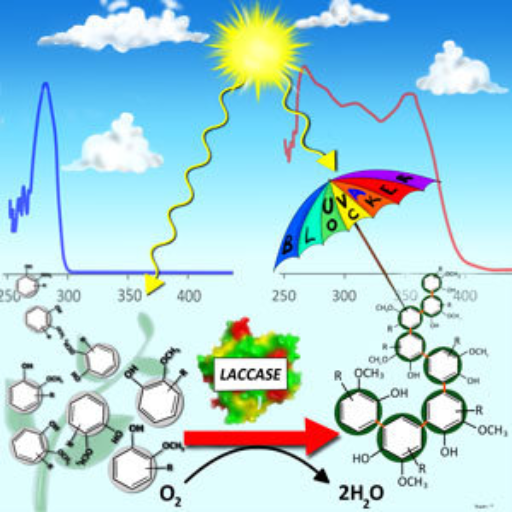
UV radiation exposure in effect deteriorates polymers in colour, strength, cracking, brittleness, etc. An additional UV protection layer would keep polymers from losing their color, providing them with a much longer service life, in scenarios where sun exposure cannot be avoided. Literature reports that an unprotected polymer could suffer up to a 50% loss in tensile strength within only one year of continuous exposure to UV rays.
UV Protection Methods
- UV Absorbers: Transmit harmful UV rays as heat
- HALS: Trap free radicals during photooxidation
- Antioxidants: Provide additional protection
Performance Improvement
- 60% improvement in UV resistance with UV absorbers + HALS
- 8-10 years lifespan for automotive parts
- 90% retention of original properties vs substantial degradation in untreated materials
Industry Applications
Such protection becomes indispensable in the automotive, agricultural, and construction sectors. In the automotive industry, the use of UV-protection finishes for exterior parts engineered in polymers can provide a life span of about 8 to 10 years, thereby ensuring that the subsequent curing of automotive finishes will give them a longer period of application. Agricultural films that possess high UVI maintain their properties even under intensive sunlight to increase the net crop yield.
By adopting these modern protective methods, manufacturers can be assured that their polymer products fulfill the durability requirements and tackle an environmental layer for more sustainable use of materials.
Understanding Hindered Amine Light Stabilizers
HALS amid hindered amines are a group of additives meant to prevent polymers from UV-induced degradation. They phase with free radicals produced during photooxidation and hence stop the breakdown of polymer chains. UV absorbers prevent the harmful light from entering, whereas HALS are regenerated and hence remain active throughout stabilization. Therefore, they are best used to increase material lifespan and durability when exposed to the sun’s rays.
Definition and Chemical Composition of HALS
HALS acts on polymers in order to stop their degradation caused by UV radiation. This occurs by interrupting the photooxidation mechanism, a situation where free radicals are generated through UV radiation to depolymerize chains. Highly regenerative in nature, HALS can give long-term stabilization for a cyclic reaction that keeps their effectiveness intact.
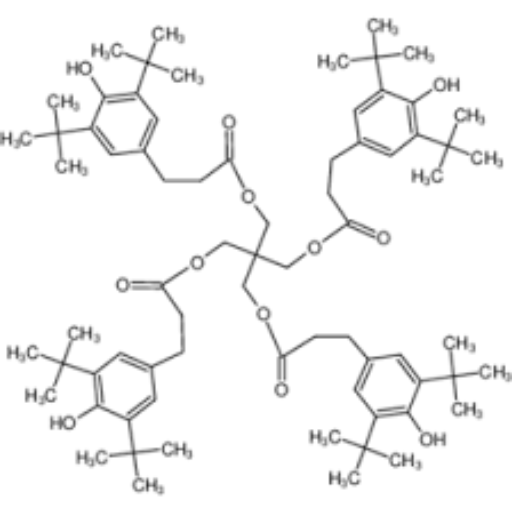
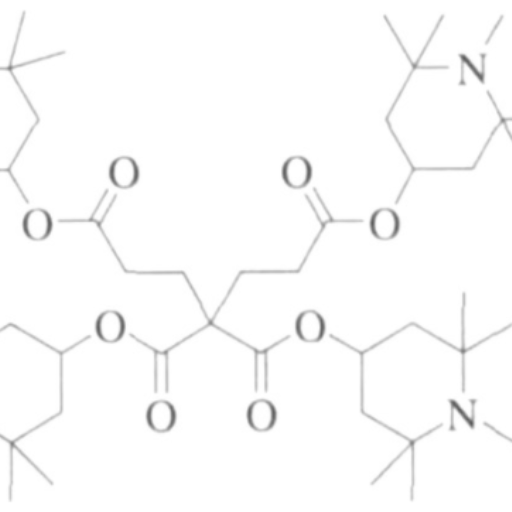
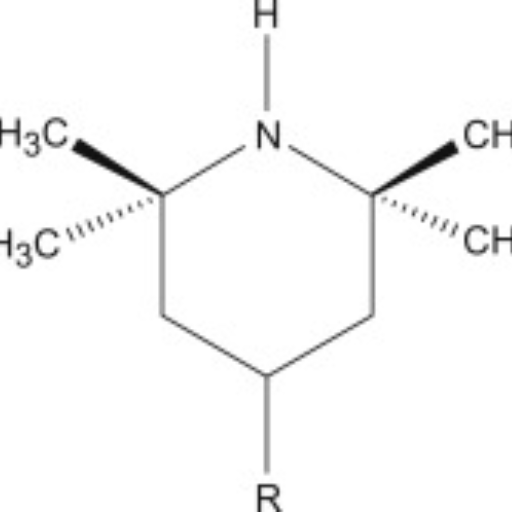
Chemically architectured, HALS are usually derived from hindered amines, generally having steric hindrance around the nitrogen centre. In that way, they avoid being fully oxidized, such that their functioning can be impaired. They are generally derivatives of 2,2,6,6-tetramethylpiperidine, an arrangement that vigorously contributes to the efficiency of HALS. Different types of HALS, like monomeric and polymeric, have been developed to suit different materials and processing conditions.
HALS vs. Other UV Stabilizers
![[REFRESH] Irgafos 168: Uses, Benefits & Specifications](https://welltchemicals.com/wp-content/uploads/2024/01/0-1.webp)
Studies state that HALS increase the longevity of polymers many times more than any average UV absorber. For instance, polypropylene materials treated with HALS have exhibited a 400–500% increase in resistance against UV-induced degradation during prolonged exposure, in contrast to materials treated with conventional UV absorbers. HALS are very compatible with various materials to function well with plastics, coatings, and fibers.
Mechanism of Action in HALS
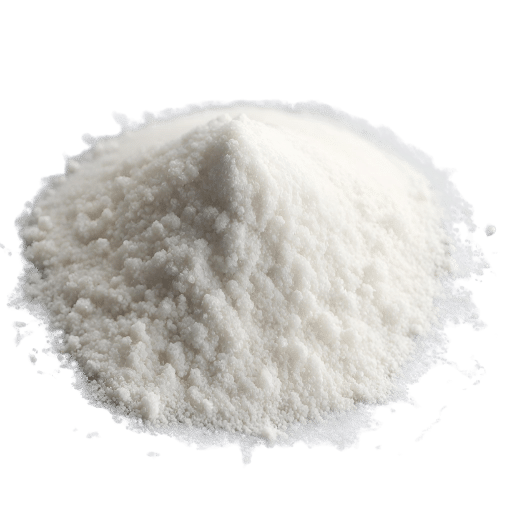
Hindered Amine Light Stabilizers (HALS) primarily act by scavenging free radicals, which form during photooxidation of polymers. When the polymers receive UV radiation, the energy from the light breaks the chemical bonds within the material, thus producing free radicals capable of inducing further degradation if unchecked: discoloration, cracking, or loss of mechanical properties.
Cyclic Free Radical Scavenging Mechanism
The main method by whereby the HALS protect polymers against photodegradation is via the cyclic free radical scavenging mechanism. It basically deals with stabilizing the free radicals that form when polymers are exposed to UV radiation. When a radical is formed, a HALS will neutralize it by converting the radical into a stable species and thus stopping the further degradation of the polymer.
Thus, the active forms of the HALS can regenerate indefinitely, providing almost endless protection as long as the polymer is subjected to UV radiation. An instance is a study that has confirmed HALS to increase the life of polymers used outdoors by up to 200%, which is why they are most employed in automotive coatings, outdoor furniture, and agricultural films.
Step-by-Step Process
- UV Exposure: Polymers receive UV radiation, breaking chemical bonds
- Free Radical Formation: Energy creates unstable free radicals
- HALS Intervention: HALS molecules interact with free radicals
- Stabilization: Free radicals convert to stable intermediates
- Regeneration: HALS molecules regenerate back to active form
- Cycle Continuation: Process repeats for long-term protection
Benefits of Using HALS in Polymers
🛡️UV Resistance
HALS prevent polymeric materials from degradation through UV irradiation, maintaining structural integrity over extended periods.
⚡Enhanced Durability
Polymers maintain their mechanical properties, including tensile strengt,h for extended periods after prolonged exposure to sunlight.
🔄Versatility
HALS can be used in practically all polymer systems, including polyethylene, polypropylene, polyurethane, and more.
💰Cost-Effective
Prevent premature material failure, resulting in savings in replacement costs and maintenance.
🌡️Harsh Conditions Stability
Consistent performance under extremely severe environmental conditions, ideal for outdoor applications.
🎨Color Stability
Prevent discoloration and maintain visual appeal by protecting against UV-induced color changes.
Applications of Hindered Amine Light Stabilizers
Hindered Amine Light Stabilizers find their way into a whole variety of products that need durability and protection from UV rays. Other applications are in outdoor furniture, automotive coatings, agricultural films, and packaging. HALS are required for keeping the colors, surface finish, and mechanical rigidity of products that are exposed to sunlight and harsh weather, so that these products maintain their quality and function for long periods of time.
Use in Plastics and Polyolefins
Hindered Amine Light Stabilizers (HALS) are distinguished by their role of conveying extended life and elevated working capability for plastics and polyolefins affected by various environmental stresses. Building on the ability of these stabilizers to arrest further degradation set into motion by UV radiation, the polymers get an extended lifespan.

Performance Data: Up to 80% better retention of tensile strength when subjected to long solar exposures compared to plastics without stabilizing agents.
Such modern formulations usually combine HALS with antioxidants for synergistic protection, providing thermal and photo-stability to materials in harsh service conditions. The very existence of innovation so far underscores the enormous value of HALS in plastic product durability and sustainability.
HALS in Coatings: Automotive and Industrial
The usage of Hindered Amine Light Stabilizers is very common to accentuate the performance and lifespan of coatings, particularly automotive and industrial coatings. The coatings are exposed to high levels of environmental conditions such as UV radiation, humidity, and temperature fluctuation, all of which, over time, degrade the material.
Automotive Applications
- Clear coats and paint layers
- 50% more durable finishes
- Reduced crack formation and fading
- Extended vehicle appearance retention
Industrial Applications
- Outdoor equipment coatings
- Bridge and machinery protection
- High-performance topcoats and primers
- Structural performance maintenance
The performance of HALS in coatings is further enhanced when combined with another stabilizer, such as UV absorbers. The synergistic effect provides thorough protection to the coatings, retaining durability, beauty, and functionality of both automotive and industrial coatings.
Application in Agriculture: Greenhouse Films
The agricultural productivity has greatly changed due to the presence of HALS, which extends the lifetime of greenhouse films and keeps them transparent. HALS have the highly valuable role of protecting the greenhouse films against UV radiation that would degrade polymeric materials as they age.
Studies show: The Service life of polyethylene films increased by as much as 50% with HALS addition, even under harsh sunlight.
The presence of HALS in conjunction with other additives like UV-absorbers and anti-fog agents acts to provide additional functional performance in greenhouse films. The more advanced forms of additives can be structurally adapted to fit either the demands of certain chemical sprays or to counter the worst climatic conditions in agriculture. These advances concerning modern agriculture show how much HALS are important in uptake for a more efficient and sustainable agricultural world.
Challenges and Limitations of HALS
HALS yield multiple stabilizing effects for polymers; however, there come challenges and barriers. One major problem is that they are insufficiently active in acidic or highly oxidizing environments, under circumstances in which they degrade or lose functional activity. Sometimes, HALS may also show incompatibility with a polymer system or an additive that could precipitate performance issues. Cost is the other limitation—the presence of HALS increases the overall cost of production, thereby making them less attractive for inexpensive applications. Nevertheless, by careful formulation and application, some of these problems could be overcome to ensure proper polymer stabilization.
Cost Considerations for High-Performance HAL
Depending on parameters such as grade, concentration, and application needs, high-performance Hindered Amine Light Stabilizers (HALS) may incur a price that fluctuates widely. The higher the grade, the more HALS may offer weatherability and polymer life, in contrast to lower grades, which are mostly cheaper.
Market Impact: Using HALS may increase production costs by 5-15% for particular polymer systems, depending on formulation and dosage.
Purchasing in bulk or having supply chains that are finely tuned can work toward reducing costs. The economic yield of HALS over end-use stages is perceived in minimizing material degradation and lengthening product life cycles. Industries including automotive and construction favor advanced HALS despite higher initial costs, because material longevity is paramount to them.
Compatibility Issues with Polymer Formulations
Compatibility issues with polymer formulations arise directly on account of polymers having variable chemical compositions and the complex interactions that they undergo with additives such as HALS. For instance, certain types of HALS, if not correctly blended, could induce phase separation in the blend or detract from its mechanical properties.
Solutions
- Reactive HALS: Chemically bond to the polymer during processing
- Reduced Migration: Better stabilization during processing and long-term
- Optimized Formulations: 35% reduction in discoloration and oxidative degradation
- Precise Processing: Temperature and pressure control for better dispersion
Environmental Concerns and Regulations
On the environmental front, the use of HALS has created an added awareness of the impact they may have on ecosystems and human health. Regulatory frameworks are being set in distinct jurisdictions to limit or reduce the use of certain chemical additives, including HALS, to ensure they remain environmentally friendly.
Regulatory Challenges
- REACH Directive (EU)
- EPA regulations (US)
- Environmental persistence concerns
- Soil and water contamination risks
Sustainable Solutions
- Biodegradable stabilizers
- Non-toxic alternatives
- High-performance, low-impact formulations
- Meeting sustainability targets
Choosing the Right Hindered Amine Stabilizer
Key Selection Criteria
- Application Requirements: Consider UV exposure levels, operating temperatures, and durability expectations
- Material Compatibility: Ensure HALS compatibility with specific plastics, coatings, or fibers
- Performance Standards: Select stabilizers that prevent degradation while preserving material appearance
- Environmental Impact: Choose options that fulfill environmental regulations and sustainability objectives
- Cost Efficiency: Balance stabilizer costs against long-term material protection benefits
Types of HALS Based on Molecular Weight
Low Molecular Weight HALS
Best For: Thin films, disposable packaging, agricultural materials
- Small molecule stabilizers
- Good material dispersion
- Suitable for temporary applications
- Lower durability requirements
- Potential migration issues
High Molecular Weight HALS
Best For: Automotive paints, outdoor furniture, construction materials
- Rigorous application design
- Minimal migration tendency
- Long-term protection
- Harsh condition resistance
- Better UV radiation performance
Concentration Levels and Performance Metrics
Overview of Common HALS Products
Monomeric HALS
Characteristics: Low molecular weight stabilizers for thin-layer applications
Applications: Films and coatings
Performance: Up to 400% increase in polypropylene film life under intense UV
Limitation: Potential migration in certain environments
Oligomeric HALS
Characteristics: Larger molecules with greater permanence
Applications: Thicker polymers, extended outdoor exposure
Performance: Maintain properties after 5,000 hours of accelerated UV exposure
Advantage: Less migration, suitable for automotive/construction
Blended HALS
Characteristics: Combination of monomeric and oligomeric types
Applications: Versatile use across multiple product types
Performance: Balanced cost, performance, and processability
Benefit: Suitable for agricultural films to outdoor furniture
Future Trends in Hindered Amine Technology

The future of hindered amine technology is on sustainability, efficiency, and compatibility for advanced materials. Researchers are working with the HALS systems so they become environment-friendly, not toxic, and with very little environmental impact. Innovations want to improve their ability to resist adverse conditions, ranging from high temperatures to prolonged UV exposure, so as to become useful in a multitude of applications. Also, the industry trends point to customizing HALS formulations to support recycled plastics and biodegradable materials, thereby joining the global efforts for a circular economy.
Innovations in HALS Formulations
Second-generation HALS formulations include advanced UV stabilizers tailored to the demands of modern materials. It has been documented that newer-generation HALS show better compatibility with more polymers, including biodegradable plastics and post-consumer recycled materials.
Performance Improvement: Studies report approximately a 50% increase in UV degradation resistance compared to former generations.
Nanotechnology Integration
- Enhanced stability
- Uniform dispersion in the polymer matrix
- Lower required stabilizer levels
- Reduced environmental impact
Applications
- Automotive parts
- Construction materials
- Agricultural films
- High-performance coatings
Sustainable Solutions in HALS Technology
Sustainability has given considerable direction toward the evolution of HALS technology. Present developments emphasize the increasing introduction of bio-based raw materials with the aim of curtail dependency on petroleum-derived sources.
Bio-based Materials
- 5% annual growth in plant-derived feedstocks
- Reduced carbon footprint in manufacturing
- Meeting Paris Agreement goals
- Sustainable raw material sourcing
Circular Economy
- 30% of new HALS are compatible with recycling
- Recovery and reuse in plastic recycling
- Minimal waste from main materials
- Growing research investment
Energy Efficiency
- 20% less energy consumption in new manufacturing
- Commercial competitiveness
- Environmental benefits
- Broader industry implementation
Emerging Applications in Advanced Materials
Ultra-modern power plants have integrated advanced materials within their fields of innovation, and unique properties and performance advantages. These building materials help increase energy generation through the installation of high-efficiency solar photovoltaic panels and lightweight windmill towers. In the case of an electric motor vehicle, advanced materials provide for longer-lasting batteries and light and sturdy components that are able to improve energy utilization and cut down on emissions.
Energy Sector
Solar panels, wind turbines, energy storage systems
Automotive
Electric vehicles, lightweight components, battery systems
Medical Technology
Bio-compatible implants, diagnostic tools, medical devices
Recap of HALS Importance

Also known as Light Stabilizers, HALS mark a very important invention for promoting the durability of polymers so that materials exposed to sunlight and environmental conditions have lifetimes far longer than they normally would. HALS work by eliminating radicals formed during photodegradation of the polymers, which can trigger a chain reaction, leading to the weakening and breaking down of materials.
Service Life Extension
Data suggests that HALS may increase the service life of outdoor polymer products by between 5 and 10 years, depending on harsh UV exposure conditions.
Industry Impact
In major industries like automotive, construction, and packaging, coatings enhanced with HALS retain their gloss and color about 20% longer than conventional ones.
Sustainability Benefits
HALS aids recycling by keeping up the property of materials during the reprocessing of plastics, thus solving problems in waste management and environmental impact.
Encouragement for Adoption of HALS
HALS, being an enabling technology, can offer better benefits to industries interested in the long life of their products and, hence, sustainability. Research proves that materials treated with HALS will retain mechanical properties and color stability even after exposure to long-term UV radiation and weathering. In the automotive industry, the durability of plastic components for exterior applications can be increased by 30%, resulting in a reduction in replacements and cost.
The use of HALS aids in the circular economy concept as it allows for better recycling. Materials with HALS additives degrade less during reprocessing and enhance the quality of recycled products. This is another big plus for industries seeking to meet regulations and limit their environmental footprint.
Call-to-Action for Exploring HALS Solutions
Anyone interested in harnessing the full potential of HALS for polymer lifespan and recyclability must act in an informed way based on existing data. Recent developments show HALS-treated objects with lesser polymer degradation rates of up to 50% under UV exposure, enabling better product durability. Research has proven that integration of HALS within industrial processes could improve recycling system efficiency by 20-30%.
Now is the time to select HALS solutions custom-fitted to your needs if innovation, sustainability, and economic efficiency matter in your industry. Contact HALS industry experts to discover how these technologies can revolutionize your production process while positioning your business on the road to an environmentally-conscious future.