

What makes additives so important to balance the performance criteria for the greatest possible durability and versatility in Polymer products? The additives are unsung heroes in polymer engineering, offering different functionalities that cater to the specific demands posed by an industry, whether it be automotive or packaging. So, where do these crucial ingredients come from, and how do suppliers maintain quality as well as innovation? Diving into the world of polymer additive suppliers, we shall particularly focus on modifiers and enhancers that have been supplied to uplift polymer materials. By the time you finish, you will have a clear insight into the key partners and innovations that fuel this industry.
Introduction to Polymer Additives

Polymer additives can be incorporated into polymers to improve their performance, durability, and functionality. These may enhance any characteristic: strength, flexibility, resistance to weathering, UV radiation, or heat. Some of the major classes include stabilizers, plasticizers, fillers, and flame retardants. Once additives are carefully chosen and used, manufacturers can make polymers conform exactly to the specifications required for various applications and industries.
Overview of Polymer Additives
Polymer additives play an increasingly vital role in imparting material properties and providing for very long-term usage in a variety of industries. Additives are divided based on their functions and roles in improving the polymer performance. Here are the major types of polymer additives and their applications:
Stabilizers
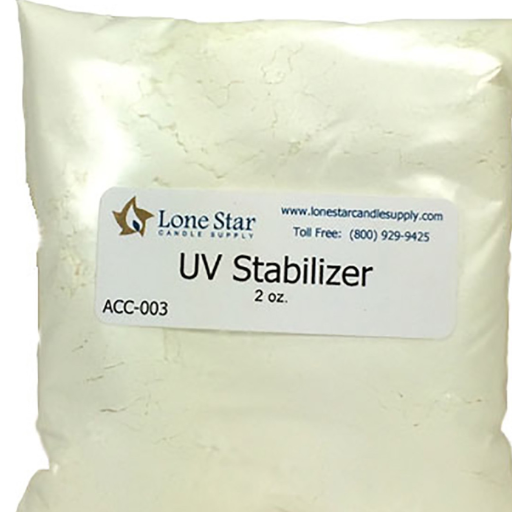
The stabilizers protect the polymer against degradation due to environmental attack, such as UV rays, oxygen, or heat. Under outdoor conditions, stabilizers are necessary for construction materials and automobile parts to prevent discoloration followed by brittleness. The enhancers of stabilizers are believed to increase the average life expectancy of polymer products by about 50-70% depending upon the environment.
Plasticizers
Plasticizers make the polymer more flexible and easier to process by lowering the glass transition temperature of the product. This includes making flexible PVC, tubing, and wire insulation. Research accommodates the fact that around 80-90% of all plasticizers are actually consumed for the production of flexible PVC, which speaks to their validity in industry.
Fillers
Fillers are added to improve mechanical properties and keep production costs low. For example, GFRPs provide higher tensile strength and stiffness and are thereby utilized for structural purposes in the automotive and aerospace sectors. Increasing demand from those industries led the global filler market to anticipated growth at a CAGR of 2.9%.
Flame Retardants
Flame retardants are mixed to improve the fire resistance of materials and reduce polymer flammability. They find application in electronic devices, furniture, and building materials. With greater enforcement of fire safety regulations, their importance increases. Environmentally friendly halogen-free flame retardants, for instance, are being used more and more in consumer electronics. In 2022, the global flame retardant market exceeded $9 billion as evidence of its extensive need.
Antioxidants
Antioxidants are employed to prevent oxidative degradation in polymers during their manufacture and throughout their service life. This is more relevant at high temperatures when oxidation results in discoloration and a deterioration in mechanical performance. The incorporation of these additives is a major concern in industries using thermoplastics and elastomers for the maintenance of quality and durability.
Considered a whole universe of additives, polymers work as strings of monomers whose properties can be controlled depending on the desired product. Accordingly, through selecting a specific additive at a certain dosage for a product, manufacturers try to improve the performance of that product while considering regulatory requirements.
Significance in Modern Manufacturing

The presence of an additive in a production process presents the very element of necessity in modern manufacturing processes, and especially in the development of polymer-based products. As per recent industry reports, the global polymer additives market should be worth above $60 billion by the year 2030, steadily growing with the evolution of materials sciences and demands for high-performance materials that require them. Examples include properties such as thermal stability, UV resistance, and flame retardancy that enable polymers to perform in adverse conditions in various industries such as automotive, construction, electronics, and others.
This example explains how flame retardants, as an additive, act as binders for all building materials and electrical components while meeting safety requirements and minimizing fire hazards. Similarly, plasticizers and stabilizers have brought major changes in construction by providing flexibility and durability to PVC products used extensively in piping, window frames, and flooring. Such developments, therefore, revealed how important these additives are in addressing environmental concerns and safety considerations, living and making in the heart of every outbreak of innovation.
Enhancing Polymer Properties
Polymers have become an integral part of various industries, whilst a further extrusion of additive technologies has supported these developments in their specific application-oriented properties. Nanocomposite materials have been claimed to enhance mechanical strength, thermal stability, and resistance in the polymer matrices. Research shows that nanoclay-reinforced polymers can enhance tensile strength by up to 50% as compared to their unmodified counterparts; hence, they are suitable for applications automotive and aerospace industries. Flame retardants have also been heavily modified in line with very stringent safety standards, with intumescent coatings being especially popular in terms of fire retardancy under high temperatures. New developments in biodegradable additives have reinstated the formation of green polymers that decompose at a faster rate to address packaging and agricultural film sustainability. These developments thus signify another step in the ever-further enhancements aimed at performance and versatility of polymers in modern-day manufacturing.
What Are Polymer Additives?
![[REFRESH] Irgafos 168: Uses, Benefits & Specifications](https://welltchemicals.com/wp-content/uploads/2024/01/0-1.webp)
Polymer additives are those materials added to polymers to impart or modify certain properties and hence performance. These additives provide durability, flexibility, and resistance to heat, UV light, and chemicals. The common types include plasticizers, stabilizers, colorants, flame retardants, and so forth, each of them fulfilling a limited purpose to make polymers more suited to tailor-made applications.
Definition and Role
In polymer additives, they find a use to customize the properties of polymers for given applications. For example, stabilizers are important in protecting polymers from degradation through heat, light, or oxidation, thereby increasing their life. Flame retardants ensure that fire resistance is achieved to a large degree, and under certain applications, such as electronics and construction materials, they actually guarantee safety by being less flammable.
Based on research, the global polymer additives market is growing at a steady rate, mainly due to demand for lightweight and durable materials in the automotive and packaging industries. One area of inquiry indicated the flame retardants to be in the limelight; therefore, the flame retardant additives market is expected to hit $14.8 billion by 2025, with safety regulations and fire prevention measures becoming more stringent. Hence, data speaks to the relevance of these substances for industrial and consumer applications, with emphasis on shaping high-performance materials that are long-lasting.
Enhancing Processability and Durability
Increased demand for advanced materials has grown alongside the need for better processability and durability through manufacturing. Like high-speed processes, these processes are considered fast and efficient because industries like automotive, construction, and electronics require materials that can resist harsh environmental conditions and, at the same time, fulfill their roles as production facilitators. The report says that with heavy reliance on lightweight, durable solutions across leading industry verticals, the global advanced polymer market is expected to experience massive growth to $115 billion by 2030. On the other hand, advances in additive technologies like nanocomposites advance material performance with resistance to wear, heat, and chemical attack. Such innovations are very important in expiry dates of products, in cuts of maintenance costs, and in sustaining industrial applications.
Functional Benefits
Fiber polymer composites are engineered materials that give us a great deal of flexibility with function, which means they are useful in many different industries. The low weight of composites is the answer to energy efficiency, especially in the industries of automotive and aerospace, where minimizing fuel consumption has been a unanimous objective. For instance, the carbon fiber polymers in the aircraft can reduce aircraft weight to the degree of 20% the more the weight reduction, the more the cost saving, and the lower the carbon emission.
Composite materials emphasize durability without compromising on structural integrity due to a higher strength-to-weight ratio. This and many other applications are found across various industrial sectors; for example, in construction, in bridges and buildings that last longer and require less maintenance. Composite materials also offer greater resistance to temperature variations and chemicals, which is important in harsh environments like chemical plants or offshore platforms. Thus, they will ensure operational safety even in very demanding conditions, with diminished costs of downtime and repairs accruing.
Another benefit is the design and manufacturing versatility provided by composites. Advanced molding techniques and additive manufacturing enable design engineers to work with various complex geometries with utmost precision, ensuring improved performance and lessened waste of materials. The embedding of smart technology like sensors inside composites can give other features such as the ability to monitor structural health in real time, thus offering another way in maintenance and safety. These are the innovations that will herald the closure of the sustainable way of industrial practices.
Types of Polymer Additives and Their Functions

Polymer additives are substances that are used in polymers to improve their properties, processing, or performance. Some of the major types of polymer additives and their functions are as follows:
Each of these additives finds its application, which further helps in the performance and functionalities of polymer-based products.
Additives for Processing
Another important challenge that polymer manufacturing experiences with these raw materials is the increase or reduction of processing time. Processing additives include a range of chemicals that facilitate easier polymer processing, improve polymer physical characteristics during production, and often save on the energy used in this production process. These additives can be:
- Making plasticizers: Lower the glass transition temperature of a polymer, thereby making it more flexible and work-ready. In a classic example, phthalates such as dioctyl phthalate (DOP) and others such as adipates, find considerable usage in PVC processing. These plasticizers aid in film formation and in the moulding process at lower temperatures.
- Stabilizers: Ensure that thermal stability exists during processing by impeding degradation due to heat. Heat stabilizers for PVC, such as calcium-zinc, result in reduced energy cost as they guarantee the integrity of the polymer through a number of production stages.
- Slip Agent: These agents keep the coefficient of friction low between polymer surfaces, allowing for smooth extrusion with minimal surface defects. Usually, these slip agents are from fatty acid amides like erucamide to aid in film processing for packaging.
- Processing lubricants: Improve the flow of polymers and mold release during extrusions or injection molding. Internal lubricants, including wax-based types, are helpful in reducing the shear stress, whereas external lubricants promote the formation of a smooth surface finish.
- Flow Enhancers and Dispersants: In the dispersion and mixing operation, they enhance and change the rheological behavior or characteristics of polymers. Particularly in filler-containing compounds, where even distribution of the filler is of utmost importance to maintain the uniformity in material performances.
- Anti-Static Agents: The surface resistivity of polymers is lowered, avoiding the attraction of dust and other small particles during production and packaging. Short-chain quaternary ammonium salts are generally employed in the processing of polyethylene films used in electronic packaging.
These processing intermediates would make up their manufacturing. Their qualities are highly impacted: quality, durability, and market adaptability. They are usually selected keeping in view the nature of the polymer to be processed and the application of the finished article.
Additives for Stability
Stability additives prevent the degradation of polymers over a period and are crucial in preserving their physical and chemical integrity. The additives comprise the antioxidant agent, ultraviolet stabilizing agent, and heat stabilizer that counteract the mechanism of degradation that a polymer normally goes through under different conditions. Antioxidants prevent the degradation caused by oxidation in the presence of oxygen and heat, while UV stabilizers protect the material from UV radiation for discoloration, embrittlement, and loss of mechanical characteristics. Heat stabilizers, in contrast, are best suited for applications involving high temperatures in which a polymer is expected to retain its structure and performance through prolonged thermal exposure. In short, through stabilizing additives, the manufacturers promise that their polymer product will retain its performance, whether in terms of aesthetics or reliability, during its intended life span, even when deployed under stringent environmental and operability conditions.
Additives for Safety

Additives are responsible for additional purposes in establishing the safety of polymer-based materials, especially in applications with strict safety standards. In their strictly technical sense, flame retardants are safety additives. Even when the polymer systems are flammable to a greater or lesser degree, these substances are added to render them compliant with fire-safety standards. These are applied in sectors of construction and electronics, and transportation. For instance, halogen carbons with a Fire retarder inhibit ignition and, to a great extent, the spread of fire. These descants inhibit free alternatives called phosphorus-based and nitrogen-based retardants in sustainability and toxicity.
UV stabilizers are also required in polymers to lessen the adverse effects of aged ultraviolet radiation on them. The polymers will rapidly degrade and lose mechanical properties and safety if they are not stabilized. In fact, research shows that UV stabilizers help increase the outdoor life of plastic material by 50% or more.
Another class of additives worthy of mention is antimicrobial additives. They are considered extremely prominent in the medical, food packaging, and consumer industries. Manufacturers can ensure product contamination and safety by the incorporation of antimicrobial agents, such as silver compounds or organic biocides, that create conditions not conducive to microbial growth. Accordingly, selecting the appropriate additives enables polymer-based products to meet stringent safety, environmental, and regulatory requirements without compromising their durability or performance.
Additives for Mechanical Properties
The improvement of the mechanical properties of polymers is an institute requirement for achieving a wider actor versatility. Fillers, plasticizers, and impact modifiers are typically used to improve properties such as tensile strength, flexibility, and toughness. More specifically, carbon black or silica acting as filler can increase the tensile strength and wear resistance properties to a great extent.
On record, glass fibers added to polymer matrices raise tensile strength by about as much as 50%, therefore being the best candidates for automotive and construction applications. Using plasticizers, with examples being phthalates and adipates, will soften polymers, which are otherwise hard, and make them more flexible.
On the other hand, if the plastics require high resistance to impacts, the impact modifiers become necessary. Elastomers or copolymers like ethylene-propylene rubber (EPR) improve ductility and prevent cracking due to sudden stress. Meanwhile, ABS polymers augmented with these modifiers are common in consumer electronic applications due to the better toughness and durability they confer.
Thus, in developing polymer solutions for specific performance requirements, advances in additive technology bring forth lightweight, economical, and eco-friendly solutions in most fields.
Applications of Polymer Additives

Additives are incorporated into many polymer processes in order to alter material properties.
🚗 Automotive Industry
To be used on automotive components in the goal to improve impact resistance and heat resistance for better performance and fuel efficiency.
📦 Packaging
Additives impart flexibility, strength, and barrier properties to the materials, providing product safety and extended shelf life.
🏗️ Construction
Polymers with additives are used for pipes, cables, and insulation, giving weather and aging resistances.
💻 Consumer Electronics
Additives confer impact resistance and flame retardancy on electronic gadgets while providing safety and reliability.
These examples showcase the ability of polymer additives to tailor materials for specialized performances needed by diverse industries.
Automotive Industry Enhancements
Polymer additives keep materials ahead in performance, safety, and sustainability within automotive industry applications. Today, these materials must be light to make the automobiles fuel-efficient and emission-conscious. This means the polymer additives impart strength and flexibility to the lightweight plastics used in commercial interior, exterior, and under-the-hood parts.
These additives would include the flame retardants, giving the safety aspect to electrical systems, while UV stabilizers protect the vehicle parts that get exposed to sunlight, thus ensuring such parts do not discolor and weaken. Data indicates the possibility of advanced polymer composites reducing vehicle weight by 50% over conventional materials such as steel, which in turn provides 6-8% fuel efficiency improvements; also, plastics with thermal stability additives are increasingly being used in engine compartments where resistance to high temperatures is of utmost importance.
Polymer additives have a big role in the EV-making trend in a broader spectrum. Adulterants in battery components provide, among other things, thermal and electrical insulation, so that performance and safety are assured under the most rigorous conditions. This really renews the hope for polymer science engineering to design futuristic automobiles and keep sustainability standing on a regulatory basis.
Packaging Improvements
In the modern packaging world, polymer additives make up the new line of defense against forces acting on packaging to degrade its strength, further adding to waste generation, and affecting sustainability. Barrier-enhancing additives do not let oxygen and moisture permeate a package and maintain food products on the shelves for a prolonged time, thereby reducing spoilage. The industry recently gained insights predicting that lightweight packaging solutions with polymer additives may reduce packaging waste by a figure of 30% while meeting international targets toward sustainability. These are enhanced through the incorporation of biodegradable polymer blends into packaging materials that, under industrial composting environments, form green packaging that disintegrates in a matter of months in an industrial composting setup, thus offering a solution to accumulating plastic waste. The mentioned innovations stand relevant for consumer goods and food industries as demands for high-end sustainable packaging continue to rise.
Environmental Considerations

Energy-saving methods, environmentally friendly technologies, or environmentally conscious manufacturing processes must be top on the agenda to consider the environment as affected. Low carbon footprints should dictate the design of such appliances to be low in energy consumption and recyclable. Proper disposal and recycling of environmentally hazardous waste from discarded appliances contribute to lessening the effects of electronic waste on nature, gaining an edge in terms of green technology application for domestic and industrial uses. All these measures lead towards conserving the resources on a global scale, along with fighting climate change.
Challenges with Non-Biodegradable Additives
Non-biodegradable additives present a major threat to the environment, as they, being persistently present in the ecosystem, accumulate. Such materials are usually meant to provide strength to a product or impart flexibility or impart a particular property to a product, such as plastics that cannot be broken down biologically. It is said that globally, 35% of the waste is constituted of plastics with non-biodegradable additives, and hence causes severe pollution. These materials eventually decompose into microplastics, with the soil, waterways, and food webs now being contaminated, thus posing risks to wildlife and human beings. There have been attempts to substitute these additives with biodegradable ones, wherein research is being done for plant polymers and bio-derived materials; however, large-scale applications face difficulty due to cost and scalability issues. World cooperation should be garnered for coming up with a stern legislative regime alongside investments into safer materials, to safeguard the persistent impacts of environmental pollution generated by non-biodegradable additives.
Advances in Eco-Friendly Technologies
Eco-friendly technologies have metamorphosed the very nature of environmental crises and have been champions for sustainable developments. An example of such would be renewable energy technology, which has seen great strides: as of 2023, solar and wind technologies combine to cover 12% of the world’s electricity generation. Now, the solar panel efficiency has taken a strong leap: modern systems cross the 22% efficiency barrier and can be afforded by many.
The EV technology upgrade is also going on, and with projected EV sales for this year slated to be 18% of all car sales worldwide, battery developments such as solid-state batteries lead this growth, offering high energy density and fast-charging speed. Carbon capture and storage (CCS) is meanwhile gathering more force, with large-scale plants now stripping away more than 40 million metric tons of CO2 per annum essential step toward the reduction of industrial emissions.
The evolution of sustainable materials is most alluring. Inasmuch as bioplastics are now considered a greener alternative to traditional types of plastic, it is projected to grow by 25% in the next ten years, principally because of increased demand for biodegradable kinds. Green technological innovations go farther in promoting sustainability, for instance, through cross-laminated timber or energy-efficient designs. The focus in these technologies is on trying to lessen the environmental impact all over the world across many industries.
Recycling and Disposal Practices
Recycling and proper waste disposal will meet the purpose of minimizing waste while conserving environmental aspects. Recycling rates of the countries of the world vary greatly, whereas Germany is setting the highest standards in waste management with its 67% recycling rate. Good recycling should sort out differences in materials like paper, plastic, metal, and glass that can later be recycled into new products. But this landscape became really complicated since waste-to-energy technology had come into sight, wherein conversion of non-recyclable wastes into energy takes place, relieving some burden from the landfills.
Improper disposal of materials such as electronic waste (e-waste) remains a sore topic, where the world is generating over 50 million metric tons every year, with only 20% being formally recycled. Now, measures to enhance the collection and recycling of e-waste, embraced by consumer awareness campaigns, are crucial in addressing this issue. On a larger scale, companies are embracing circular economy models with which waste materials are converted into useful resources: zero-waste programs from companies stand to make a significant contribution towards the environmental sustainability goal. Alongside conventional practices and solutions, recycling continues to reduce environmental impact and conserve resources for future generations.
Choosing the Right Additives
Selecting the right additives depends basically on the specific requirements of the material or product being developed. The factor to consider includes the use or function intended for the additive: Is it to improve durability? Or maybe it is to enhance flexibility and UV resistance for the material? Environmental safety of the additives must be ascertained, bearing in mind that they should work in synergy with the base material or resin. Another consideration could be adherence to appropriate industry guidelines and regulations, as a proper choice will assure safety and effectiveness, hence optimal sustainability.
Factors to Consider in Selection
Function and Performance
The primary thing is that these additives’ function should be as closely correlated with what it is used for: strengthening, increasing thermal stability, or providing flame retardancy. Fire resistance, for example, may be greatly improved by flame-retardant additives such as aluminum hydroxide; it cools the material slowly as it releases water molecules on heating and consequently slows combustion. Plasticizers are commonly used to impart flexibility to materials such as PVC, with literature reporting a reduction in hardness of well over 50% without any sacrifice in tensile strength.
Compatibility with Base Materials
Compatibility is the key to maintaining the integrity of the material. By testing for miscibility or other chemical interactions between the additive and the base material, it is ensured that mixing would be agreeable to the performance of the base material. For instance, nanofillers such as nanotubes are being applied in polymer composites, with data insinuating that in certain formulations, a 200% increase in mechanical strength is observed.
Environmental and Regulatory Compliance
More emphasis is being laid on sustainable and eco-friendly solutions these days. Additives like bio-based plasticizers, which are obtained from some renewable sources such as vegetable oils, show promise in carving pathways in the reduction of carbon footprints. Regulations such as REACH in Europe refer on EPA standards in the U.S., both of which work definitively to develop and implement safer options for additives across the globe, thus working towards having compliance and innovation sitting side by side.
Cost-Effectiveness
Cost-effectiveness vs. performance remains the principal concern. Bulk manufacturing data suggests that less costly additives such as calcium carbonate cut the production cost by as much as 15% without compromising on the quality of the product, an option viable for industries working on a limited budget.
From the technical considerations, suitable additives are selected after a comprehensive study of the specifications in conjunction with the market trends so that the performance, sustainability, and cost-efficiency are optimized.
Importance of Supplier Expertise
A technical expertise of the supplier caters to an assurance of the quality materials and their consistency in performance. A good technician always selects good-quality chemicals and provides technical support for optimal performance. For example, good suppliers may have reduced materials formulation errors by some 20% this resulting in less production inefficiency and waste. Suppliers with a strong R&D organization would proffer the best suggestions and minimize additives that literally attack the durability enhancement of environmental aspects. Joint actions with any such supplier will gain a competitive edge, especially if differentiation is of paramount importance to the industry. The expertise of a supplier can contribute to improving the capability of companies to eliminate operations to meet regulations and finally earn sales yield.
Future Trends in Polymer Additives
- Environmental Concerns: There has been a rising demand for biodegradable/nontoxic polymer additives to adhere to environmental regulations and meet customer needs.
- Advanced Recycling Technologies: These additives increase the recyclability of polymers in a circular economy aimed at minimizing plastic waste.
- Smart Additives: Such evolution of smart additives, which provide alternatives for self-healing, UV protection, or antimicrobial applications, is anticipated to reach several other industries.
- Lightweighting Solutions: The development is carried out by additives enabling the creation of lightweight yet having sufficient properties for fuel-efficient solutions in the automotive and aerospace industries.
- Customization and Compatibility: Application- or polymer-specific additives are increasingly manufactured for distinct higher performances and compatibilities.
Innovations in Bio-Based Additives
The industries are undergoing transformation with bio-based additives as they provide sustenance and ecology-friendly alternatives to chemical additives. Additives sourced from renewable raw materials, including vegetable oils, agricultural residues, and other types of biomaterials, have been widely adopted to mitigate environmental footprints. Recent market reviews reveal that the global market for bio-based additives is set to generate considerable revenues at a CAGR of more than 7% between 2023 and 2030. Driving this boom has been the ever-growing consumer inclination towards sustainable products and heavy regulations on plastic production and usage.
One key area of innovation is the development of bio-based plasticizers to replace conventional phthalates with safer plant-derived options for flexibility in plastics. Likewise, bio-based flame retardants are getting popular owing to their lower toxicity, and pollutants are biodegradable in nature. These additives are incorporated by industries, including packaging, automotive, and construction, in an effort to promote a circular economy.
On the other hand, biotechnological innovations make it possible to design novel, efficient bio-based stabilizers and processing aids. These additives improve or maintain polymer properties to meet high-performance criteria while reducing dependence on fossil-based feedstock. Bio-based additives will henceforth be the pioneers in sustainable material innovation with research and investments that support green efforts worldwide.
Smart Additives for Advanced Applications
Such additives are at the forefront of innovations in materials, their functionalities designed to suit various advanced applications. The general intent behind these additives is to build efficiencies into a given property, increase the longevity of products, and decrease environmental impact. For example, polymers containing phase-change materials (PCMs) are subjected to dynamic thermal management, with a construction or textile application, allowing temperature control and energy saving by about 30%. On the other hand, nanoparticle-based additives of silica and titanium dioxide give the coatings and plastics their UV resistance and strength to ease about a 50% life enhancement of materials under adverse weather situations.
In pharmaceutical sciences, the controlled release mechanisms of drugs are supported by smart polymer additives that allow for exact dosing and improved patient compliance. According to the data available, there is a massive reduction in variability pertaining to drug release; overall, there is said to be a 40% improvement in efficacy. On the other hand, in packaging, oxygen-scavenging additives are holding a focus on food preservation, extending shelf life by 300%, thus meeting consumer demands and fighting food wastage.
The continuous evolution of smart additive technology suggests that they have great importance in many fields. With these advanced materials, industries can work towards achieving higher performance standards and sustainable development.
Advancing Circular Economy Practices
Another consideration for furthering circular economy practices is the reuse, recycling, and regeneration of waste. Hence, a product design could rely on materials that are either durable or recyclable. Efficient waste management practices should be employed as well, backed by cooperation among industries, governments, and communities. Using these methods, regions can reduce their environmental footprint, conserve natural resources, and create space for development that is sustainable.
Recap of Polymer Additives’ Role

Thus, polymer additives determine the enhancement of performance and durability of many polymer-based materials by ensuring the mechanization of their processing. These chemicals may transform polymers chemically and/or physically to improve mechanical features against adverse environmental effects or to extend product utility life. For example, stabilizers are added to counteract degradation under UV radiation, heat, etc., whereas plasticizers impart flexibility to plastics and reduce brittleness.
Recent data illustrates that the global polymer additives market size was almost $48 billion in 2022, and it is set for steady growth over the next few years due to industrial demand from automotive, packaging, construction, and so on. Antioxidant and flame-retardant additives constitute an important class of additives ensuring the safety and durability of an application from both regulations and consumer demands for sustainable design.
In the domain of additives, such green innovations as biodegradable and non-toxic flame retardants are gaining prominence as industries seek greener and environmentally sound solutions. Hence, in tandem with these developments, there will always be a strong foothold for polymer additives that marry performance with sustainability along the shores of the circular economy.
Encouragement for Sustainable Solutions
The pressure toward sustainable polymer additives is caused by a focus on planetary conservation and resource efficiency. Take, for example, this: the globalized market in biodegradable plastics, which often uses eco-friendly additives, is expected to have a CAGR of over 15% during the next ten years. That says it all: this fuels the demand for materials that are in line with sustainability goals.
Moreover, industries are using green methods in linking renewable feedstock, lowering GHG emissions during production, and easing the recycling of polymer-based products. Both research and application show that these better additives-namely natural fiber reinforcements and bio-based plasticizers-improve materials’ performance while still adhering to strict sustainability criteria.
These developments emphasize the combined efforts of industries, researchers, and governments on environmentally friendly changes in polymer technology for uses, followed by the well-being of Mother Earth. The stakes in sustainable R&D do not bring environmental stewardship alone, but also add a push toward competitiveness among companies in the world market.
Reference Sources
- De Gruyter: Polymer Additives
Discusses bio-based polymer formulations and novel advancements in polymer additives. - Annual Reviews: Mechanics and Prediction of Turbulent Drag Reduction with Polymer Additives
Explores the mechanics and effects of polymer additives in fluid dynamics. - AIP Publishing: Turbulent Drag Reduction by Polymer Additives: Fundamentals and Recent Advances
Focuses on the impact of polymer additives on energy dissipation and friction loss in turbulent flows. - Discover the Best Tinuvin 770 & HALS 770 & Light Stabilizer 770 Manufacturers from China