

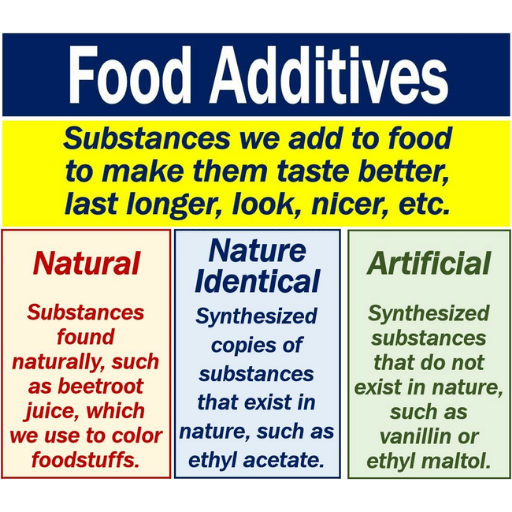
In the contemporary food industry, food additives are one of the major contributors that increase food products’ safety, quality, and shelf life. In this article, the aim is to clarify some of the frequently used food additives. As an Organisation whose authority is to protect public health against food substance hazards, the Food and Drug Administration is the source of the information gathered. Our efforts will be directed at studying the categorizations of food additives, their specifications, and the regulation techniques employed in their application. If people are aware and know what such additives are present in the food they consume and what their actions are, they will be in a better position to choose the nutritional value of the foods they eat and thus add knowledge on nutrition and health.
What is a Food Additive and Why is it Used?

Definition and Purpose of Food Additives
Food additives are substances added to food products to maintain a particular flavor, make the taste more appealing, achieve specific aesthetic effects, and manage food safety during storage and consumption. These broad terms cover many entities, such as preservatives, colorants, emulsifiers, and stabilizers. The awe process primarily undertaken by food additives in the food market is to improve the quality of the food and lengthen the shelf life of the food without putting it at risk of spoiling or being contaminated by microorganisms. The importance of these additives in modern food products has grown as food producers have to live up to various consumer demands regarding the properties and safety of the goods in an ever more international environment. Knowledge about the functions of different additives enables consumers to make well-informed choices on food intake and the kind of food additives to use.
Types of Food Additives and Their Functions
Food additives can also be classified by functional roles, and within each group, they play confined roles in food preservation and enhancement.
- Preservatives: These are the most common additives used to curtail the growth of microorganisms, thus increasing the shelf life of foods. An instance is sorbates and benzoates.
- Coloring Agents: These are used to increase the color of food products, making them more appealing to the eyes. They can be extracted from natural sources (beet juice) or artificial sources (Red 40).
- Emulsifiers: To achieve such an amalgamation, emulsifiers like lecithin are employed to maintain the stability of products such as dressings and margarine.
- Stabilizers and Thickeners: These agents include xanthan gum and guar gum. They impart body to foods and control the flow characteristics of food, thus preventing the drowning of food in a liquid and ensuring that the desired flow is maintained.
- Flavor Enhancers: These add a specific ‘taste’ to food by enhancing some flavors initially present in the food, for example, monosodium glutamate (MSG).
- Nutritional Additives: These vitamins and minerals are intended to supplement essential food elements that people lack in their diets for good health.
With this knowledge of such divisions and what they do, the consumers of food products can appreciate the ingredients used in the product manufacture and thus make a more informed decision regarding what they eat.
Why Food Manufacturers Use Additives
Additive usage in the manufacture of foods has numerous reasons, the main ones being product quality, safety, and stability improvement. First, preservation additives extend the microbial shelf life of products, which is essential in food safety and ensuring that dry food is acceptably safe. Secondly, it is also known that they enhance certain sensory attributes such as taste, color, and texture of foods, which attract more consumers. The other importance of additives is that they contribute to the manufacturing processes by providing uniformity and stability of products, which is required especially in the multistep processing of products. Economic factors are also considered; additives are employed to improve formulation to achieve the desired flavor, texture, and stretch without incurring a lot of wastage, particularly in a dynamic and competitive market.
Are Food Additives Safe for Consumption?

The Role of the Food and Drug Administration (FDA) in Ensuring Safety
Most importantly, regulating food additives to protect consumers’ health is the responsibility of the Food and Drug Administration (FDA). According to the Federal Food, Drug, and Cosmetic Act, any additive added to food should be thoroughly evaluated for safety. This entails, for instance, the scientific safety assessment of the additive using available data that, in most cases, include toxicology studies and exposure assessment. According to the FDA, food additives are unregulated except those covered by the general safety exception, pre-market approval of food additives, or those requiring affirmative procurement for specific uses.
Upon approval of the food additives, there is constant monitoring to ensure they do not compromise the safety standards and regulations in force, which may involve newer overages and new data assessments. To further safeguard consumers, the FDA’s National Center for Food Safety and Technology advises food manufacturers on how to label foods accurately and how best to use them. This entire regulatory process makes the potential hazards arising from food additives less prone to safety issues when such ingredients are used in foodstuffs that consumers may access.
Understanding the “Generally Recognized as Safe” (GRAS) Status
The “Generally Recognized as Safe” or GRAS policy is a term developed by the Food and Drug Administration (FDA) to define substances whose safe use as an additive is generally accepted by qualified experts based on available scientific knowledge. GRAS ingredients are treated much more leniently and do not require pre-food additive approval like other additives, making them easier to incorporate into food products. Such food substances under the GRAS category include various spices, food ingredients, and preservatives, among many others. However, it should be pointed out that such GRAS status can be based on scientific evidence or the historical use of additives by qualified personnel in the area in the colon, particularly those used in foods. However, the FDA has the power to challenge such GRAS determinations, especially when new evidence is presented that is likely to change the perception of the safety of the substances. This kind of status minimizes the time, and the impacts of every review on safety and the safety monitoring of the population are constantly underlined.
Common Health Concerns and Risks
An important aspect that should be considered in the context of GRAS food additives is their safety and health effects. Several studies describe one such particular reaction on the part of certain people against particular additives: allergy. Furthermore, concern has been raised regarding the use of synthetic flavoring agents over long periods and the possible correlation with diseases like obesity and metabolic syndrome. Agencies like FDAl say that there needs to be continuous investigations on these materials to ensure their safety. In addition, educational labeling and community awareness are crucial in reducing these risks by empowering people to choose what food alternatives they prefer. How to deal with safety, function, and public health issues is a question that remains very important with the progressive changes in the food sector.
Common Types of Food Additives
Artificial Sweeteners: Benefits and Risks
Artificial sweeteners are synthesized alternatives to sugar that offer sweetness but lack the calories present in the original sugars. Some of these are aspartame, saccharin, and sucralose. One of the main advantages of these compounds is their usefulness in helping in weight control and diabetic management, as they give a sense of sweetness without adding extra calories and significantly affecting blood glucose levels. Also, they provide the option for patients who want to decrease sugary foods to prevent diseases like cancer of the tongue and tooth decay.
Nevertheless, however, sweeteners may be, the use of artificial sweeteners has brought debate and skepticism owing to the many possible health implications that may be adverse. This is further complicated by the findings of some researchers trying to rationalize these health risks, claiming the beneficial attributes of these products. Despite being accepted by organizations that control the use of drugs, like the FDA, the safety of these drugs and their tendency to cause cancerous effects is still being questioned. Hence, customers are not to be bloomed by the merits of these supplements to their diets, so they forget the demerits.
Preservatives: Keeping Food Fresh
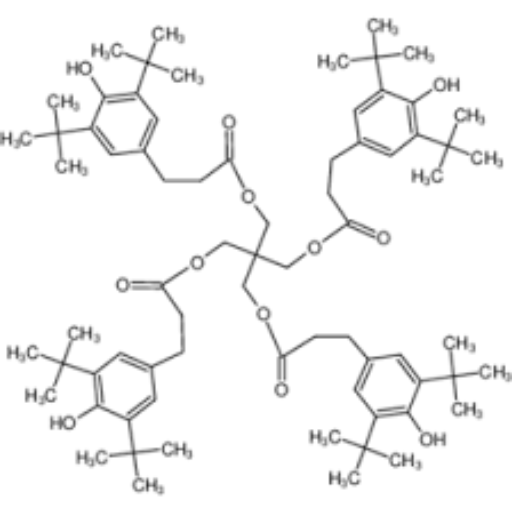
Preservatives are essential for controlling the deterioration caused by microorganism spoilage of food products and the rancidity of its constituents, thus prolonging the shelf life of any food item. There are two main types of preservatives categorizing them as synthesized compounds like sodium benzoate, potassium sorbate, and sulfites, as well as natural substitutes such as vinegar, salt, and vegetable origins. All of these are to enhance the quality of the food and help prevent diseases transmitted through food.
![[REFRESH] Irgafos 168: Uses, Benefits & Specifications](https://welltchemicals.com/wp-content/uploads/2024/01/0-1.webp)
The efficiency of different preservatives is usually evaluated depending on their ability to inhibit undesired microbial activity, control the consistency of the food, and inhibit particular undesirable chemical changes. However, using preservatives has raised concerns about the safety and health effects of food supplements. Certain preservatives can also provoke specific sensitivity or allergic reactions on the part of some individuals, thus requiring clear labeling and notifying consumers. It is essential to realize the need for food preservation benefits, but at the same time, a person’s health is kept in mind so that the food industry can sell safe and nutritious products to the population.
Thickeners like Xanthan Gum: Uses and Effects
Xanthan gum is a polysaccharide commonly used as a thickening agent and emulsifier in many food products. It is obtained by the fermentation of glucose or sucrose by Xanthomonas campestris bacteria. Its structure allows it to increase the thickness of a fluid, hence its usefulness in salad dressings, sauces, gluten-free baked goods, and those where value addition is achieved by texture enhancement or mouthfeel.
As far as functionality is concerned, xanthan gum has several significant advantages. It ensures uniformity in texture, prevents efflorescence or settling of solid ingredients, and provides stability to the product. The other property of xanthan gum is pseudoplasticity; portions of the fluid are displaced when a compressing shear stress is applied, which facilitates the mixing and application of the gum. This property has made it an attractive additive in food and non-food industries, such as pharmaceuticals and cosmetics.
Some individuals can develop side effects from the use of xanthan gum; however, in most cases, they are reversed. This is because some sensitive individuals have allergies to corn or soy, both of which are major substrates used in the production of xanthan gum. Generally, knowledge of xanthan gum’s properties and uses is of great value to both manufacturers and consumers to avoid health risks in dietary and product choices.
Do Food Additives Cause Problems?
Allergic Reactions and Sensitivities
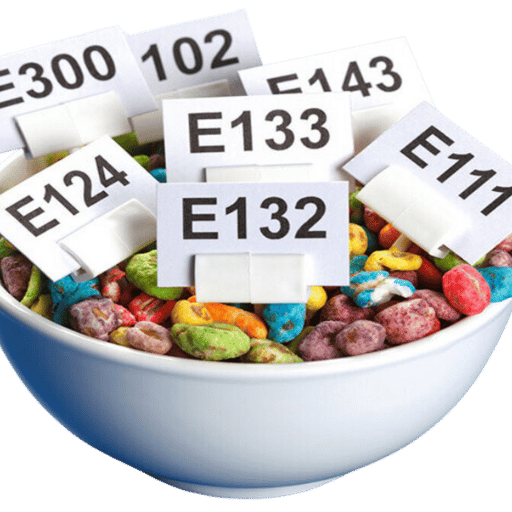
Food additives may include thickeners, preservatives, and other components responsible for allergies, which may result in an individual having an allergic sensation or intolerance. Predominant symptoms include pricking hives, puffiness, gastrointestinal problems, and respiratory challenges. Metanalysis identified food preservatives like sulfite color agents and monosodium glutamate (MSG), amongst others, as commonly responsible for sensitizations. It is upon the consumers to closely examine every ingredient used and seek assistance from medical staff where they believe they may be allergic to a particular chemical food additive. In addition, those allergic to the specific food product should take precautions against cross-contamination during the stage of food production to avoid any unintentional contact. Increasing concern amongst consumers and producers is vital in reducing the adverse effects of food additives and maintaining the safe use of products.
Artificial Food Coloring and Hyperactivity
Many research studies have shown the relationship between the use of artificial food dye in foods and hyperactive behavior in children, with some suggesting that a specific food dye can cause hyperactivity in children. Peer-reviewed studies from organizations like the National Health Service (NHS) claim that certain food additives, such as artificial coloring agents, common in most processed foods, can trigger hyperactivity in susceptible children. The Southampton study, for example, shows that an artificial color and sodium benzoate combined increased hyperactivity according to standardized tests. Consequently, countries have passed legislation obligating labeling products that contain particular artificial colorants. Yet the evidence is mixed; all the same, many parents and medical practitioners prefer to take extra care regarding the potential side effects of such colorants on children and suggest that the use of artificial colorants in children be reduced. Consumers must also be educated and opt for natural products unless it is impossible, underscoring the significance of such choices as diet and the behavioral effects of consumed food additives, including those in a given type of processed foods.
Potential Long-Term Health Effects
The long-run health effects that artificial food colorings may have are still being investigated and reviewed in the forums dealing with these issues. Prolonged intake of some of these food colorants has been said to induce some health-related conditions such as allergies, behavioral abnormalities, and possible cancer. Red 40 and yellow 5, two of these artificial colorings, were reported by a review of the Center for Science in the Public Interest to have been linked to more significant hyperactivity and sensitivity in children, which raises caution about their use. In addition to that, the Food and Drug Administration (FDA) has also recognized the safety concerns but claims approved color additives are safe when used as directed. Moreover, a meta-analysis article in “Critical Reviews in Food Science and Nutrition” states that more rigorous long-term studies are necessary to thoroughly comprehend the effects of these synthetic additives on chronic diseases, making information on these additives essential to consumers.
How to Identify Food Additives in Processed Foods?

Reading Food Labels for Additive Information
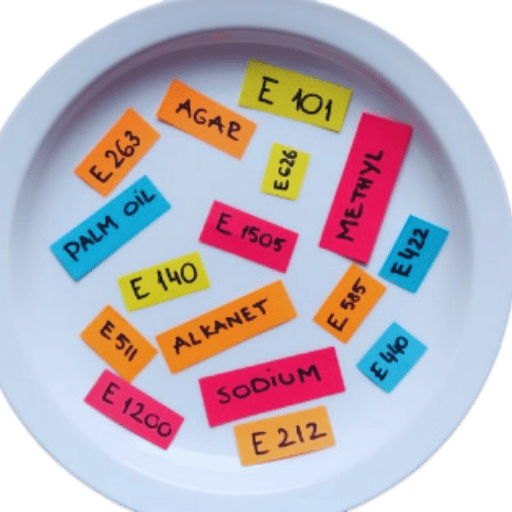
At this stage, consumers are usually thoughtful in analyzing the food additives and are keen to check the food product labels. In general, since ingredient lists are presented in order of predominance, the first ingredients that catch the eye include various food additives used in the product. So, although they are called by specific names such as colorants, preservatives, or emulsifiers, they are also found in the form of E number, the common international number for food additives in the EU.
To examine some artificial colors, consumers must also understand the terms and words associated with artificial colorants, such as „artificial colorants” and “artificial flavors.” Supplementing the label examination by checking the websites of trustworthy organizations such as the FDA and food safety organizations should also help ascertain harmful ingredients. Moreover, mobile applications or websites that allow scanning product barcodes can further aid dietary decisions.
Common Additives Found in Everyday Foods
It is important to know the general additives used in processed foods to make educated decisions about what one chooses to eat. Owing to facts acquired from several validated sources, here are some common food additives in use as well:
- Preservatives: Some of these compounds, such as sodium benzoate and potassium sorbate, are often used to prevent spoilage due to bacteria, mold, and yeast and, therefore, improve shelf life. They are supplementary to making food products safe and the standard expected.
- Emulsifiers: Food additives such as lecithin, mono- and diglycerides are used to mix two compounds that do not normally mix, such as oil and water. Emulsifiers enhance texture and stabilize salad dressings, sauces, and baked goods.
- Colorants: Food colorings such as Red 40 and Yellow 5 are used to make food more attractive. They also determine eating habits and can be found in beverages, sweets, and snack foods.
Knowledge of such key ingredients enables consumers of such products to avoid health issues related to synthetic components through proper food selections.
Tips for Avoiding Unwanted Additives
- Read Labels Thoroughly: Learn enough to read the labels of constituent ingredients in product packaging. Check for add-ons that are either impossible to pronounce or too long, as these are most likely artificial ingredients. Make it a habit to learn about common additives and their purpose to be better informed.
- Choose Whole Foods: Always favor fresh, whole foods over ready-to-eat ones when possible. Whole grains, fruits and vegetables, low-fat proteins, and unprocessed dairy foods are known to have fewer food additives than processed foods. This practice minimizes the risk of foreign chemicals entering the body while improving the overall nutritional value level of one’s food.
- Shop Organic: Try to buy organic products whenever possible, as these are formulated under strict regulations against certain types of artificial preservatives, colorings, and other additives. Although organic food is sometimes more expensive, it is a safer option as it has fewer synthetic ingredients.
In adopting such practices, users are likely to minimize the use of unwanted additives, thus promoting a better and more natural diet.
Reference Sources

Frequently Asked Questions (FAQs)
Q: What food preservatives are typical, and what is their importance?
A: Typical food preservatives are chemical entities that have been included in foods to maintain some flavor, quality, or color and extend the consumables’ shelf life. Citric acid is not an uncommon preservation agent for foodstuffs, while yellow five and yellow 6 are flavors used to enhance appearance.
Q: How are food additives approved for use in food by the Food and Drug Administration?
A: The regulatory safety of food additives by the FDA encompasses stringent pre- and post-market safety assessments. The authorities review the research presented and determine whether the additives are safe when incorporated into the food under specified use conditions, thus maintaining the food safety standards.
Q: Why does corn syrup have extensive application in the food industry?
A: Corn syrup is widely used for its ability to sweeten food products and to offer excellent moisture retention in baked and other foods at a low cost, given its relatively low cost. Its application in foods is extensive, from sugary drinks to processed meat products, and its role is to improve texture.
Q: What is monosodium glutamate, and is it safe for food use?
A: Monosodium Glutamate (MSG) is an additive or taste enhancer widely used in various food products. The FDA, however, considers MSG harmless when consumed at normal rates, even though some individuals indicate adverse effects like migraines.
Q: What role does nitrite play in food processing?
A: Nitrite is deliberately included in many processed meats to inhibit bacteria and maintain color. However, excessive nitrites can render a person susceptible to specific cancers, so the amount used in foodstuffs is controlled.
Q: Do these additives harm? Do food additives induce allergic reactions?
A: Yes, some food additives, such as color and preservatives, can cause allergic reactions in susceptible individuals. If you have allergic conditions, it is critical to check the content of food labels.
Q: What are the adverse side effects of food additives?
A: While the other food additives have been proven safe, certain additives have adverse effects, such as making children hyperactive (for instance, some artificial food colors) or causing allergic reactions or other adverse effects in individuals who are susceptible to them.
Q: Why did the food industry want dyes such as yellow five and six?
A: Food dyes such as yellow five and yellow six are wanted to enhance the aesthetics of food products. These color additives are widely used in numerous food items, including candies and cereals.
Q: Can any of the food additives lead to a health risk increase?
A: Some food additives threaten human health if taken in the right proportions. These problems are present, for example, in processed meat products due to nitrites or excessive amounts of food dye. A balanced diet should always be noted to avoid the above risks.
Q: Can you provide an insight into the types of food products with the most food additives?
A: Unfortunately, many food products, such as processed meats, baked goods, beverages, and snacks, have additives. These are added to enhance the flavor, preserve it, and improve the appearance and texture of the food.