


DINP plasticizer, an essential element in the manufacturing sector, is lauded for its flexibility and durability enhancement properties. This guide will delve into the intricacies of DINP plasticizers, offering a meticulous classification, a comparative analysis with other plasticizers, and a detailed overview of its wide-ranging applications. With a focus on providing factual and objective information, this comprehensive guide aims to equip readers with a profound understanding of DINP plasticizers in 2024.
What is DINP Plasticizer and its Role in PVC Applications?
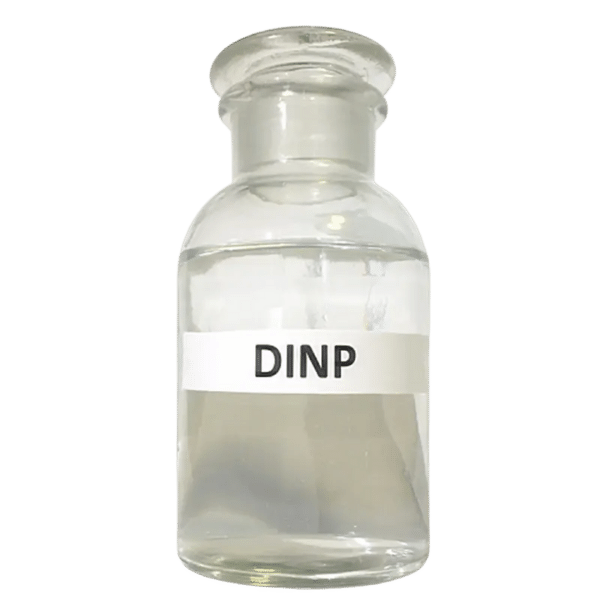
DINP, Diisononyl Phthalate, is a commonly used plasticizer that imparts flexibility and durability to polyvinyl chloride (PVC) applications. The efficacy of DINP lies in its ability to reduce the hardness of PVC, thus enhancing its pliability. As a result, DINP finds extensive use in a multitude of PVC-based products, ranging from wires and cables to flooring and roofing materials. This article aims to shed light on the chemical structure of DINP, its comparison with other plasticizers, its applications, and its role in coating and sealant formulations.
Understanding the Chemical Structure of DINP
The chemical structure of DINP comprises carbon, hydrogen, and oxygen atoms. Its molecular formula is C26H42O4. The structural arrangement of these atoms allows DINP to effectively soften PVC by getting between the polymer chains and increasing their ability to slide past each other. This results in enhanced flexibility and durability of the PVC material.
Comparing DINP to Other Plasticizers like DOP
Comparing DINP with DOP (Dioctyl Phthalate), another common plasticizer, reveals some distinct differences and similarities. Both are phthalate-based plasticizers and exhibit excellent compatibility with PVC. However, DINP tends to have lower volatility and better aging properties, making it a preferred choice for long-life products.
| DINP | DOP | |
|---|---|---|
| Volatility | Low | High |
| Aging Properties | Better | Good |
| Compatibility with PVC | Excellent | Excellent |
Applications of DINP in Flexible PVC Products
DINP is extensively used in various flexible PVC products due to its superior plasticizing efficiency. Some of the applications include:
- Wires and Cables
- Flooring Materials
- Roofing Materials
- Wall Coverings
- Automotive Parts
Assessing the Volatility of DINP
The volatility of DINP is significantly lower than that of other plasticizers. This low volatility contributes to its superior performance, especially in applications that require high-temperature processing or exposure.
DINP Plasticizer in Coating and Sealant Formulations
![[REFRESH] Irgafos 168: Uses, Benefits & Specifications](https://welltchemicals.com/wp-content/uploads/2024/01/0-1.webp)
DINP plays a crucial role in coating and sealant formulations. It provides flexibility, enhances the durability of coatings, and improves the overall performance of sealants. As a result, DINP is widely used in various industrial and commercial applications, including automotive and construction sectors.
Health and Safety Concerns Surrounding DINP Plasticizer
Diisononyl Phthalate (DINP), a commonly utilized plasticizer in various industries, has recently been under scrutiny due to potential health and safety concerns. Although DINP has been instrumental in enhancing the flexibility and durability of products, research has indicated possible risks associated with its exposure. This article will explore the risk assessment of DINP, its role in consumer products, regulatory measures taken by the US EPA, its potential carcinogenic effects, and its overall impact on human health and well-being.
Risk Assessment of DINP Exposure
Risk assessment involves evaluating the possibility of harm or adverse health effects that can occur as a result of exposure to certain substances. For DINP, this involves understanding the level and frequency of exposure and the potential health implications. Studies have indicated that prolonged exposure to DINP could potentially lead to detrimental health effects.
The Role of DINP in Consumer Products
DINP plays a significant role in the manufacturing of a wide range of consumer products. It is primarily used as a plasticizer in the production of flexible Polyvinyl Chloride (PVC) products such as toys, flooring, cables, and wall coverings. However, given the potential health risks, it is crucial to monitor and regulate its usage.
Regulatory Measures by US EPA on DINP Usage
The United States Environmental Protection Agency (US EPA) has implemented measures to regulate the usage of DINP. The agency has added DINP to the list of toxic chemicals subject to the Toxics Release Inventory (TRI) reporting requirements, indicating the seriousness of potential health hazards.
Evaluating the Carcinogenic Potential of DINP
Research has indicated a potential increase in the risk of cancer with exposure to DINP. However, the level of exposure and the duration play a critical role in determining the risk. Further studies are needed to fully understand the carcinogenic potential of DINP.
Effects of DINP on Human Health and Well-being
The effects of DINP exposure on human health and well-being are multifaceted. Some studies have suggested links to obesity, type 2 diabetes, cardiovascular issues, and potential harm to reproductive organs. However, it’s important to note that the scientific community is still exploring these links and their implications, necessitating ongoing research in this area.

Comparative Analysis of DINP with Phthalate and Other Ester Plasticizers

The field of plasticizers is diverse, with various options available to meet the specific needs of different applications. Among these plasticizers, Diisononyl Phthalate (DINP) is frequently utilized due to its superior properties. This article provides a comparative analysis between DINP and other phthalate and ester plasticizers. It will delve into the differences in their applications within PVC products, physical and chemical property comparisons, volatility, and high-molecular-weight considerations. Finally, it will examine the impact on the flexibility and durability of PVC when formulated with DINP.
DINP vs. Other Phthalate Esters in PVC Applications
In PVC applications, the choice of plasticizer can significantly affect the product’s performance. Here is a comparison of DINP with other phthalate esters:
| Parameters | DINP | Other Phthalate Esters |
|---|---|---|
| Compatibility with PVC | High | Varies |
| Volatility | Low | Medium to High |
| Flexibility | High | Varies |
| Durability | High | Varies |
Physical Properties of DINP and Its Chemical Properties Comparisons
The physical and chemical properties of a plasticizer are crucial determinants of its functionality. The following table compares DINP’s properties with those of other plasticizers:
| Properties | DINP | Other Plasticizers |
|---|---|---|
| Molecular Weight | High | Varies |
| Volatility | Low | Varies |
| Compatibility with PVC | Excellent | Varies |
Examining the Low Volatility of DINP Compared to Other Plasticizers
DINP’s low volatility sets it apart from other plasticizers. This characteristic makes it ideal for applications requiring high-temperature processing or long-term durability, as it doesn’t easily evaporate or degrade.
High-Molecular-Weight Plasticizer – DINP vs. DIDP
High-molecular-weight plasticizers like DINP and Diisodecyl Phthalate (DIDP) offer superior performance in terms of volatility and extraction resistance. Here’s a comparison:
| Parameters | DINP | DIDP |
|---|---|---|
| Volatility | Low | Low |
| Extraction Resistance | High | High |
Comparing the Flexibility and Durability of PVC Formulated with DINP
PVC formulated with DINP exhibits high flexibility and durability, making it suitable for a wide range of applications. These attributes are due to the excellent compatibility of DINP with PVC and its ability to efficiently space the polymer chains, enhancing their ability to slide past each other.
Regulatory Guidelines and Risk Mitigation for Using DINP Plasticizer
Diisononyl Phthalate (DINP) is a widely used plasticizer in a variety of applications, notably in flexible Polyvinyl Chloride (PVC) products. However, due to potential health and environmental concerns associated with its usage, various regulatory guidelines have been established to manage and mitigate these risks. This article aims to outline these regulatory standards, discuss the process of conducting risk assessment and mitigation for DINP exposure, suggest approaches to minimize its environmental impact and provide best practices for incorporating DINP in PVC products. Additionally, it will touch upon the impact of DINP usage on automotive and flooring applications.
Health and Safety Regulatory Standards for DINP Usage
Health and safety regulations for DINP usage primarily focus on reducing human exposure to this chemical. These regulations include guidelines on safe handling and storage of DINP, proper use of personal protective equipment, and restrictions on DINP usage in certain applications, particularly those involving prolonged human contact.
Conducting Risk Assessment and Risk Mitigation for DINP Exposure
Risk assessment for DINP exposure involves identifying potential sources of exposure, evaluating the level of exposure, and assessing the possible health risks linked to this exposure. Risk mitigation strategies may include implementing safety measures, such as adequate ventilation and use of protective gear, and substituting DINP with safer alternatives where possible.
Approaches to Minimize the Environmental Impact of DINP in PVC
To minimize the environmental impact of DINP in PVC, manufacturers can adopt several approaches. These may include recycling or properly disposing of DINP-containing waste, using DINP substitutes with lower environmental impact, and implementing cleaner production processes that reduce emissions of DINP into the environment.
Best Practices for Incorporating DINP in PVC Products
Incorporating DINP in PVC products should be done following best practices to ensure safety and efficiency. These practices may include mixing DINP thoroughly with the PVC resin to ensure uniform distribution, using the minimum effective amount of DINP to reduce potential exposure, and storing and handling the DINP-containing PVC products in a manner that minimizes the release of DINP.
Impact of DINP Usage on Automotive and Flooring Applications
DINP usage in automotive and flooring applications has significant implications for product performance. In automotive applications, DINP can provide enhanced flexibility, durability, and heat resistance to PVC components. However, potential health concerns necessitate careful management of DINP usage. Similarly, in flooring applications, while DINP can enhance product properties such as flexibility and durability, it is crucial to consider its potential health risks and environmental impact.

Future Outlook and Innovations in the DINP Plasticizer Industry
The Diisononyl Phthalate (DINP) plasticizer industry continues to evolve in response to technological advancements, research developments, and changing market demands. This evolution is characterized by innovative applications of DINP, enhancements in its properties, and efforts to develop more environment-friendly solutions. This article will explore the role of DINP in advancing flexible PVC applications, its innovative uses in adhesive and sealant formulations, ongoing research to improve its properties, its impact on developing eco-friendly coating solutions, and potential expansion of its application in general purpose plasticizers.
The Role of DINP in Advancing Flexible PVC Applications
DINP plays a significant role in advancing flexible PVC applications. Its excellent compatibility with PVC, combined with its ability to improve flexibility and durability, makes it a preferred choice for many manufacturers. As demand for flexible PVC products continues to grow, so does the reliance on DINP. Future innovations are expected to focus on enhancing these properties while addressing potential health and environmental concerns.
Innovative Uses of DINP in Adhesive and Sealant Formulations
The unique properties of DINP have led to its innovative use in adhesive and sealant formulations. Its high molecular weight and low volatility contribute to the longevity and effectiveness of these products. Future developments in this area are likely to focus on improving performance characteristics while reducing potential risks associated with DINP exposure.
Research and Development in Enhancing DINP Plasticizer Properties
Considerable research and development efforts are underway to enhance the properties of DINP plasticizers. These efforts aim to increase the efficiency of DINP, reduce its potential health and environmental impacts, and expand its range of applications. Future innovations are likely to result from these research initiatives, potentially leading to safer and more effective DINP formulations.
Impact of DINP on Developing Environment-Friendly Coating Solutions
DINP’s potential to improve the flexibility and durability of coatings without contributing to high levels of volatile organic compounds (VOCs) makes it a valuable component in the development of environment-friendly coating solutions. As sustainability becomes a key focus in the industry, the role of DINP in this area is expected to grow.
Exploring the Expansion of DINP Application in General Purpose Plasticizers
The versatility of DINP allows its application to extend beyond specialized uses to general-purpose plasticizers. Its excellent performance characteristics combined with its relatively low cost make it an attractive option for a variety of applications. Continued research and development are expected to further expand these applications, offering new opportunities for growth in the DINP industry.
References
——
- Chemceed: This source provides an overview of Diisononyl phthalate (DINP), its uses, and the diverse range of industrial applications it supports.
- SpecialChem: This comprehensive guide on plasticizers offers insights into the structure, types, uses, selection, and regulation of plasticizers, including DINP.
- Hanwha Chemical Corporation: This manufacturer’s brochure provides data and recommendations on DINP, serving as a guide to their products and applications.
- Consumer Product Safety Commission: This government advisory panel report on DINP discusses the potential health hazards associated with its usage.
- S&P Global: This Chemical Economics Handbook provides detailed insights into the world consumption of phthalate plasticizers including DINP.
- Australian Government – Industrial Chemicals: This source provides comprehensive information about DINP, highlighting its usage in PVC and PVC/polyvinyl acetate co-polymers due to its high affinity and good solvation properties.
- Chemceed Product News: This product feature article discusses why DINP is a preferred choice for large-volume general-use applications in the PVC plasticizer industry.
- Eastman: This technical guide provides insights into the selection of performance or non-phthalate plasticizer alternatives, including DINP, to meet regulations.
- European Plasticisers: This source discusses the general, all-purpose usage of DINP in various PVC applications such as wire and cables, flooring, truck tarpaulins, and wall coverings.
- Consumer Product Safety Commission – Business Guidance: This business guidance document provides regulatory information about the use of phthalates, including DINP, in children’s toys and childcare articles.
Recommended reading: Get High-Quality DINP Plasticizer Sourced from China